Travel Essentials

This is part of an ongoing theme to document travel and camping gear that has served me over the years.  These will be mirrored on the Traveler’s Gear page as I get them up.

As a traveler, primitive technologist, peaceful survivalist, affected provincial,  long-time Idler, and sometime field scientist I find the necessity for a shoulder bag to carry essentials.  I have two size shoulder bags as well as various backpacks, brief cases, and messenger bags that have served me well over the years walking thousands of miles on survey and in my travels.

DSC_0005I made this bag a few years ago based on an 18th century gentleman’s shooting bag.  If you are interested to see it’s construction, it is documented HERE.  Carried by naturalists, sportsmen, and explorers, this small compartmentalized bag keeps the essentials handy.  Sturdy 10-12 oz vegetable tanned leather from Hermann Oak means that this bag will serve many decades without fear of damage from wear.
DSC_0004
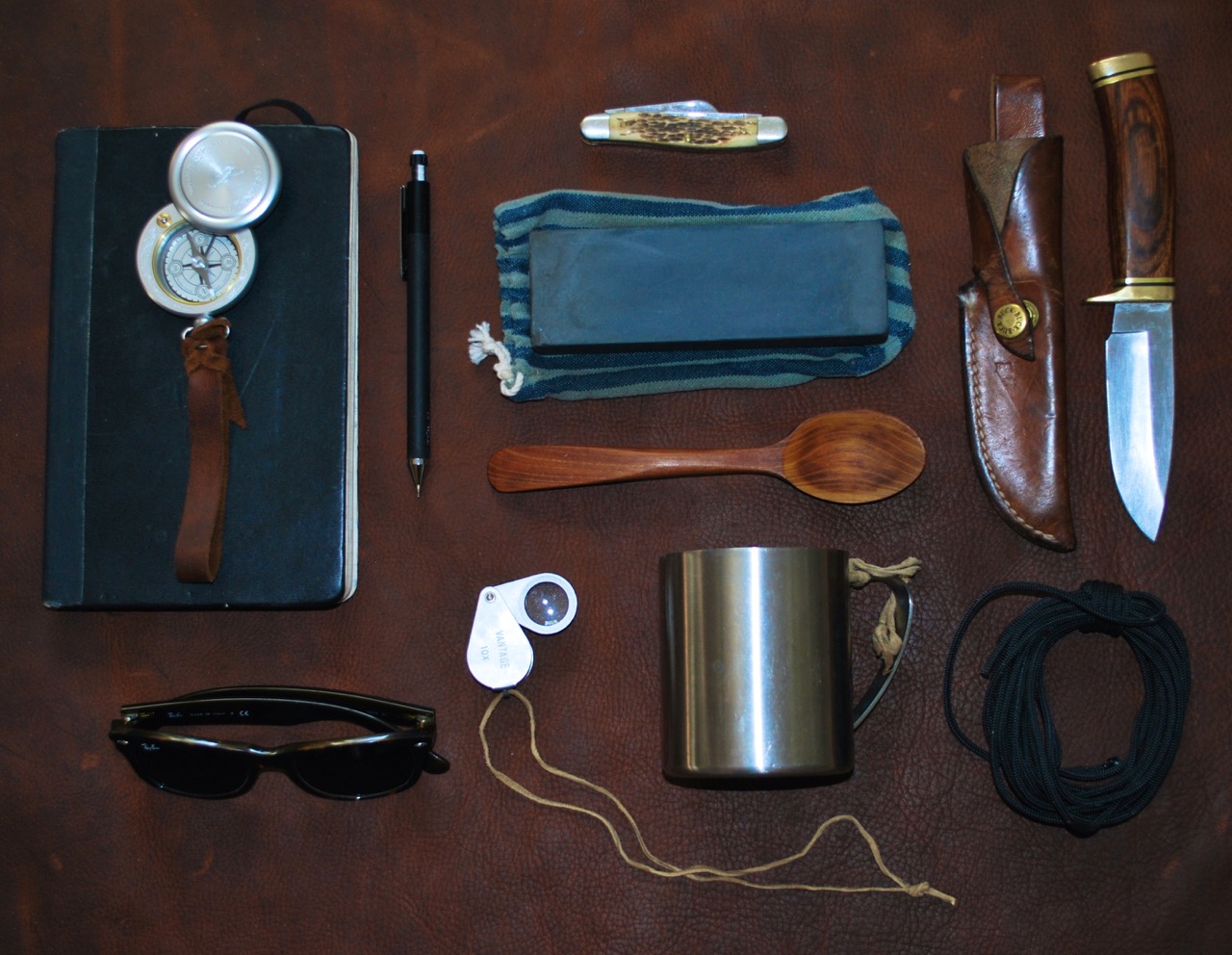
This is most of the contents from the above bag; mostly things I don’t like to be without. Clockwise (more-or-less) from the upper left: Brunton pocket compass with signal mirror, Moleskine notebook, pencil, folding knife, whetstone with bag, belt knife, wooden spoon, 550 paracord, insulated mug, hand lens, sunglasses.

Since I was eleven, I have been infatuated with mountain man style wilderness survival.  It was, by far, my favorite merit badge as a Boy Scout.  The merit badge book taught about the old idea of a “possibles” bag carried by early explorers that we now think of as a survival kit.  Although the above is far from a complete survival kit, this little bundle, with the addition of a water bottle, gets me through many long days of travel and field work.  Additional items include: lighter, flashlight, bandanas, and some first-aid essentials.  However, traversing the wilderness, or even through civilization, means more than having the right stuff handy, being dressed properly is probably even more important.  After years of walking in the wilderness I have learned the same lessons that our forefathers did; the importance of being well shod and covered with a proper hat.

Those topics will be covered down the trail.

Winter Wonderland

Even on the Southern High Plains of New Mexico, we get some snow.  Real winter seldom lasts for more than a couple weeks here but it can become extreme at times.  With occasional swings of 60 degrees Fahrenheit up or down in a matter of a couple hours, the inconsistency makes it difficult to plan.  Unseasonable warmth has now turned to single digit temperatures at night and 6-10 inches of snow around the property.

DSC_0013A little snow on the wagon this morning as we head into Twelfth Night and back to the work grind next week.

An Engineering Marvel; Tiny House Truck

That transforms into a modernist castle.

As usual, Lloyd Kahn always finds the good stuff to post when it comes to unique Shelter.  The Tiny House Truck is built on an old flatbed and is a true marvel of engineering as it “pops” out into a faux castle.  An appropriate home I suppose for these traveling performers.  Some of the luxuries include a separated toilet, separated shower, full kitchen, and a bath tub (with hot water) on the roof patio.  There are some extremely modern amenities and ingenious storage solutions here.  It is worth the twelve minutes to watch the video and see this remarkable home as still photos do not do it justice.

The original story is on the Living Big in a Tiny House blog HERE.

LIVINGBIG-LOGO
Click to go to the Living Big website.


Early Motor Caravans

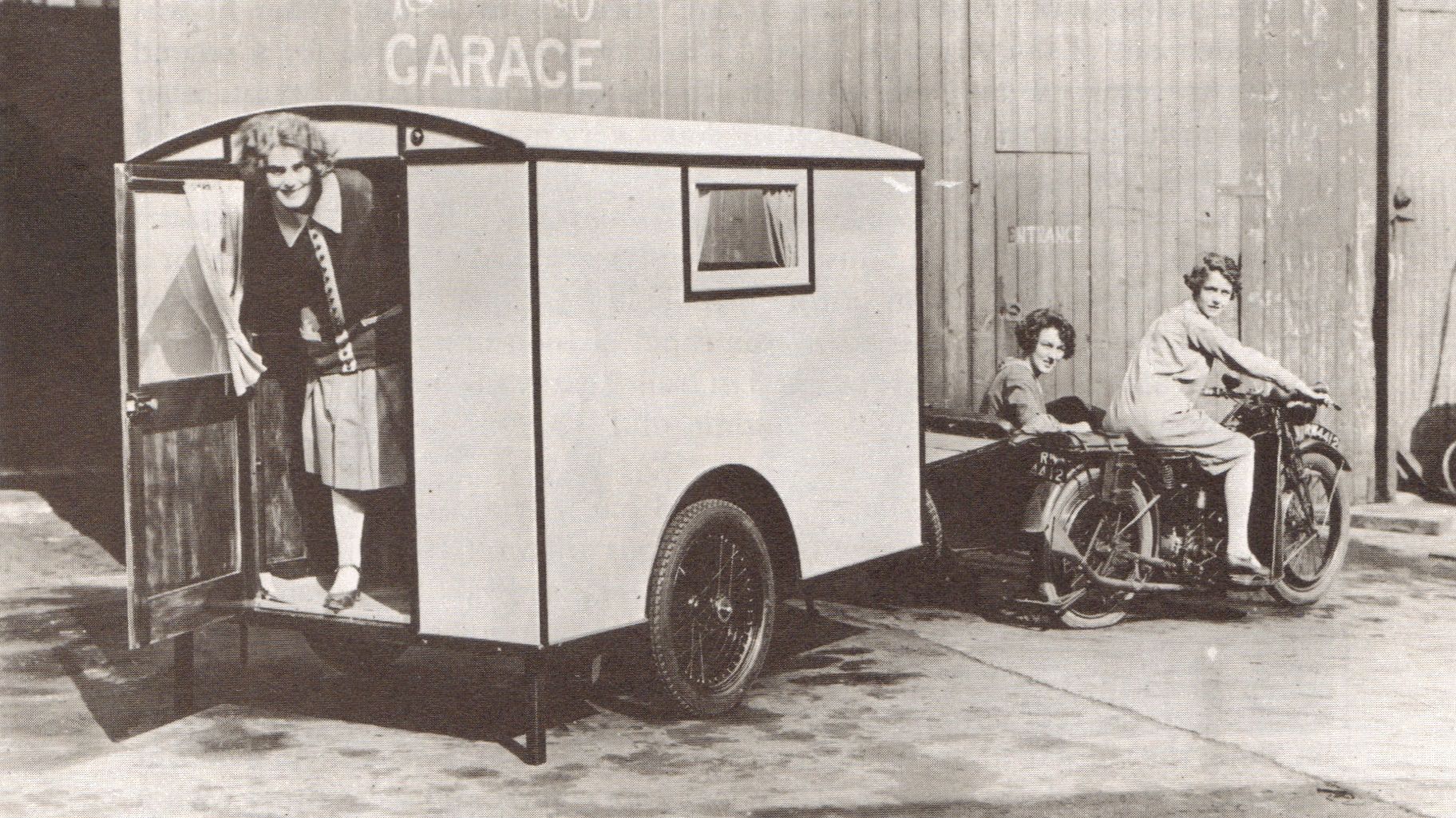
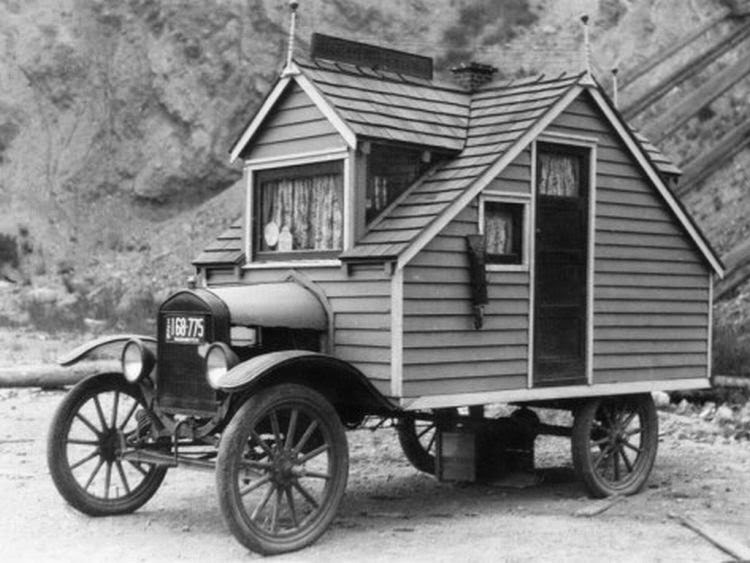
We live in an age of motor vehicles.  Few of us could consider, for safety if nothing else, taking to the roads in a horse drawn vehicle.  When the automobile seemed here to stay, caravanners in Europe adapted to the new technology.

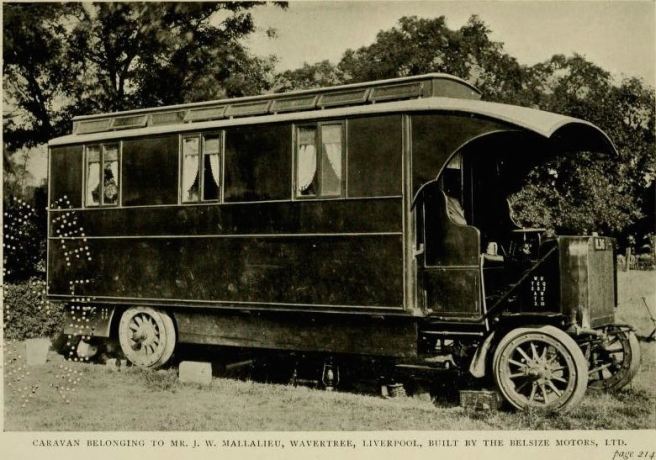
MotorVans1 The earliest models look essentially like their horse-drawn cousins, just stuck onto a truck chassis.  In this era, I suspect they were topping out at 35 mph.
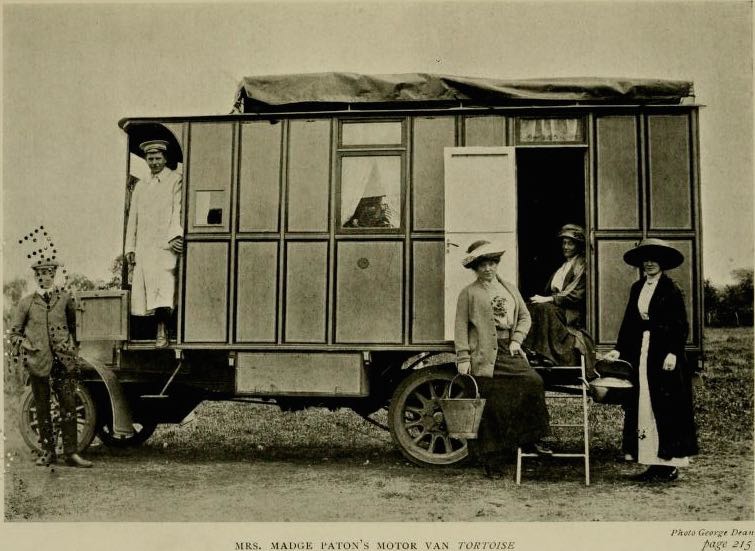
MotorVans2This is the earliest side-door design I have found which changes the dynamics of the interior layout.  Note that in the vehicles above, the driver is still fully exposed to the elements.  A far cry from our modern experience.  Note the “driving coat” worn by the pilot of this beauty.

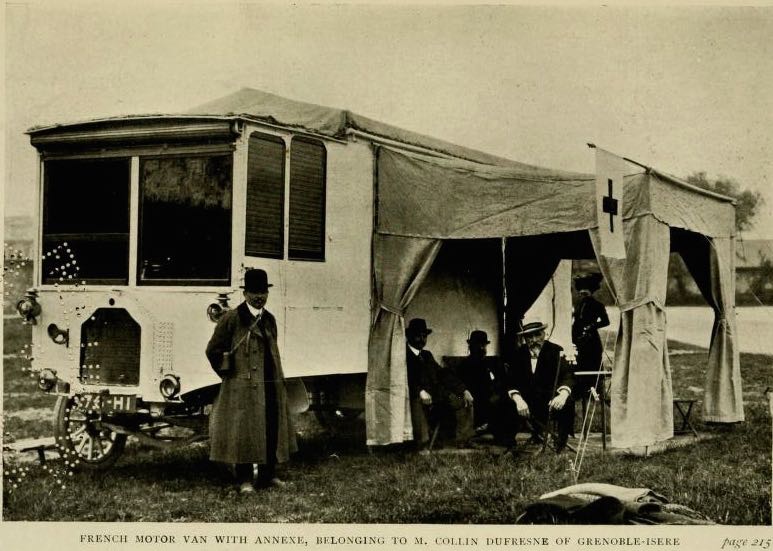
MotorVans3This French innovation has boxed-in the driver’s compartment making it suitable for foul weather.  Still, I would be worried about those huge, non-safety glass windows.

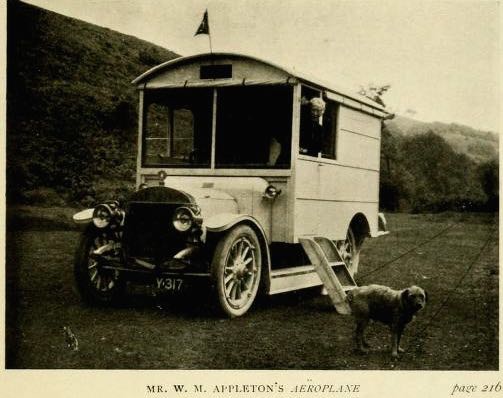
MotorVans4And finally, a very practical little design; the AEROPLANE.  A cute little beast.  I could not find the floor plan for this one but there is a section profile to help the would-be builder:

MotorVans5This style fold down seat/bed is exactly what I had in my first Ford pickup camper.  Simple and practical.  Maybe these early designs will inspire more modern builders to dive in and get their build on.  Keep it simple, keep it light.

Caravans for Christ

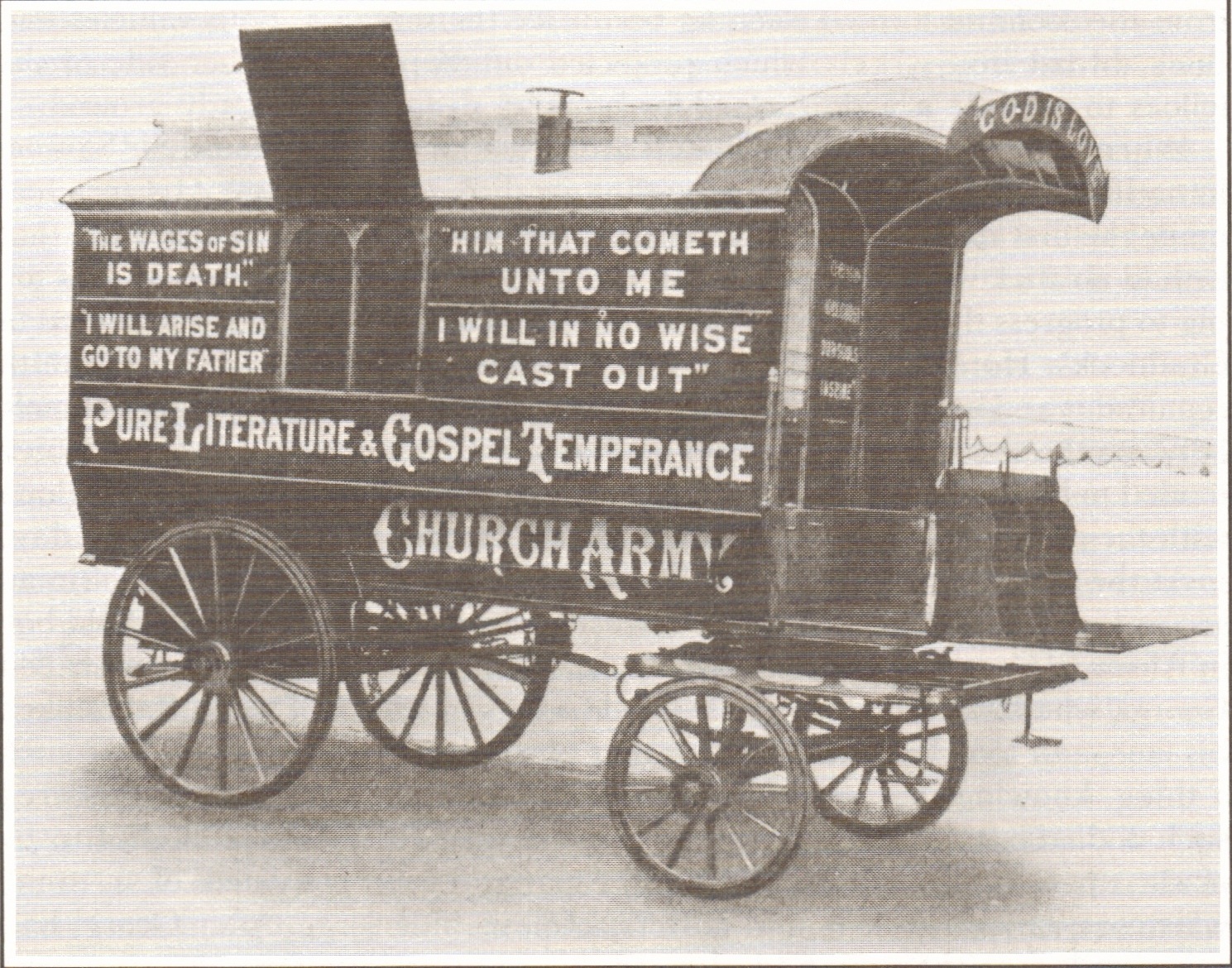
It seems only natural that evangelical ministers would take to the caravan as a way to bring the Gospel to the people.  Christianity is a missionary religion after all.  The caravan served as a sort of home base for missionaries and a vicarage for ministers, even being outfitted with a harmonium (pump organ) in some cases.

Church1
Like hawkers of more earthly wares, church denominations competed for trade by using their wagon walls as billboards.

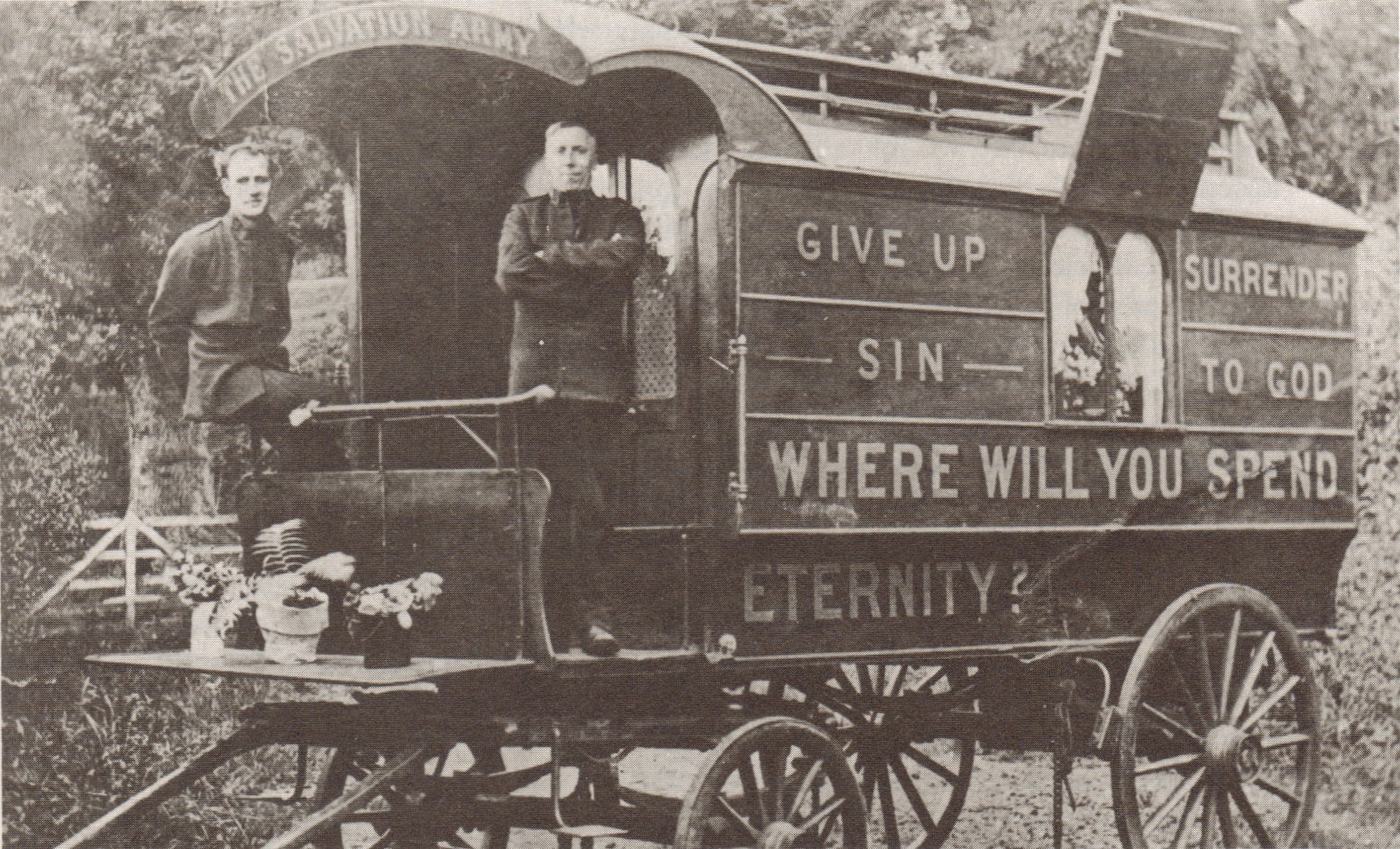
Anyway, here’s another aspect of the caravan life we don’t often see.

Church2
Some could now claim that the whole world was their parish.

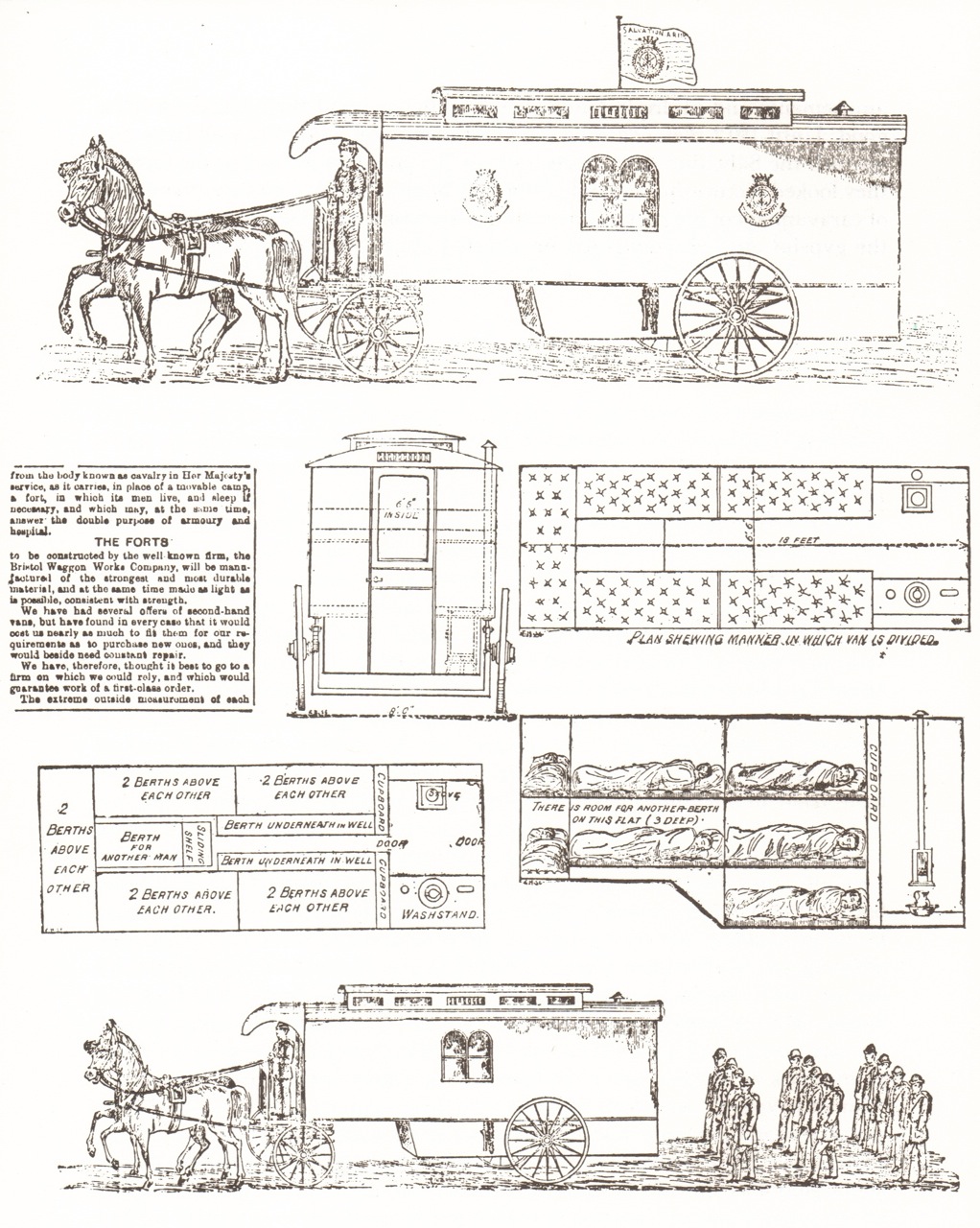
Finally, the FORTS.  A concept of the Salvation Army to travel the countryside, gathering pledges of abstinence and converting the destitute.  Definitely the forerunner of the  modern fifth-wheel camper.

The schematics of "The Fort" from Gypsies and Gentlemen by Nerissa Wilson.
The schematics of “The Fort” from Gypsies and Gentlemen by Nerissa Wilson.


Lightweight Touring Caravan Design from the 19th Century

Touringvan
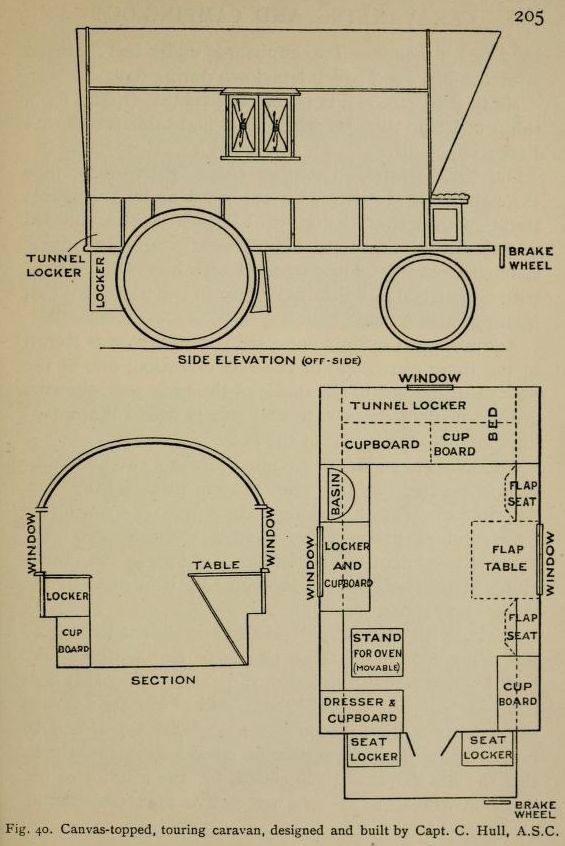
From Caravanning and Camping-Out by J. Harris Stone 1914.

Here’s a great design from the late nineteenth century.  I could not find an associated photo for the finished caravan but there are a couple of innovations I will want to include in the future.  I believe this wagon was about 12 feet long overall and is a nice setup for 1-2 people.  The flap table makes for added floorspace when needed and there is ample storage both inside and out.  The tunnel locker under the bed is also a great idea that I thought was a recent invention.

Towersvan
A caravan with the ubiquitous storage tent.

This isn’t the same caravan but similar in size and design.  I really like the enormous opening at the front for ventilation.  Another innovation for the future.  Also, it’s good to keep in mind that there were normally a tent or two pitched with the van when parked for storage, dogs, kids, etc.  I thought this was a cop-out of mine but it seems I’m not the first to notice the extra space is a godsend on extended trips with more than one person.

Caravan Design: The Open-Lot

An ongoing series of caravan designs to aide the modern builder.  A little history goes a long way to solve our design problems. 

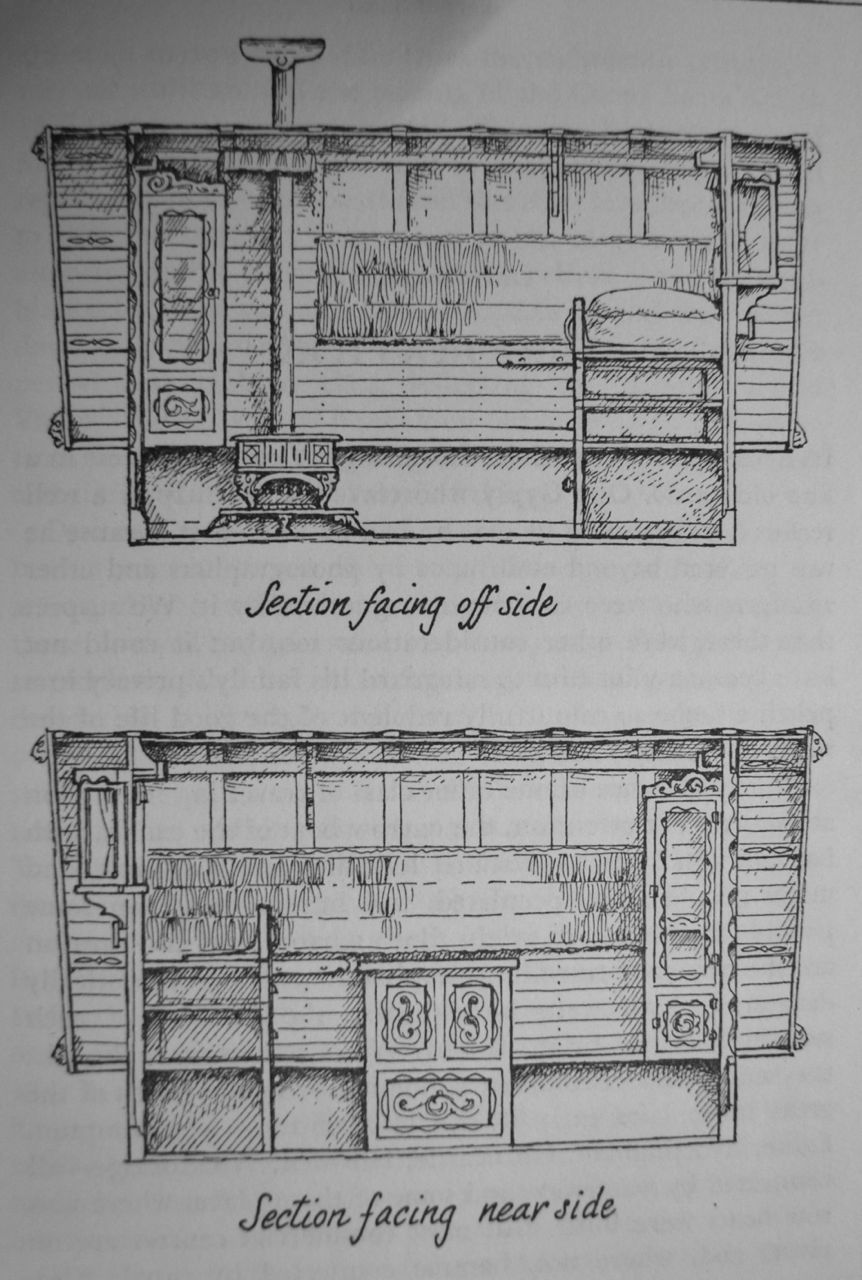
The Open Lot is about the simplest of the true living wagons (properly “waggons”) of the 19th century.  Of course any covered wagon or cargo trailer can suffice when necessary but once these become real homes, some forethought in design goes a long way.  It is worth remembering that the caravans we know and love evolved in the cool, temperate region of northwest Europe and this influenced their design.  If these had originated, as we know them now, in hot, windy deserts or steamy jungles of southeast Asia, other considerations would have prevailed.  For instance, the near universal inclusion of a wood stove would not have occurred.  Better ventilation would have certainly been key.

OpenLotFloor
Illustration by Denis E. Harvey in The English Gypsy Caravan, by Cyril Henry Ward-Jackson.

Some of the earliest truly purpose-built living wagons in our lineage are the Open Lots.  Essentially and early covered wagon with closed ends and built-in furniture.  To maximize living space, the bed slides out for sleeping.  There is ample floor space, a built-in chest of drawers, cupboards and under-bed storage.  The massive cabinet under the base of the bed was used for storage or for children, as need arose.  The example above is essentially the pinnacle of this design whereas some were far simpler.

OpenLotCross
Illustration by Denis E. Harvey in The English Gypsy Caravan, by Cyril Henry Ward-Jackson.

The Open Lot is almost the blank canvas for later designers to expand upon and improve.  On possible drawback to this design was and is the curved walls, limiting the ability to build upon and essentially eliminating the possibility of side windows.  The positive feature of this design was it’s light weight.  Note that even in this era, side walls were built up, out of normal reach from outside for safety and security.

From Gypsies and Gentlemen by Nerissa Wilson.

The Open Lot remained the base-level caravan and saw wide popularity until recent times amongst horse powered travellers in Britain and Ireland.

Marketing to the Caravan Craze: Caravan Case and Contour Books

 Presenting the traveling requisites; a caravan case and road-grade book.

CaravanCaseAdvertisement for a lightweight but implicitly tough (it is sole leather after all) suitcase or light trunk for the traveler.   Road grade books were very handy in the days of principally human and animal power.  If you are cycling cross-country or pulling and immense showman’s van you may choose to avoid some of the worst grades.  Britain was notorious for poor roads for centuries so you don’t want to be stuck in ruts on an eight percent grade at nightfall.  These books were lifesavers.