The United Nations says a satellite image has confirmed that the Temple of Bel, the main temple in the ancient city of Palmyra in northern Syria, has been destroyed by Daesh.
Some plum good advice from one of my favorite literary craftsmen P. G. Wodehouse.
“It is a good rule in life never to apologize. The right sort of people do not want apologies, and the wrong sort take a mean advantage of them.”
From: The Man Upstairs and Other Stories.
Color-tinted image of P. G. Wodehouse in his prime.
About himself and his career, he took the humble path.
“When in due course Charon ferries me across the Styx and everyone is telling everyone else what a rotten writer I was, I hope at least one voice will be heard piping up, ‘But he did take trouble.'”
Just an infomercial about how much I like my chickens. Feeding western barbarians like me since 500 B.C.
Chickens clean up your yard, patrol garden areas and give us great eggs for virtually nothing per month. Most dogs can be trained to watch over a flock. Unfortunately, they don’t always respect other flocks so keep this in mind.
Some great advice from a couple heading for early retirement. They have a great blog and give some good, down-to-earth advice. Here are a few tips in today’s post.
Stop sleeping with the phone right next to the bed. The phone is a tool, not your jailer.
Get dressed in the morning. Just because you aren’t going to work, you can still put in a little effort to get dressed for the day. This sets the mood that you may actually DO something. And for everyone’s sake, don’t go shopping in your pajamas!
Stop treating lunch like a frantic scramble. Despite the feelings of guilt dished out by bad employers, you deserve a break once in a while. Enjoy your time because life is short.
Stop eating at your desk. Again, get out. Take break. You are not a prisoner.
Stop waking up at unreasonable hours. This is hard to avoid, but waking up to your own rhythm is something we can all benefit from. Electricity, artificial lighting, internet, and television encourages us to stay up too late for our schedules. Get some sleep!
Stop neglecting fitness. This should go without saying. However, many of our jobs either hurt us by giving us too little activity or beat us up through tough repetitive movements. When we get home, it’s too easy to lay down, have a cocktail, snack, eat, and recuperate from the day. Find time to treat yourself right.
ALL GREAT ADVICE. Read the rest and much more at the “Our next life“.
happy monday, friends! anyone else hoping for a less volatile stock market week? we’d love to just coast into labor day weekend without thinking about the markets. let’s see if we’re so lucky! and now for our regularly scheduled blog post…
lately we’ve been noticing more of the bad habits that are part of our lives because of work, the things that would otherwise be invisible to us if we weren’t paying attention. work is in a busy period for both of us at the moment (don’t our clients know it’s august?!), so we’re spending even more time than usual daydreaming about what life will be like when we can say sayonara once and for all to our careers. a top priority for us then will be to change our habits, replacing the bad ones with good, healthy ones.
A beautiful and sentimental song by Dougie MacLean, a Scottish artist. If you’ve never heard of him you probably know at least one of his tunes. MacLean’s most famous piece is probably “The Gael”, from his 1990 album The Search, which was adapted by Trevor Jones as the main theme to The Last of the Mohicans. You know: dumm dumdum dumm dumdum dum dum dumm, dumm dumdum dumm dumdum dum dum dumm … anyway, you get the point. Enjoy.
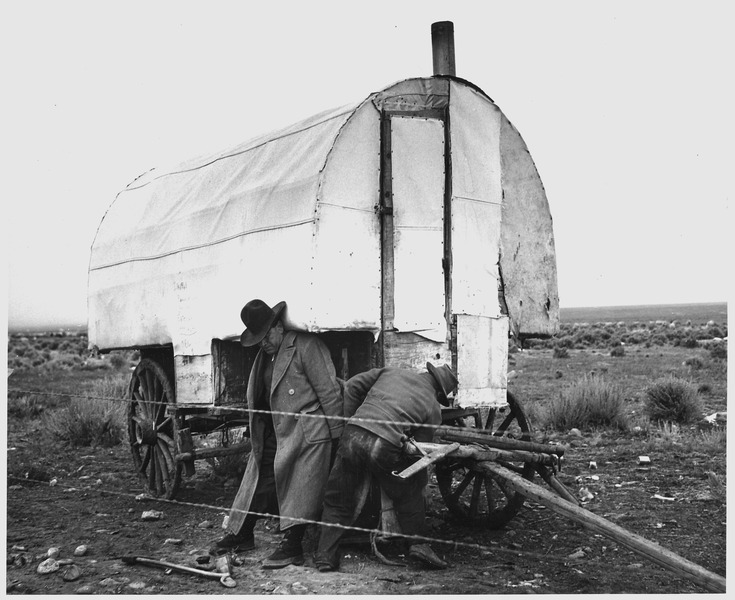
Greasing the axles of a sheep camp in Taos County, New Mexico ca. 1941.
“Victor Croley grew up with a sheepherder father, his family of six lived happily in a wagon like this, entertained by the outdoors and a fiddle.”
Victor Croley describes growing up in a nomadic family of six with a sheepherder wagon for home and how years down the road he felt the urge to build a wagon of his own.
Mother Earth News, May/June 1970
Here is great story I read years ago about being raised in a family of six in a sheep camp measuring about 7 x 8′! (I think that’s the floor space). I recently relocated the article in Mother Earth News.
Croley’s Wagon.Schematic of a typical sheep camp.
Here’s an excerpt:
“The canvas-covered sheep wagon was roughly about seven feet wide by eight feet long. On the front end a door opened out of the middle and you stepped down onto the wagon tongue and thence to the ground. From the inside looking out, the stove was on the left of the door. On the right was a small wash stand with several wooden drawers for storage of linens, towels and socks. A bucket of water and washbasin were on the oil cloth covered top and a small mirror hung above the basin for shaving. Soap, toothbrush, razor and essentials rested on top of the stand when in location or were stowed in a drawer when moving.”
That’s the idea at least. I have been diligently working to re-write the Vardo building pages in such a way as to make them a little more instructive. The benefit of hindsight has allowed me to address issues that seem to be common questions. I kept the comments in place (I hope) as they provide a lot of information and discussion from over the years. Over the next few days I intend to keep adding photos. Please feel free to comment, question, or point out any obvious typos or other errors.
Click the preview image to go the the first page of the re-write. More pages will be published as I get the images and text in place. Also I would deeply appreciate it if readers could share this in appropriate media with links back to the blog.
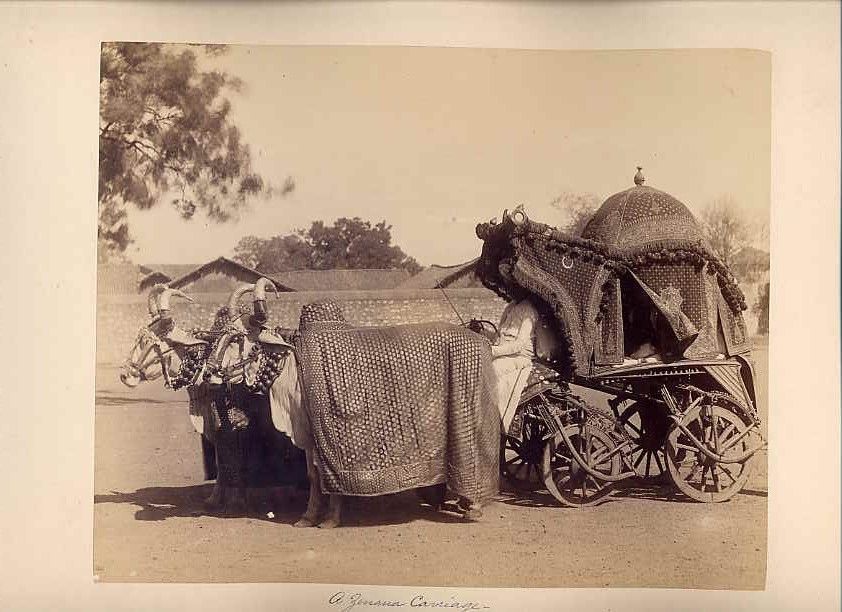
Zenana– def. The place where the ladies reside. Origin: Urdu.
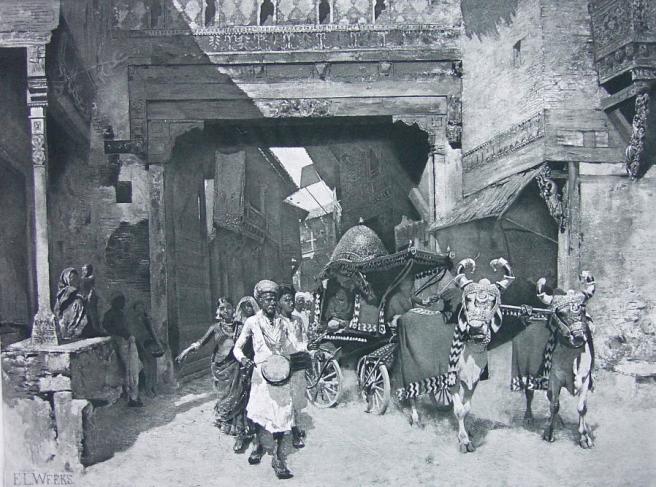
Yesterday I posted this cabinet card image found on Tumblr and asked for help in identifying the style. Crowd-sourcing research on the blog certainly works. “KB” responded with enough key words that a quick image search revealed the nature of this carriage. Often called a Zenana Carriage, this one is extremely well-decorated and may be going to a wedding. The practice is from the Urdu-speaking Hindustani but can be applied in several ways. This appears to be from British Raj period of India (the good ol’ days to the Brits but the Indians may beg to differ on this).
Really, I’m just in it for the vehicles.
The term seems to be applied rather broadly from sedan chairs to carts and wagons of various quality. The key being a covered transport for the modesty of the lady enclosed.
It’s more of a concept than a carriage, except among the wealthy. Zenana carriages for royals may even be made in silver and gold. It reminds me of the old pilgrim woman in Rudyard Kipling’s Kim. She was so old and beyond modesty, she would often even ride with the curtain partially open.
The Carriage of a Hindoo Lady.Zenana Cart.Silver zenana carriage Baroda, 1895.Sacred bullocks before state carriage – Baroda.
I suspect some of the design elements were influenced by British carriage building but overall, this is very much a regional phenomenon. Perhaps there are some motifs and textures found in this genre to spice up a modern caravan.
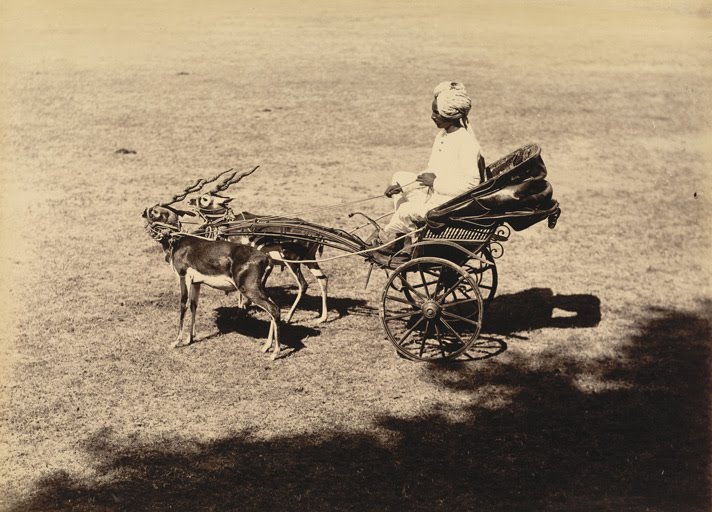
And finally, an interesting little cart I found while combing images in the wee hours.







 Preindustrial Craftsmanship