Art and Craft Fair

I would not have ever thought myself a craft fair kind of guy yet here we are…
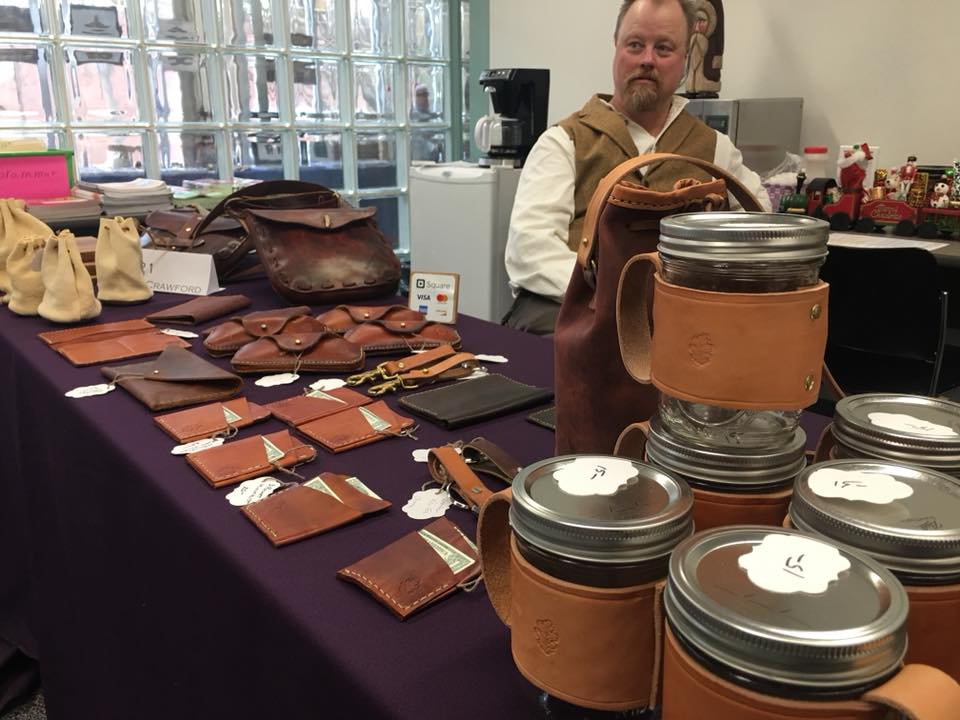
A sneaky photo of the maker discovered this afternoon.

Last year, our local community center hosted an arts and craft fair as a way to bring local artisans together and raise money for public programs (art classes, GED education, computer skills, tax assistance, etc.).  Being new to the area we joined in last year and were invited back for a second go around last weekend.  It was a good cause and a way for us to make a little extra spending money for the holiday season.
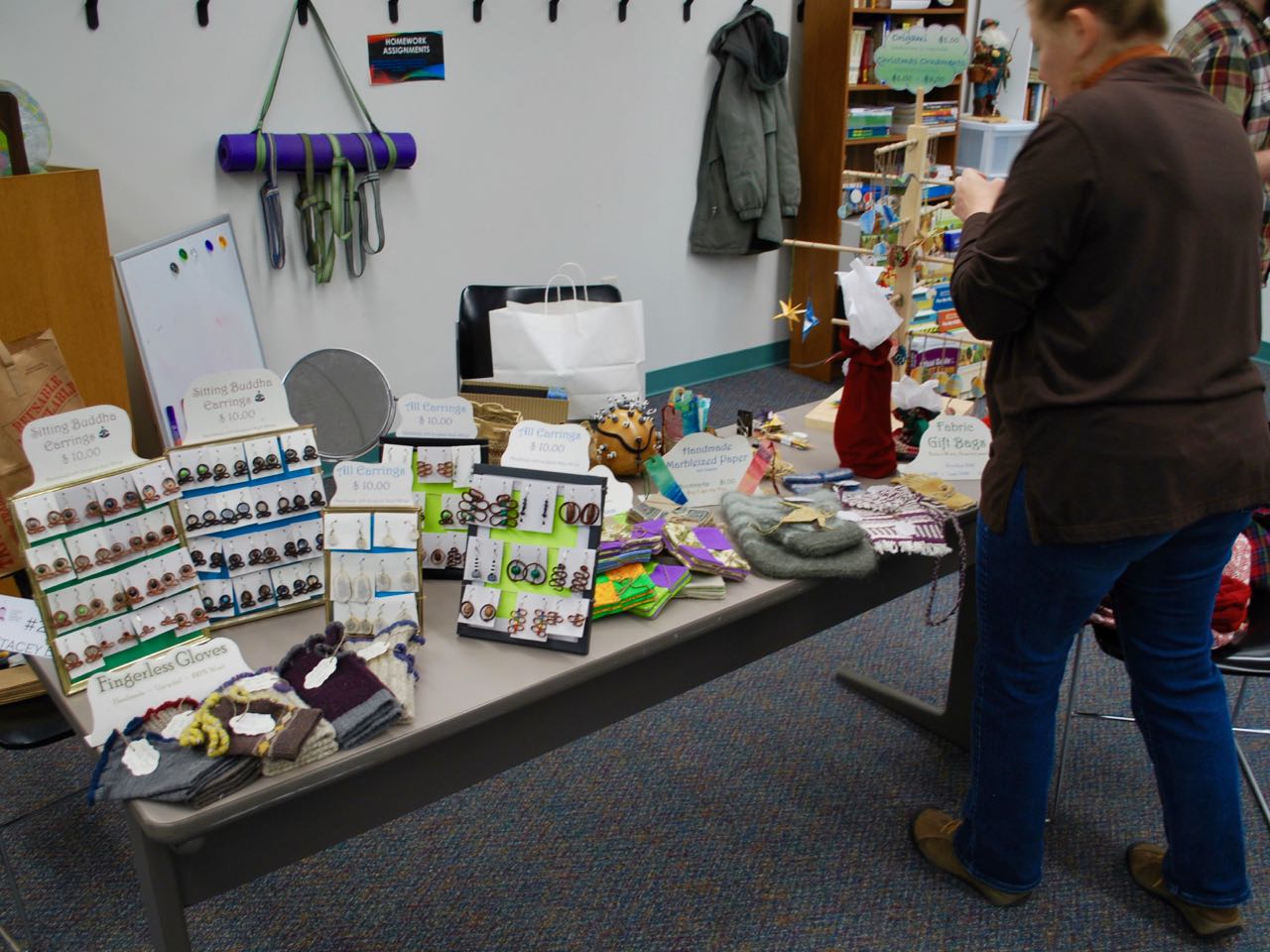
Stacey’s jewelry, sewing, weaving, and holiday arts.

Times are tough and it seems that most people have little to spare on superfluous items this time of year.  Despite this, it was still a profitable venture and a portion of everyone’s proceeds went to a good cause.
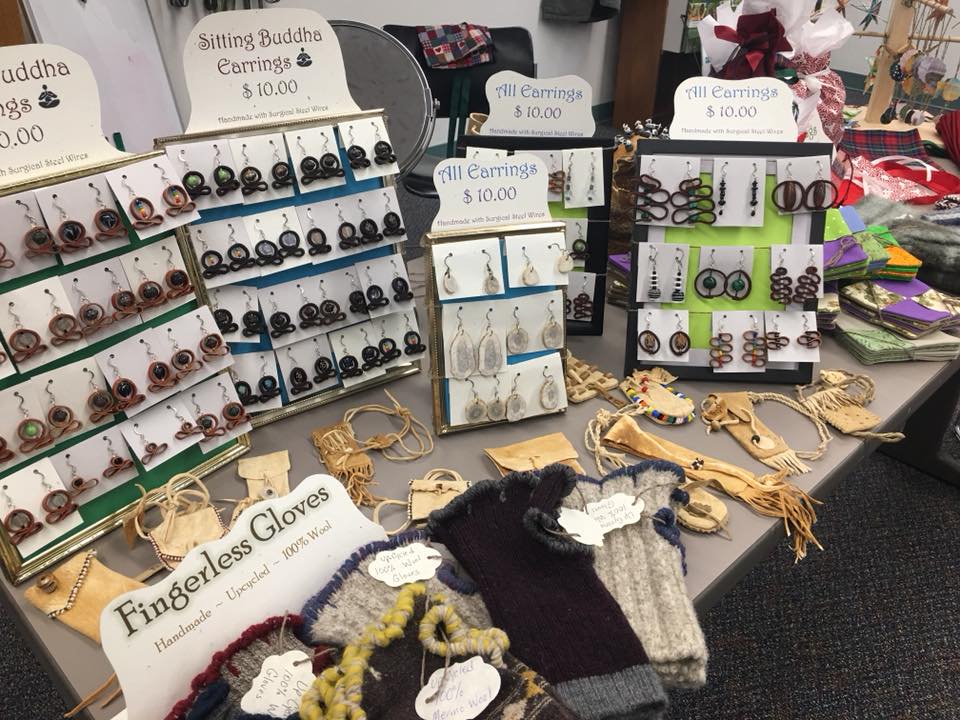
Details…

Two very good outcomes from joining in this effort were:

  1. Forcing us to buckle down and finish a load of projects in a very short period and
  2. Putting us in touch with a lot of local makers we may not have met otherwise.

There are some very talented people out there and it is often difficult for them to show their work. Venues like this allow the small, part-time players like us to showcase some of what we do.  Now, as a primitive tech artist, I steered myself more toward items that were affordable and would appeal to the average person; especially someone looking for gifts appropriate for the holidays.  I even brought a few walnut cutting boards as they are fairly popular gifts.

Painters, printers, writers, jewelers, and even wonderful candy and jam makers were there and we a grateful for the opportunity to participate again this year.

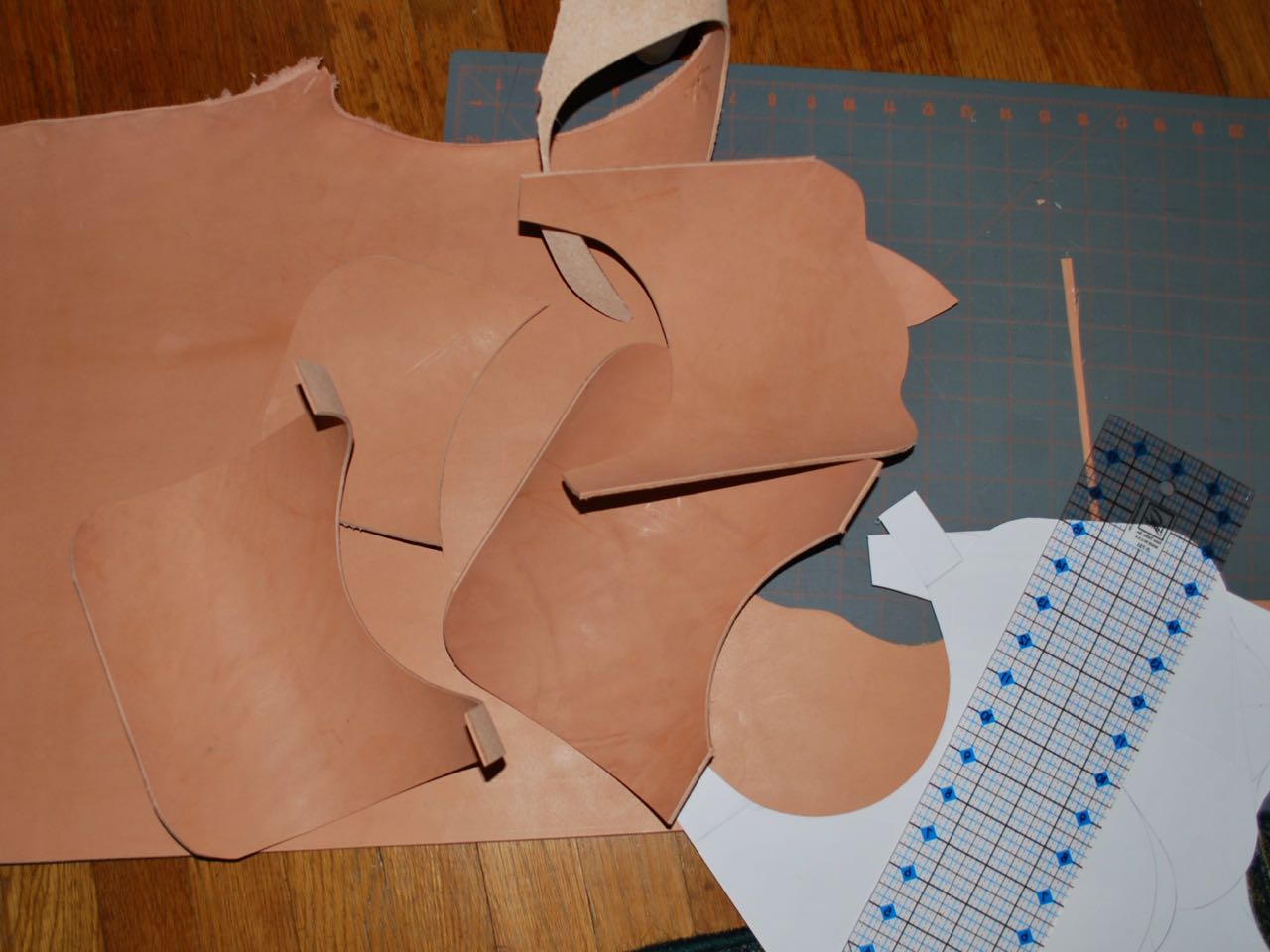
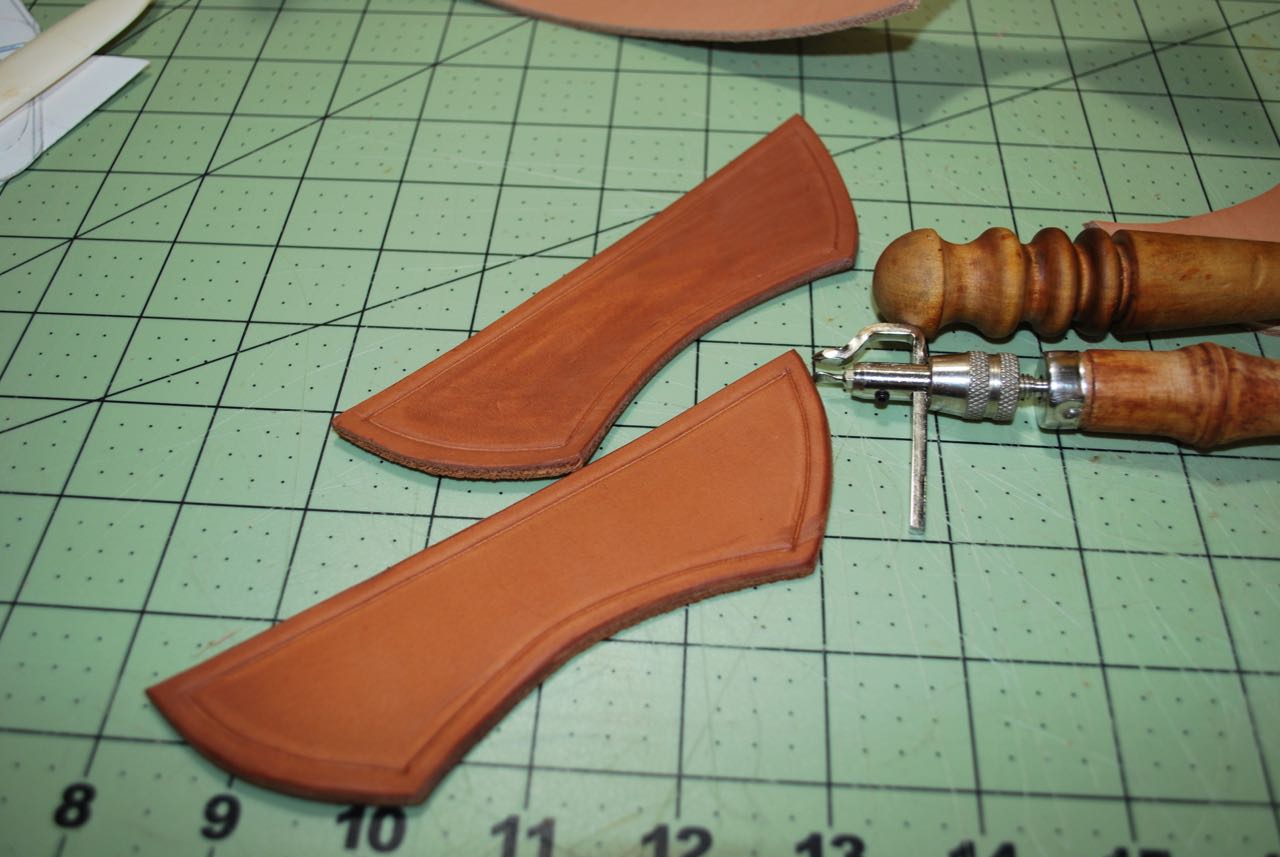
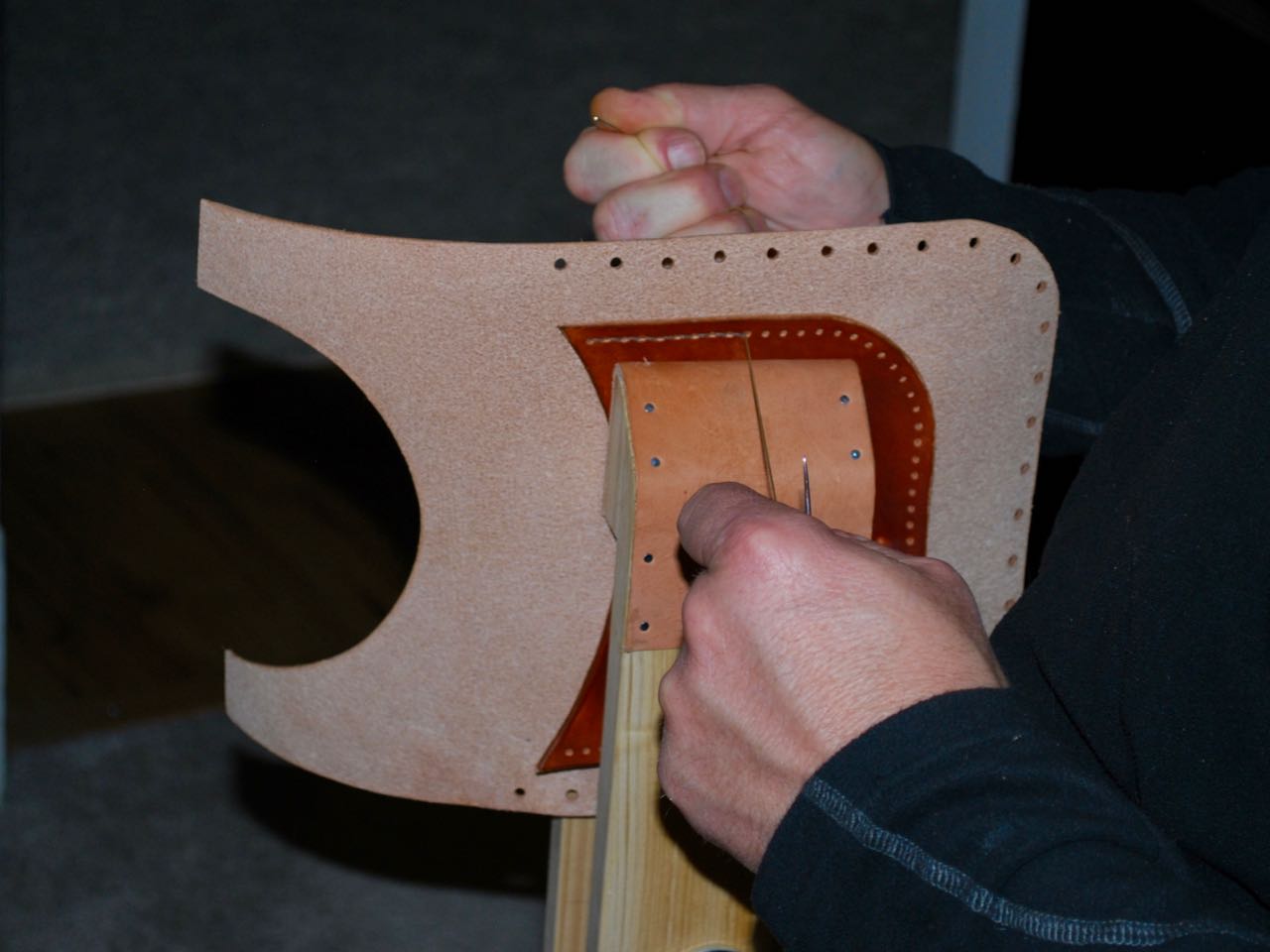
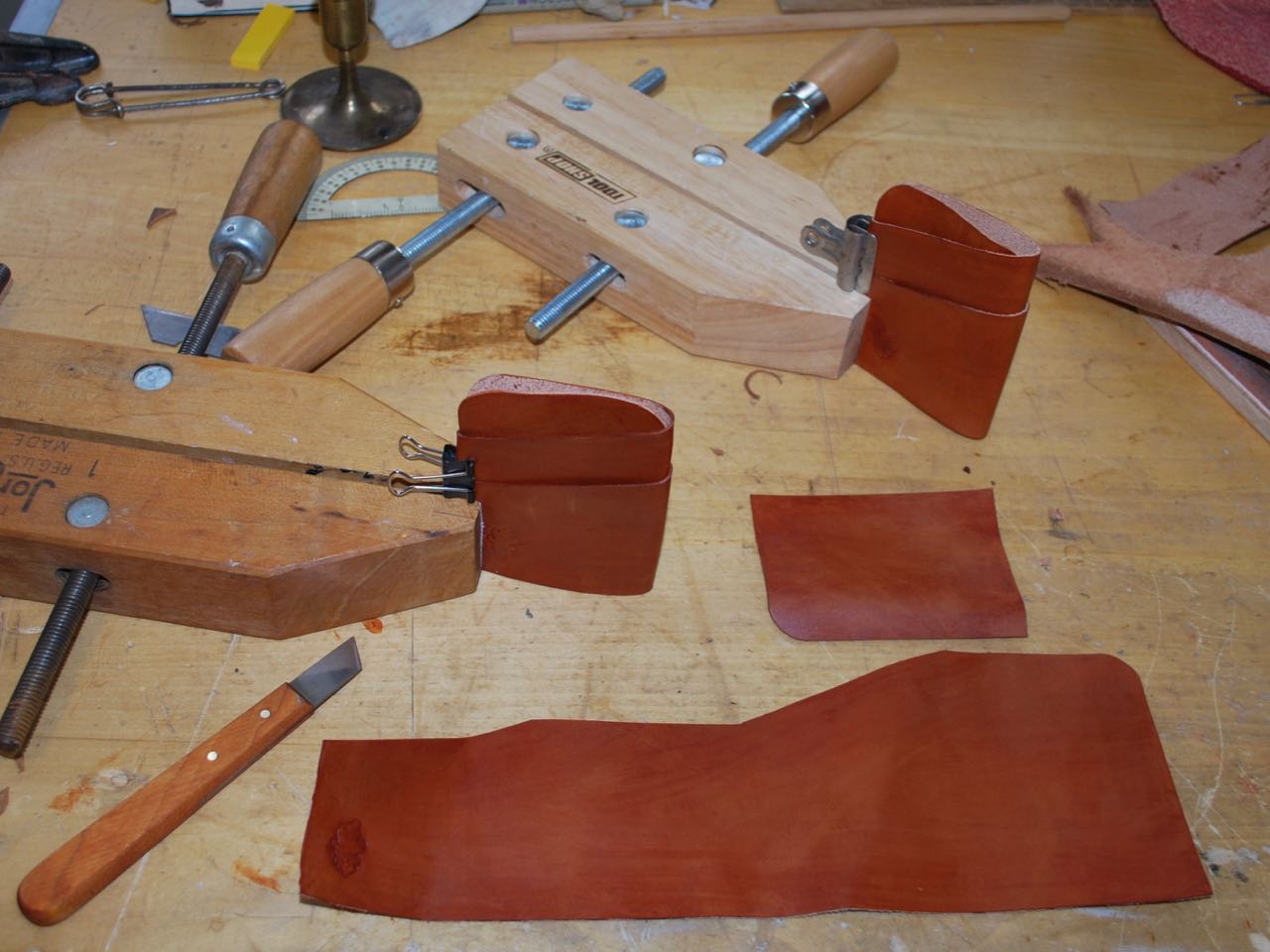
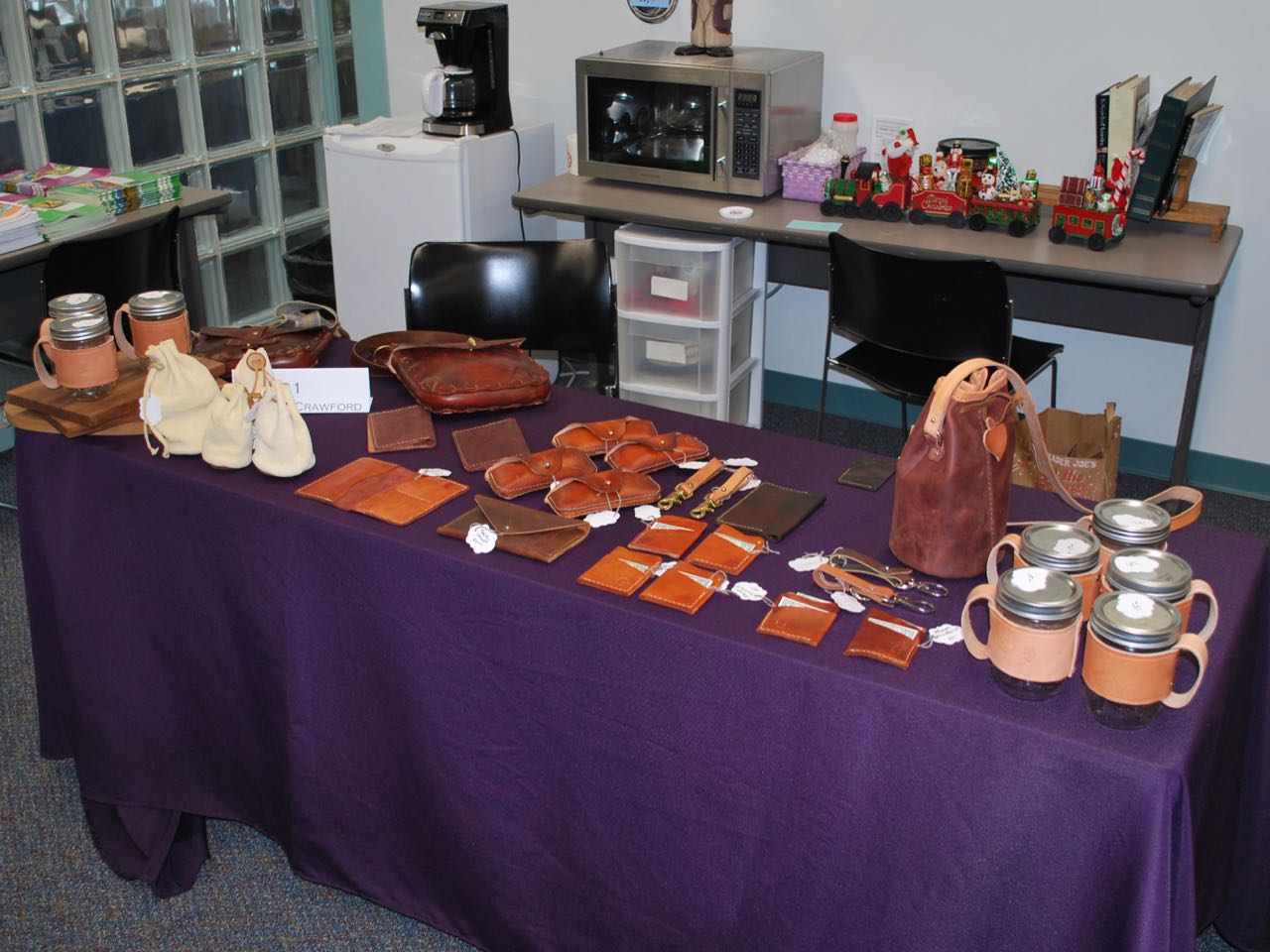
I thought I’d share a few bench photos leading up to the fair.
Three Million Views

I guess it’s time to celebrate…

Sometime yesterday this blog surpassed three-million views.  I am both astonished and grateful.  I have often thought of just shutting down the page as a closed chapter in my life but I do enjoy writing and sharing some of my nonsense with anyone out there in the wide world who wants to read.  It is often a conversation.

Honestly, I have no idea why this number should be a milestone, it just seems like a good excuse to celebrate on a cold a dreary day.

So, for everyone who has stopped by, read a bit, and maybe even given some feedback in the form of clicking “like” or commenting on a post, I thank you.  I have gotten to know quite a few people through these rambles and probably given away more of myself than I ever intended.

Your feedback is always appreciated.

Weaving Wagon

This is an excellent idea, especially for a skilled willow weaver.

If you need a bicycle wagon and can get a lightweight frame built, this seems to be a great, eye-catching option.  I suggest watching the short videos on their site as well.  I find their site somewhat difficult to navigate, but who am I to talk with all the clutter around here?

Here is a quick link to the video about the Weaving Wagon:

Click here for their full post  about the Weaving Wagon and I suggest looking around.  They have some neat stuff going on.

https://earthanddotcom.files.wordpress.com/2017/06/20170604_163142-collage.jpg?w=1000I think I would really love to have something like this.

Possibles Bag

Here is an update on the most recent possibles bag I have been working on:

The buffed leather reflects a lot more than I realized while photographing.

Sorry the photos aren’t so great but here is the description: Made from 7 oz (~3 mm) Hermann-Oak full-grain harness leather top dyed and antiqued Fiebings medium brown with a single patch pocket inside. It still needs a little edge detailing, waxing and buffing before it is truly done but that will happen later today.

The interior is natural but will darken with use and waxing.

Rustic, laced construction, unlined, 18th century “English-style” bag.  The main pocket is 8 x 8 inches (1.5 litre in volume), while the overall body length is about 12 inches. 

The edges are all burnished for a smooth and comfortable feel in hand. The thick oak-tanned will soften with time and use.

The eared shape is to keep the bag from riding around to the front or back of the torso during use. This leather will age nicely and will last longer than any of us with normal rugged use. 

All sewing is double needle free-hand saddle stitch.

1 1/4″-wide strap extends to about 56″ to fit the most well-padded or heavily coated hunter. Going out for trade in the next couple days.

A Leather Purse and Wallet

Here is a shop update on a couple of the many leatherworking projects undertaken lately.   I decided to use up all the leather I have been storing and put it to good use.  I have about 100 projects I’d like to make for myself but the Yule season is coming, gifts are expected in many quarters, and we have an invite to show our wares at a local crafts fair.  So, without further fanfare…

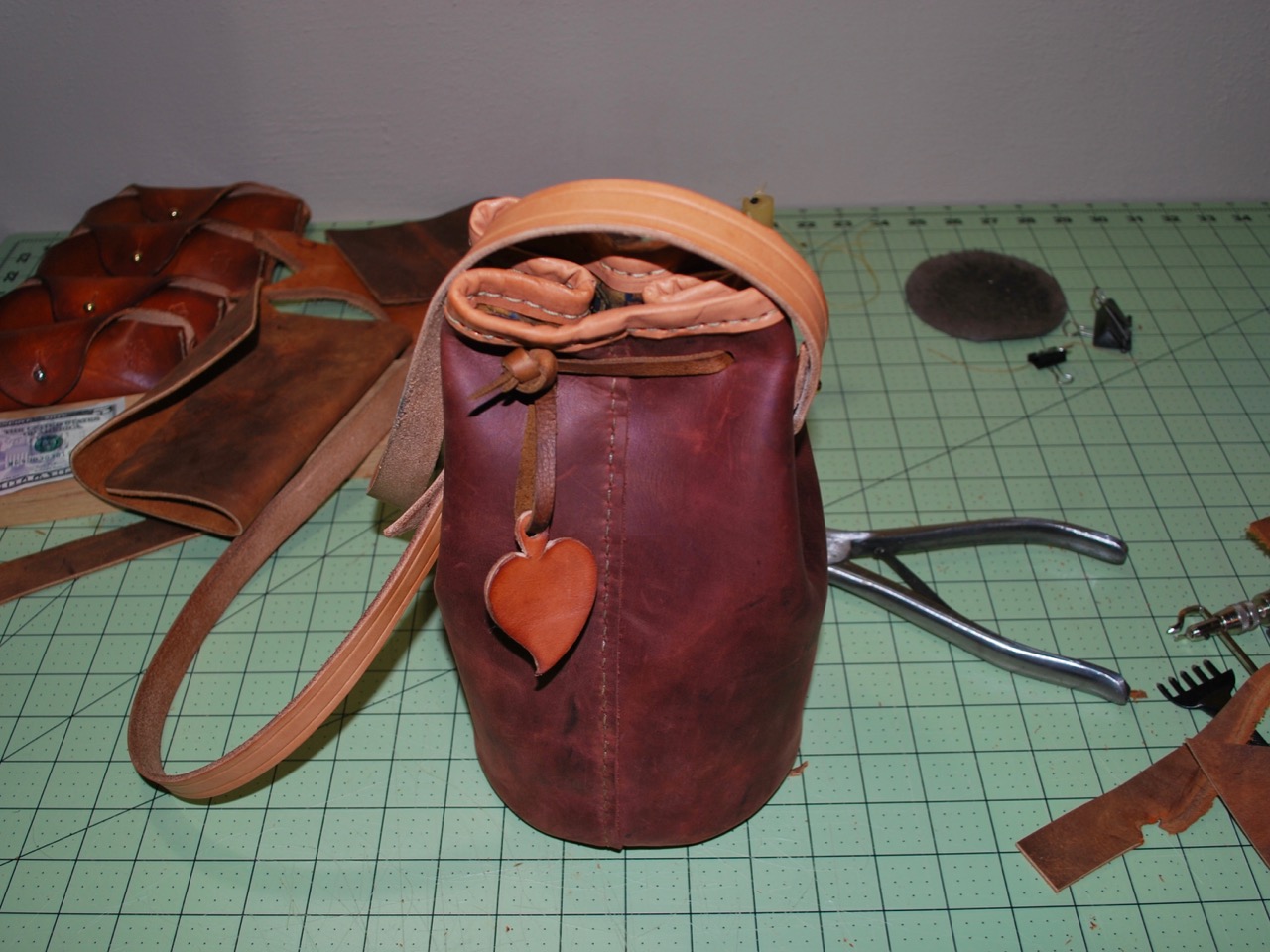
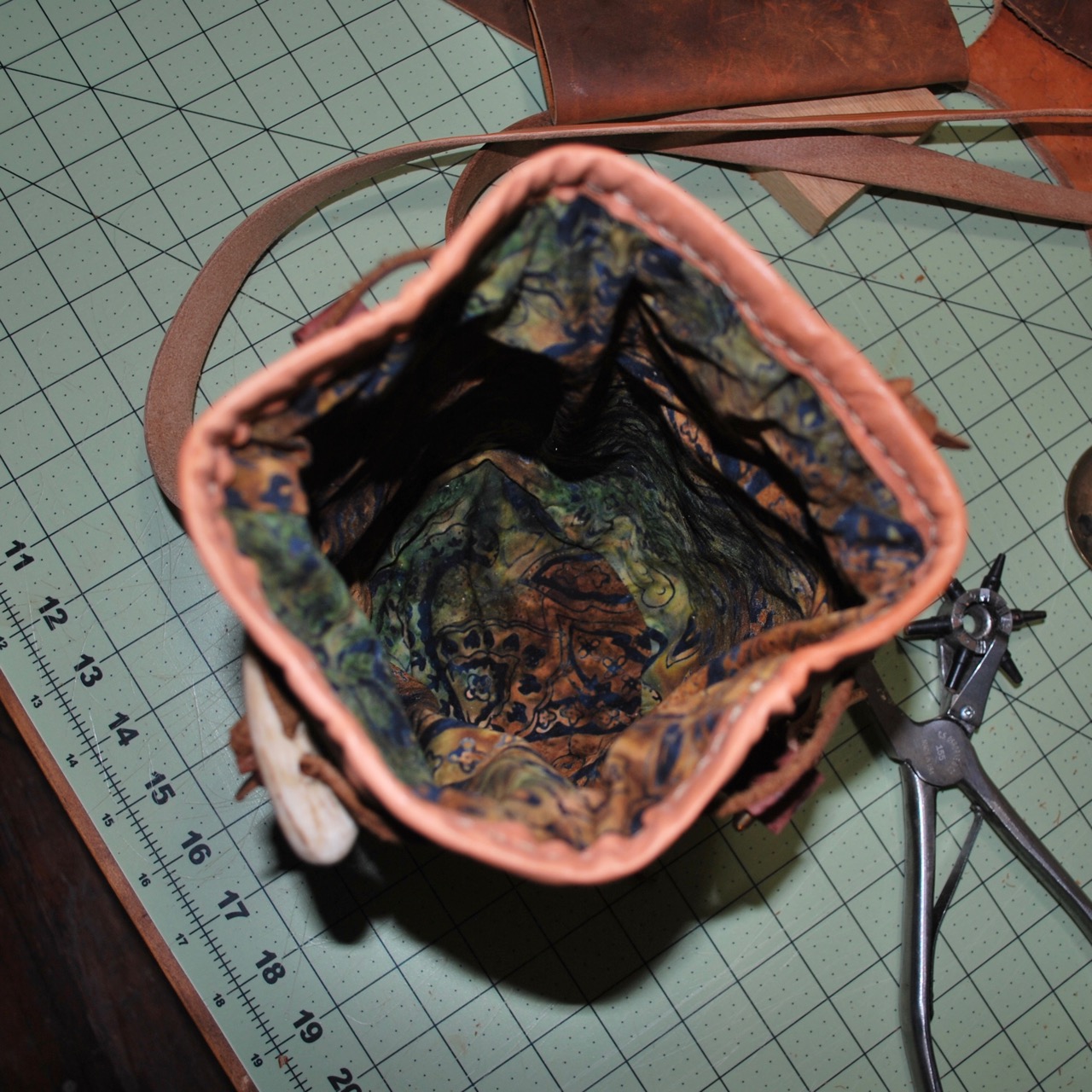
A waxed leather bucket-style purse. I hear these are the rage in certain groups now. I remember seeing many in this style back in the 1980s coming out of Morocco and Spain.
And I decided to make a few bomb-proof wallets of various designs to go with it.

A surprising amount of work can go into even a relatively small project like this.

Temporarily gluing the welt to the bottom.
Sizing the bottom to the side before sewing.
The exposed welt after sewing and turning the bag.
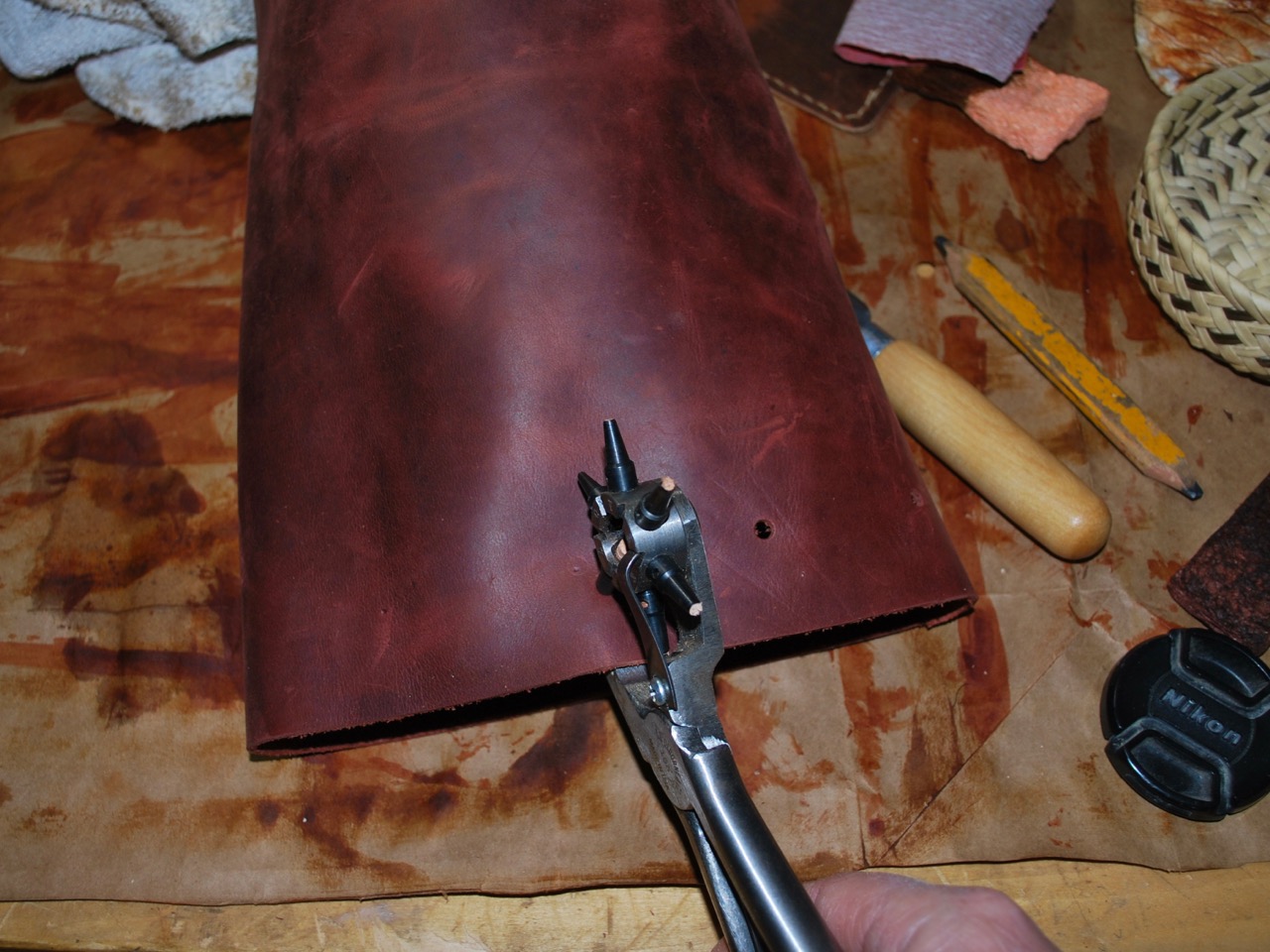
Marking and punching the holes. Tiresome for the hands.
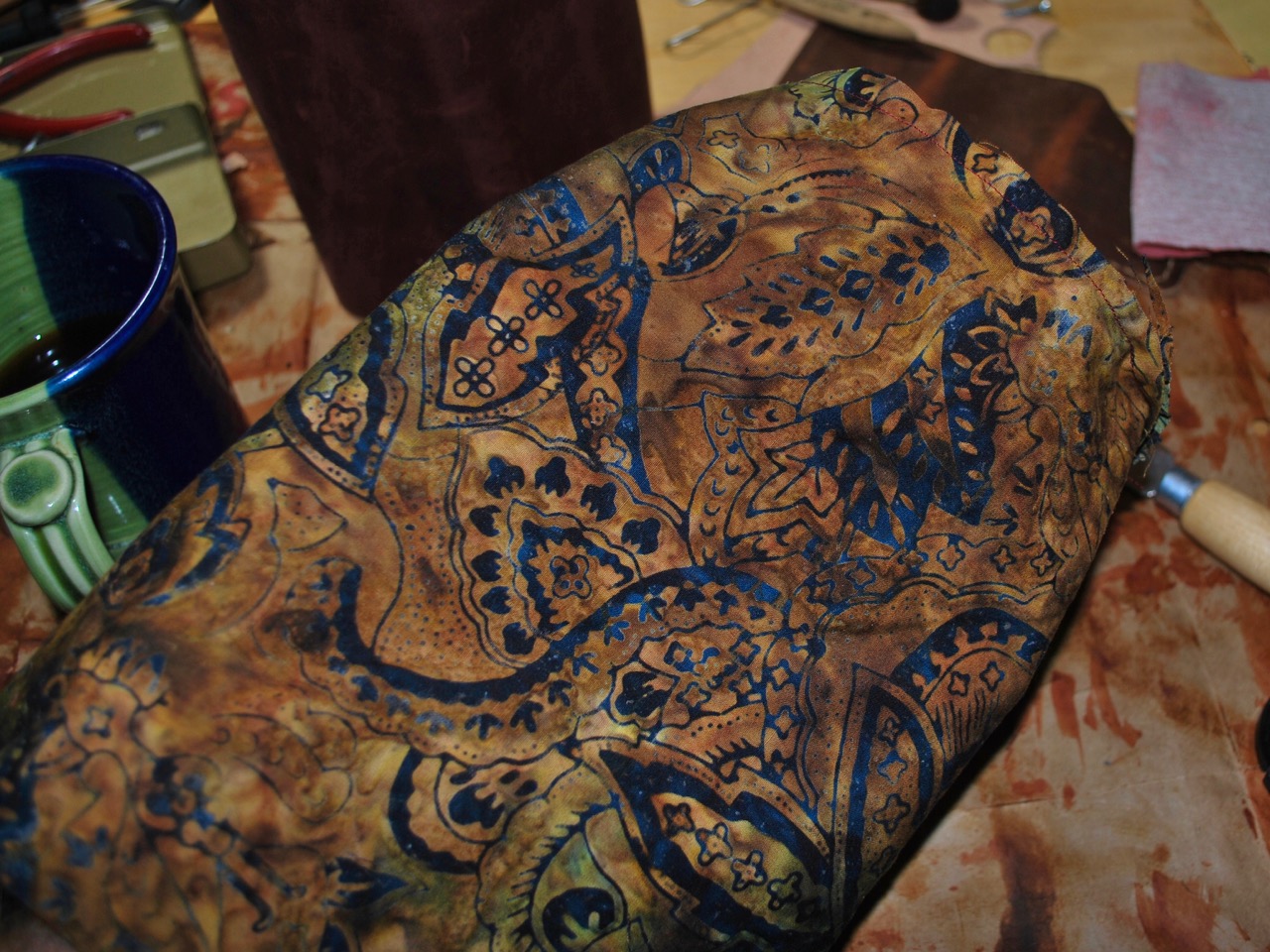
Choosing an appropriate lining; strong and beautiful.
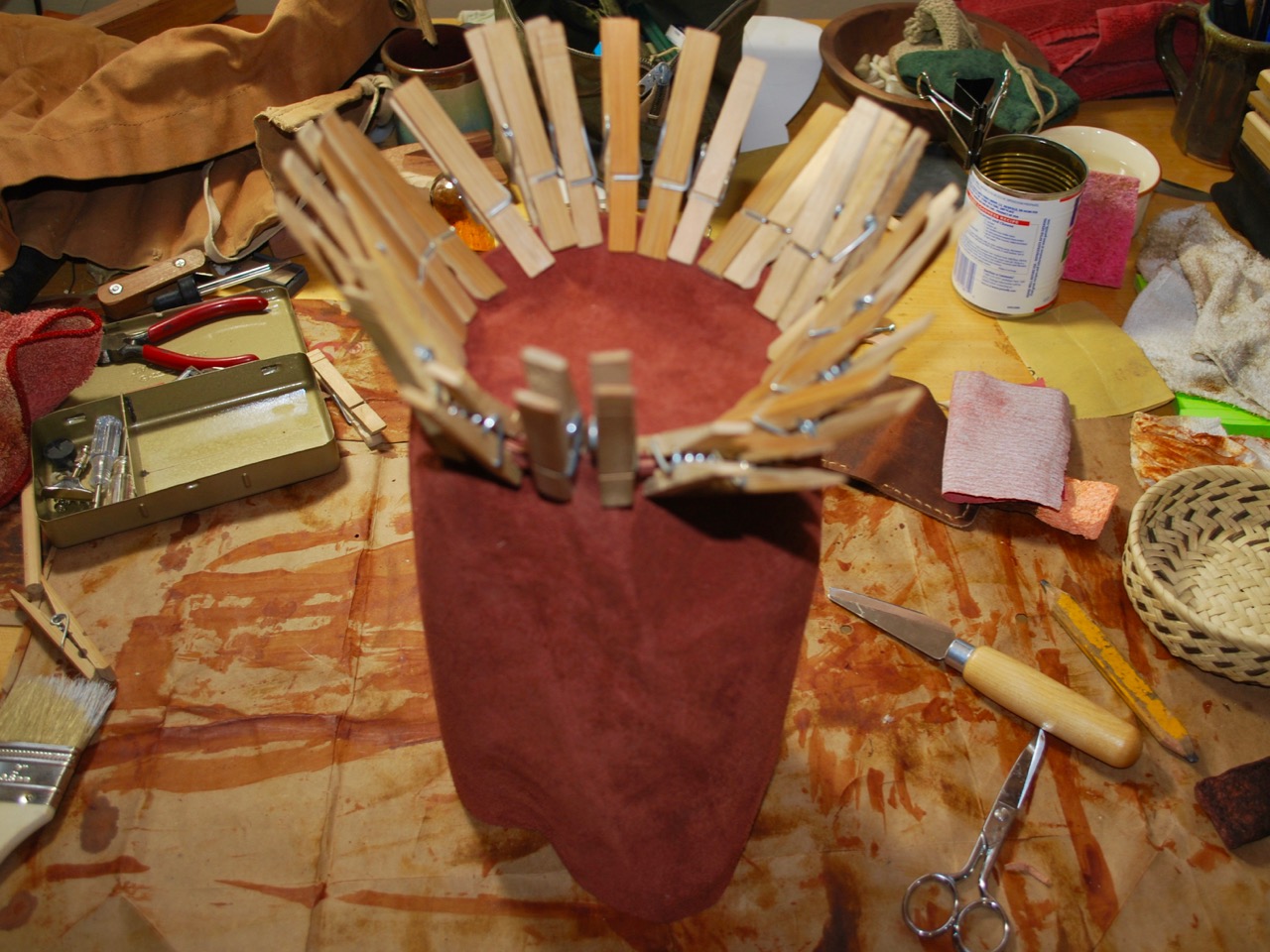
Drawstring added, holding the leather edge biding while sewing.
The ‘ears’ for holding the shoulder strap sewn on, strap attached, and it is done!
The antler toggle helps keep the bag secure and adds a bit of primitive flash.
Difficult to photograph, but the liner gives the bag some class and a feeling of “completeness.”
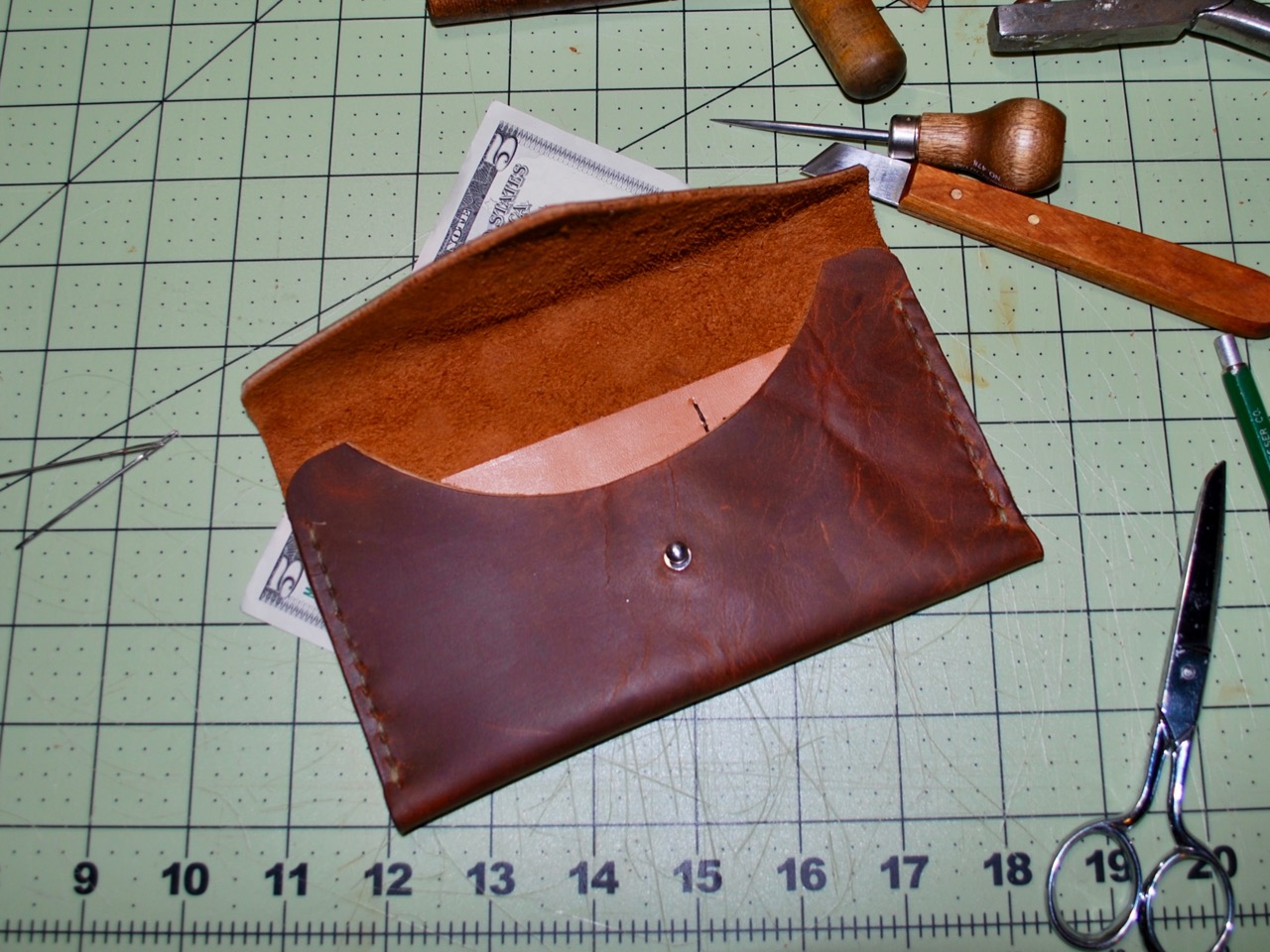
This is a new traveler’s wallet design. Three pockets, large capacity to hold money, cards, and passport.
This one might be a bit too small to hold a check book but not a lot of us carry those these days.
The button stud is a favorite closure of mine as it is simple and effective without the need for a large hole.
After a quick buffing, the wax shines up nicely. This one should last a lifetime.

Carrot Soup ~1819

Great little recipe.

Convivial Supper's avatarConvivial Supper

Carrot Soup Recipe.

Take a close look at this recipe and you’ll notice a small, but important, detail. A detail which may seem minor, but underscores the scope of genetic engineering, selective breeding, and the industrial food complex in altering our mental image of a carrot.

CarrotSoupRecipe_1819Source: American domestic cookery, formed on principles of economy, for the use of private families. 1819

More Fun Discoveries from Antique Cookbooks

View original post

The Appalling Case of the Diligent Scout Master

The dangers of being an outgoing Scoutmaster in the 21st century.  Please give me your thoughts on this or better yet, comment on the original article (or both).  I am very interested yet very skeptical of the modern professional Scouter.

LivingDubois's avatarLiving Dubois

Joe has no idea who reported him. It’s difficult to imagine anyone in town doing that. More than likely, some well-meaning visitor to the campground saw the empty kayaks floating downstream, and called 911.

As everyone in town knows (who has not been comatose, away all summer, or boycotting Facebook) that incident led the Boy Scouts of America to suspend our long-time Scoutmaster, Joe Brandl. The BSA has now denied his appeal.

It was a routine outing last May, a typical outdoors training exercise for the troop that Joe headed for many years. The Wind River was predictably high with the late-spring runoff of snowmelt, and some of the boys were tipped from their kayaks.

None of the scouts was hurt or even (in the other sense of the word) upset. This had happened before, and was hardly unexpected. Thanks to Joe’s guidance, they already knew what to do. In…

View original post 832 more words

Cavalry Saddlebags

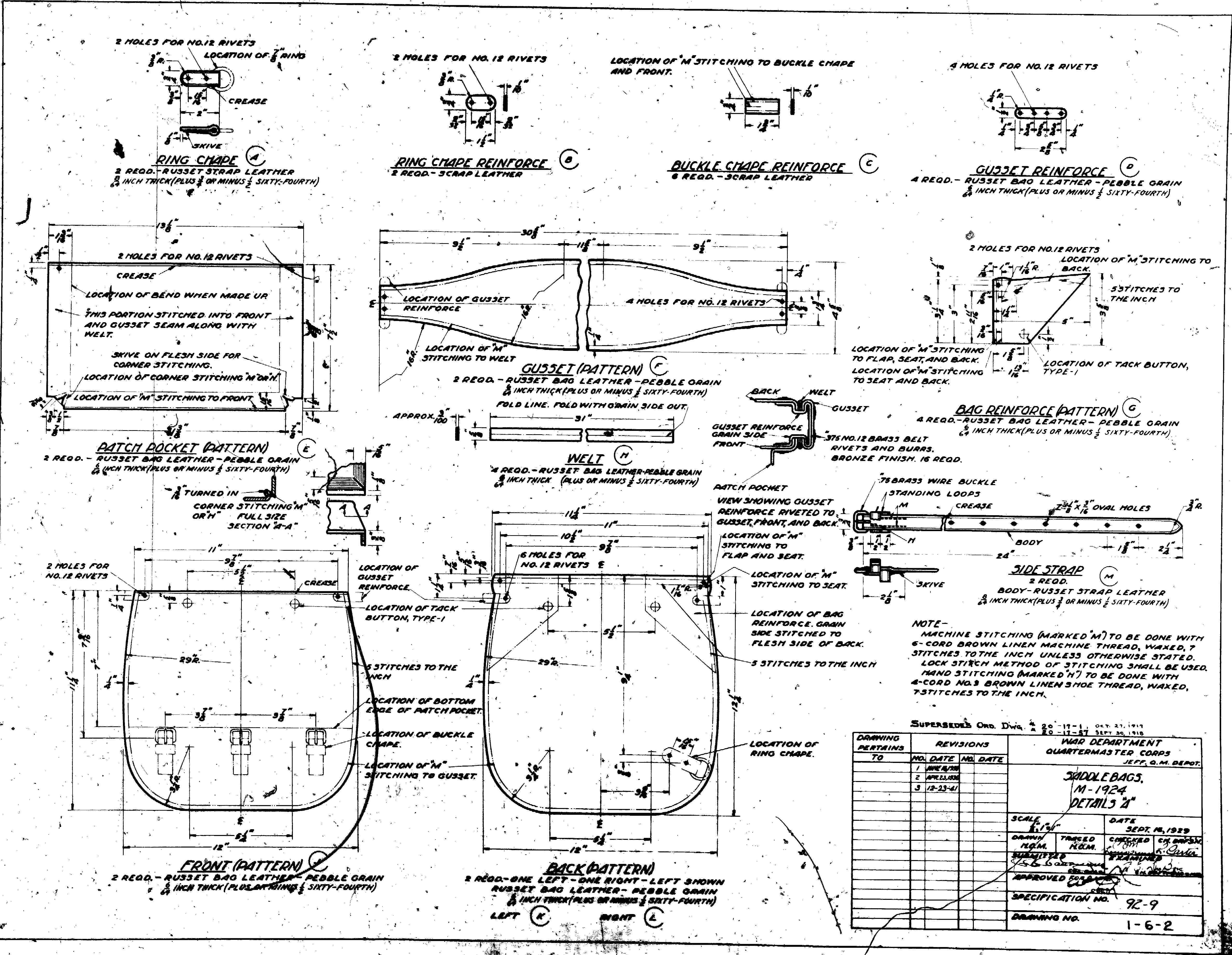
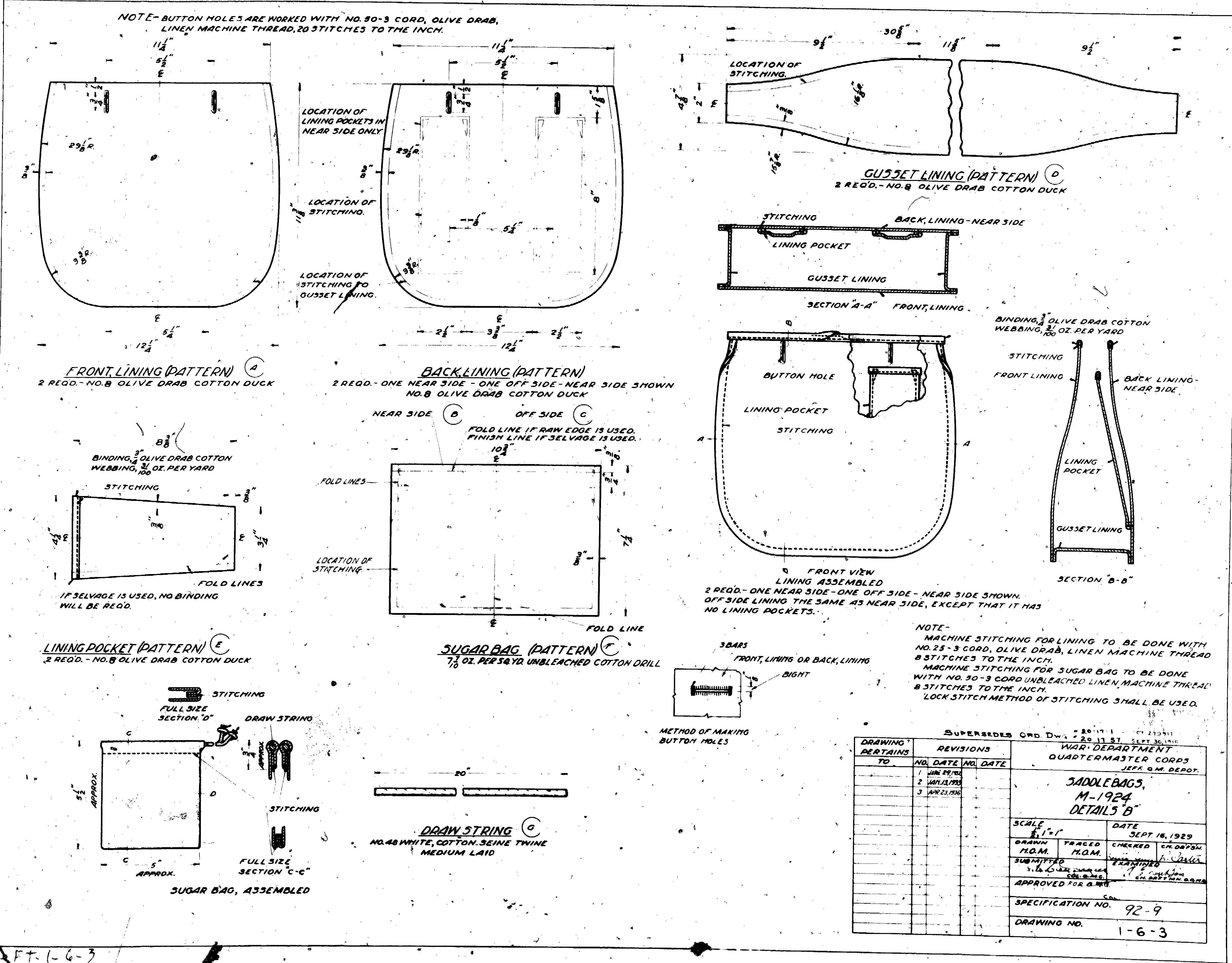
It isn’t cheap to find good saddle bags these days but excellent ones can still be made with a little time and dedication.  The U.S. Army M-1924 model is the culmination of a century of design improvements and feedback from real field use.  This model, in one form or another, saw  service across the West, through multiple wars, the staking of trails and the migration of a people across a continent.  Being a government contract item the design specifications are readily available through the General Services Administration.

Complex leatherwork projects depend on good plans and these are above and beyond perfect.

The plans are printable and can be scaled or drafted into patterns to transfer to appropriate leather; latigo or veg tanned.  Click the image for a full-screen version. Clicking again should provide oversized, printable versions for easy use and reading.

Even if you don’t own a horse, this design works well equally on a motorcycle or scooter and add a touch of class in any case.  Mine ride on a Vespa Super Sport.  I’ll share the Quartermaster version when I get them loaded.