Sheep Wagon

A friend spotted this nice little sheep wagon in Payson, Arizona recently.  It’s for sale for $6000 and appears to be in good shape.  Canvas cover looks fairly new.  It would be a decent cowboy camp if you had horses or burros.
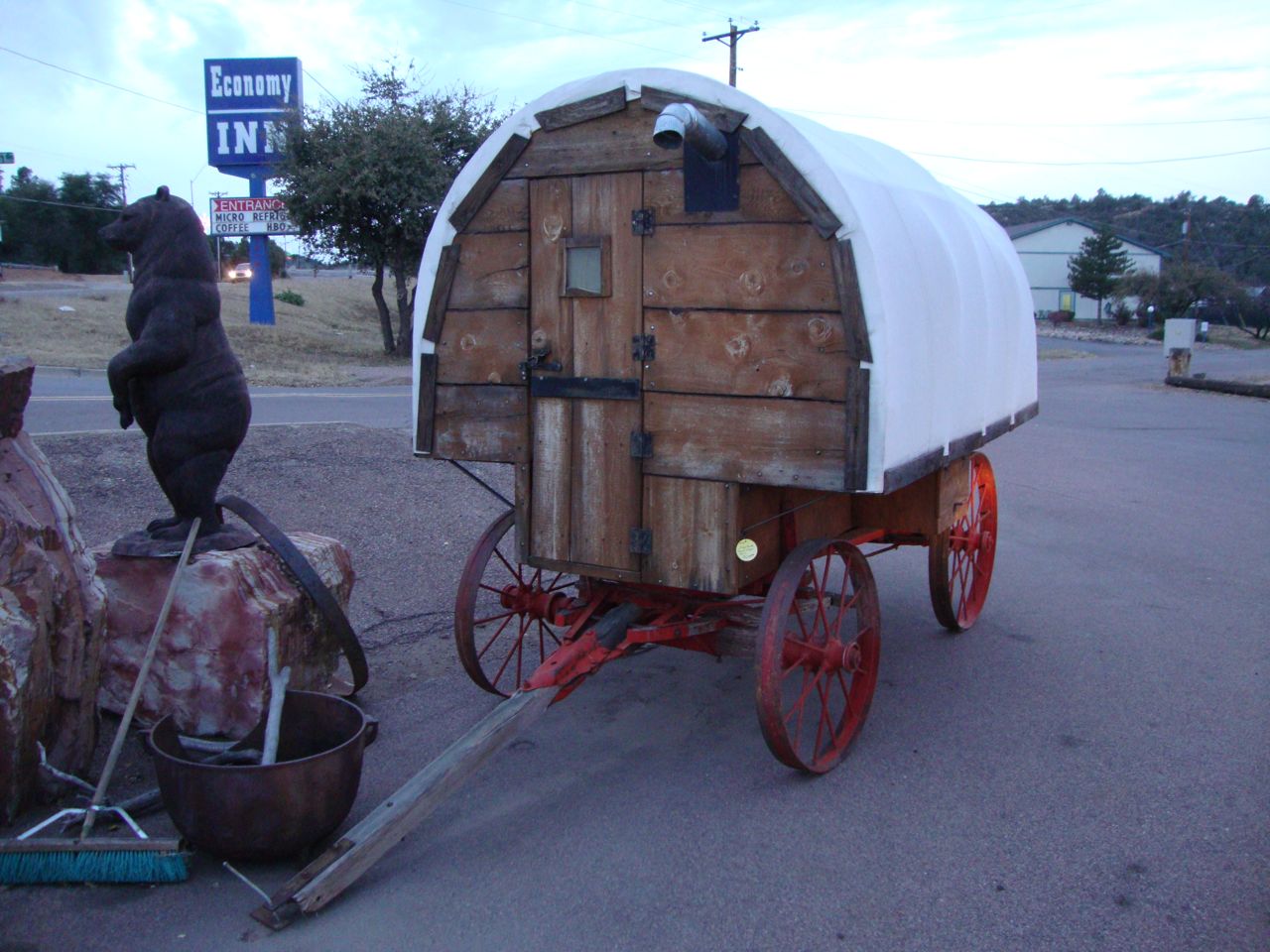
Running gear looks decent from the photo.
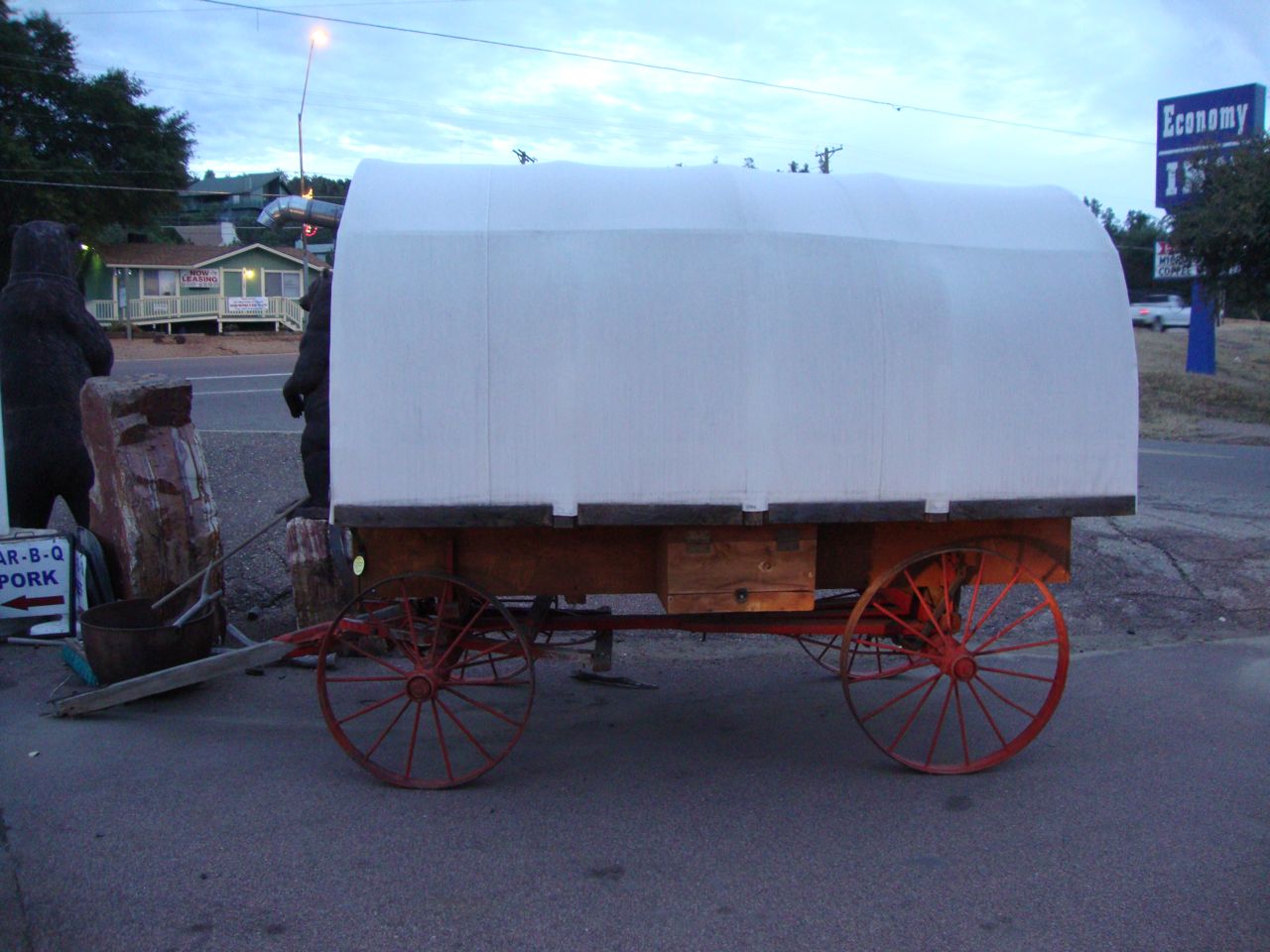
Side boxes and steel wheels.

Large rear window and kitchen box under the bed.
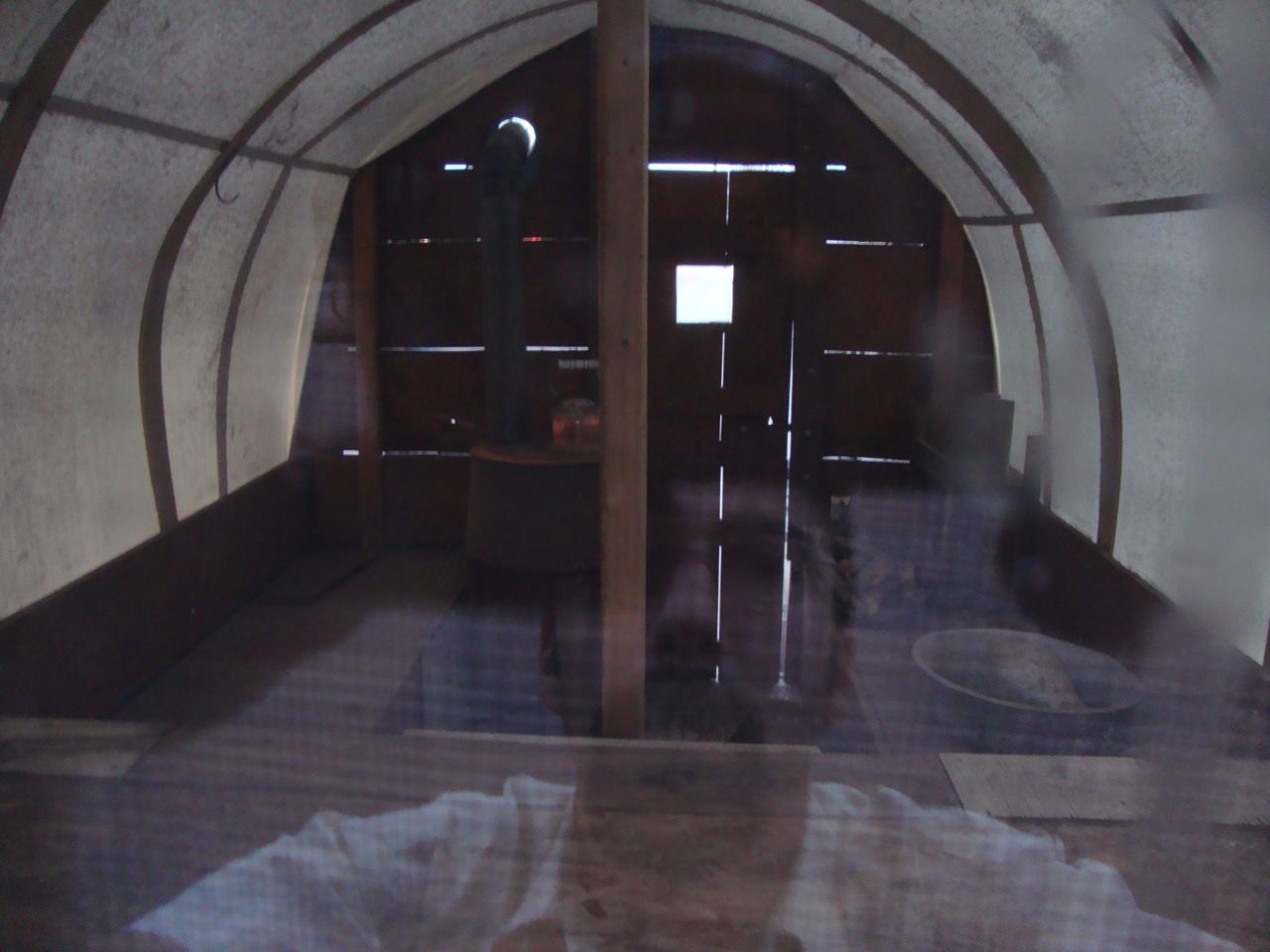
Rustic, but with a lot of great potential.

Spear Thrower

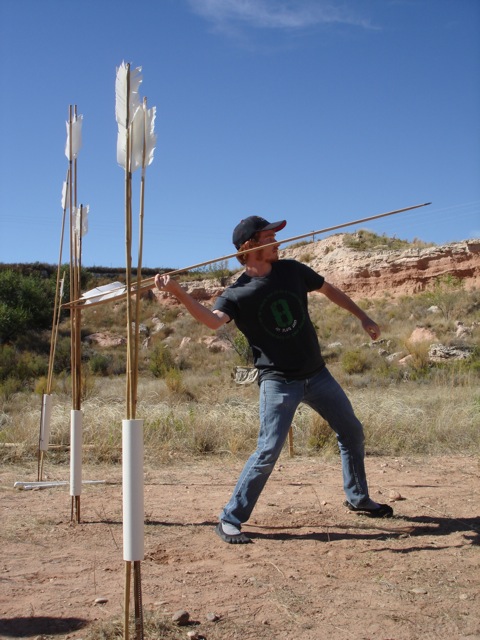
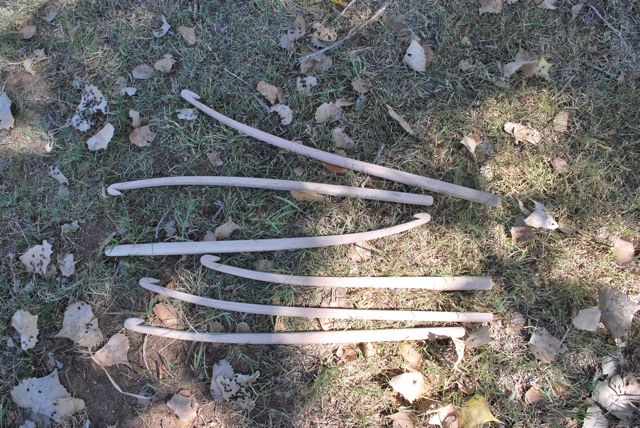
And in some spare time, I carved a spear thrower inspired by the an Old World Upper Paleolithic design.  This one is made from seasoned shagbark hickory (carya ovata) from my old farm.  It would certainly be handy as a multi-purpose tool to a hunter-gatherer and could easily serve as a club or throwing stick for small game.  At least some of the early ones were from more durable materials such as antler or ivory.

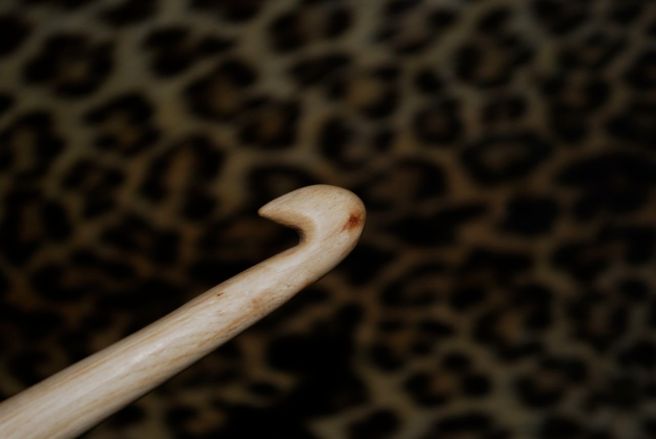
A close-up of the hook.  The thrower was burnished with bone to create a nice finish, then coated with walnut oil for protection.
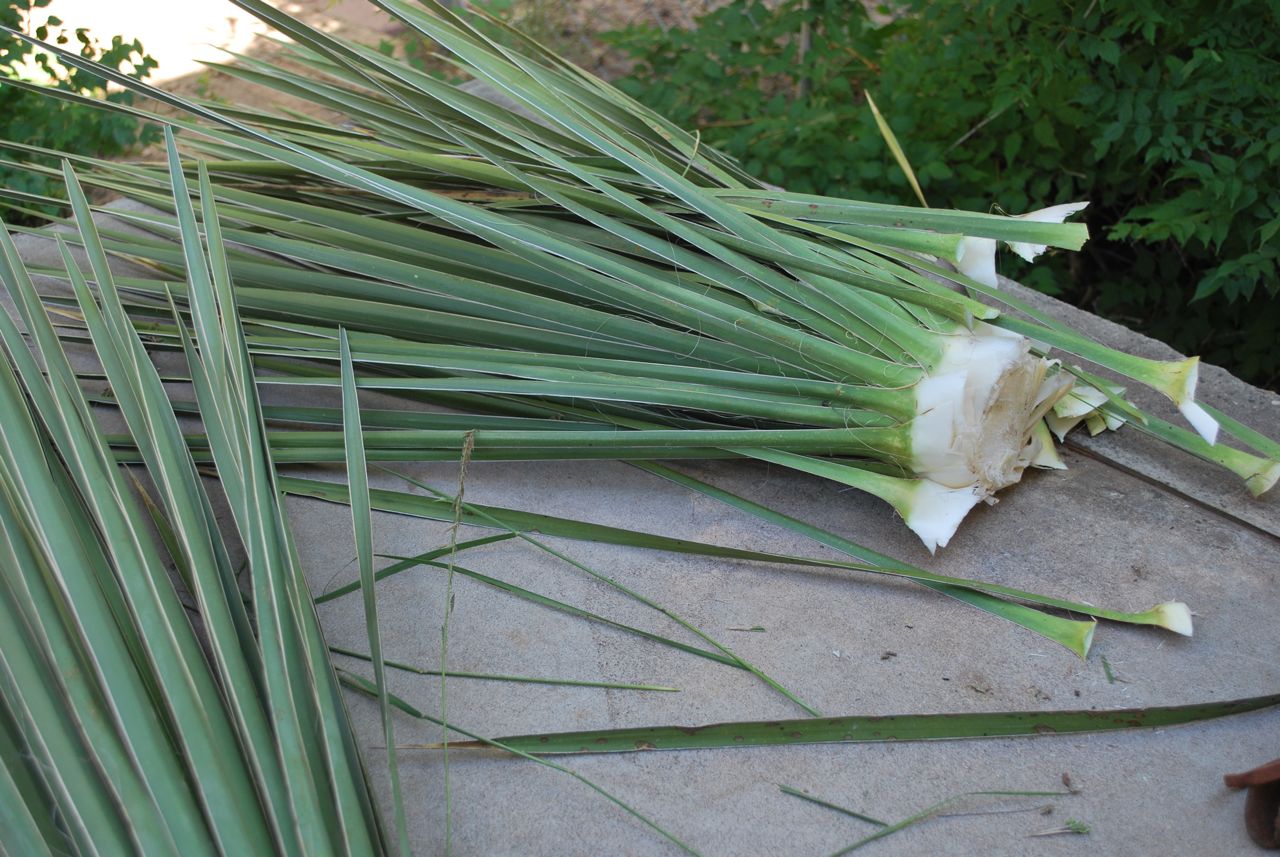
Yucca Sandals

Some new yucca fiber sandals.  One narrow leaf yucca, after processing, will easily yield one large pair of sandals and straps.  Ethnographically and archaeologically, we know this type was worn in northern Mexico, the American southwest, and California.  After wearing these and the plaited style, I think the loose fiber provides more padding for rough terrain and better protection against most thorns.

I still prefer my bison rawhide sandals for running and walking.  They provide more protection against sharp rocks and thorns.  However, the yucca are extremely quiet, especially on hard ground, and much easier to procure than bison.

This is a link to other shoes and sandals I have experimented with.  I will get more up in time.

Wooden Spear

I am double posting this from my professional blog because I think it is really remarkable.  A cave find from southeast New Mexico.

From time to time, we receive donations from private individuals.  After a few phone calls back and forth, I arranged to meet with someone who wanted to show me a dart she had found in a cave when she was young.  We have agreed to accept this remarkable find and intend to display it in the near future.  The preservation is beautiful, although it has apparently been handled over many years.  There was apparently a spear-thrower (atlatl) found with the dart but it was unfortunately lost in a house fire.

DSC_0006
Click the image for a larger version
DSC_0011
foreshaft separated


The foreshaft/point is hardwood and fits into a socket.  the hind shaft is split in order to contract when seized with sinew (still attached.  The barb is lashed on with more sinew.  I will put more description and better photos when I get time.

Ghillie brogues (shoes)

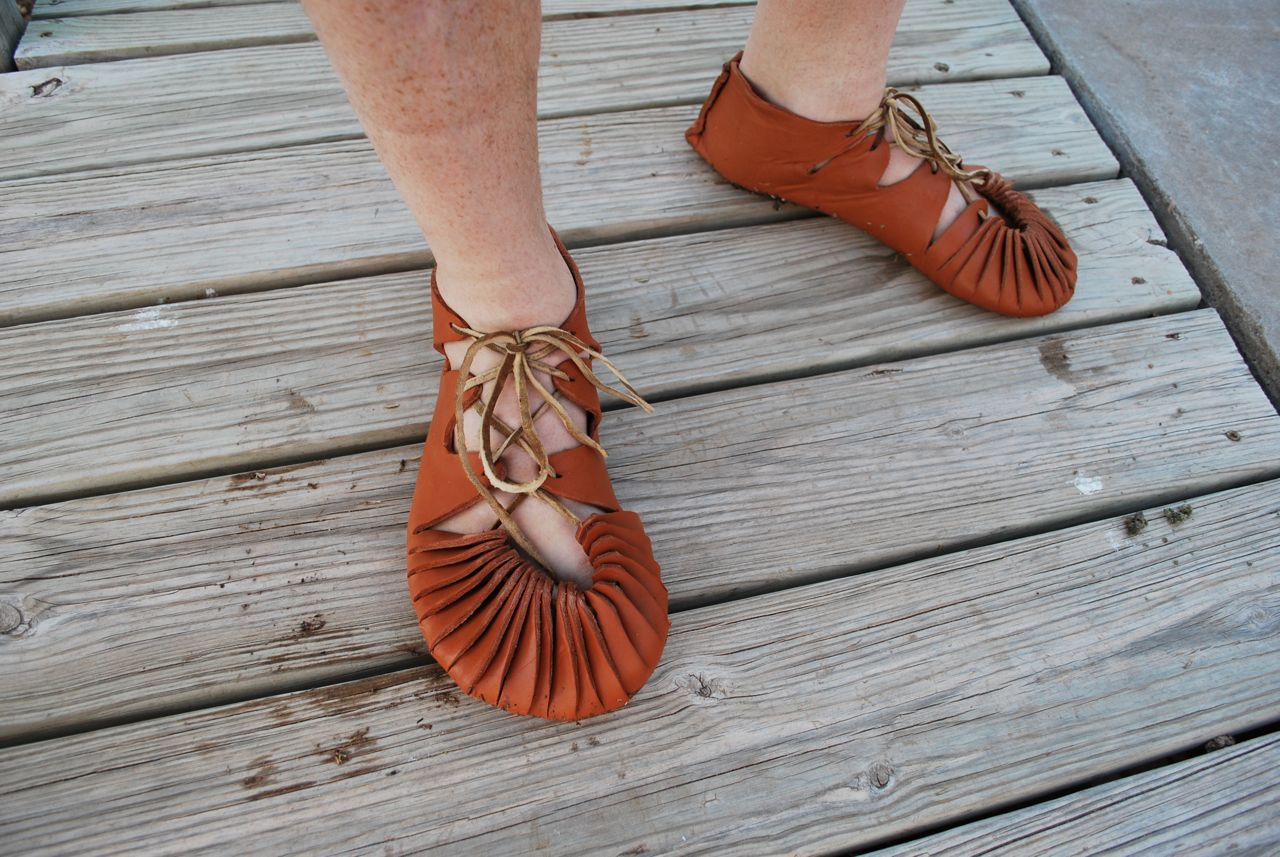
I am all about the DIY.  After making a pair of sandals for Winter Count this year (I arrived with only work boots) I got re-interested in making shoes.  I have made many moccasins for woods walking, especially when I was into mountain man and F & I re-enactment and decided to make some new ghillies.  I like these because there is almost no sewing and I think they are cool.  Much of Europe wore a variation of this theme for millenia.  I then took it as a veritable sign when I saw this on the Instructables web page: http://www.instructables.com/id/Viking_shoes/.  Even though these are listed as Viking style, I think they are commonly associated with their Celtic cousins in Scotland, Wales, and Ireland.  And they are very nearly the same as Roman carbatina.  Essentially, a basic European shoe.

I made a set of these many years ago with a little instruction from an acquaintance and they were great.  These new ones are a little more thought out and I will likely make a better pair based on what I learned here.  Click photos for larger picture.

pattern and finished

rear view
rear view

sewn heel
sewn heel

lacing the toe
lacing the toe

after wetting and shaping

drying before oiling

Save

Save

Basketmaker-Anasazi sandals

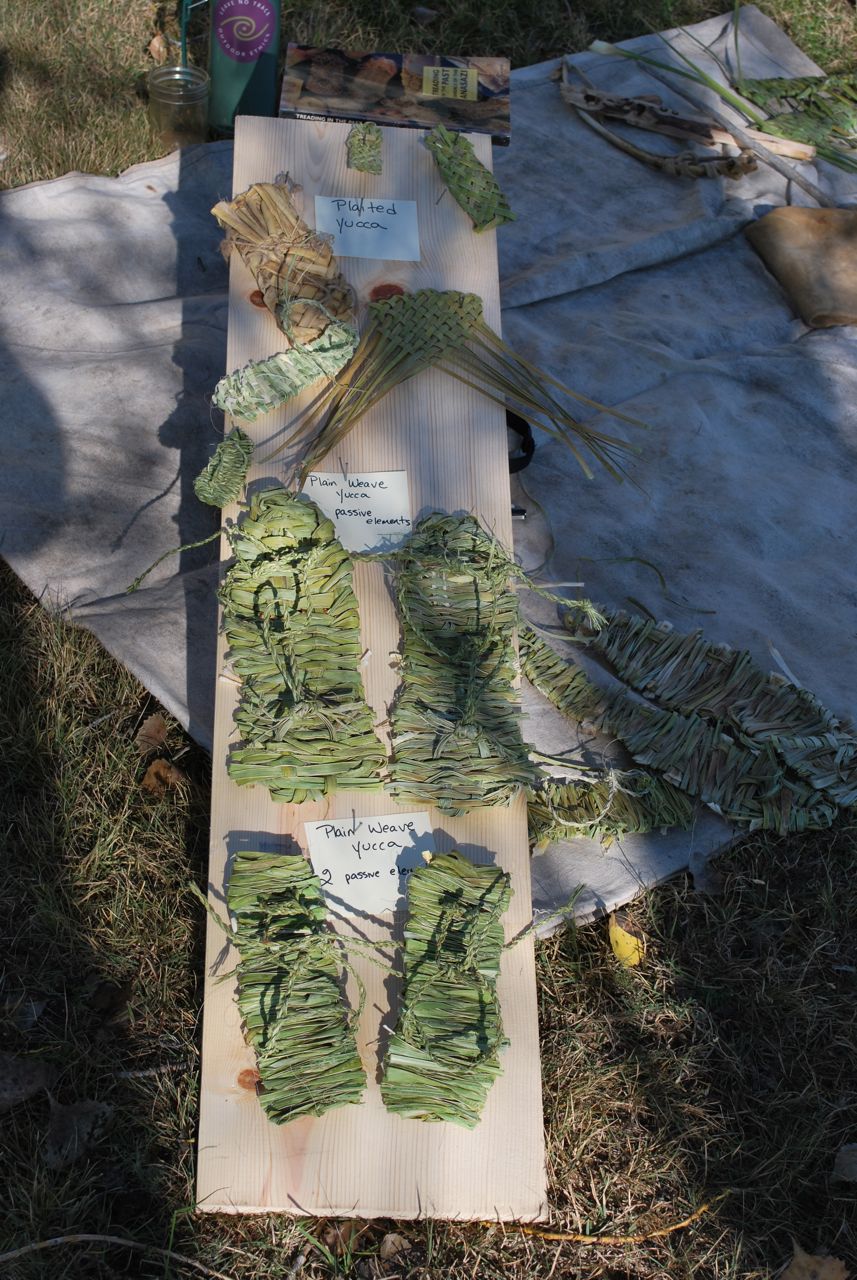
These are sandals constructed from the narrow-leaf yucca.  These designs are based on specimens preserved in caves.  These might not be much to look at but they are remarkably impervious to the many sines, spikes, and other poky things found in the deserts of the west.  These are two and four warp designs and the yucca is only slightly processed.  The leaves should be dried prior to use and then re-wetted just before weaving.  This prevents the normal loosening associated with shrinkage during drying.

dsc_0060

These are being diplayed at the Blackwater Draw atlatl and Primitive Technology day 2008.

dsc_0061

I intend to continue to research these and will try to compare types through use.