
The under-bed table being fitted. Made from poplar.
Adventures of an Imperfect Man In Search of a Handmade Life

The roof is on and covered in felt. I really wanted to get to this stage a week ago just in case the weather turned wet. I have been lucky so far but it is a milestone to have it done. The roof construction depends on two oak beams down the outside of each wall and eight poplar purlins on nine-inch centers inside. This keeps the roof structure light but relatively stiff. The bent plywood further stiffens the entire structure and makes it feel rock-solid. More photos here.

For the roof covering… I have long debated with myself over a traditional canvas roof or using metal. Both have advantages and cost is similar for each. I will decide in the next few days.
The nice weather has made it possible to do a little more on the vardo today. I hope to sneak some time in around work this week if I can.

Newest addition…
Finished a new bow as a gift. An unusual Osage orange wood that didn’t have the yellow-orange pigmentation. I am only certain that it is Osage since I cut it down myself. This is the first bow from the tree. It doesn’t seem quite as hard as regular Osage (but still very dense) and took a minor set after a couple days shooting. Otherwise it is a sweet bow. Fast but fairly smooth at a draw weight about 35# @ 28″. Made for a teenage shooter.
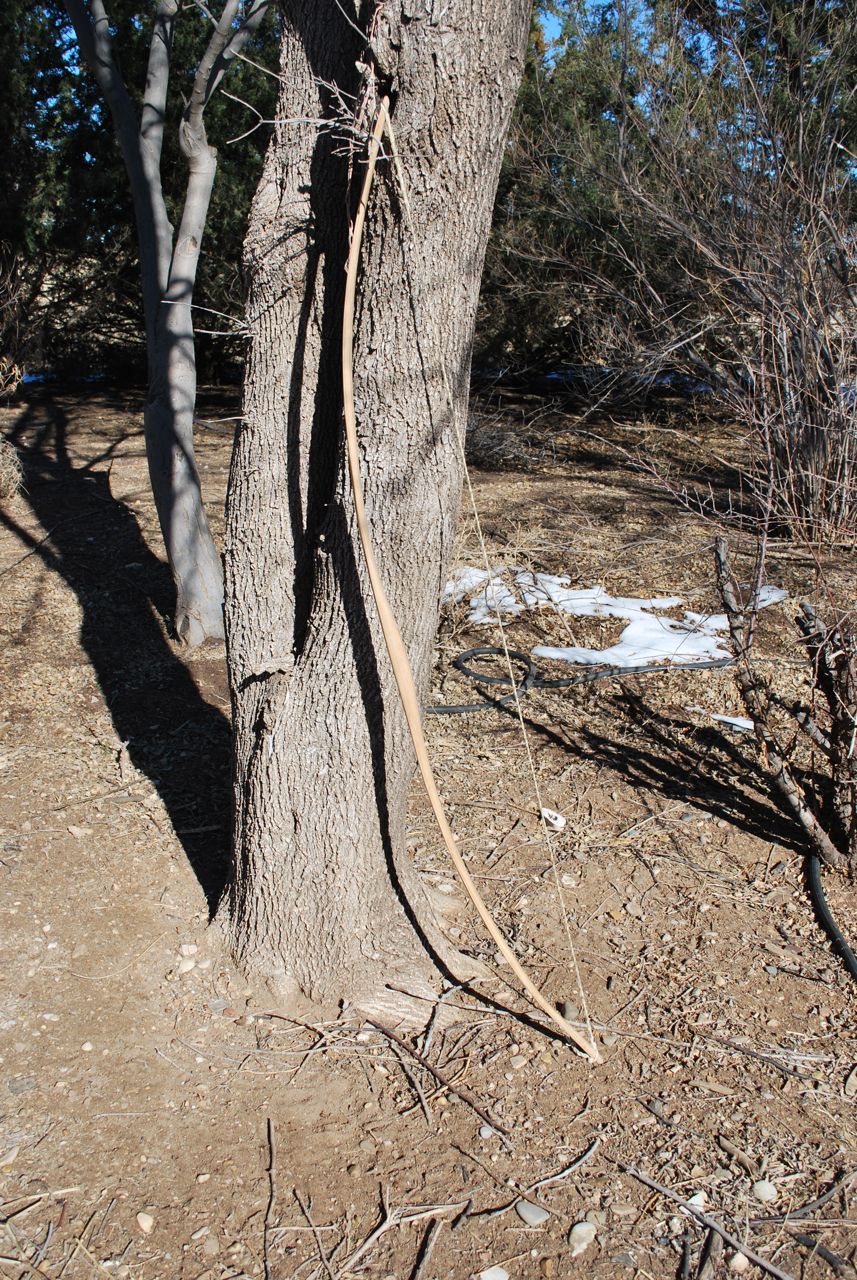
Bows are very difficult to photograph but this one shows a nice curve to the tiller that maybe another enthusiast can appreciate.
The stave has a little kink to it and a slight “S” twist end-to-end centering the string at the mid-point. Construction is basically a traditional English target longbow design with a low “D” cross-section.
More photos are now available on the Rabbitstick page within the Primitive Gatherings section of this blog. I will keep adding photos of older events as I get time.
I have returned from Rabbitstick 2009 and will upload some photos of the event. For those who don’t know or just stumbled into this page, this event is a gathering of people who are seriously interested in primitive technology. Its a place to learn, teach, and exchange ideas on subjects not easily found elsewhere. Photos from past Primitive Technology events are posted here.
This is a view of a beautiful skin-on-frame kayak made by Kiliii of Dancing Hawk.

I am double posting this from my professional blog because I think it is really remarkable. A cave find from southeast New Mexico.
From time to time, we receive donations from private individuals. After a few phone calls back and forth, I arranged to meet with someone who wanted to show me a dart she had found in a cave when she was young. We have agreed to accept this remarkable find and intend to display it in the near future. The preservation is beautiful, although it has apparently been handled over many years. There was apparently a spear-thrower (atlatl) found with the dart but it was unfortunately lost in a house fire.


The foreshaft/point is hardwood and fits into a socket. the hind shaft is split in order to contract when seized with sinew (still attached. The barb is lashed on with more sinew. I will put more description and better photos when I get time.
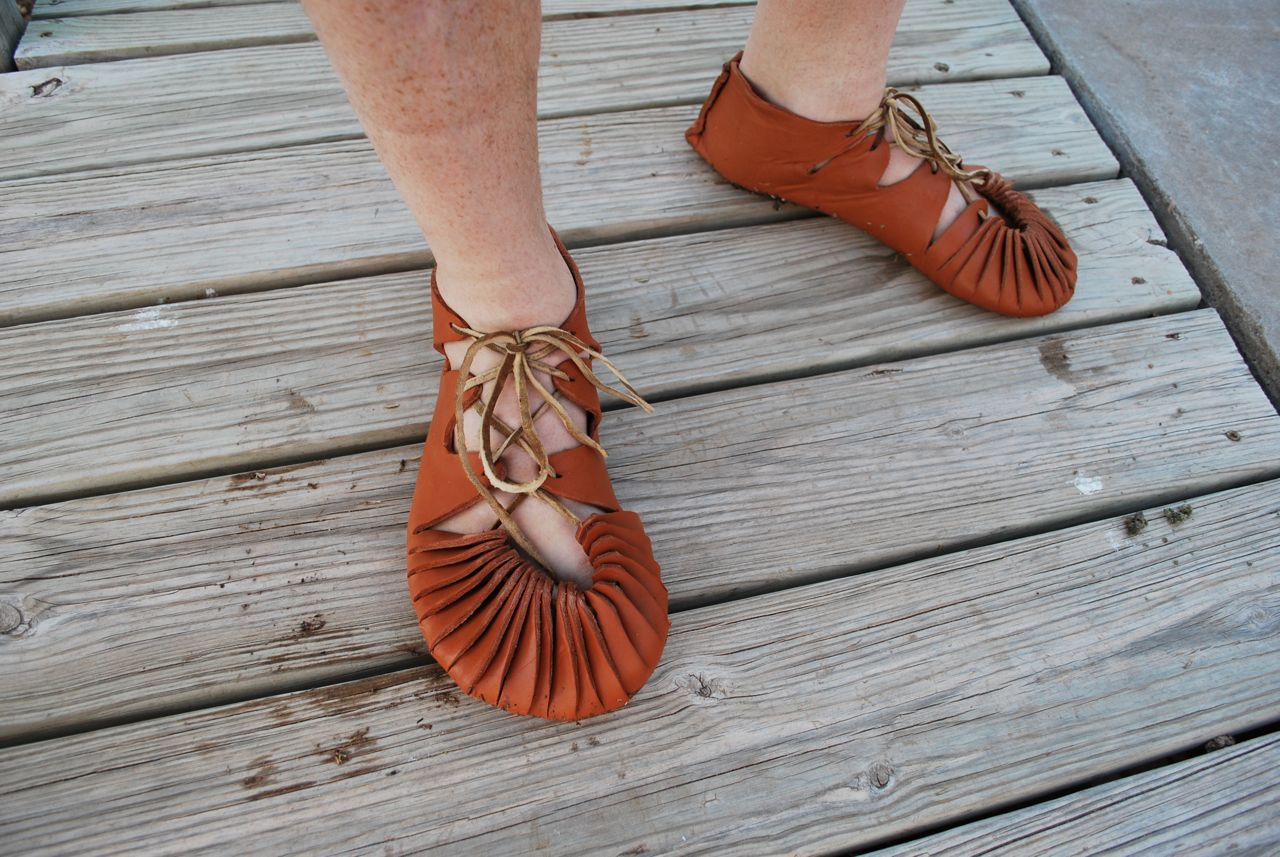
I am all about the DIY. After making a pair of sandals for Winter Count this year (I arrived with only work boots) I got re-interested in making shoes. I have made many moccasins for woods walking, especially when I was into mountain man and F & I re-enactment and decided to make some new ghillies. I like these because there is almost no sewing and I think they are cool. Much of Europe wore a variation of this theme for millenia. I then took it as a veritable sign when I saw this on the Instructables web page: http://www.instructables.com/id/Viking_shoes/. Even though these are listed as Viking style, I think they are commonly associated with their Celtic cousins in Scotland, Wales, and Ireland. And they are very nearly the same as Roman carbatina. Essentially, a basic European shoe.
I made a set of these many years ago with a little instruction from an acquaintance and they were great. These new ones are a little more thought out and I will likely make a better pair based on what I learned here. Click photos for larger picture.



I’ve been making folding camp furniture. The stools are sometime called “pea-pickers”. They were somewhat difficult to figure out without a plan but some photos of others and experience making other furniture helped.
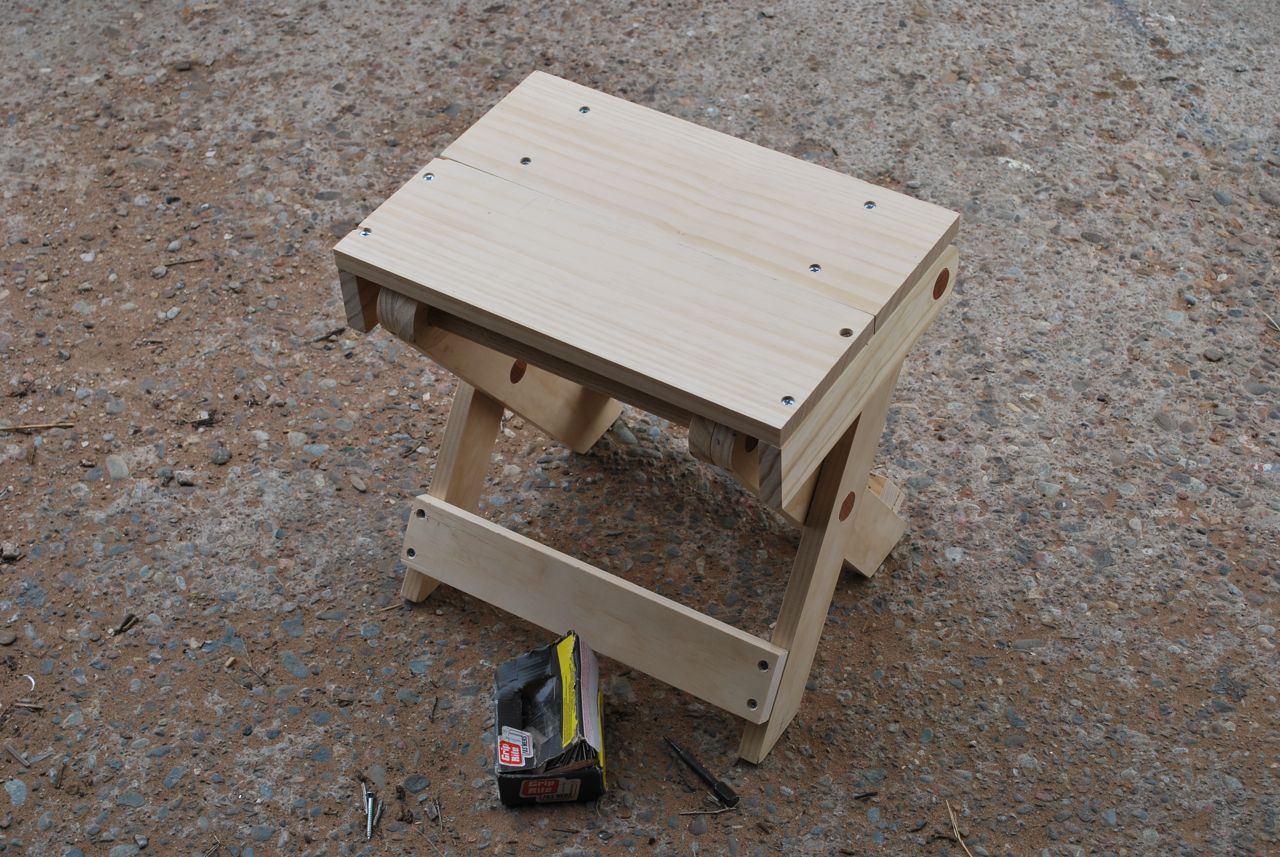
They’re not as easy to make as I thought they would be. The holes must be very precise and dowels tight-fitting. If everything isn’t square and precisely cut, the stool just doesn’t work.
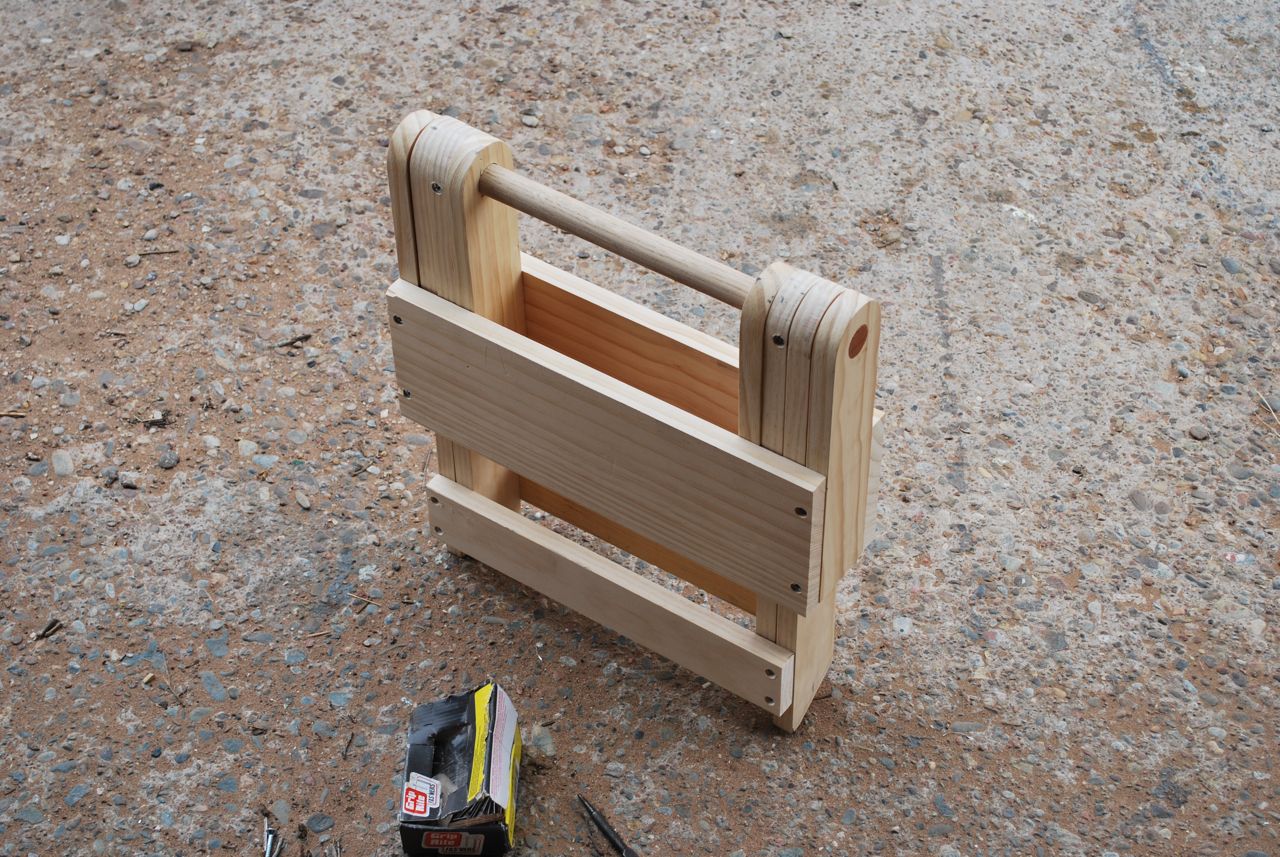
This is their beauty. They fold flat and have an integrated handle. They can be made just about any size and out of any straight lumber. My first one is made from scraps from around the workshop. These later ones are from premium pine.
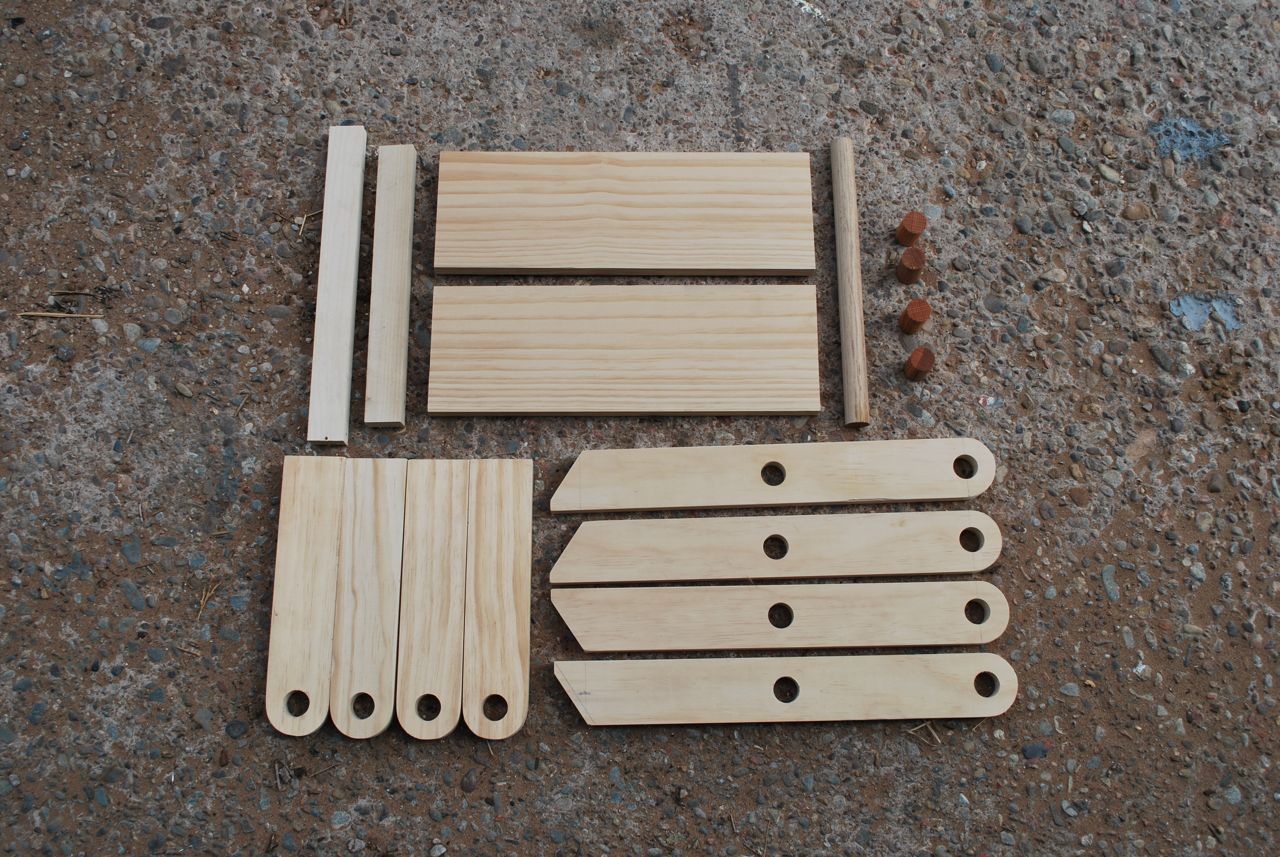
Seventeen pieces, twelve holes. Stick ’em together. Sit. Mine are sturdy enough to use as a step stool, with some caution due to the narrow width.
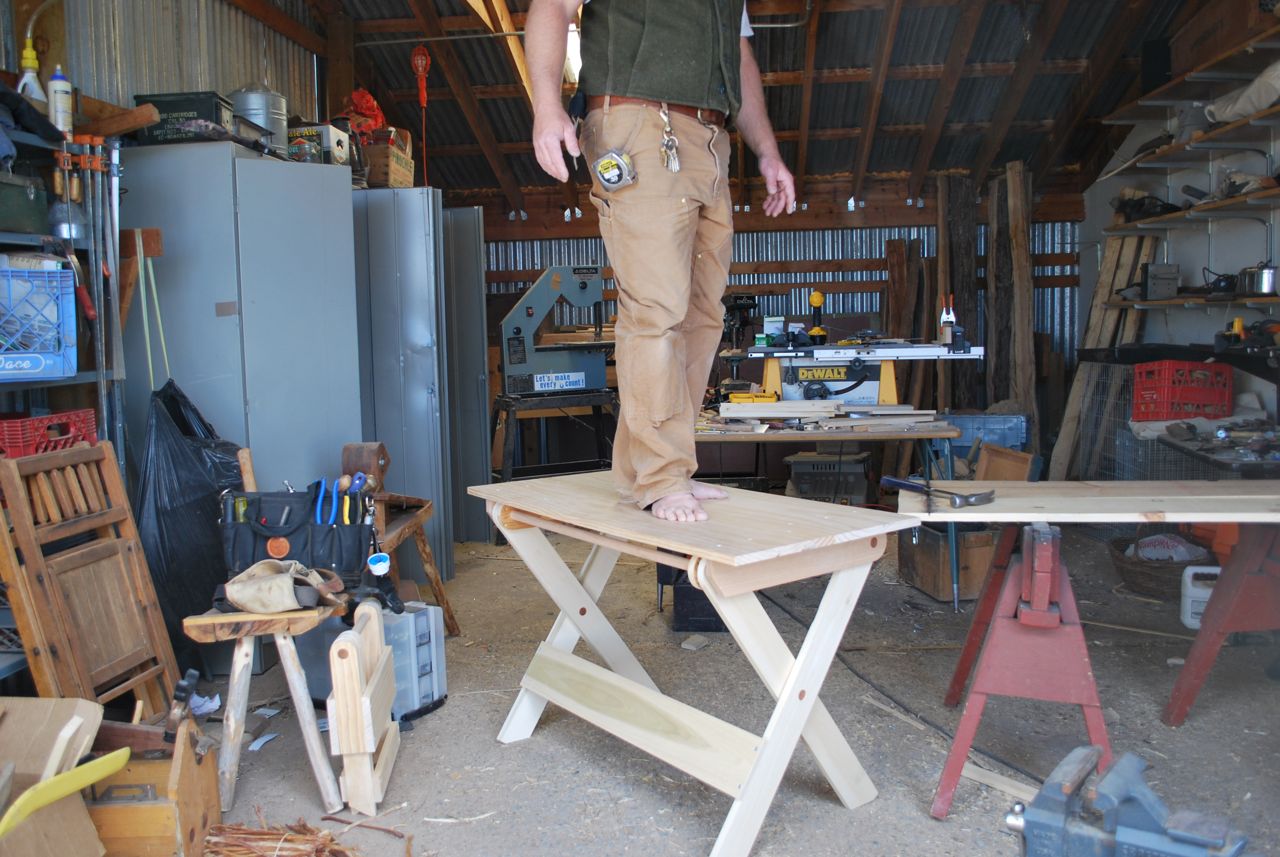
A table of similar construction. The top is about 22 x 46″. I made it 2 inches lower than a standard table to fit the stool height. A combination of pine, poplar, and oak. Definitely strong enough if it is well-fitting.
Winter Count was another highlight of the year for me. We met some new people and renewed friendships with old. I have put up some of the photos on the web page this week.
 Preindustrial Craftsmanship