Makers to the Rescue

Makers, Dreamers, Builders, and Inventors, Unite:

reflections on saving our world

“Perpetual devotion to what a man calls his business, is only to be sustained by perpetual neglect of many other things. And it is by no means certain that a man’s business is the most important thing that he has to do”  Robert Louis Stevenson.

Coup_de_poing_acheléen

Humans are, by nature, makers of things.  That’s how we deal with the world…  or did, until the Industrial Revolution tore us away from our connection with the earth.  Somebody is still making all the stuff, of course, its just outsourced and corporatized,  repackaged, and branded.  Strangely, the stuff that should last, like clothes, housing, or tools are generally poorly made and often unfixable while the junk that should be disposable is made from plastics that will endure for a geologic age or poison our descendents.  But maybe, with a little effort, it doesn’t have to be this way.
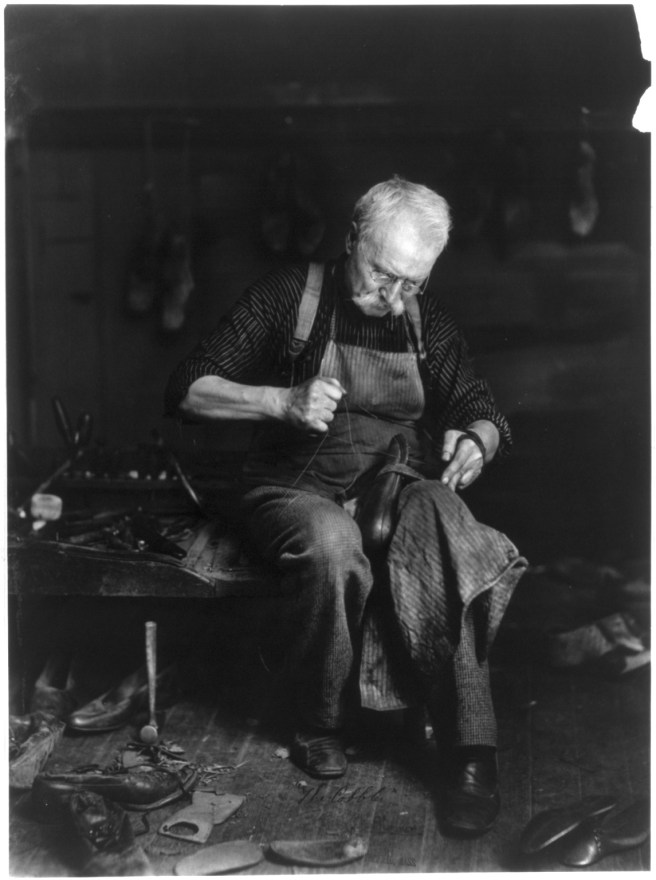
TheCordwainer

Today, instead of procuring our needs directly or through someone we know, we trudge off into an abstract man-made environment to be treated as children and told to perform an obtuse task or two or twenty.  And in exchange for giving up our time, we get slips of paper (or more likely, digits only readable to a computer on a plastic card) that confirm that we have performed our work and are now in a position to gather food, shelter, clothing, heat, etc. from a middle-man where profits are almost never seen by the makers.

FullApron
Hand Crafted Apron from THOSE WHO MAKE.

Creating things like fire, rope, or cutting tools, not to mention shoes or housing will baffle most modern people.  Weaving a blanket, sewing a shirt, or butchering an animal are simply out of the question for most of us in the western world.  Many of these activities will get you strange looks at best or a call to the authorities at worst.  This mindset means that most of us can’t feed or cloth ourselves any longer even if we really want to.
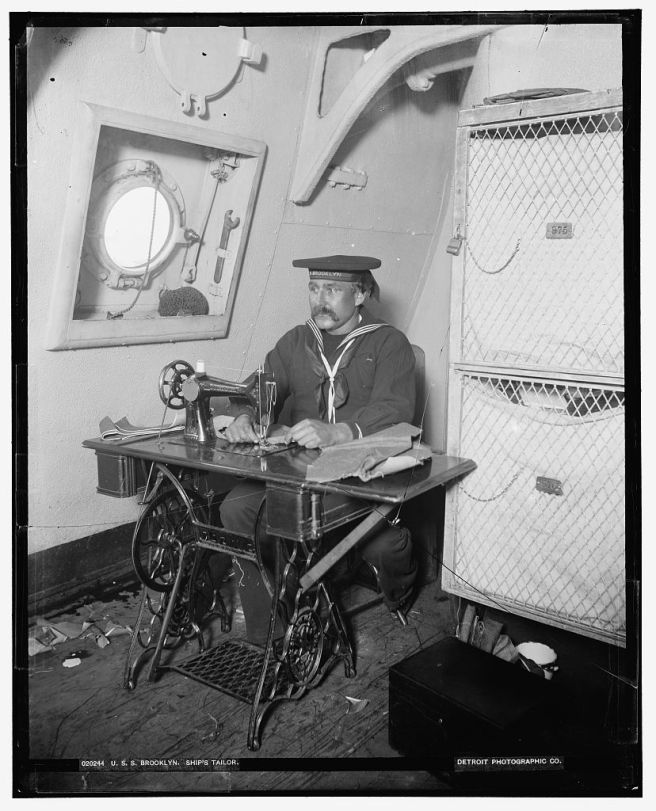
tailorMakers are the hope.  We’re out there.  Doing things and making stuff.  Fending for ourselves in an hostile but lethargic world of expected and nearly enforced consumerism. Once you realize the machine doesn’t work, you can realize it doesn’t really exist.

Most of my adult life, I’ve noticed an interesting paradox.  Typical wage-slaves who proudly give 50 hours per week to a faceless and unappreciative mechanism are convinced that the dreamers and the creators are just a bunch idlers and flâneurs when it’s, in fact the lifestyle that they really envy.  If it isn’t recognized as drudgery, somehow it’s not real work.  But how much do we really need to be happy?

hammock

As a side note, many modern philosophers trace this thinking directly to the Protestant Reformation when, as they claim, much of the fun was beaten out of life and holidays were things to be frowned upon.  But here I digress.

The internet actually gives me hope, especially seeing the wonderful documentaries of real craftsmen and makers around the world that are emerging from obscurity.  Maybe to many, Makers are just a novelty.  Something to be ogled at.  But knowing there are others out there looking for a deeper purpose and a better existence makes me feel a little better about humanity.

BicycleRepair
Repairing something is a first step toward making something.

Let’s be realistic; most modern folks wouldn’t opt to live as hunter gatherers as their ancestors did, but maybe we can reach a better balance with our lives than to adopt the imposed role as absolute consumers.  And hopefully conscience people can do some good things along the way.  Maybe by thinking outside the consumer mindset and choosing to build our homes, make our own socks and shirts, ride a bike, and hunt our meat we can make a difference by both our action and our inaction.

In the words of Samuel Johnson, “To do nothing is within everyone’s power.”
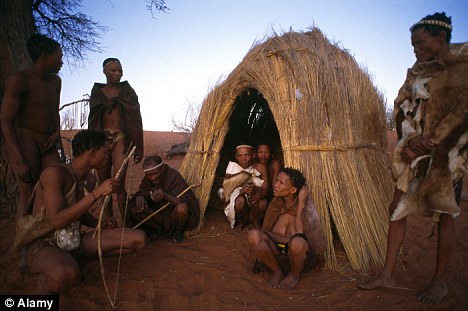
san

Remember: “An idle mind is a questioning, skeptical mind. Hence it is a mind not too bound up with ephemeral things, as the minds of workers are. The idler, then, is somebody who separates himself from his occupation: there are many people scarcely conscious of living except in the exercise of some conventional occupation”

Robert Louis Stevenson, idler extraordinaire.

stillWhy not go make something?  Your great grandparents did.

P.S. Pardon the Friday late night ramblings.  My disdain for the modern world is heightened at the end of a ridiculous week at work.
Jay Nelson’s Constructs

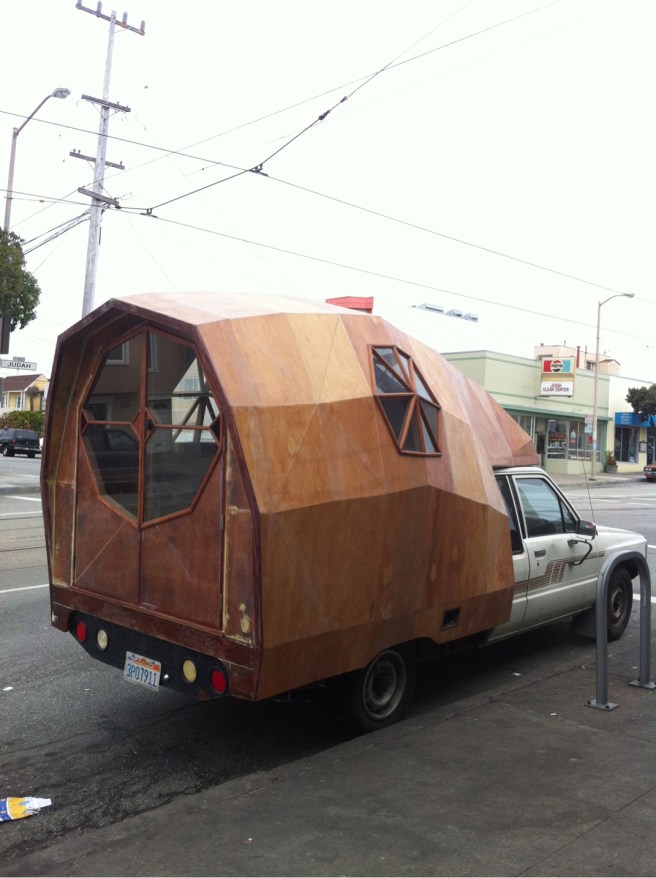
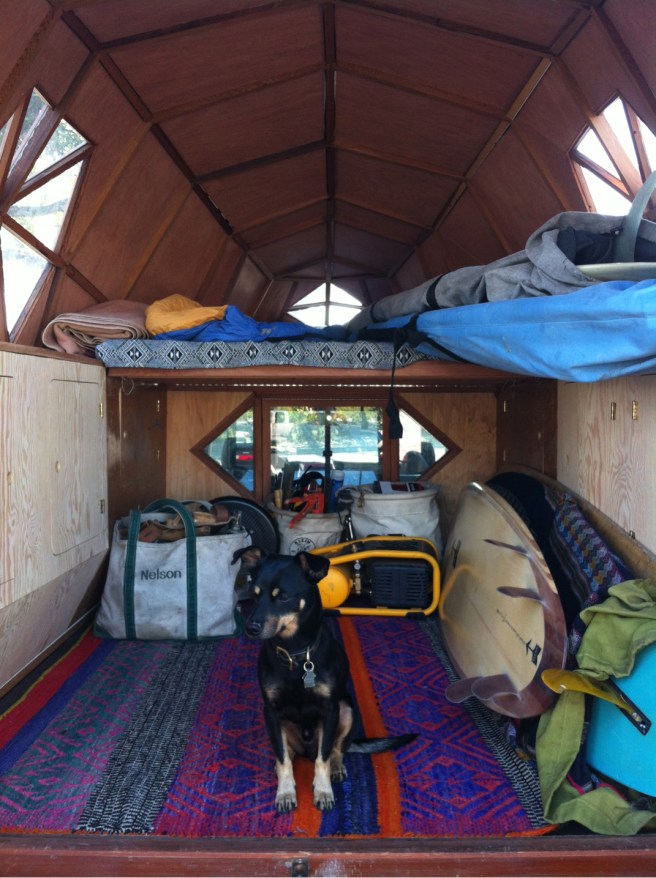
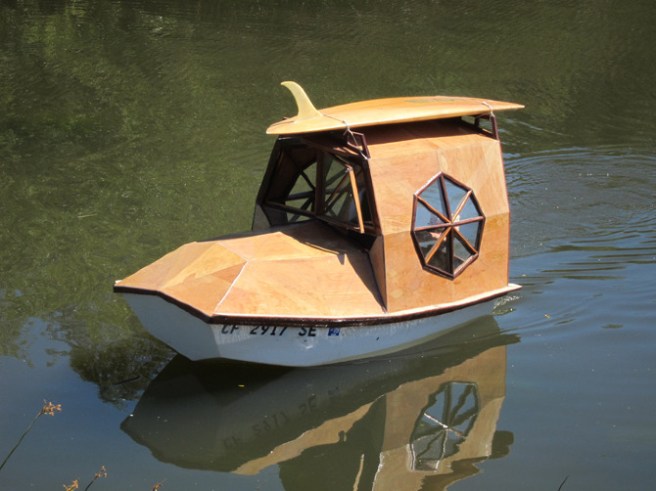
In searching for home-built campers, there were very few images on the web just a few years ago.  Jay Nelson came up a few times over the years due to his ingenious building of structures onto existing vehicles, compact car, scooter, boat, and now a truck.

CamperProfile

CamperOblique

CamperInterior

It’s my kind of work.  Low budget, simple, and highly functional alternatives to the mainstream consumption.

Honda Spree

But would I do this the the Vespa?  Maybe.

boat camper

Of course, my new truck is in sore need of a cool topper…

See more of Jay’s work on his site http://jaynelsonart.com/ or follow his blog on Tumblr.

Craft Fetishism or A Return to Craft Values?

Markus's avatar74 FOOTWEAR DESIGN CONSULTING

There’s been a noticeable increase in crafted products over the last 5 years.

From Artisan Bread, Chocolate and Beer to handcrafted bicycles, bags and belts. Crafts have been celebrated in books, documentaries and Design fairs. Artists like Joana Vasconcelos have adopted crafts such as crochet and lace for their chosen media, and even graffiti has taken a crafted turn with new techniques in stenciling and knit-bombing. With significant developments in progressive crafts such as digicraft, many industrial designers are also turning to craft values instead of the traditional industrial ones.

Shop2-850x490

But why is it that in today’s increasingly technological culture is there also such a strong crafts vibe?

A successful exhibition titled POWER OF MAKING  at the V&A in London recently celebrated this craft resurgence and presented some reasons for it. A few of the exhibiting artists, designers and craftspeople like Ji Yong-Ho and Demakersvan have already…

View original post 1,860 more words

Hal’s Little Vardo

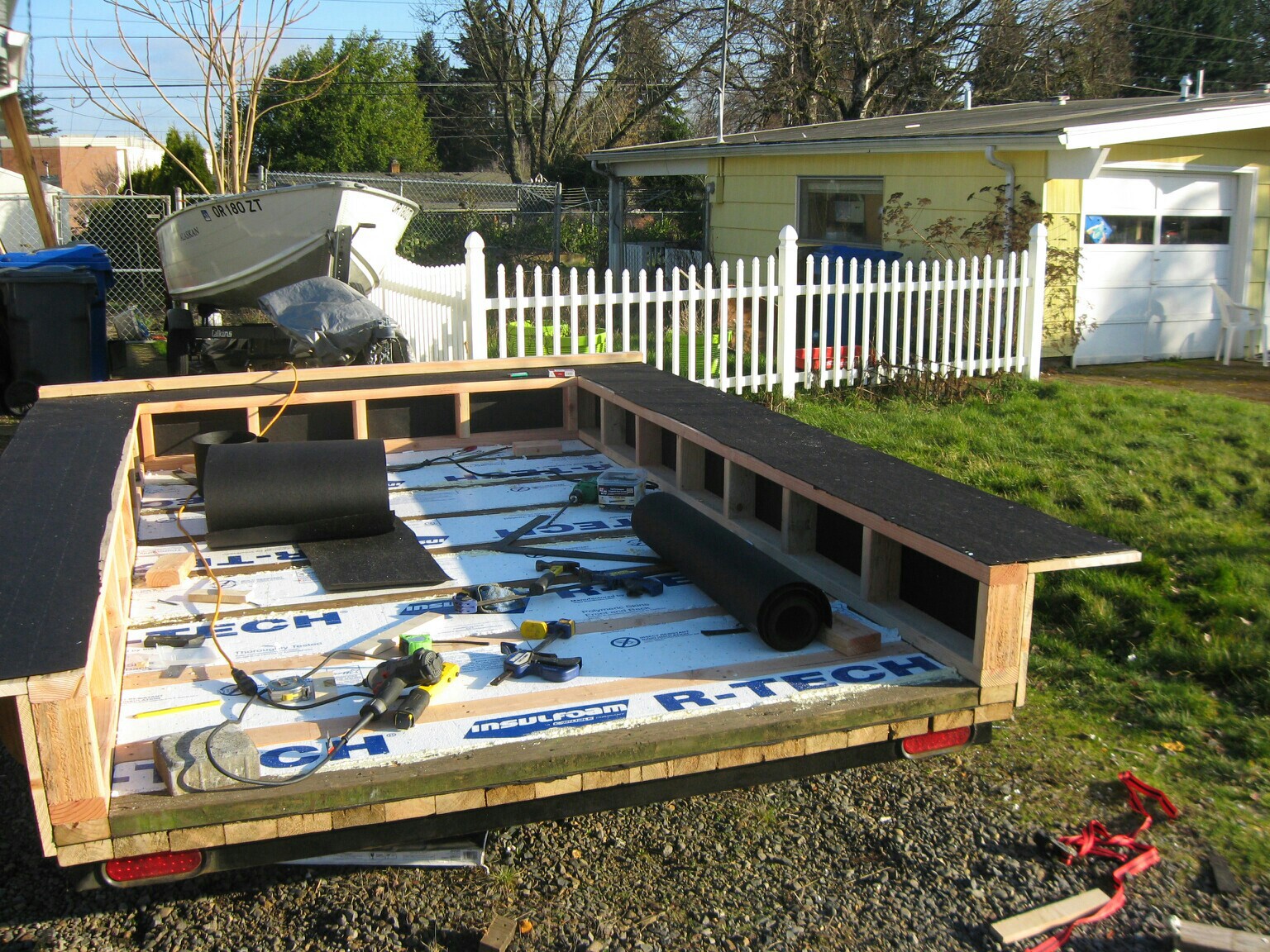
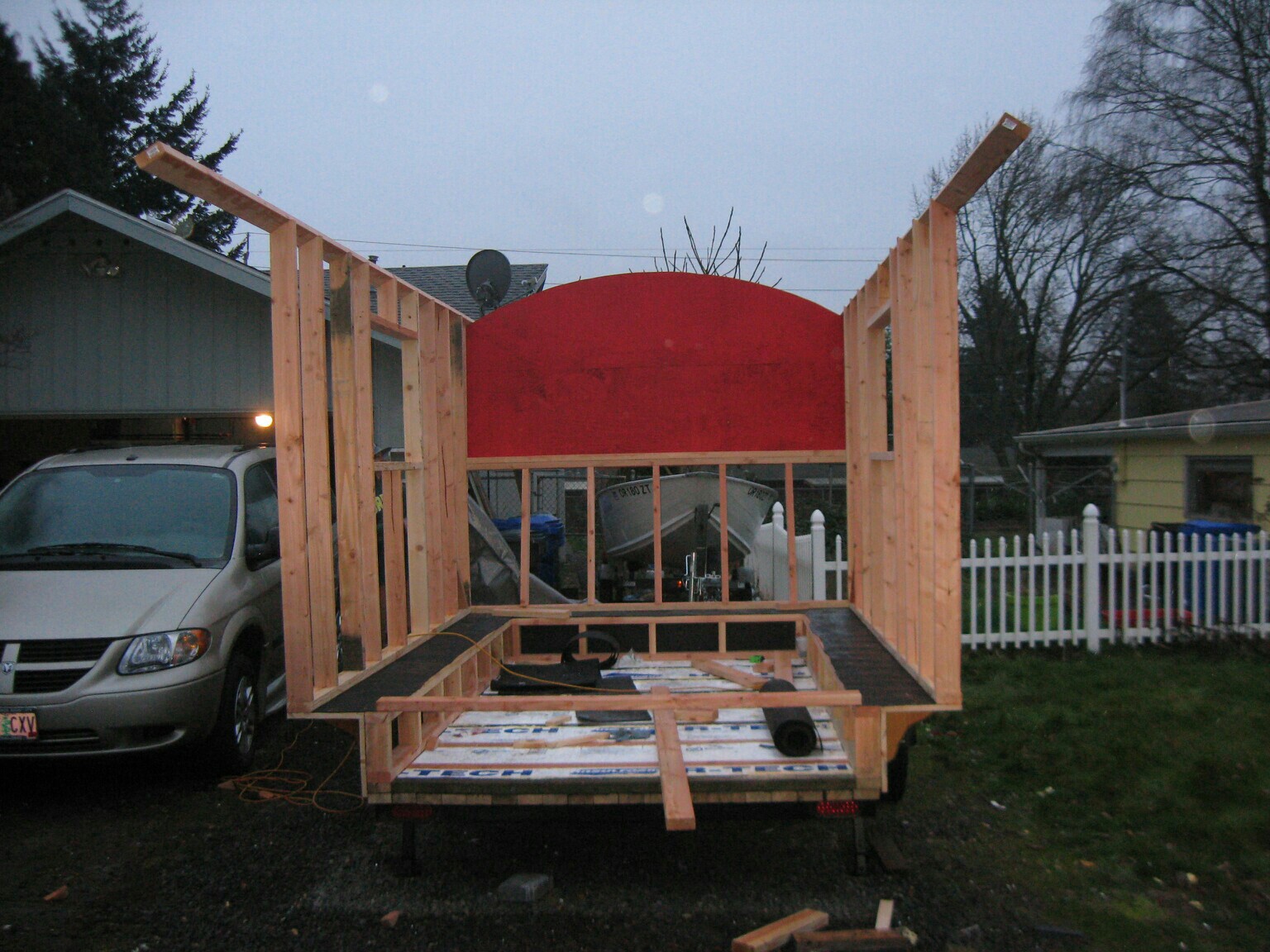
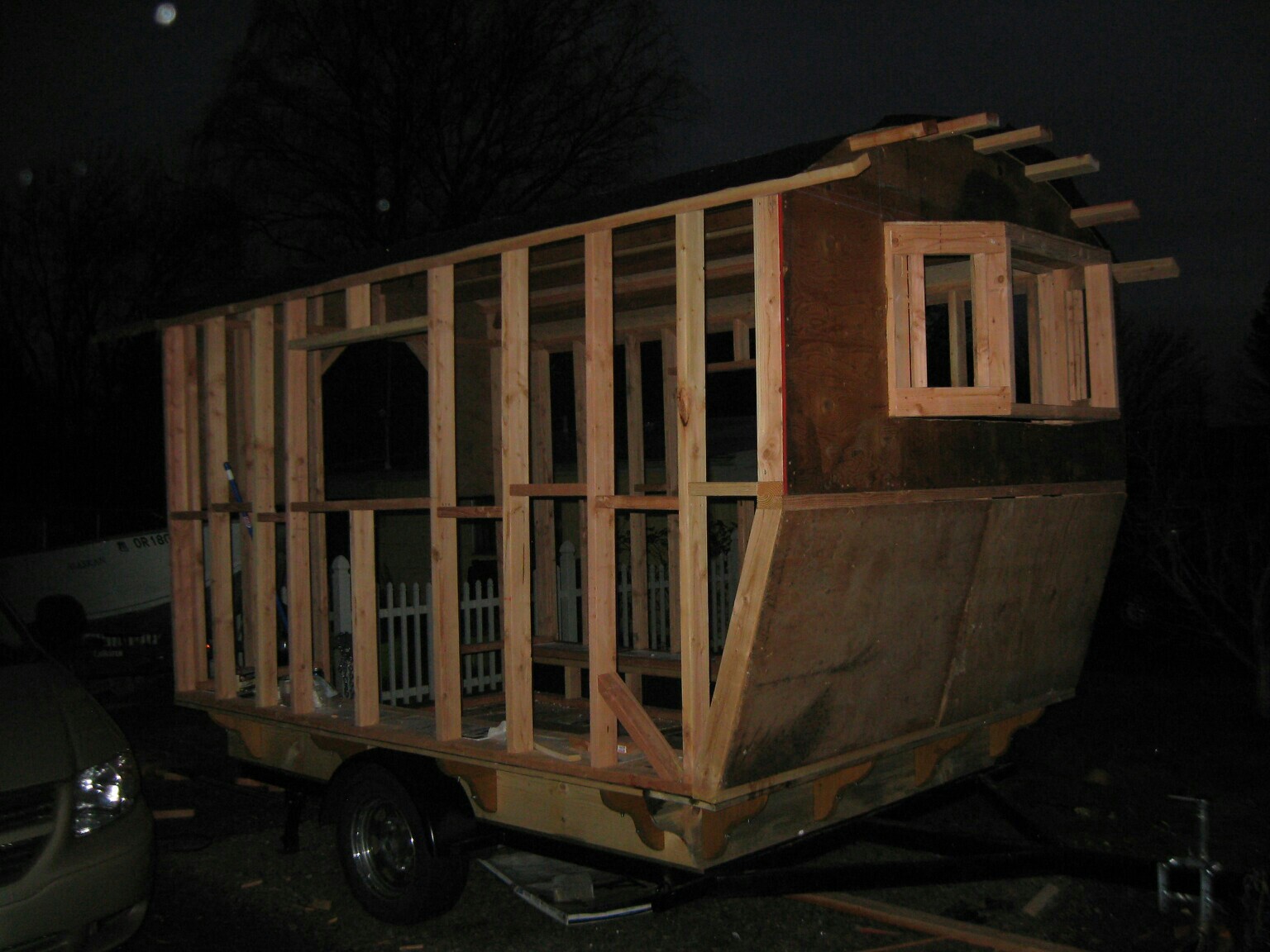
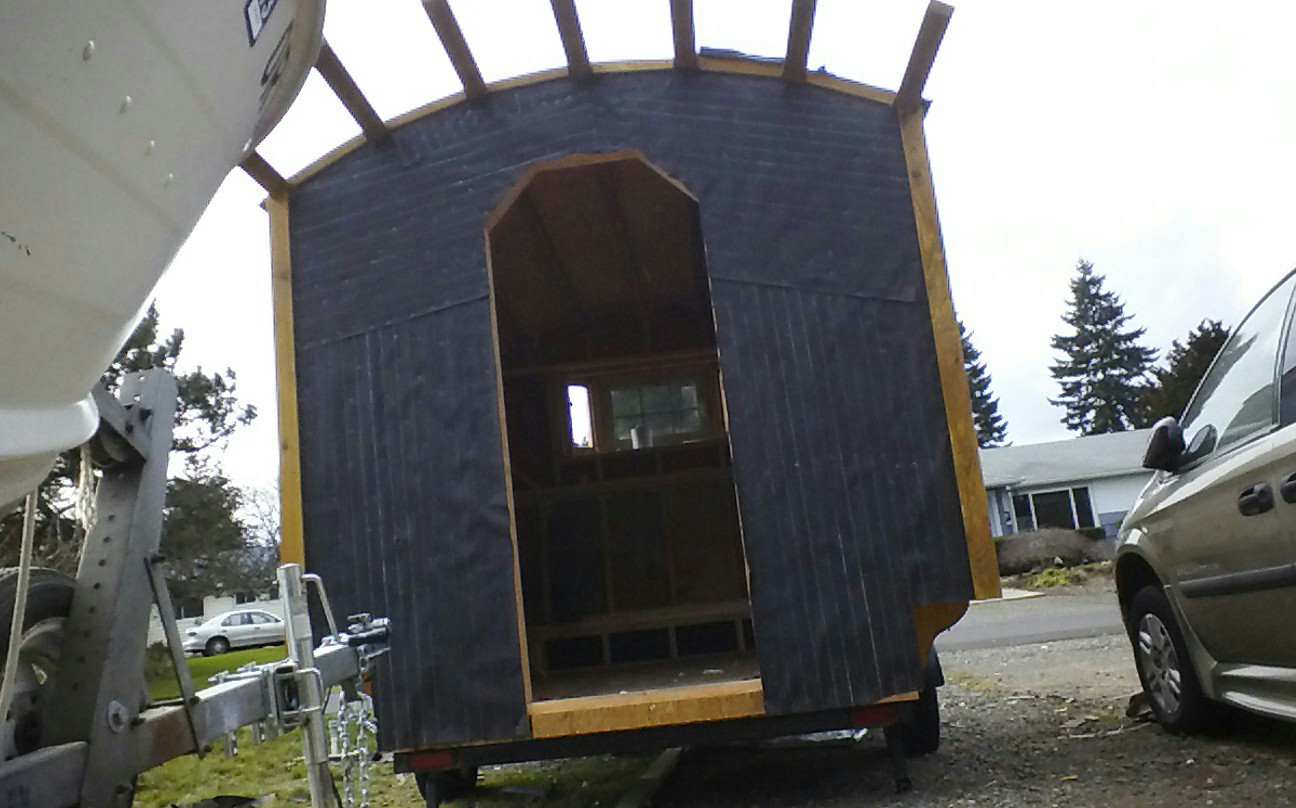
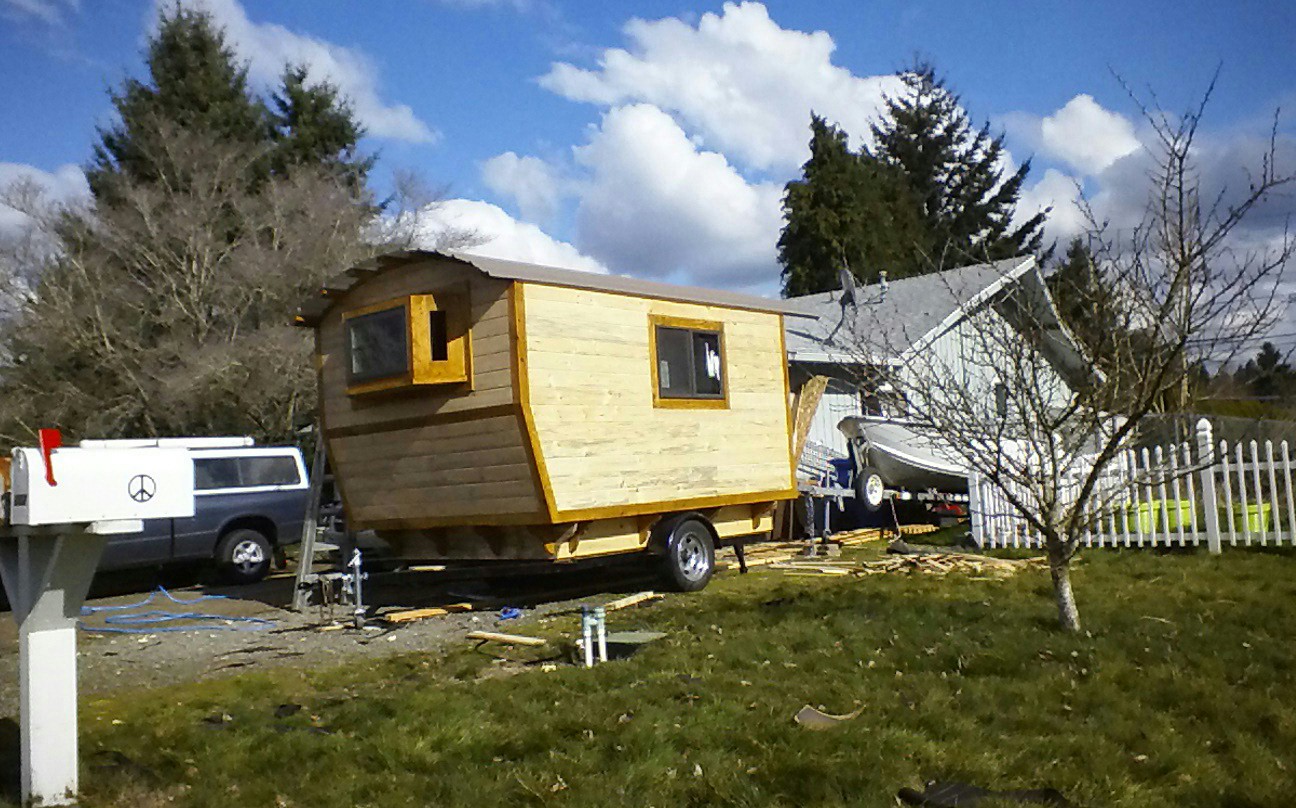
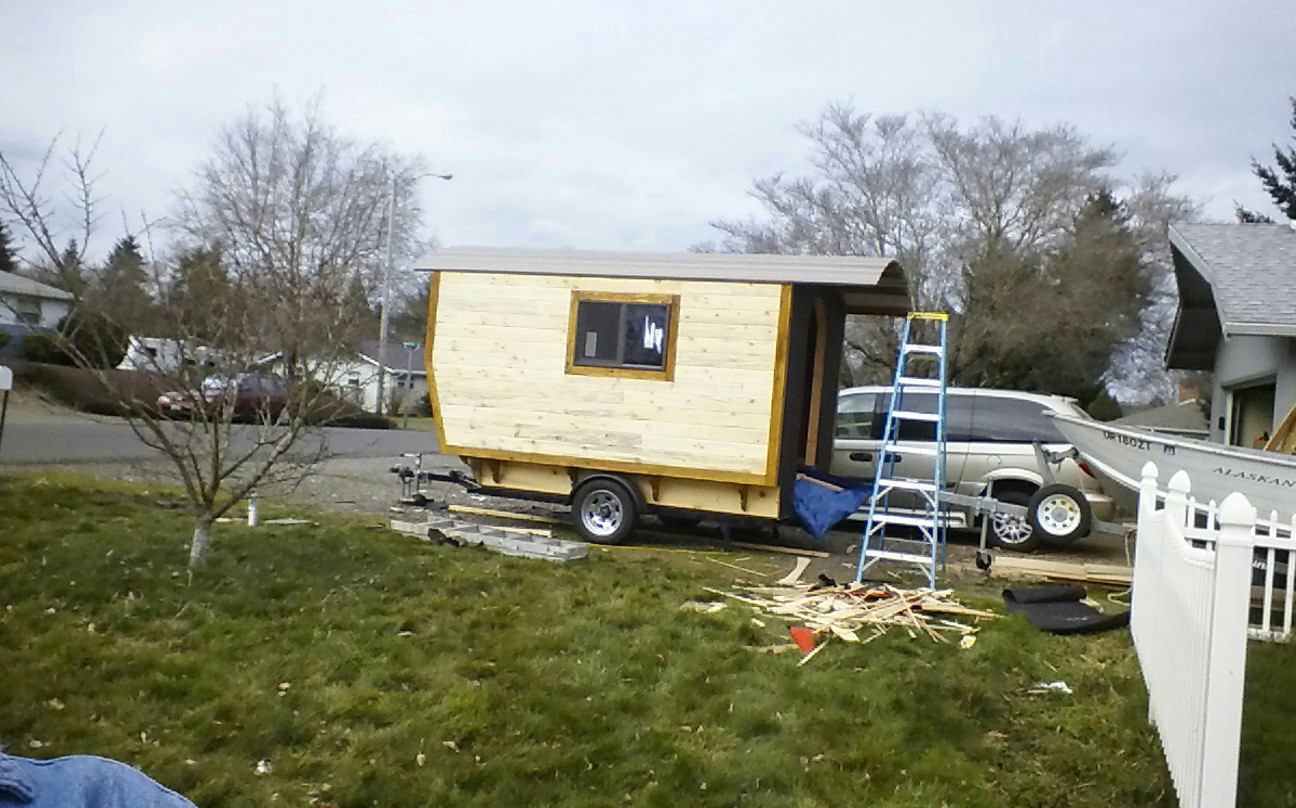
Hal in Oregon sent me some photos of his stick-built vardo.  It is sheathed in house wrap and wood-sided with a metal roof.  Sturdy looking simple design.  So far, he’s spent about two weeks on it and the shell appears to be nearly complete.  This is a link to the album with more photos but I’m not sure it’s public yet.  Please let me know through the comments if this link does NOT work for you.  In the meantime, here are some photos posted by his sister Jodie:

??????????????????????????????????????????????????????????????????????????

?????????????????????????????????????????????????????????????????????????????????????????

???????????????????????????????

???????????????????????????????????

????????????????????????????????????????????????????????????????????????????????????????????????????????????

?????????????????????????????????????????????????????????????????????????????????????????????????????????????????????
??????????????????????????????????????????????????????????????????????????????????????????????????????

????????????????????????????????????????????????????????????????????????

?????????????????????????????????????????????????????????????????????????????

Ultra Uber Lightweight Vardo

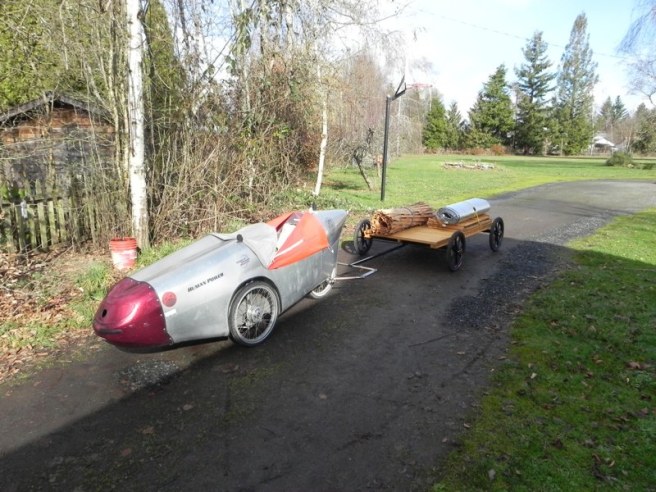
Here is an excellent example of minimalist housing design.  A bicycle pulled miniature vardo that can collapse into a low-profile trailer for the road if needed.

DSCN3039

It’s an admirable design that appears to have gone through a couple design changes from two wheeled to four wheeled.  It could be a very inexpensive shelter that is dry and off the ground.  Clearly this guy is a fan of human power and innovative design.

DSCN3031 DSCN3029Click any photo above to see more at his website.

He also has a build page for his impressive Velomobile here.

IMG_3225


New Acquisitions

I don’t buy a lot of tools but this past week added one old, one new, and created one to add to my pile.

Image

I found this old shoe anvil at out local pawn shop/junk store last weekend and couldn’t pass it up.  It will help with my ever increasing level of shoemaking and might just serve as a rivet set for other leather projects.

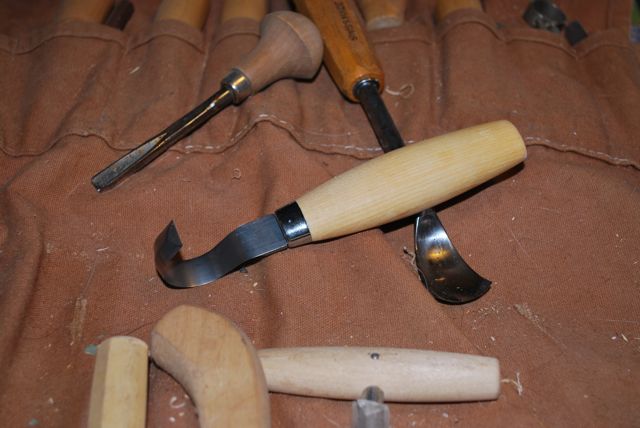
ImageI used an Amazon gift card I received for christmas to purchase a Mora curved knife I’ve had on my wish list for some time.  I can’t wait to start making spoons again.

Image

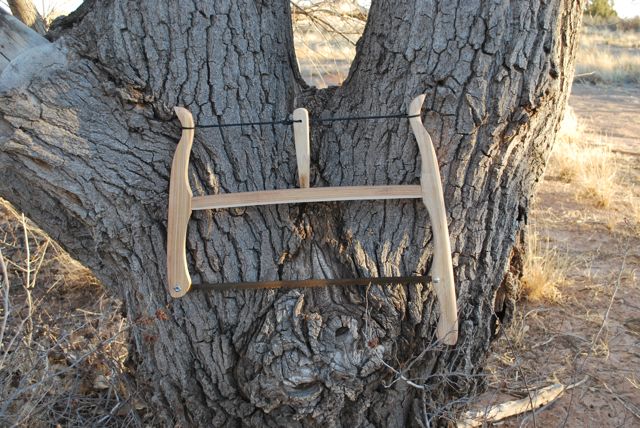
And finally, I have nearly finished a buck-saw that’s been lingering in my mind for some time now.  This is it assembled, having sawed a log just to be sure it worked, but lots of finishing touches will need to be added to be a suitable tool.  I’ll round the edges and spruce it up with some carving I think, but for now, it makes a nice take-down saw.  Total spent: about $20 US.

The Shoemaker

the-shoemaker_follower-of-david-teniers-ii_1800

A real treat from the Sifting the Past blog.  It is worth checking out if you are interested in researching the past through images of the period just prior to mass industrialization.  The Townsend’s have a couple excellent websites including an interesting 18th century cooking blog with videos.  There is so much in this painting that describes the time and the craft of the cordwainer.  There is a palm awl and lasting pinchers in the lower right, the ever critical strap for holding the shoe while sewing, the sewer’s palm for pulling tight the lock stitch, as well as the hammer, mallet, and knife of the trade.  He is holding the sole awl in his left hand.  The basket on the work bench contains a great bone tool made from a metapodial bone as so often found prior to the 20th century when craftsmen made their own tools.  I want my shop to look this great sometime soon.