Before the cold weather came we were able to escape to one of my favorite places in the world. A little hidden corner of the Ozarks that has many fond memories for me.
Kyly the wonder dog got some much needed wilderness time as well. Of course, she always needs to be first down the trail.
I think she nearly forgot just how much she loves water, even if it was extremely cold. I think she swam back and forth about five times… just because.
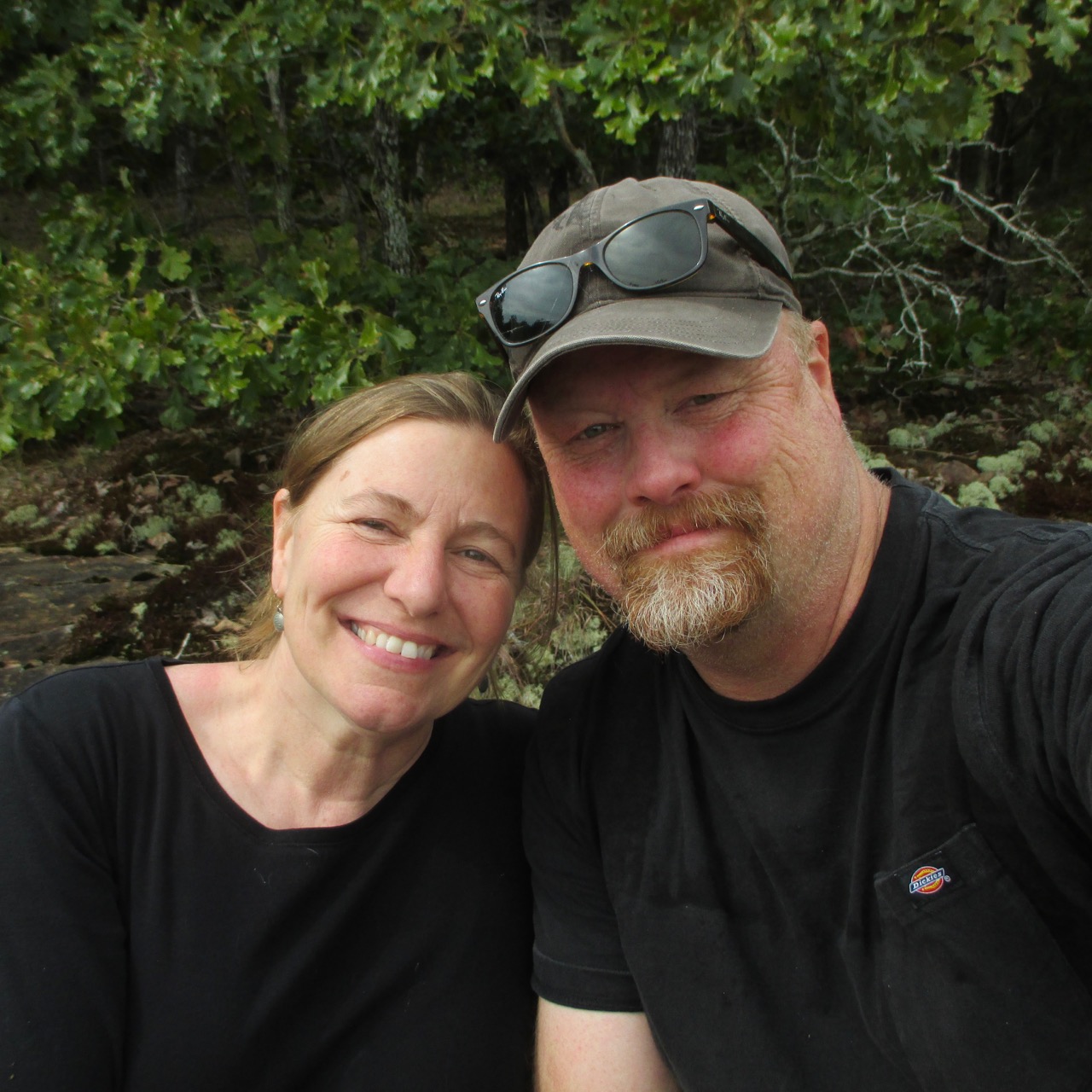
It was also a much needed time in the woods for Stacey and I. Even a quick trip into nature does something magical to reset the brain; no sounds of machinery, just the wind, the water, the trees, and the birds.
One of my favorite pastimes of old; just sitting and watching and listening.
When it finally came time for lunch and a nap, this little patch of ground served us all well.
And the view could not be beat.
Even with all the distractions, our girl needs a certain amount of “stick time” on every walk. I think it is the obsessive need to work bred into these guys over so many generations.
And back into the water for a cool-down before we headed back.
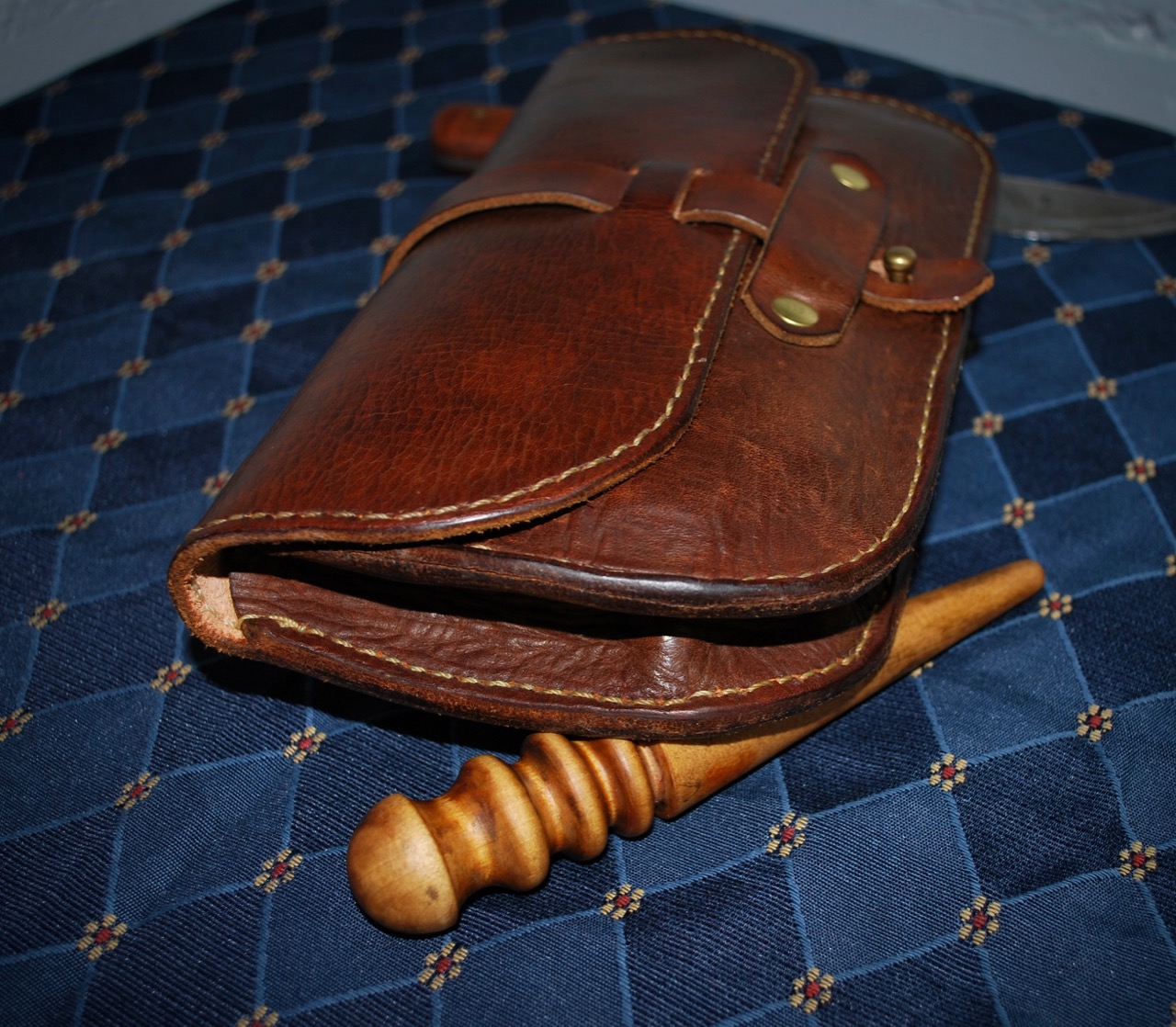
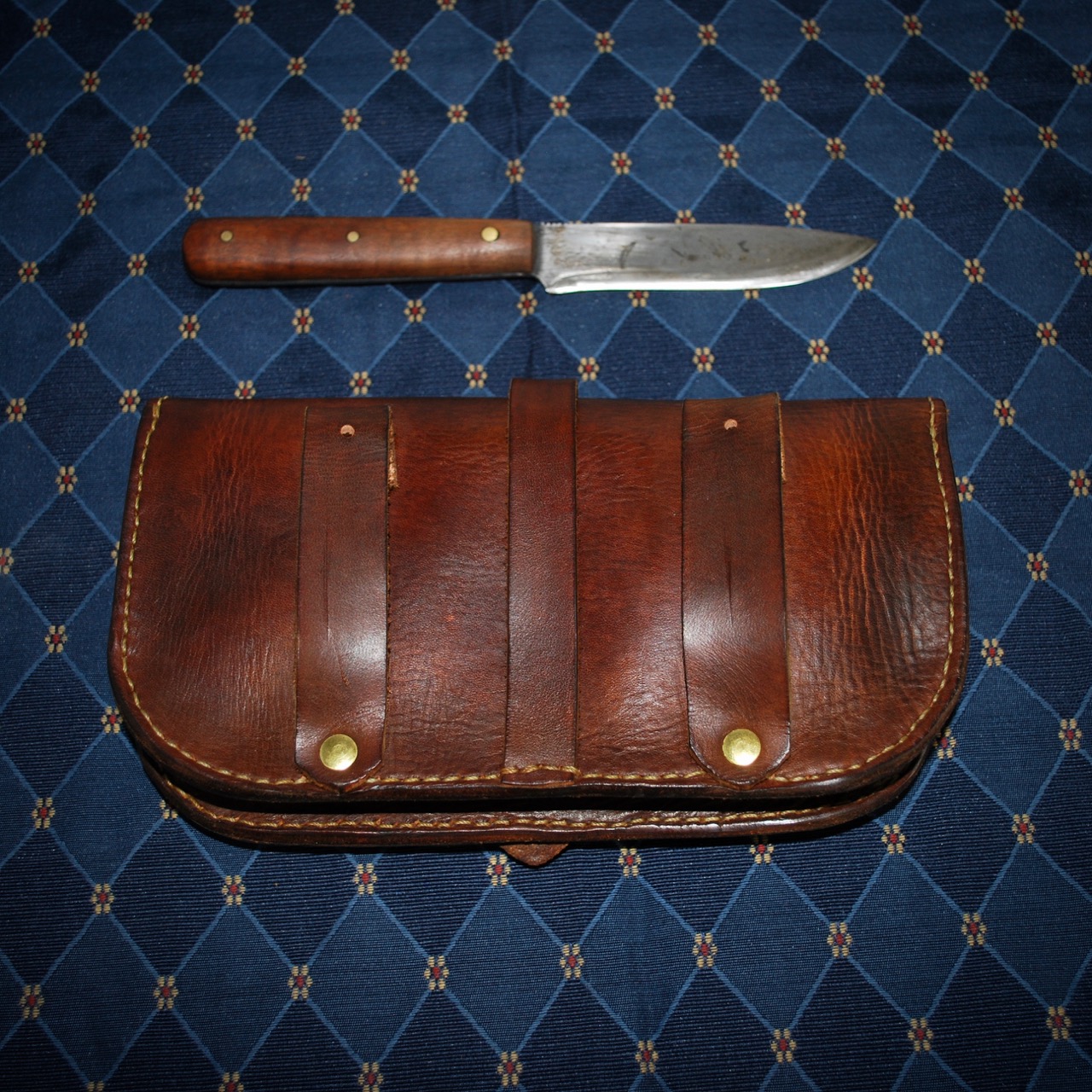
Sometimes it’s nice to have the security of a bag strapped closely to the body and not swinging around your neck and shoulders. This little 9 x 5 x 2 inch design has done quite well over the past year and has been a popular seller in the shop.
Made from 7 oz. veg-tanned leather it will last through a lifetime of hard use.Solid brass hardware will never rust and patinate beautifully over time.If you like this kind of work, please consider clicking the “like ” button and follow my shop on Etsy.I worked to give this pouch a distressed look for a little extra character right out of the box.Double needle saddle stitching will provide security and strength for many years.
This will be the last one for a while as I have other projects in the hopper.
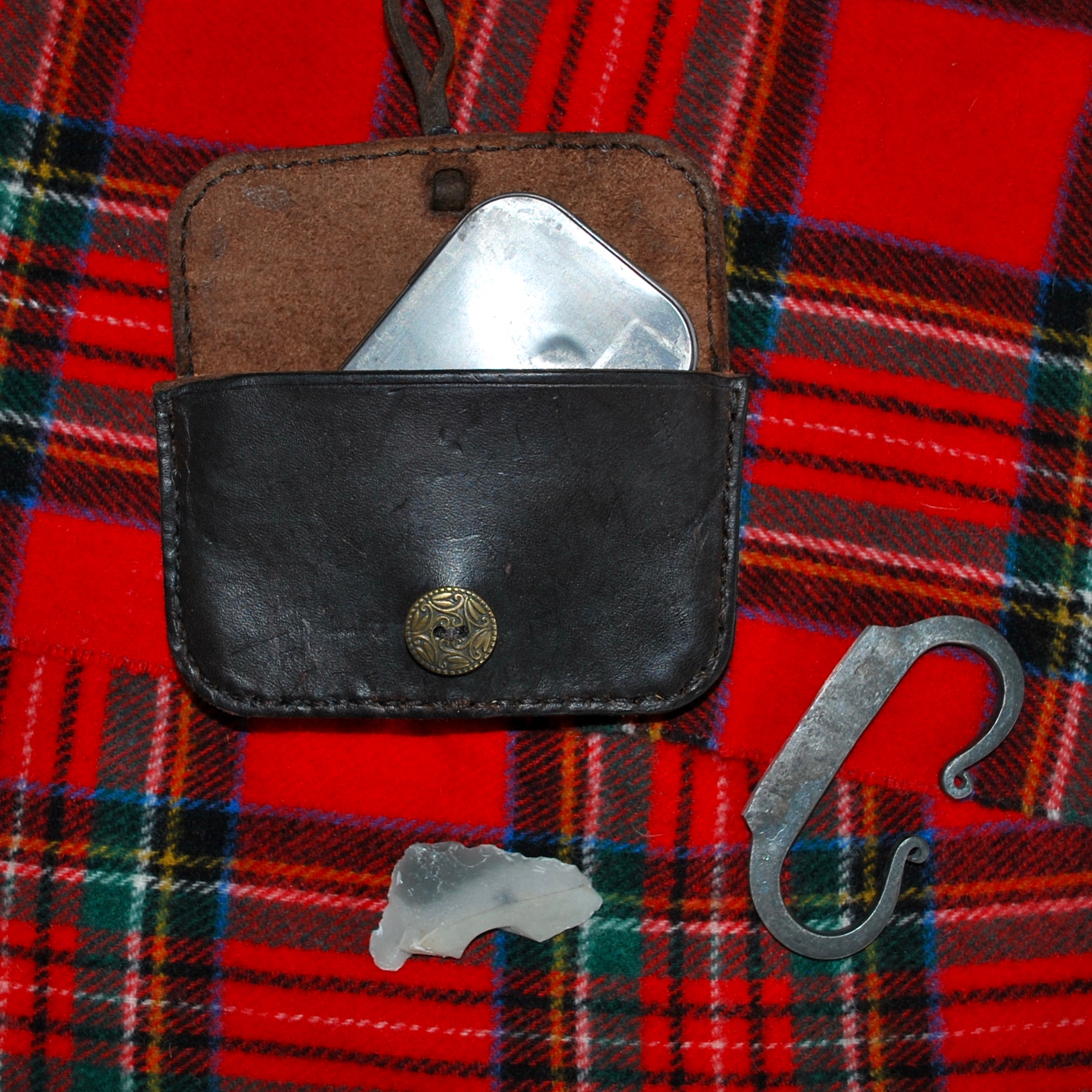
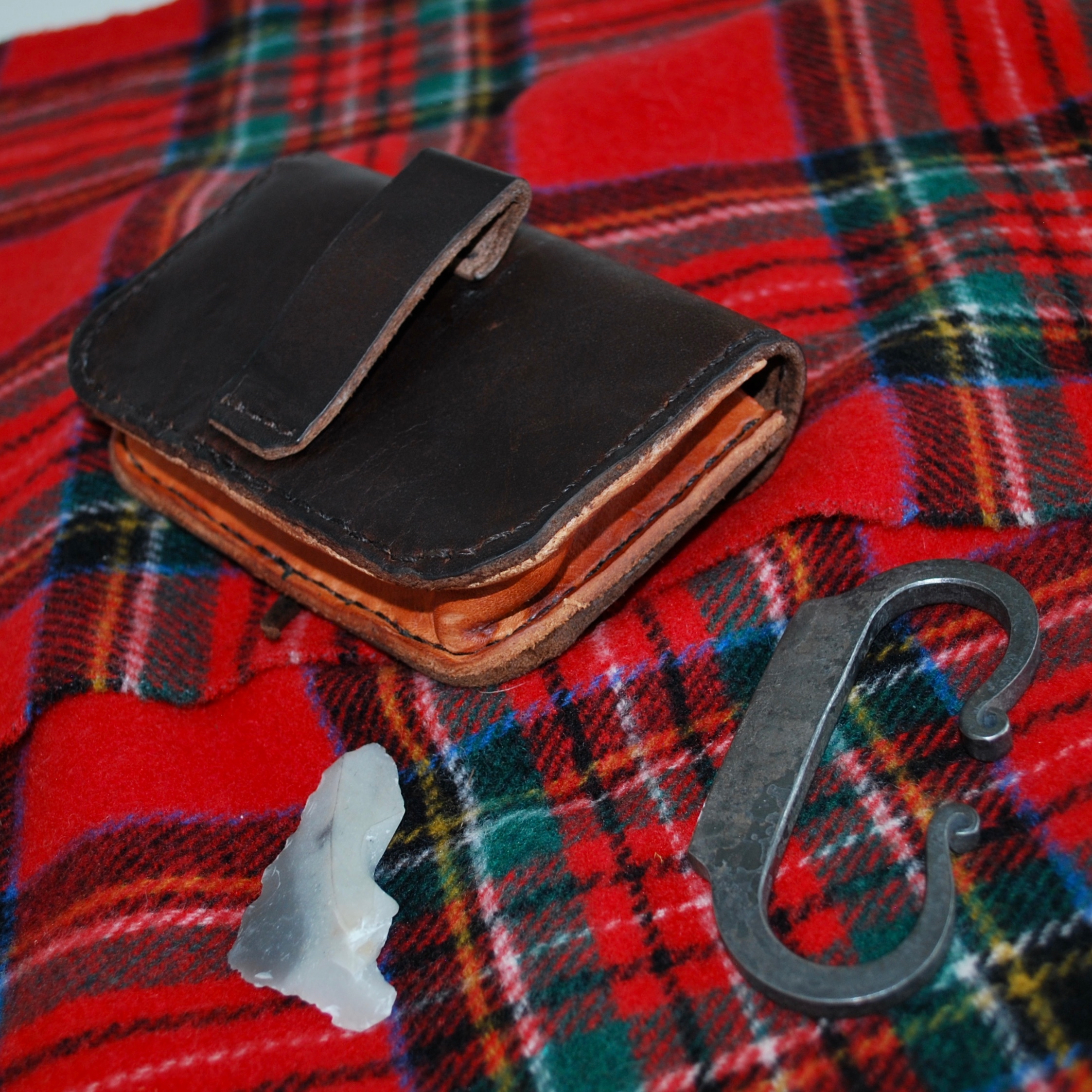
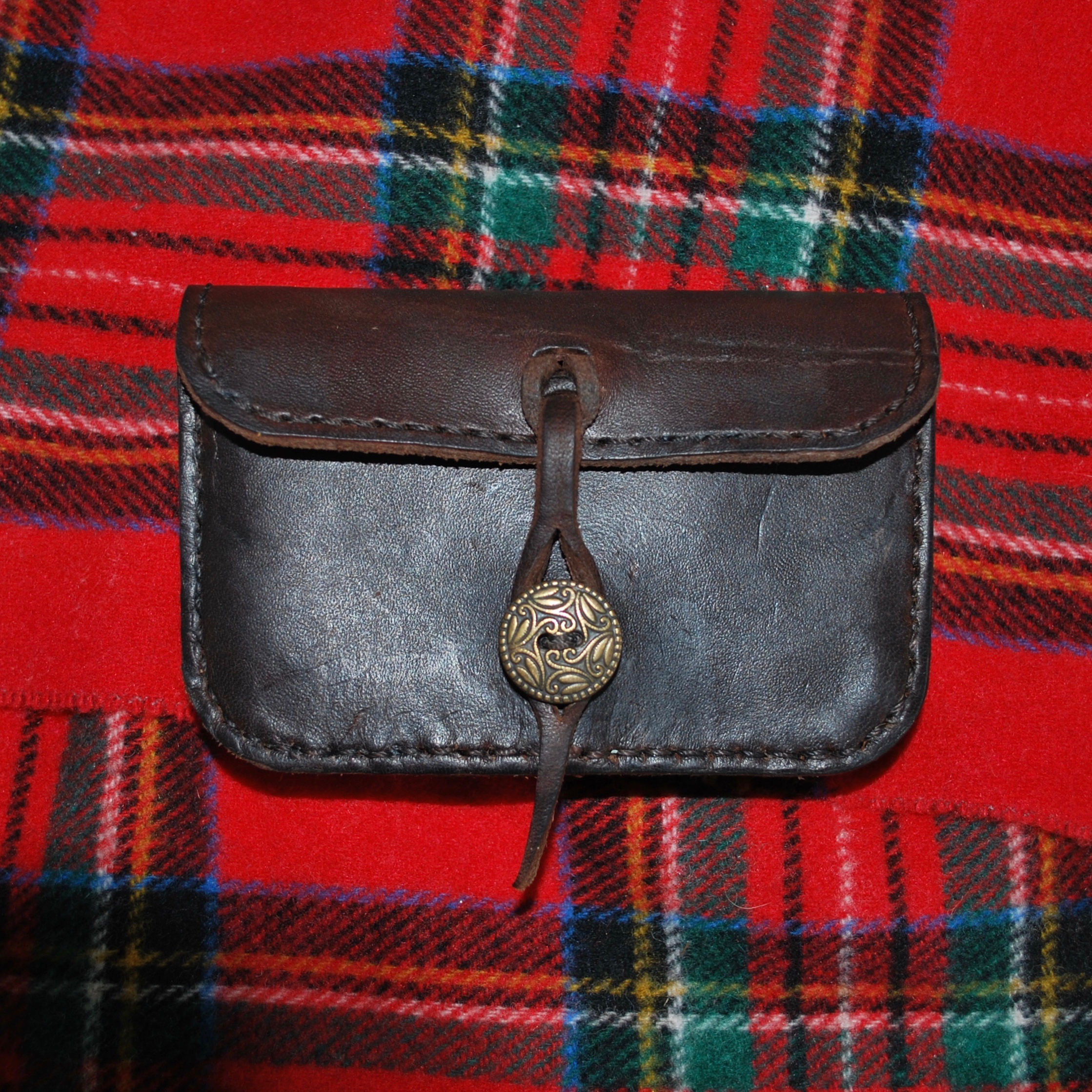
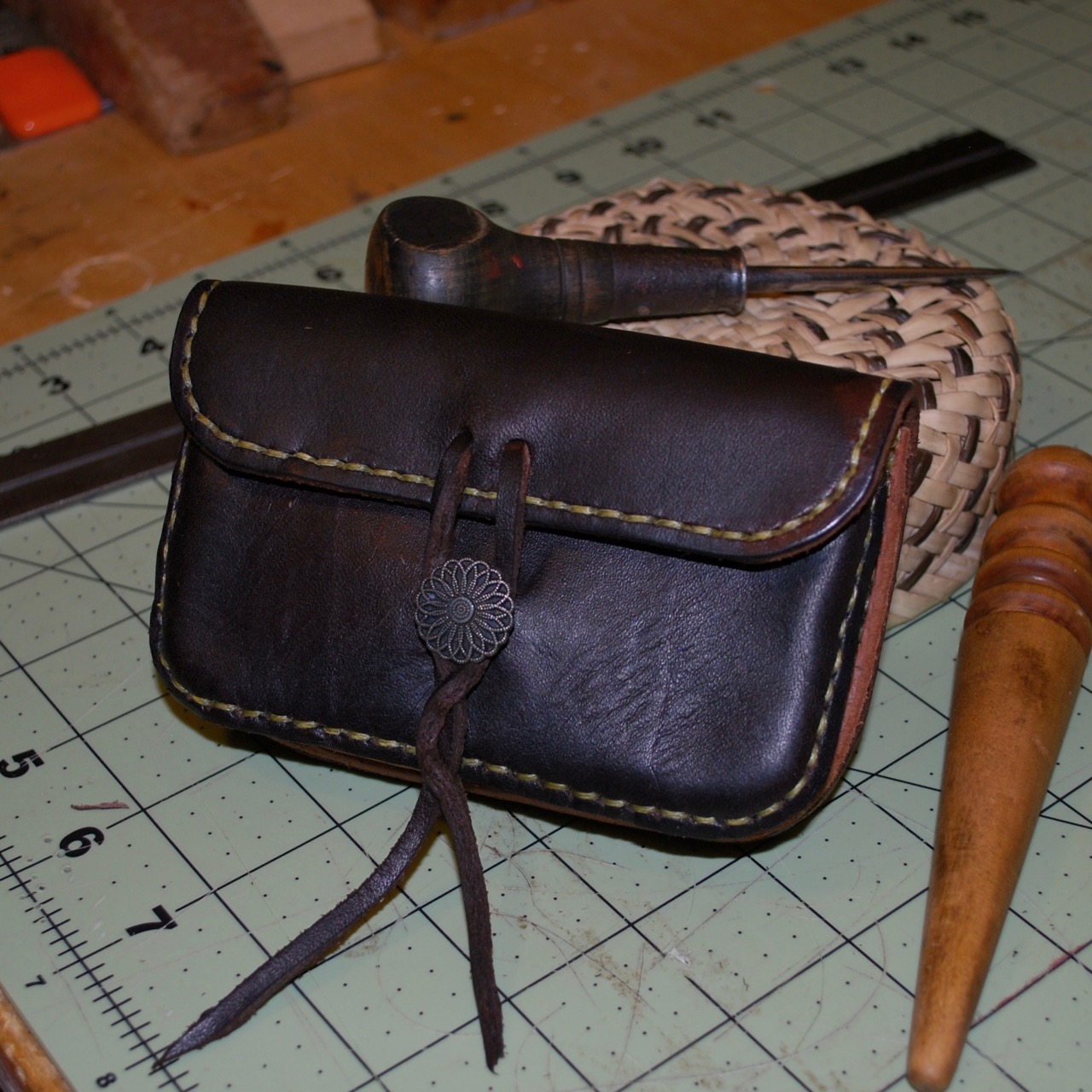
Two-toned 7 oz. leather.The complete kit will get you started and, if frugal, can start several fires.The strikers are custom made by my friend Eric at Colonial Iron.A bundle of juniper bark and ample charred cloth will spark up readily.Everything packs neatly in the purpose built bag. However, the belt pouch is great on its own if the kit is kept in the rucksack.If you are an outdoors person or just interested in history, it can be very rewarding to carry and use a traditional flint and steel fire kit like our ancestors have done for millennia.The loop accommodates a belt up to about 2 1/2 inches.Double needle saddle stitching, full grain veg tanned leather, and a vintage button should all age beautifully and last a lifetime.
This is available at our online shop Lost World Crafts where you can find a more detailed description of the kit.
Please check out the shop and consider following us as things are constantly being added and sold.
“About going where he likes, for instance? Are there not certain laws of the road that forbid the tarrying by the way of caravan folks, for a longer period than that necessary to water and feed a horse or look at his feet? By night, again, he may spy a delightfully retired common, with nothing thereon, perhaps, except a flock of gabbling geese and a superannuated cart-horse, and be tempted to draw up and on it, but may not some duty-bound police man stroll quietly up, and order him to put-to and “move on?”
Gordon Stables 1886.
The RV and traveling community owes a debt of gratitude to this fine rolling home. The Wanderer was the first true luxury Land Yacht, having been given that moniker by it’s owner, Dr W. Gordan Stables. There were some Romany-style and showman’s wagons in use on the roads, and the Salvation Army “barrows” (see Caravans for Christ) but Stables’ design expanded upon the basic plan as a luxurious moving home that well-to-do Victorians could understand.
A retired Royal Navy doctor, Stables commissioned the Wanderer to be built and began a 1300 mile tour in 1885. Prior to this, living wagons were mostly pragmatic affairs with few creature comforts, primarily employed for housing work crews. The base specifications for the Wanderer are 30 feet long (9.15 meters) and she weighed approximately 4000 pounds (1815 kilos). Two years on the road led Stables to conclude that “one about twelve feet long would serve every purpose, and be easily moved with one good horse. It would also be more easily drawn into meadows at night.”
The Wanderer. Image after Nerissa Wilson, Gypsies and Gentlemen 1986, pg 53.
Fortunately, the Wanderer was owned and loved by an avid writer so there is a lot of information about life in this beast. Dr Stables described in his writings several important amenities which we can benefit from today:
“Under the rear door the broad steps are shipped, and at each side is a little mahogany flap table to let down. These the valet finds very handy when washing up. Beneath each of these flaps and under the carriage is a drawer to contain tools, dusters, blacking-brushes, and many a little article, without which comfort on the road could hardly be secured.
Under the caravan are fastened by chain and padlock a light long ladder, a framework used in holding out our after-awning or tent, a spade, and the buckets. But there is also space enough here in which to hang a hammock.”
Gordon Stables. “The Cruise of the Land-Yacht “Wanderer”; or, Thirteen Hundred Miles in my Caravan.”
If I could only employ a valet to do the washing up!
Line drawing of the Wanderer’s floor plan.
As a career Naval officer, Dr Stables was clearly familiar with living in small spaces and understood that neatness and a place for everything was key to comfort. To explain the layout, Stables continues with a more detailed description of his little home:
“Entering from behind you may pass through A, the pantry or kitchen, into B, the saloon. Folding doors with nice curtains divide the caravan at pleasure into two compartments. C is the sofa, upholstered in strong blue railway repp. It is a sofa only by day. At night it forms the owner’s bed. There are lockers under, which contain the bedclothes, etc, when not in use, as well as my wardrobe. D is the table, over which is a dainty little bookcase, with at each side a beautiful lamp on brackets. E is the cupboard, or rather the cheffonière, both elegant and ornamental, with large looking-glass over and behind it. It will be noticed that it juts out and on to the coupé, and thus not only takes up no room in the saloon, but gives me an additional recess on top for glove-boxes, hanging baskets for handkerchiefs, and nicknacks.”
Illustration from Stable’s book about his 1300 mile journey in the Wanderer.
In this era of slow-moving traffic, regular furniture was used with few “built-in” units used, more like a normal Victorian parlour. I love the fact that music seems to have been very important to the good Doctor. He describes his “furniture” as:
“a piano-stool and tiny camp-chair, music-rack, footstool, dressing-case, a few artful cushions, pretty mirrors on the walls, with gilt brackets for coloured candles, a corner bracket with a clock, a guitar, a small harmonium, a violin, a navy sword, and a good revolver.”
The list seems very sound and familiar to me and shows preparedness for most contingencies on the road, from raucous music parties to a quiet evening in the saloon, with the ability to hold off highwaymen and marauders as necessary. I think he is definitely a kindred spirit. I guess I need to add a sword to my traveling accessories now.
Artist’s rendering of the Wanderer’s interior.
Above we see the valet hard at work, after Wilson 1986. Note the under seat/bed storage visible here. I became very curious about the tricycle and found that the good Doctor not only loved caravanning but promoted the new past time of cycling as an excellent and healthy way to tour Europe. Thinking like a Navy man, he thought of the bike as a “tender” to the caravan; a land dinghy of sorts.
The Wanderer’s flooring choice was a practical one. Linoleum was a relatively new product but had shown itself to wear well under difficult conditions and remain flexible (perfect for a rolling home). To further beautify the main room, Stables chose a Persian rug to overlay the Linoleum.
A filter much like that described in the Wanderer may be seen in the lower right of this advertisement.
On a practical note, the Wanderer was fitted with a carbon-silicated water filter as the general supply was still very poor in much of Britain. Hygene was attended to in the after cabin at the marble washstand with a small gravity-fed water system. The after cabin (really the domain of the valet) also contained a Rippingille cooking-range, a truly modern convenience in portable stoves of the time.
The Rippingille cook stove.
Rippingilles Stoves Magazine Advert ca. 1910. Don’t they look happy?
“The Rippingille cooking-range is a great comfort. On cool days it can be used in the pantry, on hot days—or, at pleasure, on any day—it can be placed under our after-tent, and the chef’s work got through expeditiously with cleanliness and nicety. ” Stables 1886.
-Note to self: get a chef.
A brief stop for a meal. As with most caravans, the Wanderer carried tentage and awnings to extend the living space. The little Rippingille cooking-range can be seen next to the cook in the A-frame tent.
Dr Stables traveled in style, apparently employing a cook, coachman, and valet (it’s not clear to me if they are one-and-the-same) and had little monetary concern along the way between his pension and some success as a writer. He did, however, pave the way for the “gentleman caravanner” and helped start a trend that many of us are still emulating in our own way today. This style of off-beat living eschews the tin-can clones of the RV park and brings a level of style and class to living on the road, whether it be for a week or a year.
A couple of well-dressed Scotsmen; Stables (right) and unknown man (possibly his valet) stand in front of the Wanderer. That’s Bob the dog lying next to his master. You get a real sense of the scale of this caravan in this image.
Finally, what became of the Wanderer? A few years ago, she was safely ensconced in the Caravan Club’s site in the Costwolds, England. It seems that she never left safe hands and therefore didn’t suffer the rot and destruction that was the fate of most of the early caravans. She is still a sight to see and many are thrilled that the decision was made to display this piece of history instead of storing it in a less accessible facility.
Colin Elliott from the Caravan Club with The Wanderer. Click the image for a short article about the preservation.
The Wanderer still looks immaculate inside with beautiful woodwork and attention to detail.
About the book, The Cruise of the Land Yacht Wanderer, Thirteen Hundred Miles in my Caravan. After the descriptions of the Wanderer itself, much of his book is simply a travelogue of late 19th Century Britain with encounters and minor adventures along the way. However, there are some great morsels of information hidden throughout and a delightful chapter about “Caravanning for Health” with his opinions as a career Medical Doctor. Also, he wraps up with some good advice for the traveling gentle-person about living in a small space on the road. It’s a great little read and I highly recommend it to the caravan set. If it cannot be found any other way you can read his book by downloading it from Project Gutenberg; The Cruise of the Land-Yacht “Wanderer”.
I like to add a little character and variety, even if I’m just making the same thing again and again. I want to believe that this is what my ancestors would have done, toiling away in the craft to make a living. It keeps things interesting and more human than the soulless, mass-produced consumables.
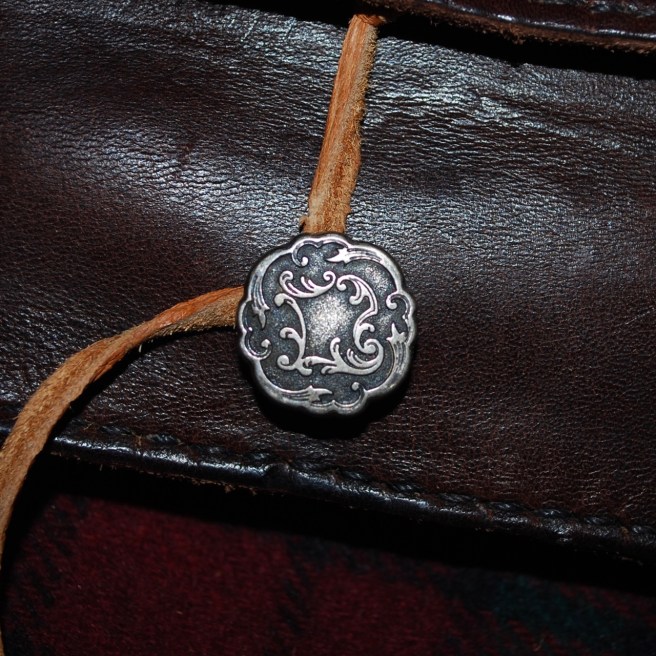
Here’s the most recent fire-kit with another beautiful vintage button. This will be sold through the Etsy shop at LostWorldCrafts: https://www.etsy.com/shop/LostWorldCraftsMade from 7 oz. Hermann Oak leather drum-dyed for the brown part and natural for gusset.
Thanks for looking. If you are interested, these generally don’t last a day on Etsy so check it out soon if you want one. Please follow the shop if you would like to keep up with the latest offerings.
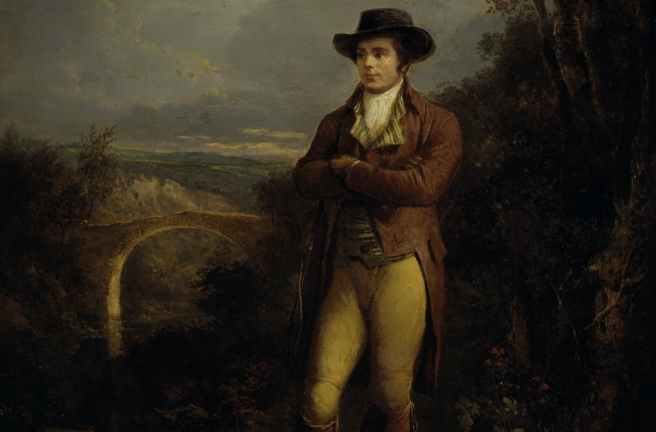
On this day before the coming Burns Night where we celebrate the Bard in virtual lockdown I invite you to pull up a chair, pour a tall drink of something potent, and enjoy a few poems from the master of Scottish vernacular. This evening, I strongly recommend you find a copy of Tam O’Shanter and read it as it will be done all across the globe. Happy birthday Rabbie.
Winter: A Dirge
The wintry west extends his blast, And hail and rain does blaw; Or the stormy north sends driving forth The blinding sleet and snaw: While, tumbling brown, the burn comes down, And roars frae bank to brae; And bird and beast in covert rest, And pass the heartless day.
“The sweeping blast, the sky o’ercast,” The joyless winter day Let others fear, to me more dear Than all the pride of May: The tempest’s howl, it soothes my soul, My griefs it seems to join; The leafless trees my fancy please, Their fate resembles mine!
Thou Power Supreme, whose mighty scheme These woes of mine fulfil, Here firm I rest; they must be best, Because they are Thy will! Then all I want-O do Thou grant This one request of mine!- Since to enjoy Thou dost deny, Assist me to resign.
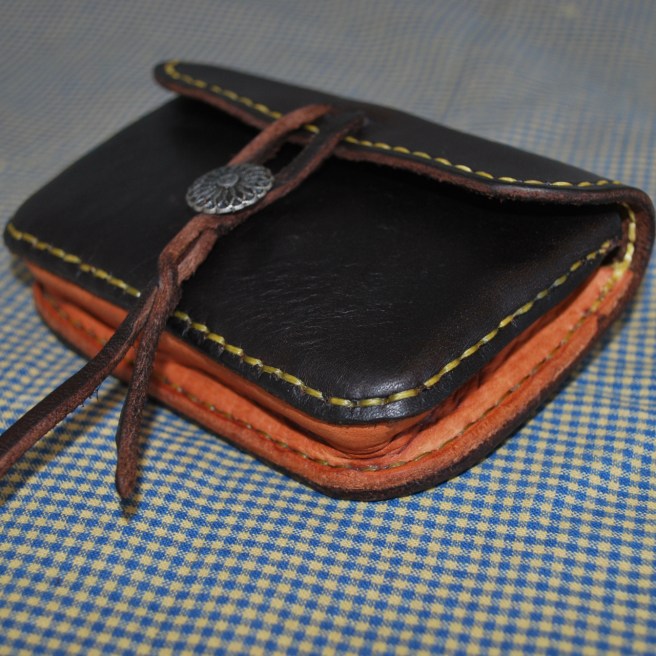
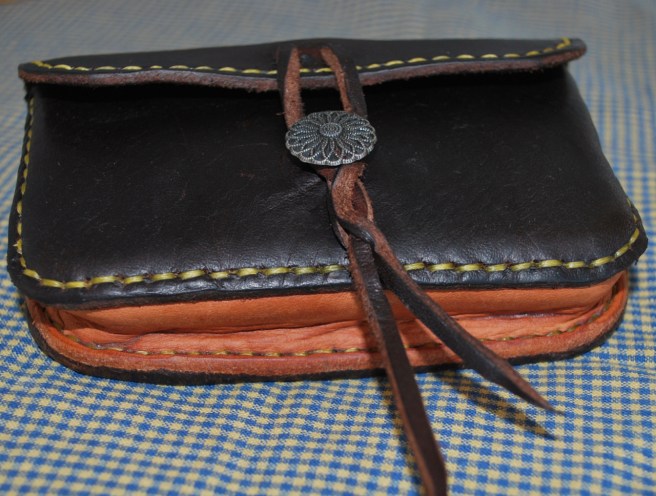
I decided that my kit bags, although nearly perfect for their function, could use a little more room. Outdoorsmen and women can never have too many nooks and crannies about themselves to store little necessities. With this in mind, I have made the bellows sides bigger to accommodate about an inch in thickness. It might not sound like much but it does add up as survival gear can be a very fluid thing.
Fire Kit Complete
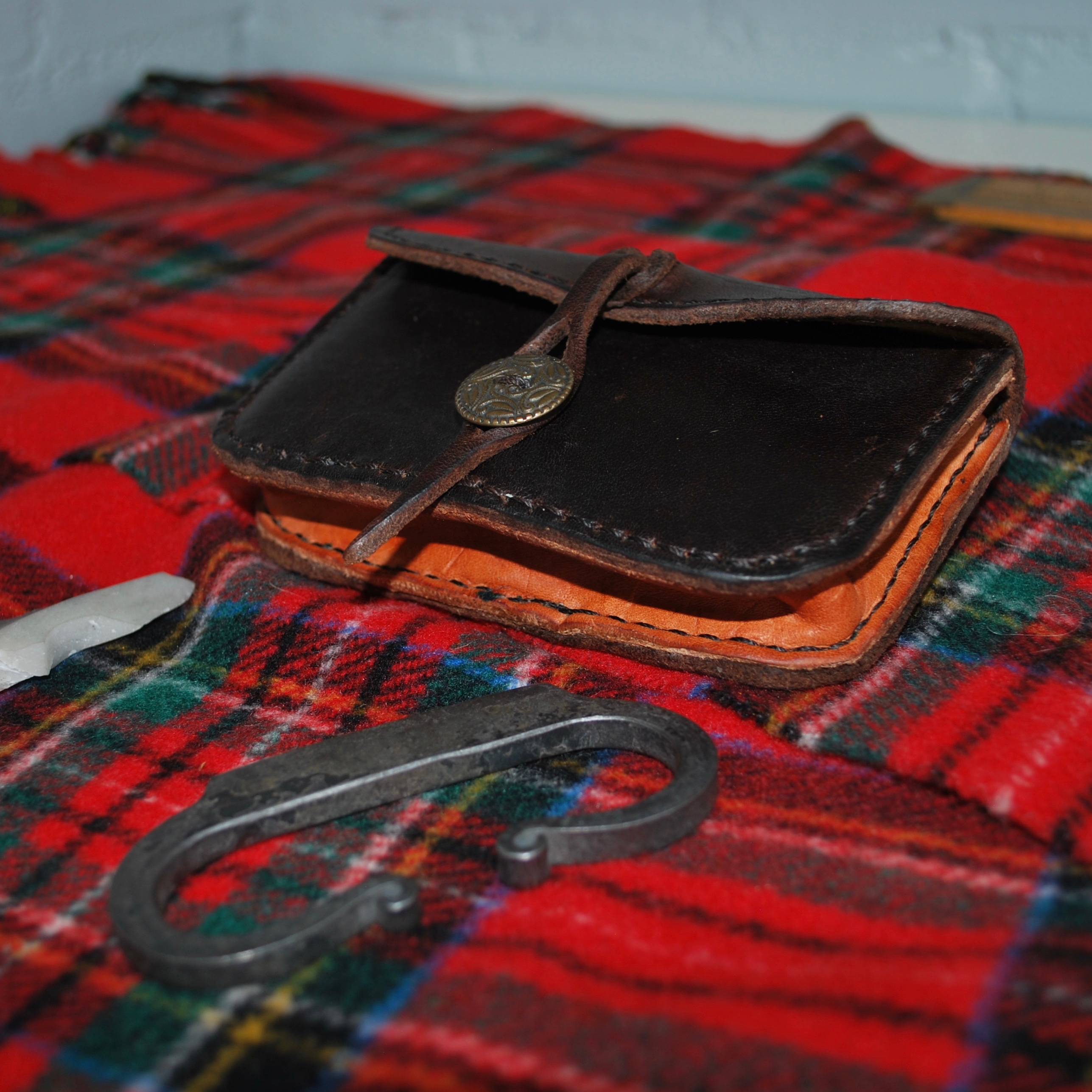
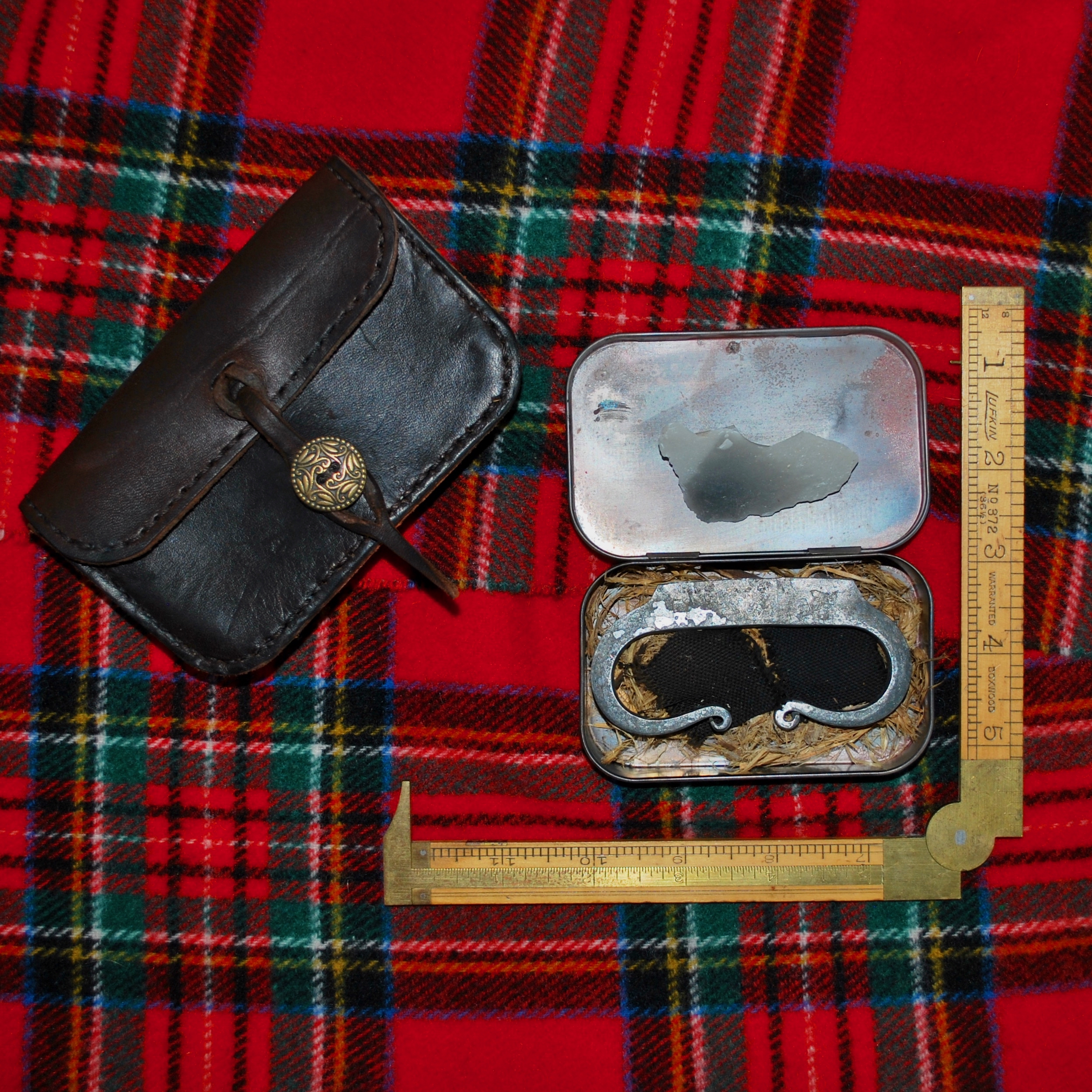
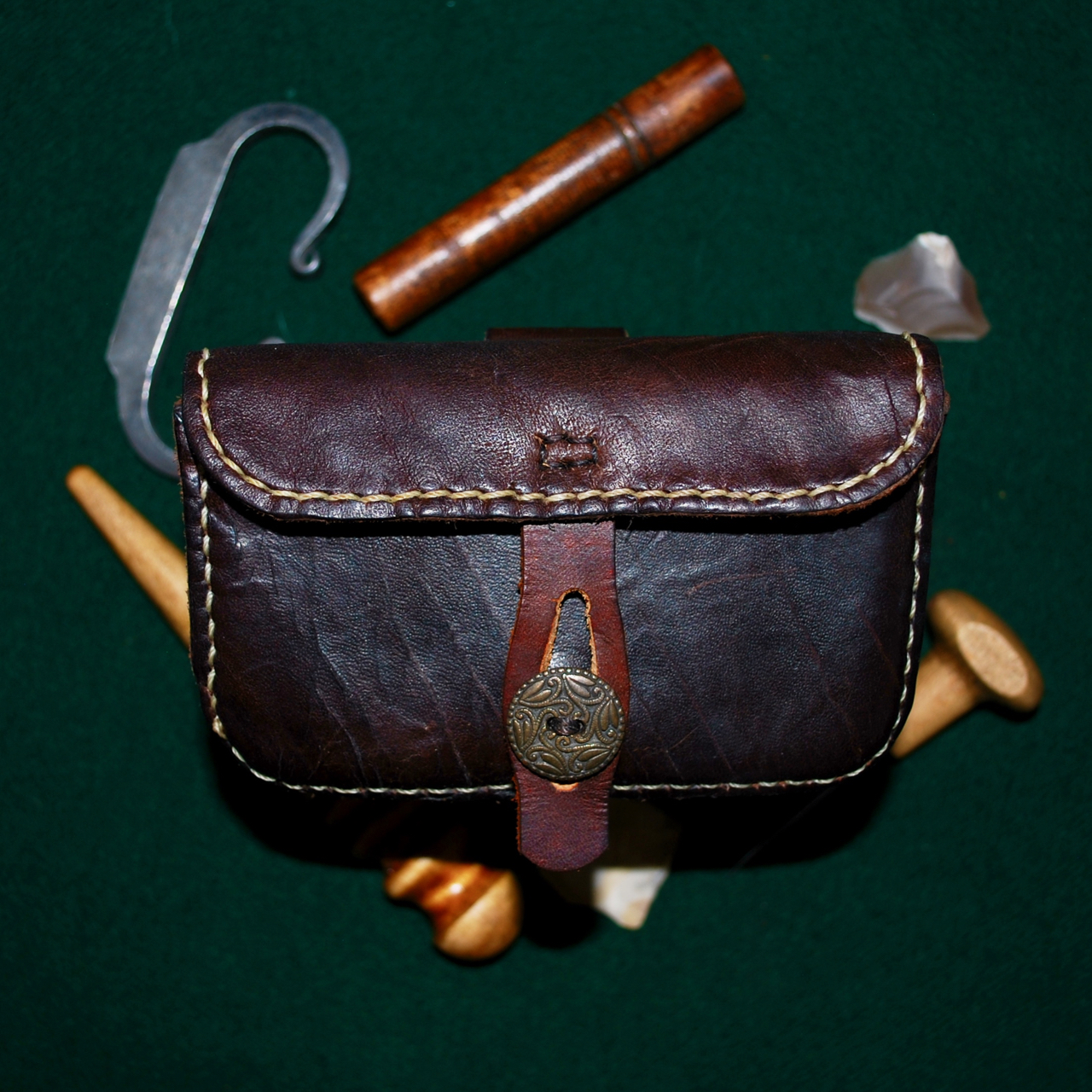
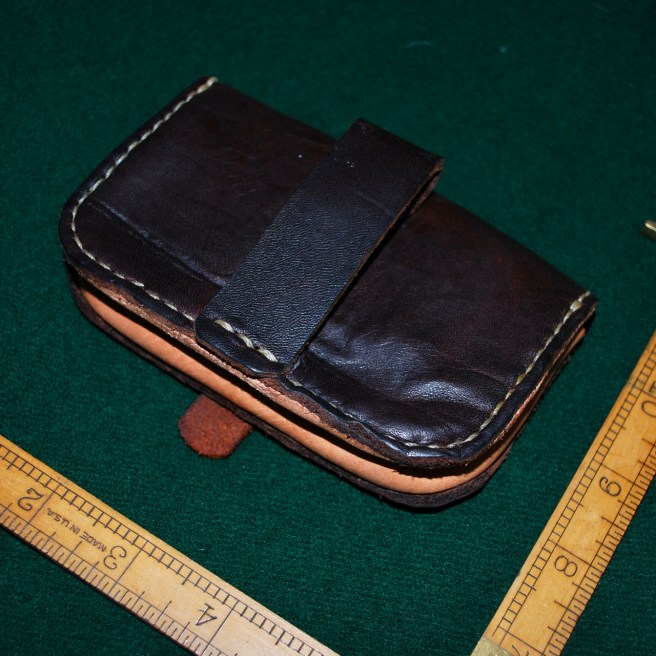
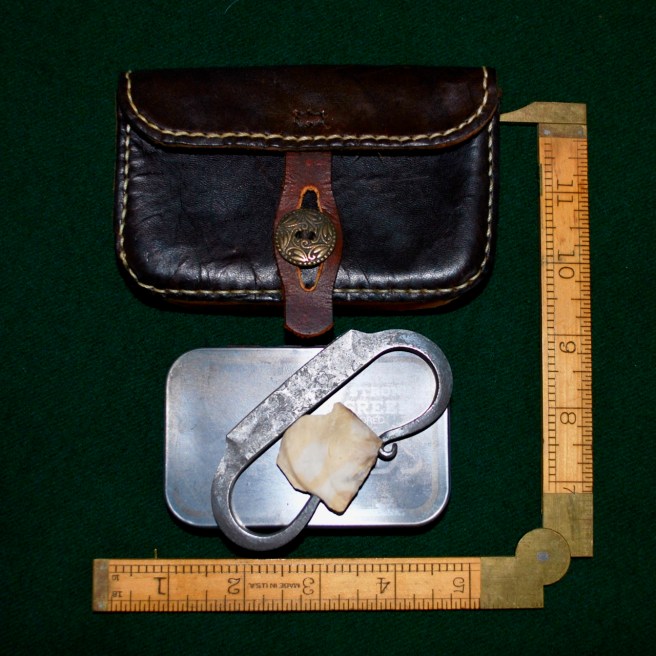
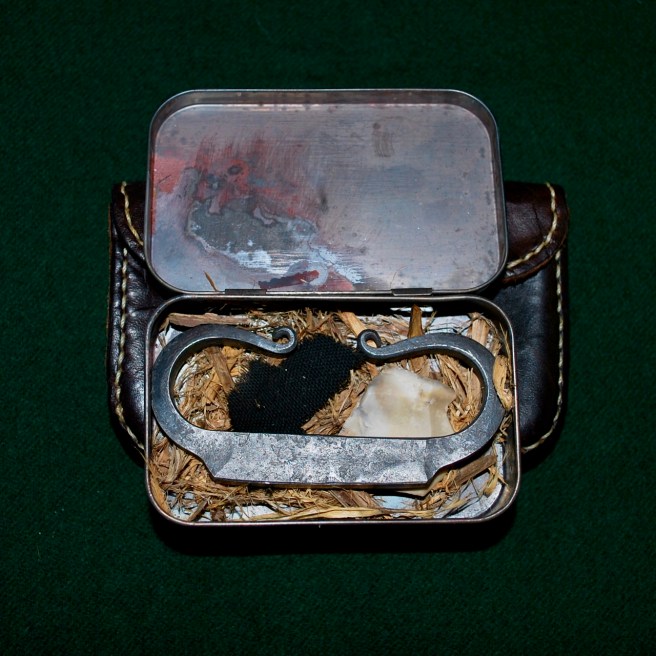
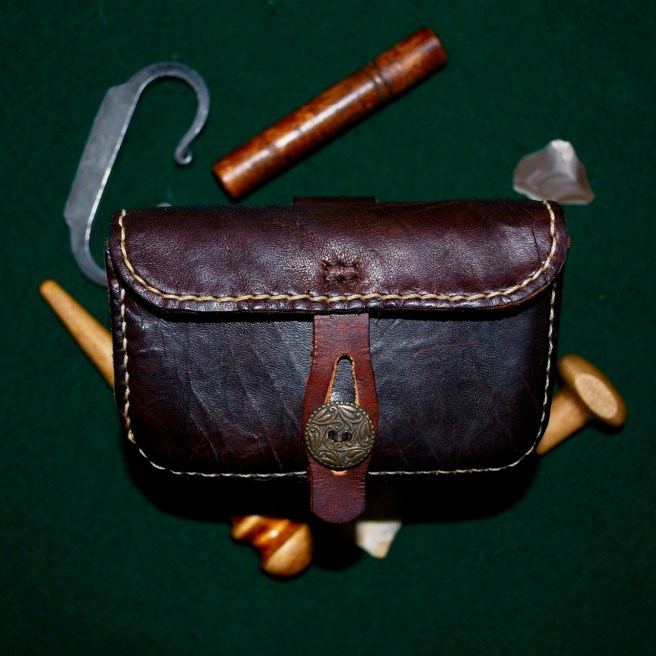
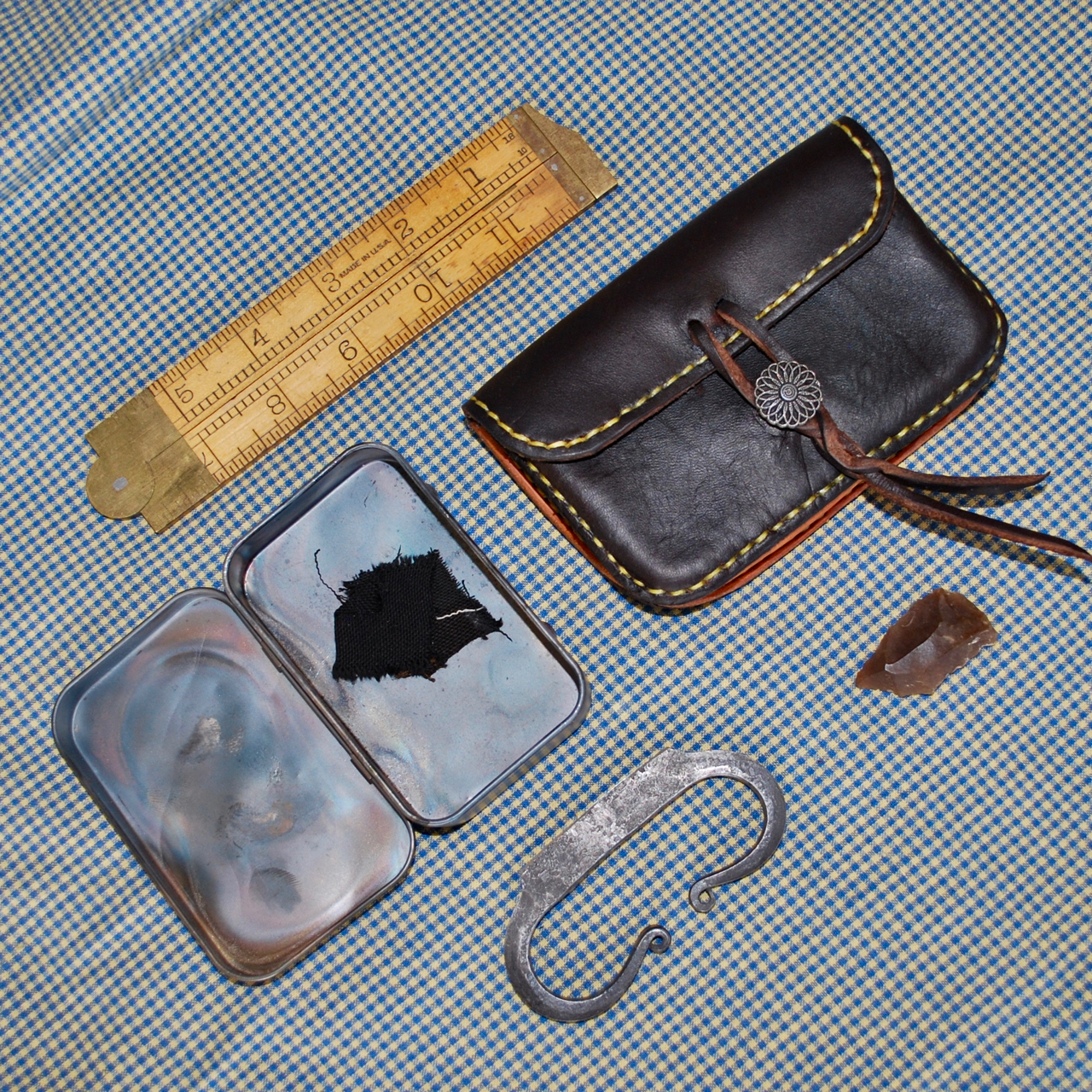
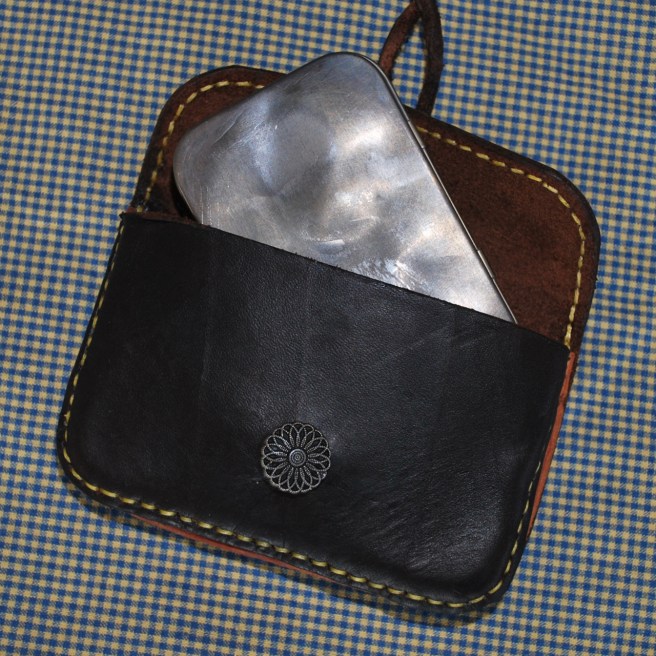
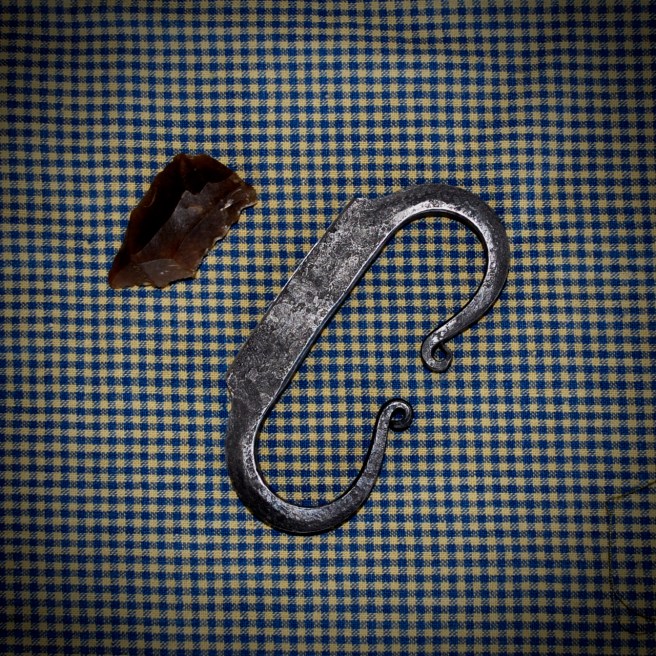
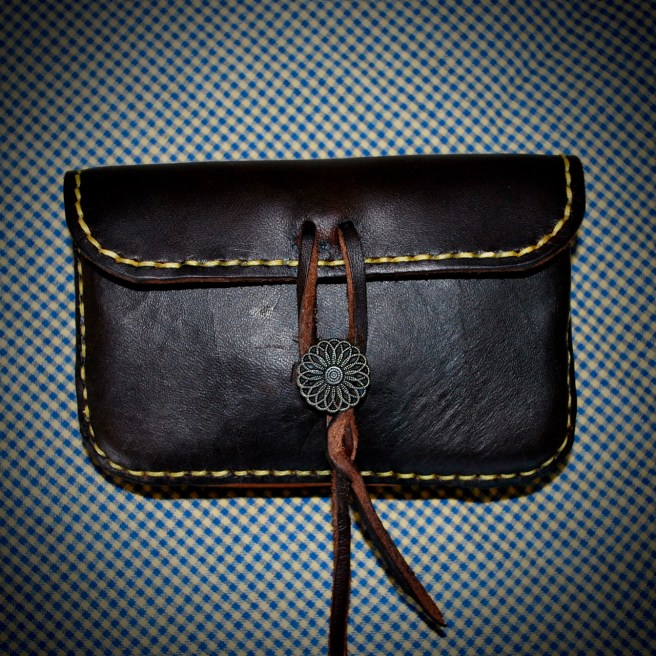
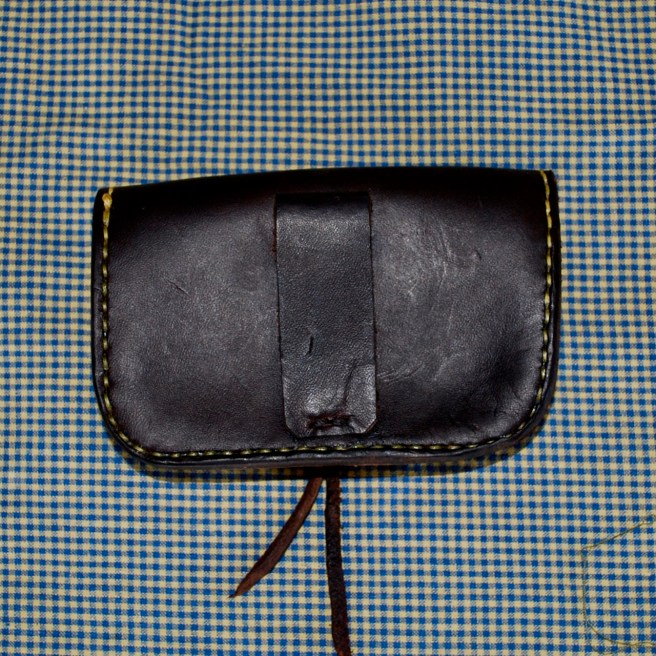
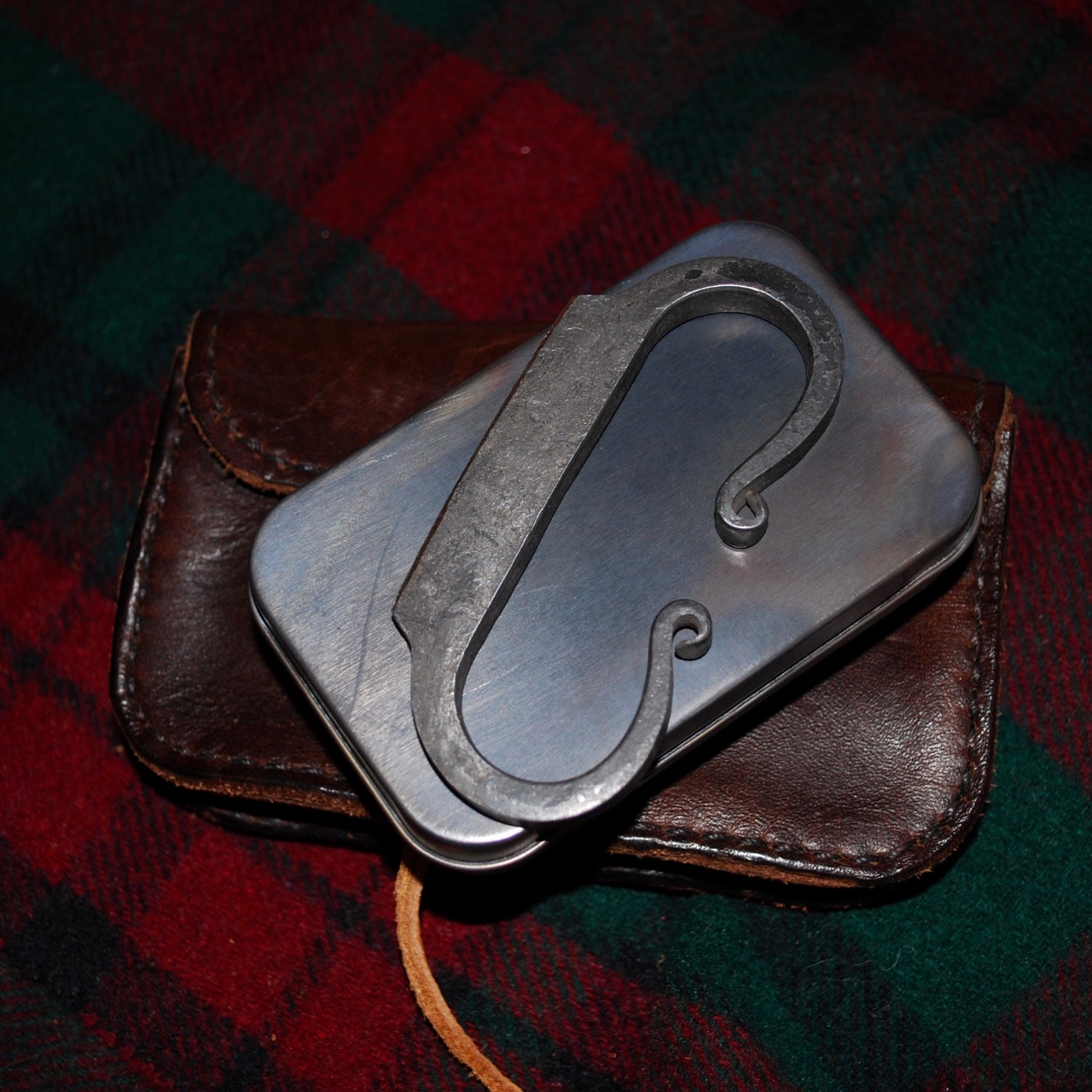
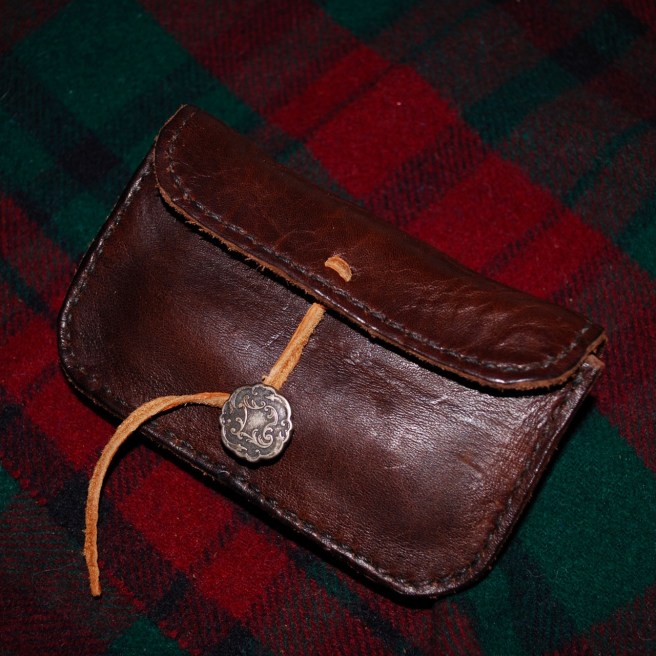
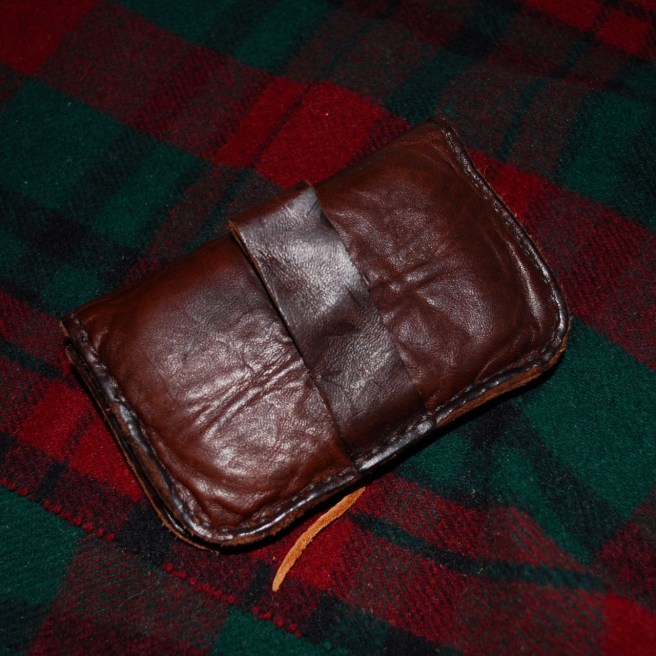
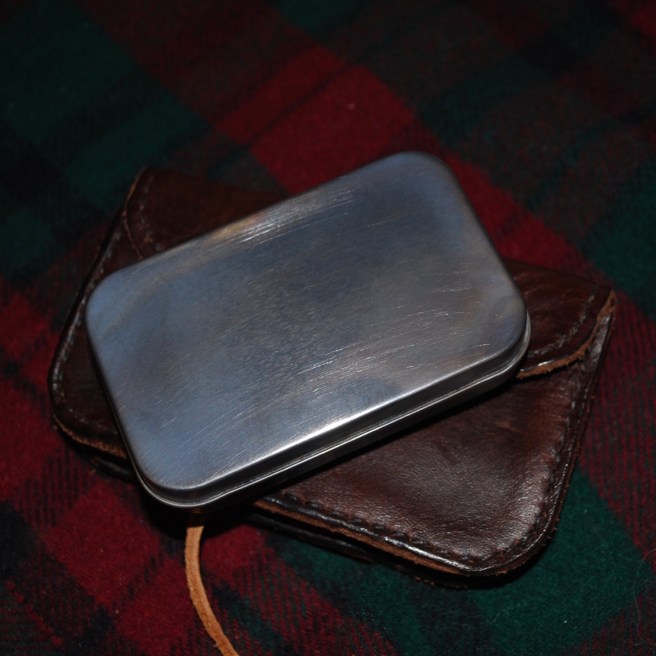
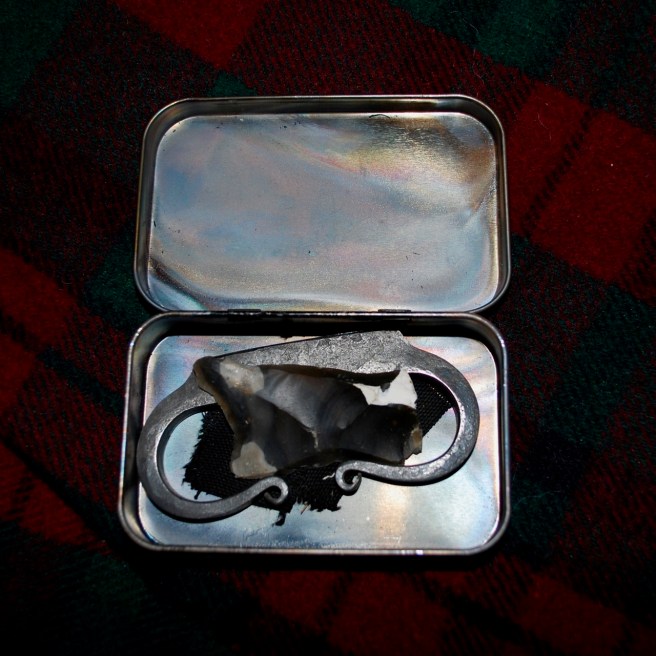
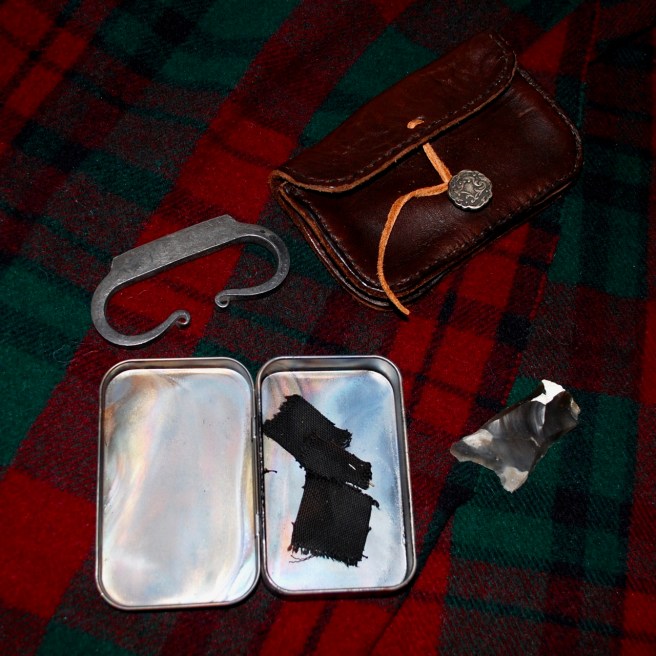
This is a traditional fire kit with TINDERBOX, FLINT, and FIRE STRIKER. This handmade leather belt pouch is constructed from 7 oz veg tanned cowhide and closes with a vintage pewter button. The pouch measures approximately 5 x 3 inches and bellows out approximately 1 inch (interior). The pouch is hung from a belt loop that will accommodate a 2 1/2″ belt.
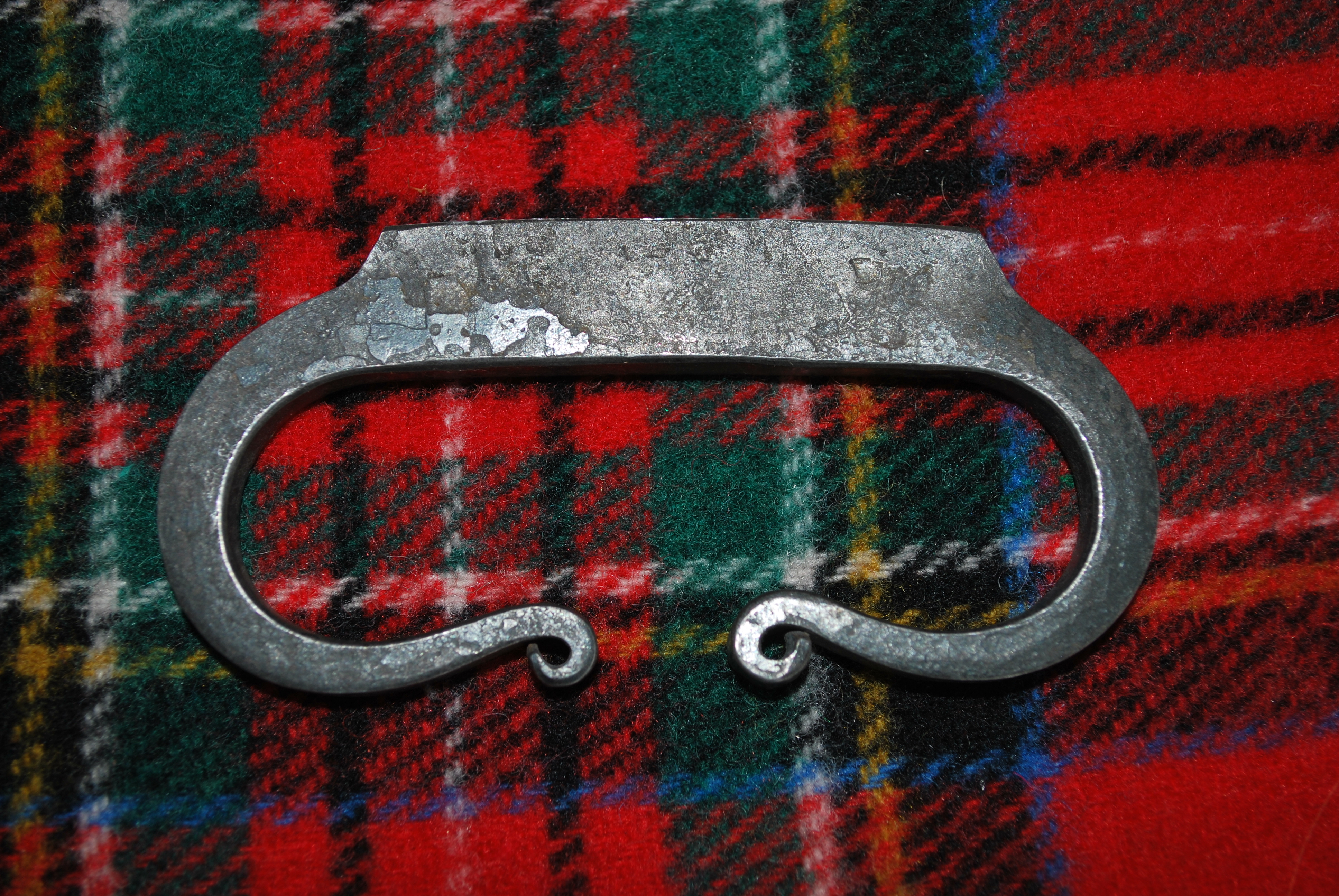
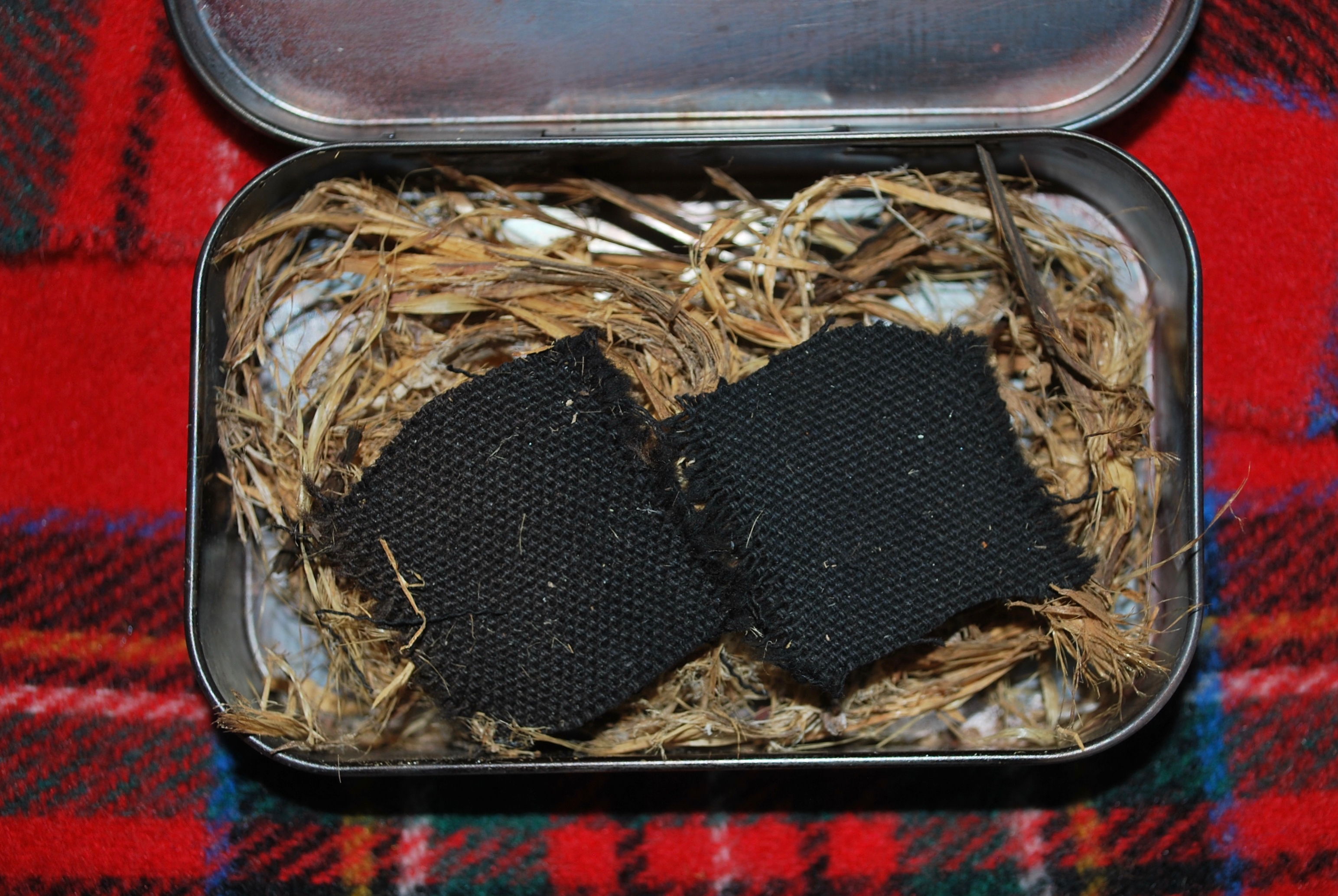
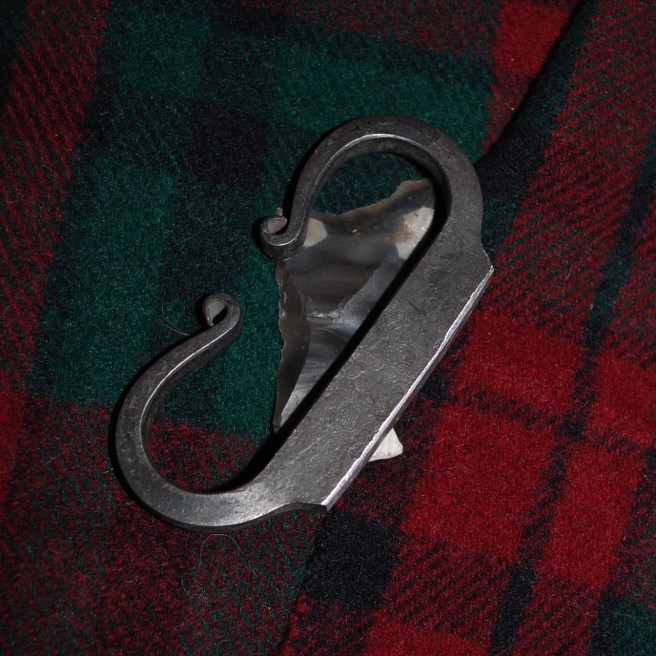
The FIRE STEEL is a collaboration with my good friend Eric at Colonial Iron. It is hand forged high-carbon steel and sparks beautifully. I am including a flint blade made from Knife River Flint (North Dakota). The sheet metal TINDER BOX is a mint tin that is perfectly sized for the job of making and storing charred cloth or punkwood.
The body of the bag is double needle saddle stitched sewn freehand using yellow saddle thread. The bag has been treated with dubbin (beeswax – neatsfoot oil formula made here in the shop). The pouch works well independent of the kit if you carry the fire kit in your pack.
This is a handmade item so please look carefully at the photos for details of the construction and appearance.
Colored saddle thread was on sale at my supplier last month so, guess what? I’m going to try it out on some upcoming projects and see what the reception is. Nothing too flashy, just a bit of red, yellow, or blue on the horizon.
Since I’m also a fan of mixed materials, this next bag is two-toned; Hermann Oak natural and drum-dyed in brown. To my eye it is a good match.I think this combination will age beautifully and settle into a nice two-toned patina. Stacey found this nice pewter vintage button for a closure. The photo above shows it on the workbench stuffed with a rag an drying after wet-forming and burnishing. Tomorrow, it will be time for a coat of dubbin and off to market.
These Flint and Steel Fire Kits are hard to keep in stock. Since I don’t mass-produce things, I’m pretty slow at filling the shop. We did well enough last year that I still haven’t caught up but hope to in the coming weeks and months. Please check out the shop and consider making it a Favorite to keep up on the new listings.
I began version one of my Vardo Caravan eleven years ago this month. As I published updates and details along the way people have for a detailed “how to” for building a vardo. Since everyone’s needs, skills, and resources are different, I will leave the task to others. My suggestions are this. Decide on your basic design wants. Traditional or modern construction? Consider size and weight (I went for the minimum of both). Consider materials. This will determine construction technique. As for traditional or modern? Go look at some used RVs for sale and see how flimsy they are built; not to mention probable issues from toxins in the plywood, pressboard, adhesives, plastic veneers, etc.
Drink in as many details as possible about other wagons. Are they for show or can they take the hammering of bad roads? How do you think they will hold together in a wreck? What kind of long-term maintenance are you prepared to perform? This is why modern RVs are covered in sheet metal or plastic. If you convince yourself that you want to use materials others don’t, then ask yourself why. Are you building an RV that looks “old fashioned” or are you deciding to build with traditional techniques? (Neither is bad, but it may not be practical to mix and match).
Final sketch that built the Vardo.
Above is the written plan I used to create the Vardo. This is obviously not exactly how it turned out as changes were made based upon availability of materials and constant reconsidering of different options. The essentials didn’t change. This is how the arc of the roof was calculated and overall dimensions worked out. I chose to use traditional techniques and plywood only in the ceiling (for ease of building and stiffening the structure). Although glue is used in some areas, the structure depends upon screws and bolts in all critical areas. I decided I was willing to maintain my wagon so the exterior finish is simple oil paint over wood.
Sketch, sheet 2.
The second sheet of the plan was mostly used as a way to gauge sizes, raw materials, and habitable space. I didn’t really build from the sheet.
Figuring it all out.
This is just one of many sketches used to figure out space and arrangements. I looked at Irish Open Lots, Vardos, Bow Tops, and Sheepherder wagons. With so much experience out there, the best arrangements have been worked out many times over. Here’s the link to the rest of the photos from the build: https://paleotool.wordpress.com/plans-projects-and-patterns/the-vardo/
Study and read as much as you can about what you want to build. Make many sketches and plans. Cut out little scale paper dolls to measure out spaces if it helps.

 Kyly the wonder dog got some much needed wilderness time as well. Of course, she always needs to be first down the trail.
 I think she nearly forgot just how much she loves water, even if it was extremely cold. I think she swam back and forth about five times… just because.
 It was also a much needed time in the woods for Stacey and I. Even a quick trip into nature does something magical to reset the brain; no sounds of machinery, just the wind, the water, the trees, and the birds.
 One of my favorite pastimes of old; just sitting and watching and listening.
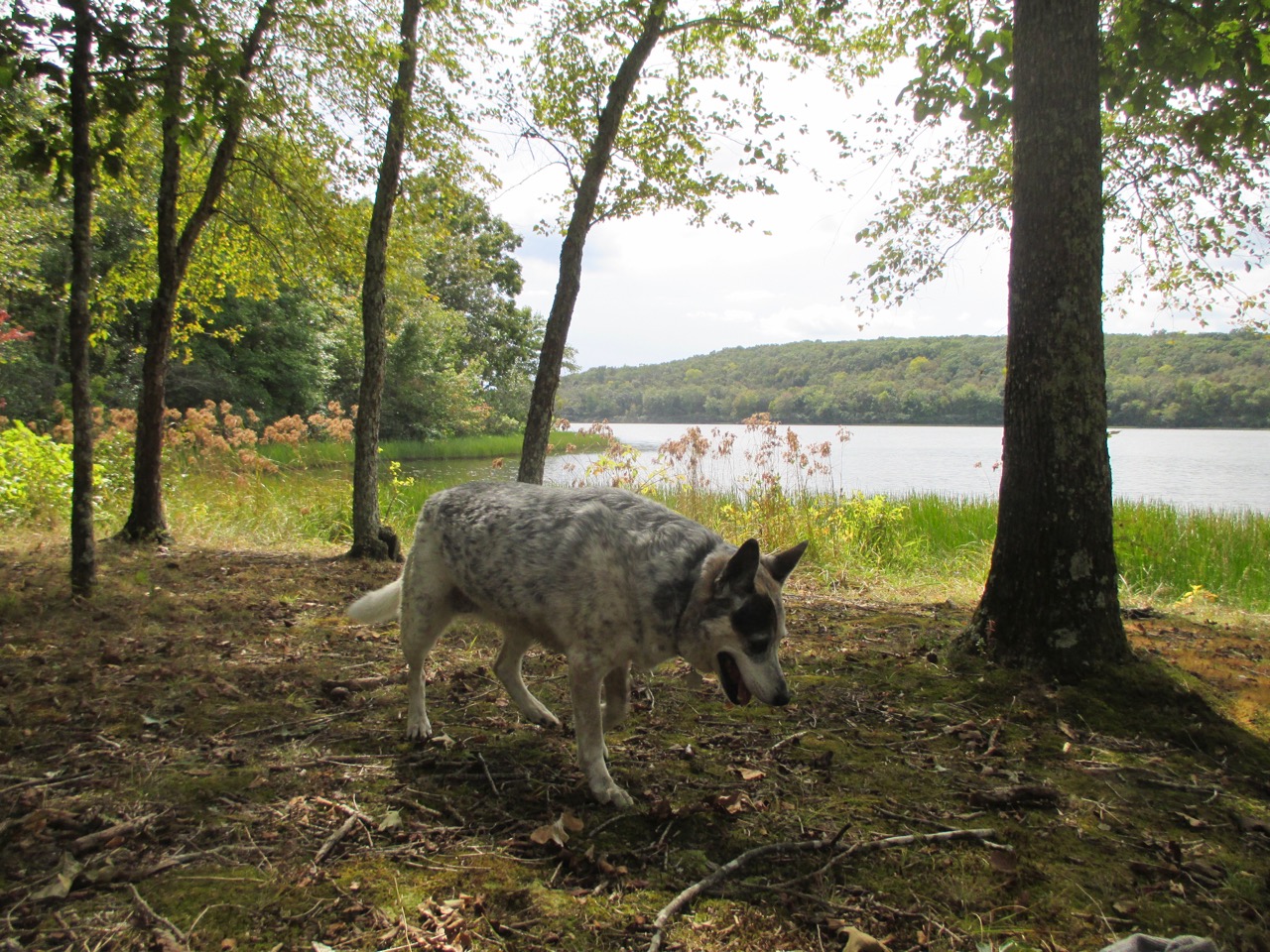 When it finally came time for lunch and a nap, this little patch of ground served us all well.
 And the view could not be beat.
 Even with all the distractions, our girl needs a certain amount of “stick time” on every walk. I think it is the obsessive need to work bred into these guys over so many generations.
 And back into the water for a cool-down before we headed back.
 Happy trails to you all.









 Preindustrial Craftsmanship