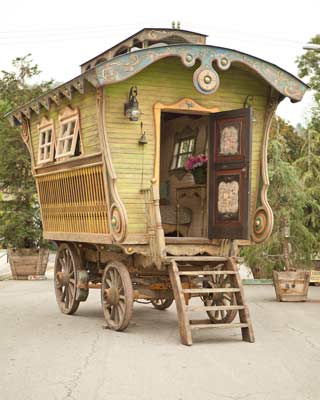
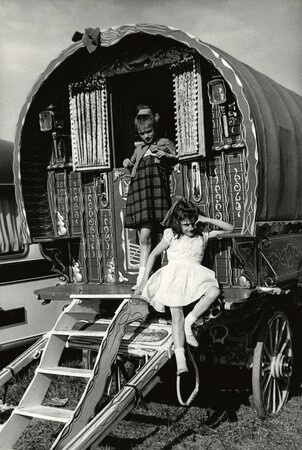
This is an awesome Burton wagon (waggon). These monstrosities are extremely heavy and somewhat limited for travel due to the smaller wheels. Very popular with showmen as well as the more prosperous Romany in their heyday in Britain.
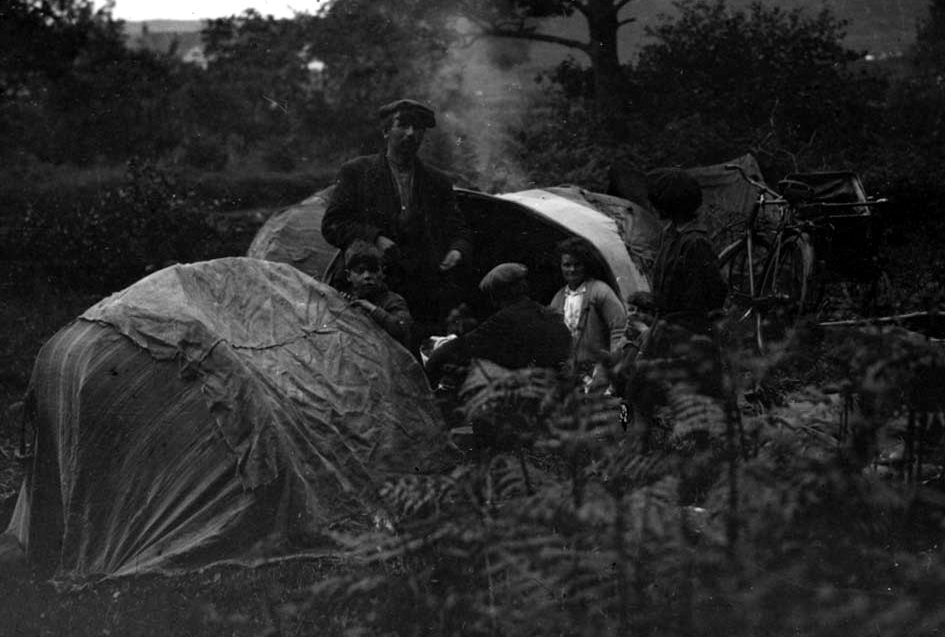
This is part of a series of images, mostly Romany, Irish and Scottish Travellers collected from around the internet. Many of these historic images found on the web are without citation. When a clear link to a source is found, I try to include it. If a source is known, please pass it on and I will gladly include it or remove it if necessary.
The Evolution of the Vardo and where did it begin?
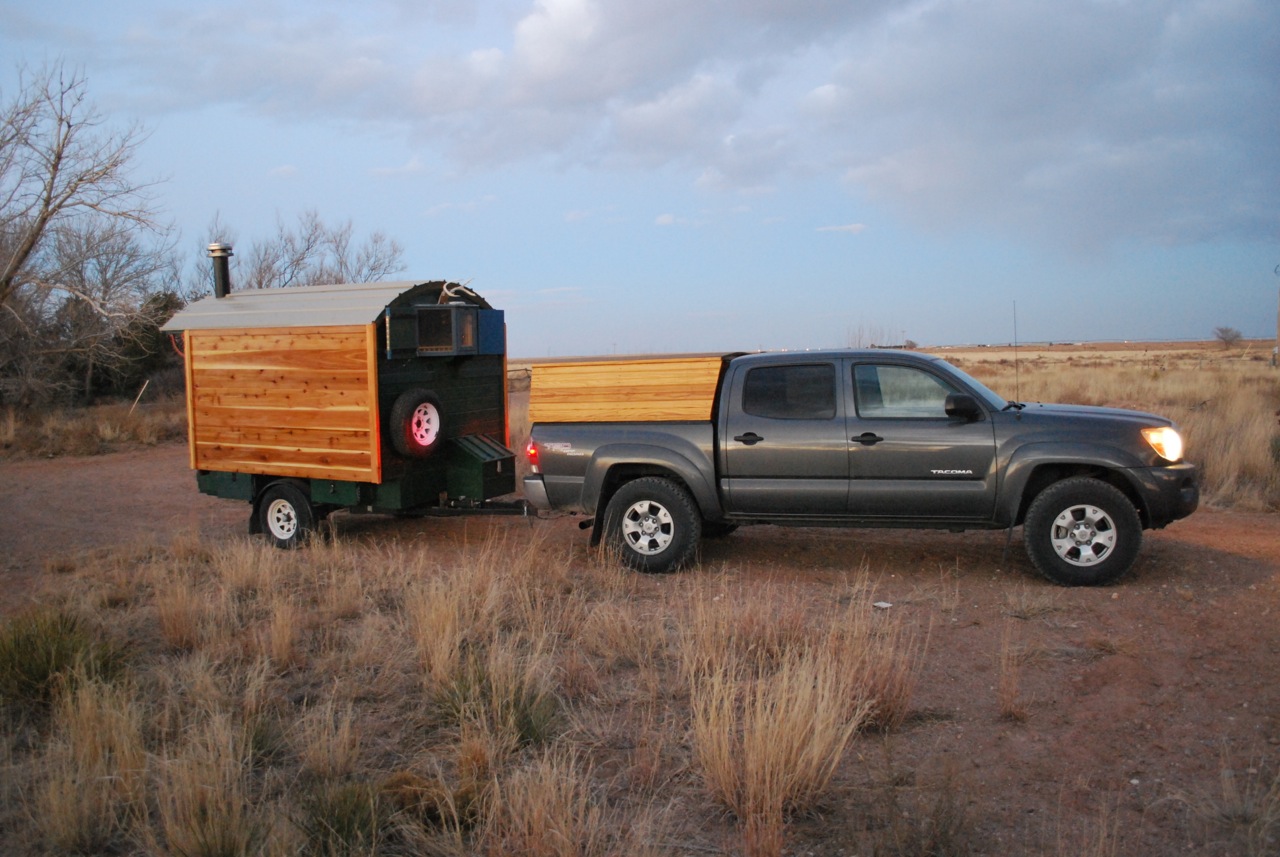
I think it’s time for a response to some of the correspondence generated from the Vardo known as the Snail that is chronicled on this blog. It’s my home on the road and a big part of my life.
Ready for the Road.
First of all, thanks for all the positive comments and discussions started by this odd-ball pet project of mine. I was hesitant enough even starting it much less chronicling it on the web for all-and-sundry to see. As far as the detractors go, I don’t really mind well-thought-out comments that criticize the wagon but needless commentary on how it “should have” been done is really a waste of space here. I won’t compromise my design to fit someone else’s idea an RV they want to have. Build one, show the world, we’ll all be inspired in that way. (And no, I will not build one for you at this time. You can buy this one or steal my plans for free).
As the vardo passed 4 years old this month and comes up to it’s 20,000 mile mark, some changes are in the works. Nothing too major. Just tidying up the loose ends and finishing all the bits that never happened. It’s time to reassess. New siding, some windows, lots of finishing touches to make it more livable. Updates to follow.
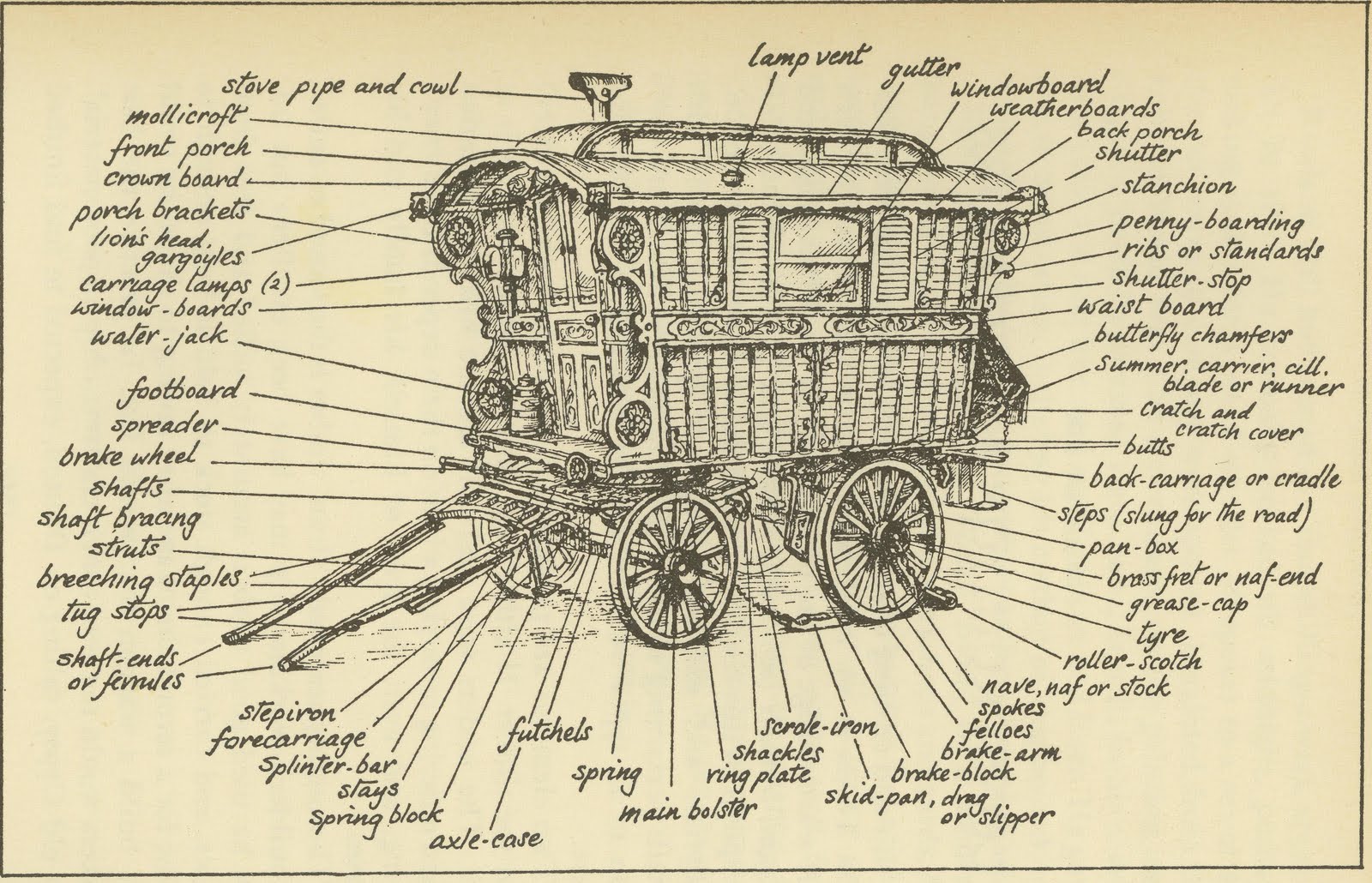
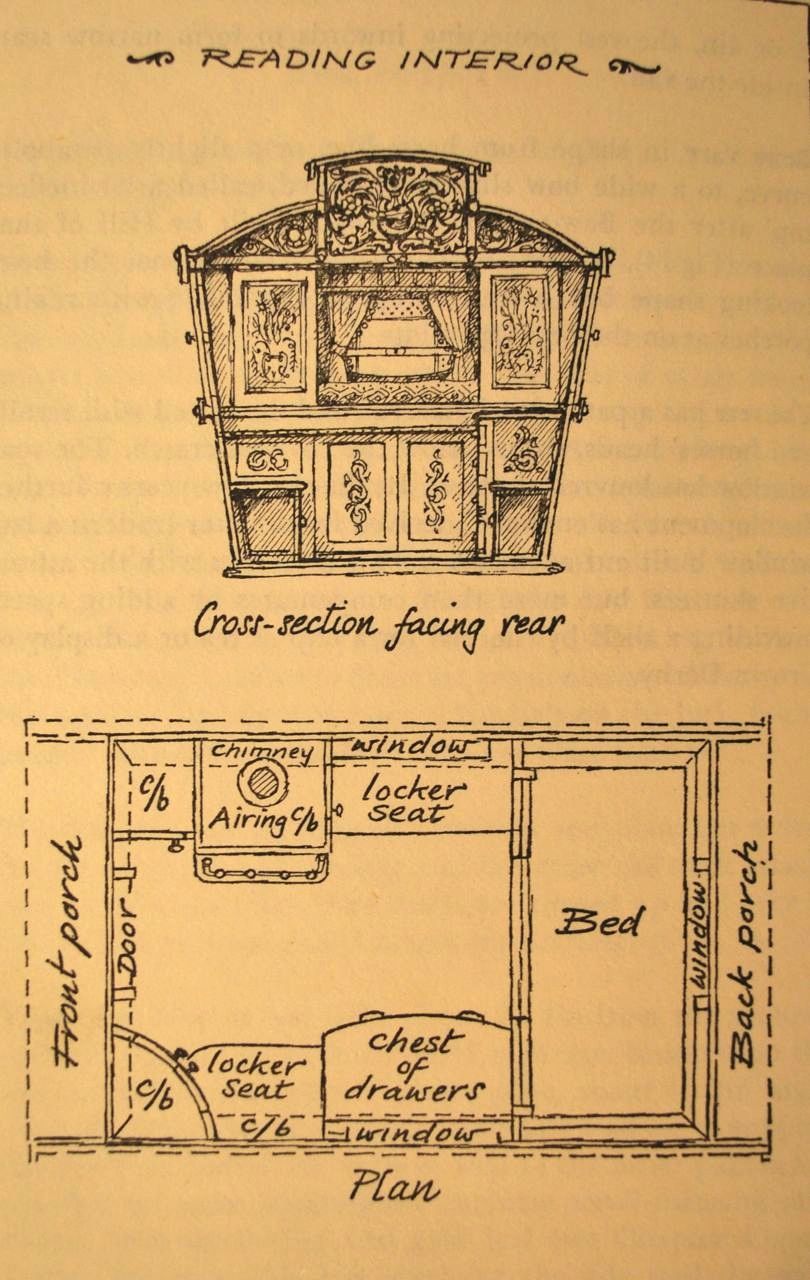
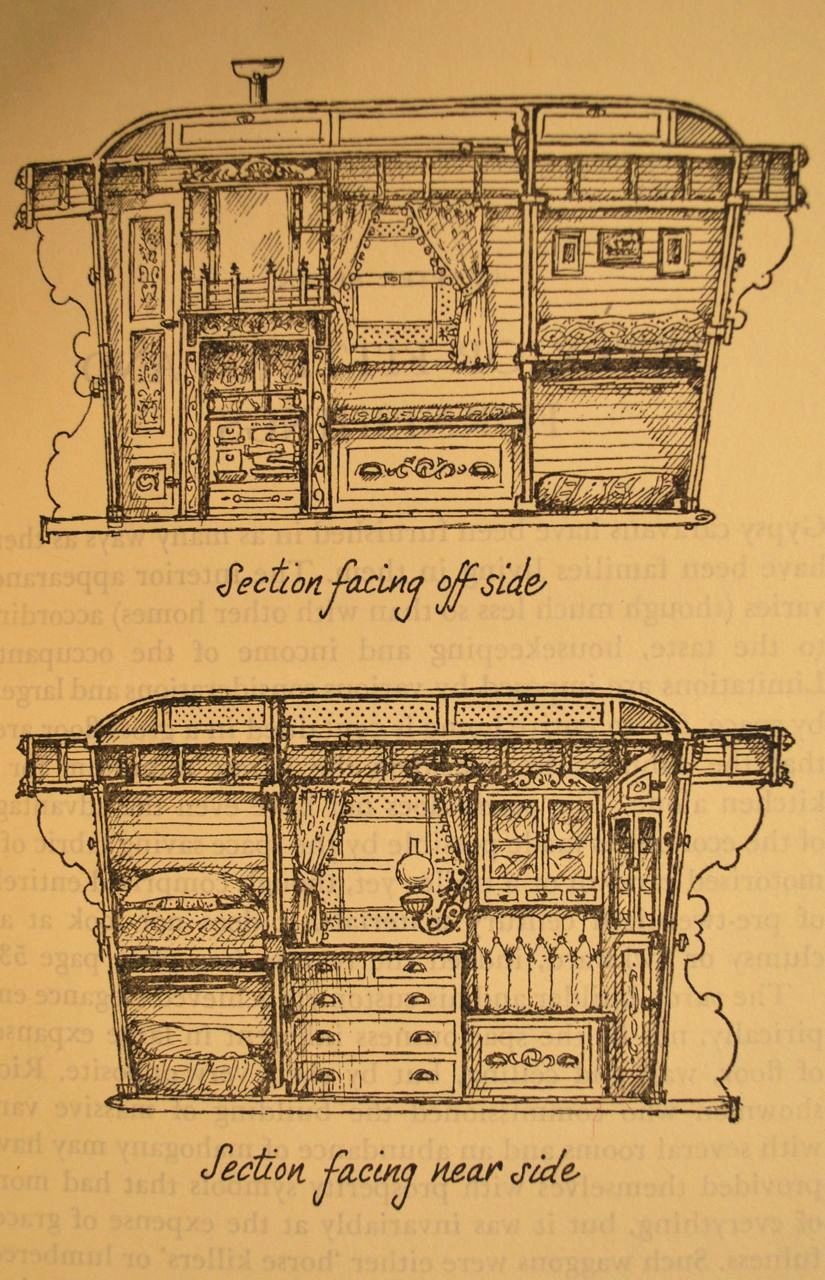
So where did this project begin? Long ago, while pondering the cargo trailer and pickup truck I owned and thinking about rolling homes I read the book English Gypsy Caravan: Its Origins, Builders, Technology and Conservation by Cyril Henry Ward-Jackson and Denis E. Harvey and I thought it would be great to tow something like this behind a truck. It showed the design of the vardo in all it’s glory. Unlike the BenRoys, the “slouchies” and teardrops I had considered the old fashioned “showman” or “Gypsy” vardo had a classy look and feel that a woodworker can appreciate and all the amenities of home, if rather spartan for some tastes.
The question was: Can I make this work at highway speeds? It seemed unlikely but I am hard-headed. The internet was no help at that point as I couldn’t find anyone with a similar design online so I looked to the library. Little help there but there was plenty of information documenting old-time wagons if one were willing to chase down the leads. And so it began. The more I looked at the plans, the more I thought this could really work.
I am a firm believer in looking to the past for solutions. Maybe it’s the skeptic in me but I think most of our modern answers are based on what someone wants to sell us, not what is the right way to do something. I’m not against innovation. But how can I improve on a layout like this? Remember, most real living is done outdoors, not confined in the house.
I admit, I dumbed down the 19th century workmanship to fit a modern time and financial budget but the inspiration was there. From these drawings, my home was born.
More sketches, the evolution of the design and more of this babble can be found on the “Sketches” page or a complete photo log of the build can be seen HERE.
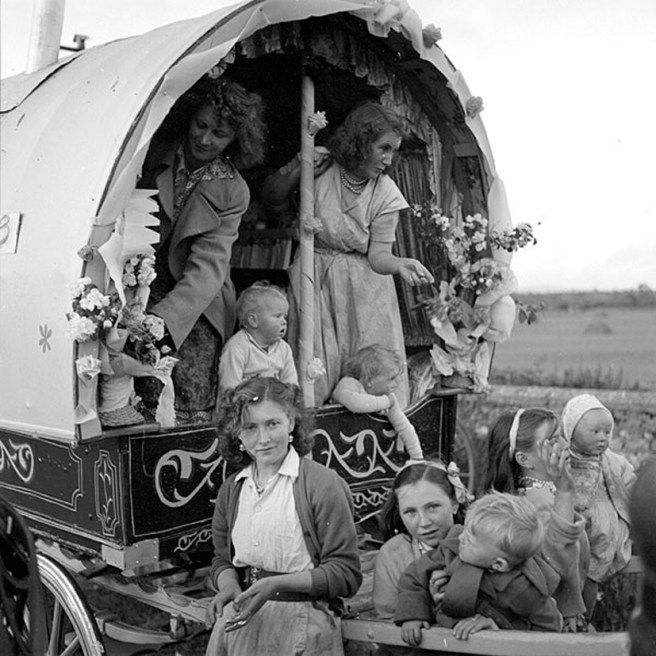
This is a beautiful painted bowtop next to a more modern caravan. I suspect this image is from one of the large fairs in Britain but I can’t find information on it. It looks like the ladies are done up in their finest for the photo.
This is part of a series of images, mostly Romany, Irish and Scottish Travellers collected from around the internet. Many of these historic images found on the web are without citation. When a clear link to a source is found, I try to include it. If a source is known, please pass it on and I will gladly include it or remove it if necessary.
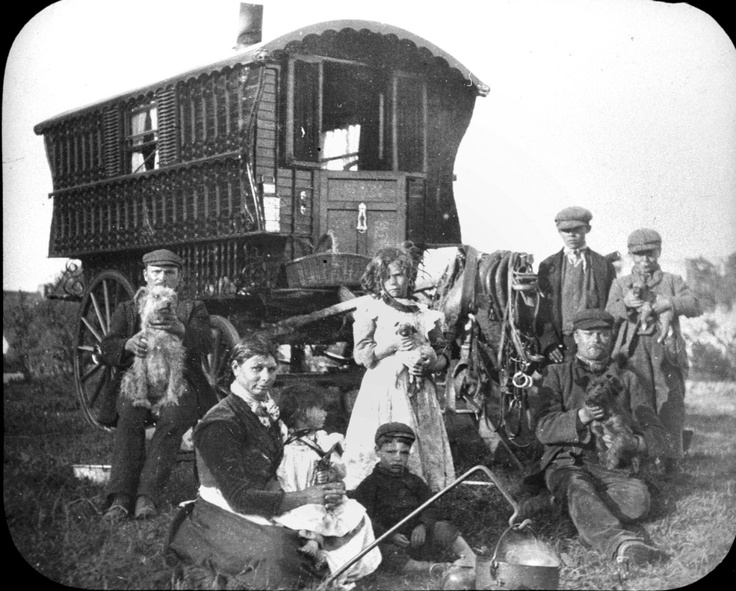
A family and its dogs.
This is part of a series of images, mostly Romany, Irish and Scottish Travellers collected from around the internet. Many of these historic images found on the web are without citation. When a clear link to a source is found, I try to include it. If a source is known, please pass it on and I will gladly include it or remove it if necessary.
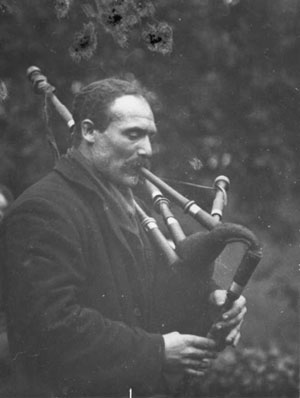
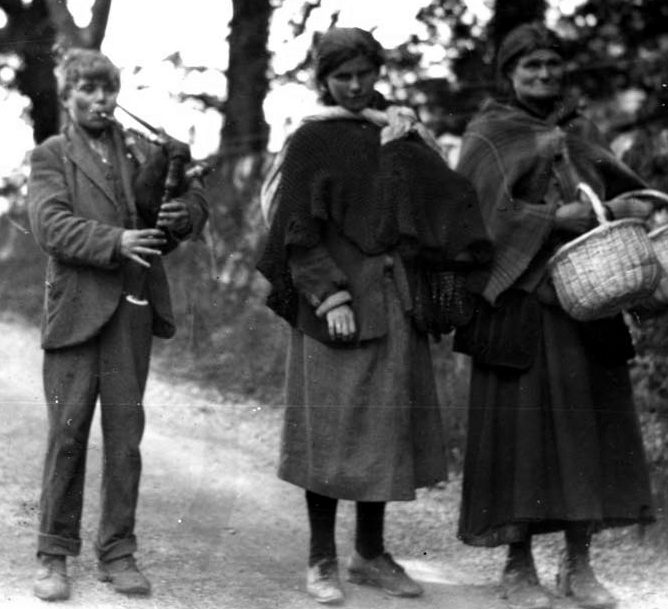
Musical Family.
This is part of a series of images, mostly Romany, Irish and Scottish Travellers collected from around the internet. Many of these historic images found on the web are without citation. When a clear link to a source is found, I try to include it. If a source is known, please pass it on and I will gladly include it or remove it if necessary.
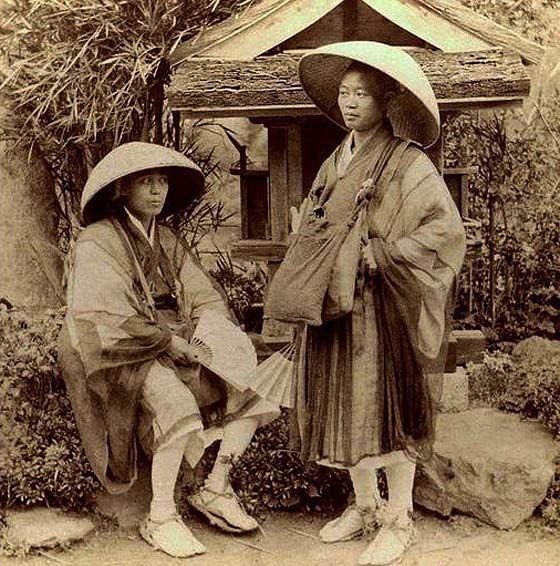
More Historic Minimalists – religious wanderers from the East
Wandering Monks part 1 – The Buddhist monks that travel much of the year throughout Asia are about as minimalist as one can reasonably get. Early Buddhist monks were instructed to own, as based on the Pali Canon, a very simple set of eight items. Things have, of course, changed over time and religious wanderers have changed with it.
outer robe
inner robe
thick double robe for winter
alms bowl for gathering food and eating
razor for shaving
needle and thread for repairs
belt
water strainer for removing impurities from drinking water
Everything thing else was communal or gifted to them, including food.
Wandering Buddhist Monks part 2 – Things have changes in the past 2,500 years and the natural hardships of a traveler’s life warranted a few additions to an allowable kit of possessions. A revised and more modernized version adds a few more necessities (not everyone is up to the task of living in real poverty or misery; also, the communities of non-mendicants have some expectations about cleanliness, etc.). So in addition to the above eight possessions, the monks carry:
Bowl
Three robes, inner, outer, and warm
Bathing cloth
Umbrella, some sects mention a small tent as well
Mosquito net
Kettle for water
Water filter
Razor
Sandals
Small candles
Candle lantern
It should be remembered, these monks were part of a Sangha (intentional community of Buddhists) so there were communal objects for the rainy season when they weren’t traveling and there is a long tradition of charity towards holy men that we no longer practice in the West (other than tax exemption for churches and the National Football League).
Wandering Buddhist Monks part 3 – Of course, the world changes and the esoteric lifestyle adapts with it. Modern Buddhist mendicant monks might carry a few extra things in order to live reasonably within the modern world. This becomes a very realistic list for the modern traveler. Over many centuries, it became apparent that being acceptable and able to fit into society in general was an important thing. Good appearance, cleanliness, and preparedness helps one not be a burden on the community. I understand the need to fit-in and remain incognito when appropriate. After all, isn’t that what our daily costumes achieve?
Later realists again modified the kit of the wandering Buddhist mendicants in eighttypes of personal utensils or belongings (adapted, in part from RAHU website, Singapore). There are a total of 8 necessary requisites of the Buddhist monk garments and utensils. I big part of the teachings of the Buddha are concerned with an intentional, non-harmful, and simple life.
Mantle Robe – Traditionally made by the acolyte himself, but may also be a gift.
Sarong (Sabong) – This is a simple, unadorned under garment and is worn 24 hours a day.
Cotton Belt or Girdle
Shoulder Scarf – It is a long thick brownish-yellow scarf and regarded as a monk’s multipurpose cloth and is generally large enough to use as a blanket in winter. During a long trip or visit, this thick Sangkati can be folded and used as a cushion.
Black Alms Bowl with Lid
Razor
Needle and Thread
Water-strainer
In addition the initial eight things, some items have been added, not just for survival, but for the comfort and convenience as monks might find themselves as guests in a temple, in major cities, suburban settings, or the wilderness.
Three amenities are added for convenience: undershirt, a small bathing loincloth for modesty, and a bath towel. One cannot be filthy in a tight, modern setting.
Bedding – Still considered luxury items for the monk: grass mat, pillow, blanket, mosquito net, and a cushion for sitting.
Necessities for the traveler: hand bag (for carrying all this stuff), handkerchief, knitted hat, palm leaf fan, umbrella (for sun as much as rain), and sandals.
Eating utensils: Dish, Bowl, Spoon & Fork, Hand Towel, A set of Food Trays containing plates and bowls, Tiffin Carrier.
Hygiene and cooking – Drinking water must be cleansed of dirt and germs. This is critical for good health. Water is the only thing a monk can freely ask for or take as needed. In that vein, several other tools are allowed and encouraged: stove, pot for boiling water, mug for hot water/tea, water glass, water jug/bottle, tea kettle, Thermos bottle for ice or hot water as needed.
Toiletries – Buddhist monks should be clean and have pleasant personalities. They need some necessary objects, the same as other people water container, soap, soap container, tooth brush, tooth paste, body towel, tissues, spittoon, medicinals.
Domestic Objects: These items should be available to help monks in case of emergency. lantern or electric lamp, flash light, alarm clock or watch.
The latter list is a very complete list of real essentials. Having a codified list to pack from can be comforting, just like the lists the Boy Scouts still make for High Adventure programs. Looking at a little knowledge gained by our predecessors goes a long way.
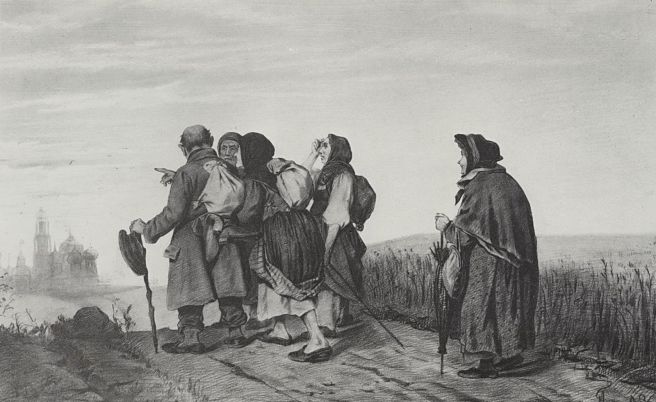
Pilgrims on Pilgrimage – Vasily Perov (1834-1882)
Why did I choose the Buddhists specifically for this example? Europeans have our own traditions, just without as much documentation. We’re a free-form lot. These folks certainly can sleep rough as need arose on a holy pilgrimage and don’t appear to be overburdened with stuff.
Matthew, Mark, and Luke all report that Jesus taught his disciples; “If you wish to be complete, go and sell your possessions and give to the poor, and you will have treasure in heaven”.



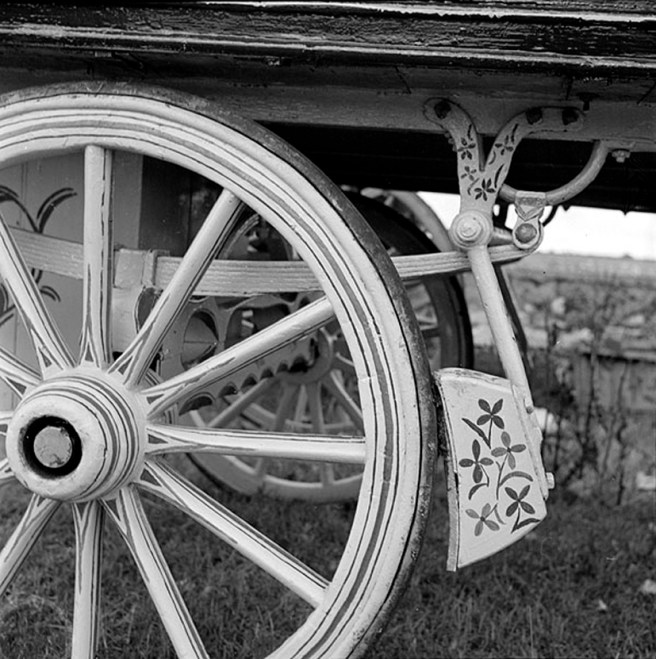

 Preindustrial Craftsmanship