Jobs, Work, and Taking Control of Possessions (an updated ramble)

“A man is rich in proportion to the number of things which he can afford to let alone.”

Henry David Thoreau, Walden.
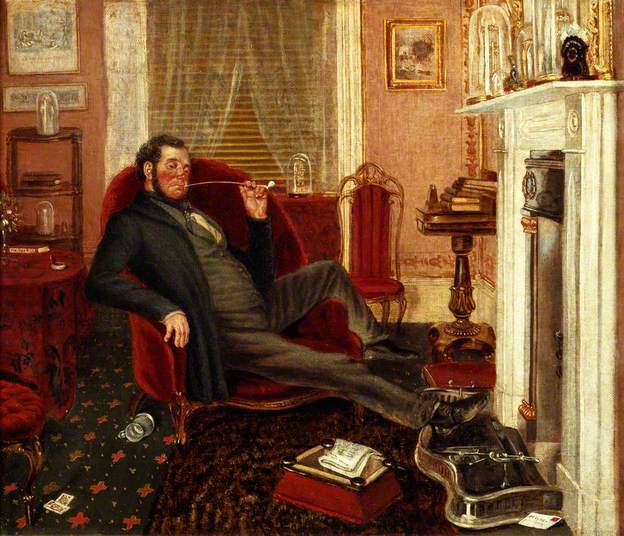
Comfort in the parlour. Artist, John Edward Soden, ca.1836–1897.
Comfort in the Parlour. Artist, John Edward Soden, ca.1836–1897.

Possessions don’t make us happy!  Situations do.

Possessions, desire, covetousness, craving, yearning, lust; these forces drive humanity. Somehow each generation of moral thinkers know these things are ultimately wrong and look for something deeper.  With virtually every major religion and most schools of moral philosophy reiterating this through the millennia it’s surprising any of us even pretend to a higher conscience in the age where consumption is a human’s primary role.

taoist-monk
A Taoist monk wearing a coat made from cast-off scraps of cloth as a sign of his un-attachment.

And yet, each generation produces it’s share of radicals who cling to the hope that we can get more from life by having less. 

At some point, some of us have an epiphany about what is truly important in life.  It’s not the pursuit of money.  Life is short, so if you don’t enjoy what you do from day-to-day, them something needs to change.  Look around.  How many ways are people and companies trying to sell you something you didn’t even know you wanted?  Is it worth selling your soul, one hour at a time?  Not to me.  Not any more.  Like so many people before me, I wasted much of my youth.  Not all of it, but large swaths of time were sold away to an employer for mere money.  Not that giving time to a cause is an evil in itself.  Helping a friend, working with kids, or teaching a skill; all are noble pursuits and are, in a sense, work.  These things just don’t fall into that class of mindless drudgery that makes up most day jobs.

Filling a McMansion with junk is not a road to happiness. It's the road to enslavement.
Filling a McMansion with things you don’t need while struggling to pay the mortgage is not a road to happiness. It’s the road to enslavement.

Even in our hobbies, generally they are just fillers.  Something to be done in our leisure time, and somehow not part of “real life.”  Isn’t this backwards?  Shouldn’t we fill our days with things we love; music, family, reading, writing, wandering, or just plain idling?  We are taught to criticize the idle and there is possibly some logic to it.

At a family or village level, its easy to see how we might resent someone who doesn’t pull their weight; and rightly so, but that doesn’t mean we need to forget to live a satisfying life along the way.

I am often amazed how angry even the most privileged people become when they think someone is getting a handout for free.  Taking this to an extreme, people relish in the schadenfreude*.

I think many of us are that person at some point in our lives, but with  spiritual growth, this petty thinking will be only a phase.

vino_monaco
Finding your  joy.  In this case, a little wine, song, and presumably, camaraderie.

We have, as a society, confused real and honest work, with mindlessly stumbling to a job.  Even with a so-called “good job” most of us have no stake in our employer, other than making sure the check comes regularly.  Choosing to not punch the clock does not make one a slacker.  My friends and acquaintances who choose to live outside this system are the hardest working people I know.

They just don’t sell their lives cheaply for others’ gain.

kitchengarden
Maintaining a garden is work, but providing for yourself and family directly eliminates the constant need for the middle-men.

Taking control of your needs, even a little, alleviates some of the more abstract time demands paid out to someone else by serving yourself directly.  The most negative comment I have heard about doing these things for oneself is “I don’t have enough time!”  Yes, doing things like gardening or making clothes or furniture or tools takes time but at some point it becomes a trade-off.  Is it a bigger waste of time to commute and hour to work each way or spend two hours with the kids in the garden?

For me, there’s no question; and I’m certainly not the first person to reach this conclusion.
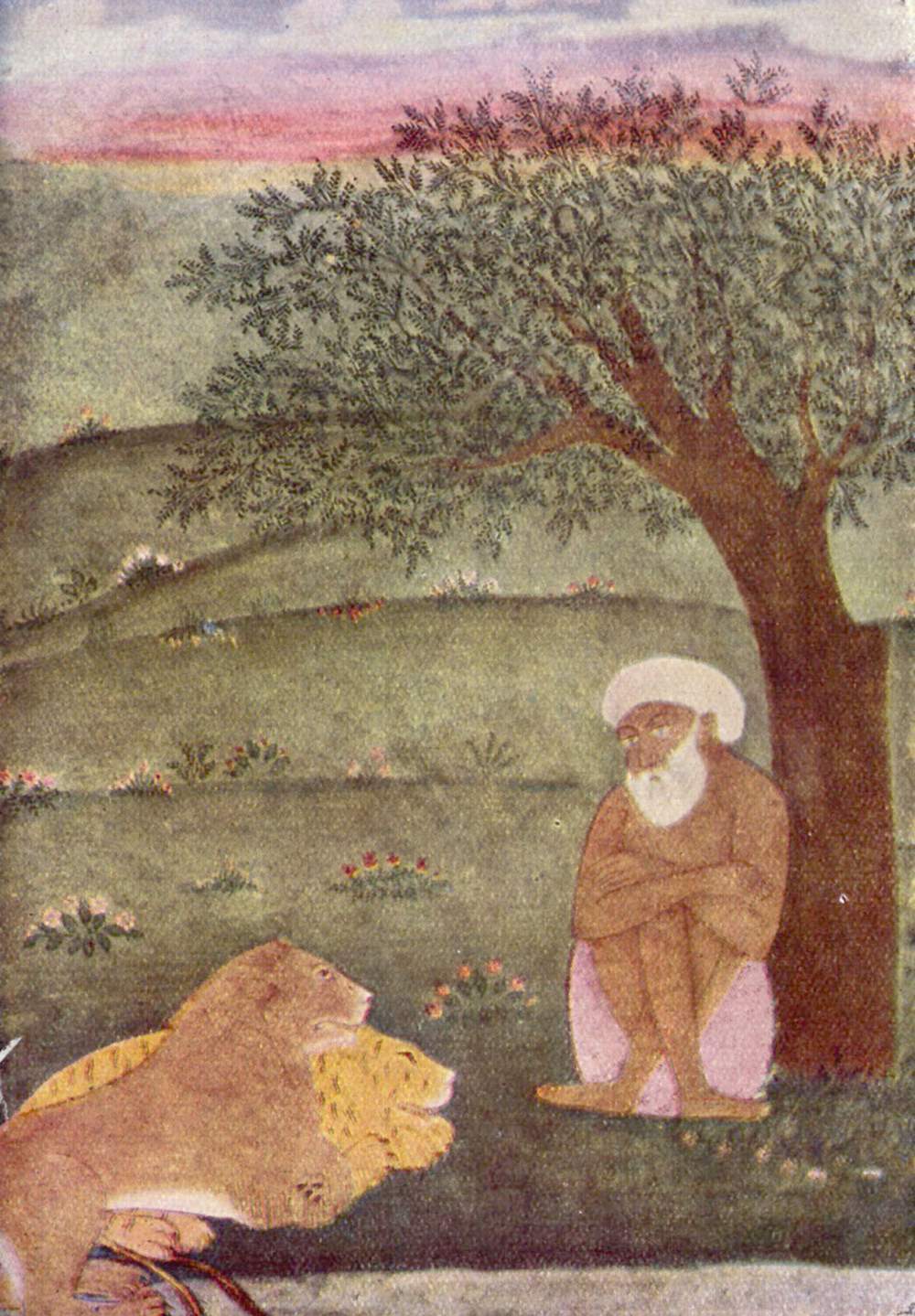
Indischer_Maler_um_1650_(II)_001
Finding your inner peace.  Dervish, with leopard and a lion, ca 1650.

I think this need for, or as a result of, spiritual awakening is the driving force behind many religious and philosophical movements over many thousands of years.  And, of course, they are all the one true path, religion, paradigm, whatever-you-call-it (leading to division, persecution, strife, and war; some irony, eh?).  Once the epiphany hits, there is realization that the system is not really necessary.  To make it through life, few possessions are truly essential.

Join me on a journey to a better life…

gandhi
A well-known photo of the personal effects of Mahatma Gandhi.

“Chase your passion, not your pension.”
— Denis Waitley

*Schadenfreude– the feeling of joy or pleasure when one sees another fail or suffer misfortune; an all-too common evil in humanity.

ProtoStoga

I want to re-share this camper I posted about back in 2010.  I would still like to know more about it but love what I’ve seen so far.

I see some definite similarities to my own concept of a vardo but I really like to metal sheathing as a modern, low maintenance exterior.  Also, the rounded front was a long consideration in my plans but in the end I chose a more “old-timey” look.

You can just about see the evolution of the Airstream design in this construction.  They also have a nice Tiny House that’s worth checking out here: http://www.protohaus.moonfruit.com/

For those who don’t follow the Tiny House Blog, check out the ProtoStoga here:

http://tinyhouseblog.com/tiny-house-concept/protostoga/#more-12243

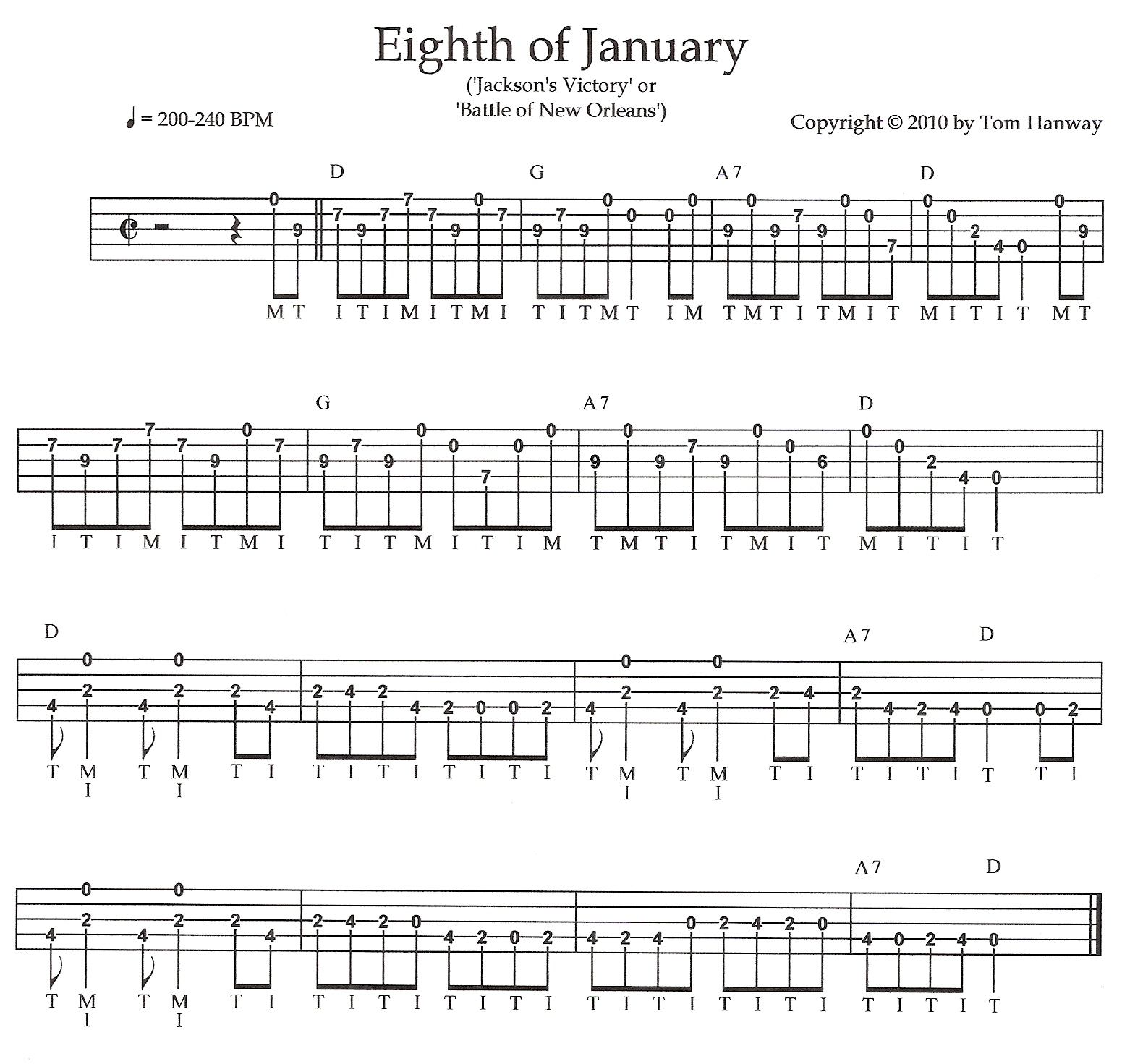
Eighth of January

The Battle of New Orleans, 8 January 1815 –

“On January 8, 1815, Major General Andrew Jackson led a small, poorly-equipped army to victory against eight thousand British troops at the Battle of New Orleans. The victory made Jackson a national hero. Although the American victory was a big morale boost for the young nation, its military significance was minimal as it occurred after the signing (although before ratification) of the Treaty of Ghent that officially ended the war between the U.S. and Great Britain. The battle was fought before word of the Treaty reached the respective armies in the field. The anniversary of the Battle of New Orleans was widely celebrated with parties and dances during the nineteenth century, especially in the South.” from the Library of Congress website.

Folk musicians of Americana know this day for the wonderful standard performed under various names, generally as 8th of January.  Enjoy!

Here’s a simple tablature found over on the Banjo Hangout.

https://www.hangoutstorage.com/banjohangout.org/storage/tabs/e/tab-eighth-of-janua-12681-3034101012010.jpg

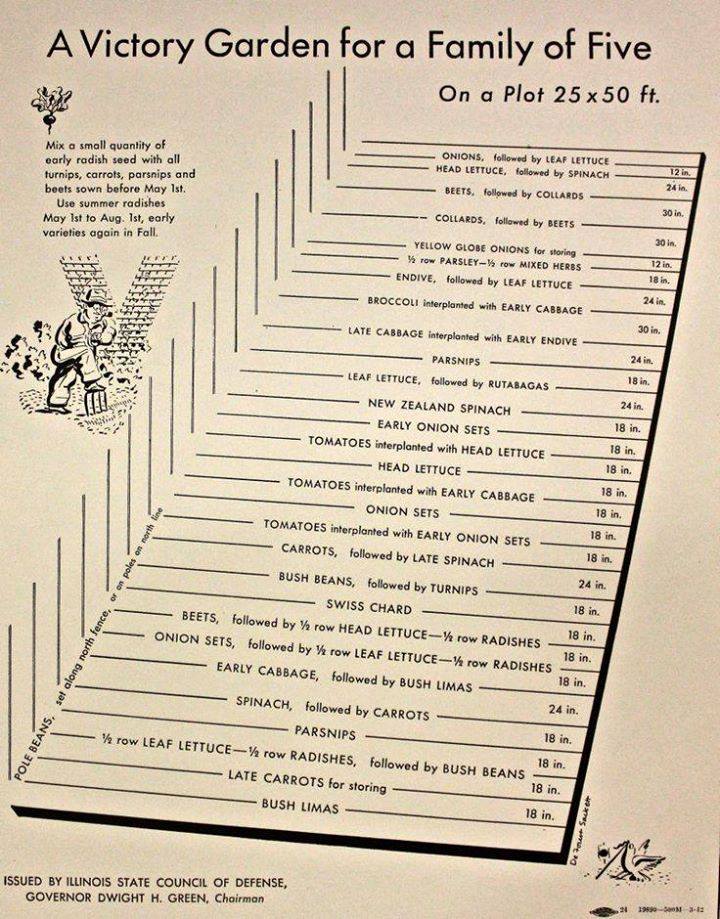
Gardening With Purpose

It’s time to start some seeds.

We still don’t have a great place to garden but it is improving each season.  Pesky critters were quite a problem last year so we are working to improve this as well as the poor clay soil at the new house.

This plot might seem too ambitious but, if you shop wisely for seed in bulk, even a low-yield from a garden this large would really supplement the family needs.  Small packets from the hardware store really add up to high cost so I suggest ordering directly from some of the larger seed companies; it’s easy and fun to shop the catalogs.  They are generous with coupons and discounts for small-timers like us so, if you are considering a garden at all, I suggest singing up.  Here are the two I have used for years.

Thoughts Provoked by a Sloyd Workbench Advertisement

A bit of personal history –

I never touched a tool in high school.  When I was there, kids were openly placed in two “tracks;” either Academic or General education.  I know I wasn’t the sharpest student and I generally disliked almost everything about being in school but I was placed among the Academics.  In lieu of shop classes (woodworking, metal shop, electricity, etc.) I learned a lot from a former engineer-cum-teacher who taught Drafting and Engineering Drawing.  This was the closest thing to shop class a kid on the Academic track could do.  Why? I have no idea.  We learned about house design, making scale plans, estimating materials, and other useful things.

Engineer drawing.

Fortunately, my grandfather was a handy guy who grew up on a farm and spent his early years in the building trade so I learned the basics of using a square, compass, saws, planes, and the like from him.  Also, being left as a somewhat feral child, I was able to use and abuse the family tools and learned many valuable lessons the slow and often frustrating way.  When I was sixteen, I began working part-time for a construction company as a laborer with the thought I might make that my profession.  I learned a lot, both good and bad, by observation and exposure, and continued to work as a carpenter in various capacities through graduate school a decade later.

Elementary school Sloyd.

Where am I going with this ramble? 

It was a long and meandering road for me with many side excursions and dead-ends, and although I feel grateful for all the lessons and training I received along the way, I sometimes lament the loss of craftsmanship and the values of creativity in schools.  In short, education isn’t an either/or proposition; that you are either on track for academic pursuits or you will be in the labor force.  I have met many geniuses with little formal education and many fine academics who excel in the manual arts.

Teach your children well.  Real life skills are too important to be left to others.

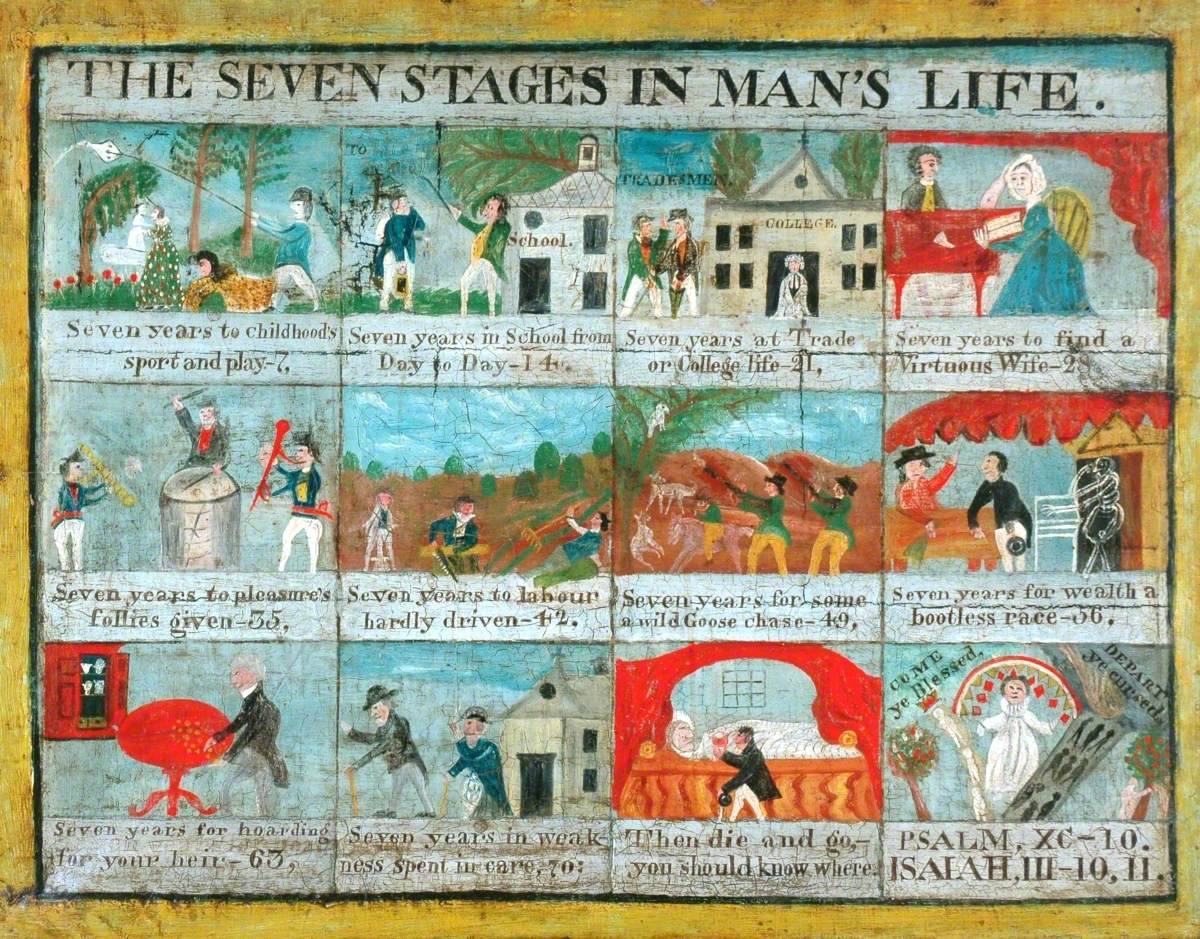
Seven Years at a Time…

An old look at the life of man –

Unknown artist, Calderdale Metropolitan Borough Council.

Seven years to childhood’s sport and play,

Seven years in school from day to day,

Seven years at Trade or College life,

Seven years to find a Virtuous Wife.

Seven years to pleasure’s follies given,

Seven years to labour hardly driven,

Seven years for some a wild Goose chase,

Seven years for wealth a bootless race.

Seven years for hoarding for your heir,

Seven years in weakness spent in care,

Then die and go – you should know where.

The artist depicts it in ten stages, then you die, but who’s splitting hairs?  All roads lead to the same end.  It looks like I need to get on to Pleasure’s follies for a couple more years.

Present Mood, Introspective

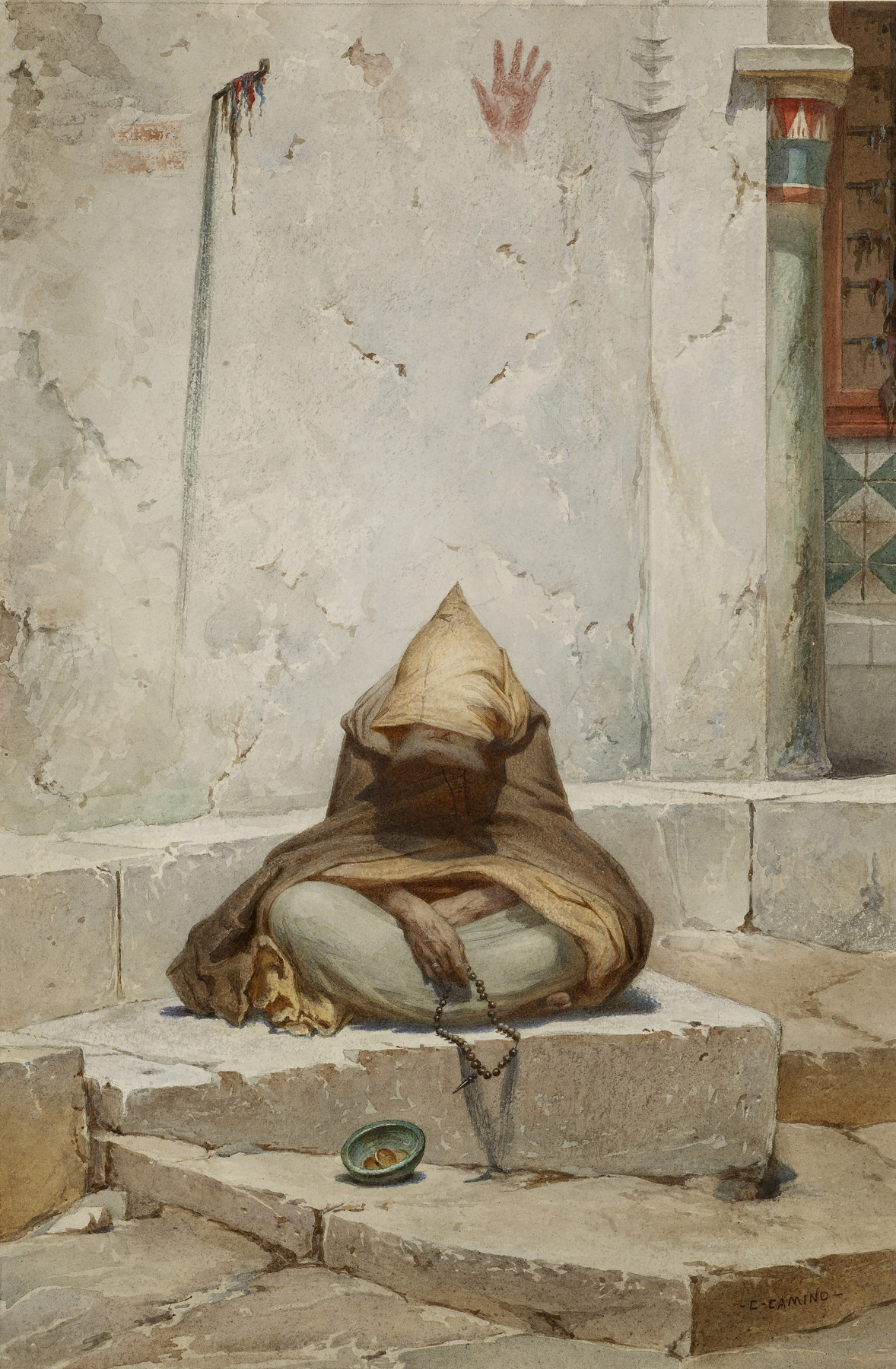
I have always liked this image.  It speaks to me…

Arab Mendicant in Meditation Painter, Charles Camino, French b.1824 – d.1888, watercolor over traces of graphite on cream, slightly textured wove paper .

From the description of the Walters Art Museum:

“In this work, the artist depicts the figure in such a way that most of his face is obscured, creating a sense of mystery. Everything we know about the character of this man is expressed though his posture, clothes, and objects, like his bowl containing a few coins. Very little is known about Camino’s training; he visited Algeria in the early 1850s, which inspired the art he made in the decades that followed.”

The past couple years have been a time of transition.  Those can be tough on a soul.

Bike Trekker – Allen Hastings Fry

Despite how much I like this photo, I have held off posting this image here because I couldn’t find any attribution or further information about this gentleman and his fine bicycle.  I came across it several years ago and stuck it in my image files until I could find out more; alas, I have not.

“Portrait of Allen Hastings Fry, with his photographic equipment strapped to his bicycle. An illustration taken from the magazine ‘The Professional Photographer”, June 1916.” (Thank you Patrick for the information and link).

My first interest was in the excellent baggage he’s carrying; a very modern looking frame bag, a tool roll or similar, nice front and rear bags, and what appears to be a wooden box along the top tube.  His haversack is not visible although the strap is in this image.  Any thoughts on the bike or image itself are welcome.

The rest?  Maybe you can tell me…

Click the card for more information about Allen Hastings Fry.

(UPDATE: Thanks for the corrections sent by Luc and Patrick.  Updates were made to reflect the new information.)

Baden-Powell’s Last Message to Scouts

Most people that know me are aware that I owe much of my foundation and success in life to a very positive experience in the Boy Scouts of America.  There were many lame troops and leaders not worth their salt but I, and several of my closest friends, were fortunate in finding ourselves thrown together as a cohort in an excellent troop that spent much of it’s time camping, hiking, and generally messing about in outdoors; we were unknowingly living the roots of Scouting and loving it every day.

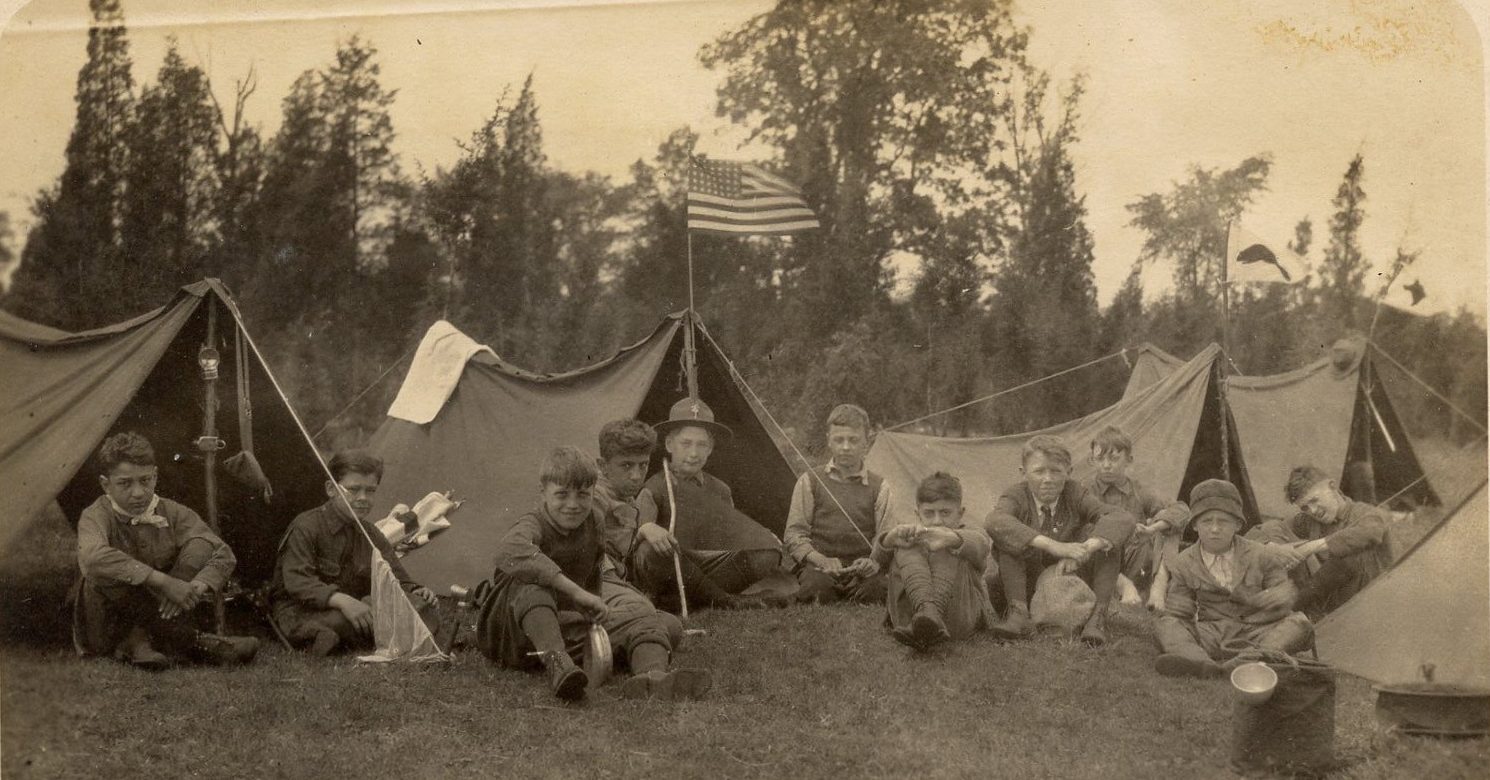
scoutscamping
Scouts camping; early 20th century America.  I think that is a 42 star flag? Interesting.

I recently came across a copy of what is known as Baden-Powell’s (founder of the Boy Scouts) last message to Scouts.  I even kept a framed copy of this hanging on my wall for many years.  While working at camp, we often read this short piece out loud at closing campfires as a fine message and an excellent way to bring an end to an exciting week of learning and adventure.

I think he does well to distill his core values in a few simple lines.

“Happiness doesn’t come from being rich, nor merely from being successful in your career, nor by self-indulgence. One step towards happiness is to make yourself healthy and strong while you are a boy, so that you can be useful and so can enjoy life when you are a man.”

B-P knew both great hardship and prosperity during his life and understood that most youth to whom he was speaking had very little themselves.  Real happiness come from within.

“Be contented with what you have got and make the best of it. Look on the bright side of things instead of the gloomy one.”

A core value in Scouting has always been to give cheerfully to others and in that way find satisfaction and meaning in one’s own life.

“the real way to get happiness is by giving out happiness to other people. Try and leave this world a little better than you found it, and when your turn comes to die you can die happy in feeling that at any rate you have not wasted your time but have done your best.”

As he ends his letter, he segues from childhood to transition the message into one of lifelong relevance.

“‘Be Prepared’ in this way, to live happy and to die happy – stick to your Scout promise always – even after you have ceased to be a boy.”

Cocoa ~1861

A perfect for a wintry day. I agree that once you make the real stuff you’ll not want to go back to the package junk.

Convivial Supper's avatarConvivial Supper

To Make Cocoa.

Who doesn’t love a mug of hot cocoa in mid-winter? This particular recipe, I believe, is missing a key ingredient: sugar.

I was out of instant hot chocolate the other weekend and was scouring the cupboard for a special breakfast treat for the kids. The Hershey’s powdered baking cocoa has a phenomenal recipe on the label. Will never go back to the instant stuff again: 1/4 cup cocoa powder dissolved into 1/2 cup water whisked and heated in a pot. Add 1/2 cup sugar, 4 cups milk, dash of salt, dash of vanilla. Heat until warm. Rich. Delicious. Amazing. Mrs. Beeton’s version is no doubt equally as delicious, assuming you add sugar. Bitter!

From Mrs. Beeton’s recipe collection c. 1861.

To keeping warm in January!

More Fun Discoveries from Antique Cookbooks

View original post