

Category: vardo
A Wayside Camp
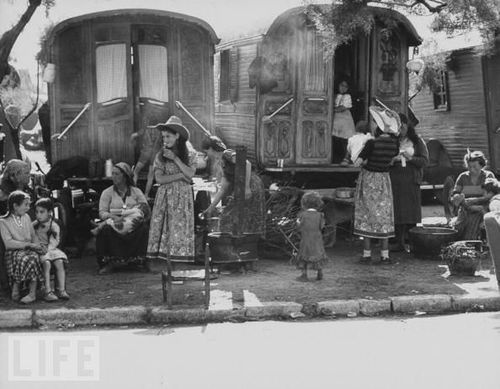
Party Time
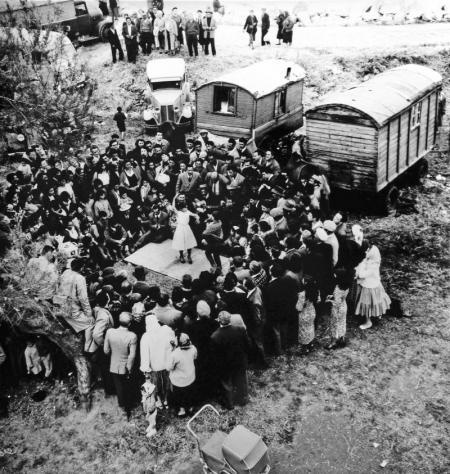 This is part of a series of images, mostly Romany, Irish and Scottish Travellers collected from around the internet. Many of these historic images found on the web are without citation. When a clear link to a source is found, I try to include it. If a source is known, please pass it on and I will gladly include it or remove it if necessary.
A Vardo Build Recap

This post is a re-cap of the Vardo build. I get questions about this project at least three times per week and I think it has inspired a few other people to make the leap. I still consider it a work in progress even though it is four years old and has 18,000 miles under it. New and improved ideas are being added right now but maybe this will help somebody get started.
 After the sketch-up, start making parts. This was a momentous occasion for me.
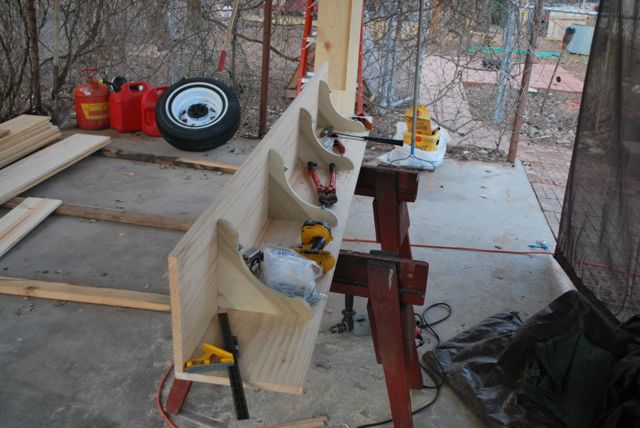 Assembly begins. Mild panic sets in; “will this work?” and “am I crazy to dive into this?”
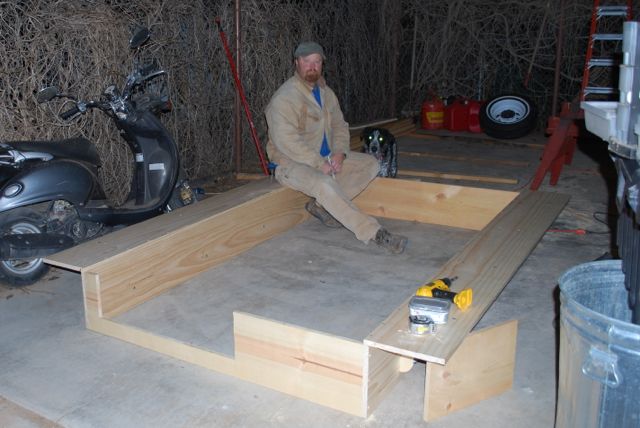 At this point, I took some time to ponder. “Is the size and layout really going to work?”
 Attaching the ledge to the prepared frame.
 Build, build, build. Using a window of good weather in January.
 Even relatively easy details, like door placement and size, were still up for change.
 Finally, I can get a real sense of scale.
 I fell in love with the design once the box was built.
 Working alone means lots of clamps.
 Gawkers were willing to take pictures.
 The bed framing becomes integral to the structure.
 Seats were designed and tested for size and functionality.
 The first storage is done.
 Wood is good!
 The shell becomes complete.
 Now for the details.
 Temporary window inserted for a quick trip to the desert.
 Quick coat of paint and off we went.
 A little living helped bring together the details.
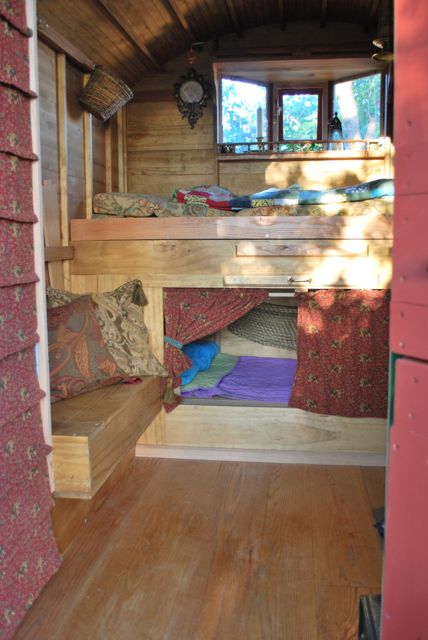 Spending time in the space gives an idea of where things are needed.
 Finish work is a process, not an event.
 The Vardo becomes a home.
 A safe and cozy nest on the road.
 Still far from done, I took her cross-country anyway.
 Things began to come together after a few thousand miles travel.
 Finishing touches are added constantly.
 As are safety details.

 Still making changes and additions four years down the road.
More big changes are happening and I hope to get up some new information very soon. I think an important fact that this project showed was that, for a relatively low-budget, and a little patience, a little home can be built over time but still be usable along the way. I didn’t wait for every last detail to be completed before putting this house to good use or I’d still be waiting today.
Romany Family on the Move

Vanniers ambulants
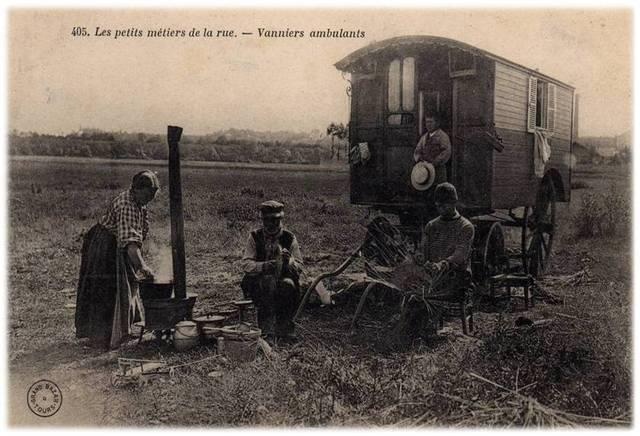 A homey scene. A mother cooking, father and son engaging in their craft.
A Traveller in Surrey

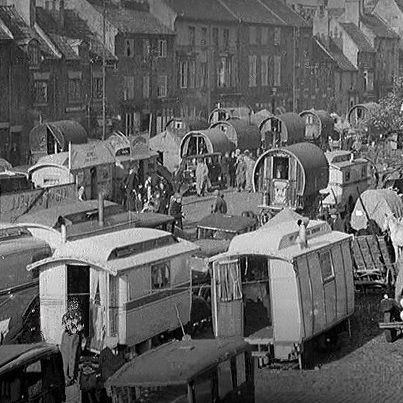
A Convergence
 This is part of a series of images, mostly Romany, Irish and Scottish Travellers collected from around the internet. Many of these historic images found on the web are without citation. When a clear link to a source is found, I try to include it. If a source is known, please pass it on and I will gladly include it or remove it if necessary.
Home is the Hearth
 Some important facts about caravan living before the ultra-modern RVs came along that may help people understand some of the choices I have made about my own wagon:
- The caravan is the hub around which camp is built, but most “living” actually takes place outside in the wide world. Sometimes this means tents or other temporary structures provide protection from the elements. Prior to the second world war, caravan Travellers in Europe often slept outdoors, often under the caravan while the kids were corralled inside. This makes a lot a sense as adults stay up later, and kids can wander off.
- Cooking is done outdoors, over a fire. The stove, when there is one, is for heat and drying.
- The hearth is the focus of family life, just as it has been for a million years. That is where people congregate, music and stories happen there, and it is provides comfort and cheer.
- There is no water closet or toilet inside the caravan. That is disgusting yet one of the most common criticisms I see or receive about mine or other traditional wagons.
- A consistent anthropological observation about nomads is the strict rules of hygiene and cleanliness. Working and wandering outdoors can be a dirty business so strict rules are adhered to. Some of these reach the level of taboos and can be traced back over at least a thousand years. Living on the road can make one appreciate this need.
- The fancy wagons of 19th century Britain are the exception, not the rule. Carts and wagons have likely served as the home base for nomads of various types since 500 B.C. or before. They came to their peak of perfection in Britain in the 19th and very early 20th centuries before morphing into the RVs we see today.

A considerate Traveller carries a fire pan to prevent scorching the earth by the roadside.
Open Lots in the Countryside

 Preindustrial Craftsmanship