Saw Bench Update

I worked on the bench a little more last weekend and have already put it to work over the last few evenings for some small projects.  I have found it’s usefulness and it is a tool I know I won’t regret owning.

bench1
Front side.

A second till shelf has been added to store saws, bench hook, etc. and a few holdfast holes have been bored through.

bench2
The off-side.

I realize now I didn’t get any low angle shots.  I’ll take those when I get it oiled up a pretty.
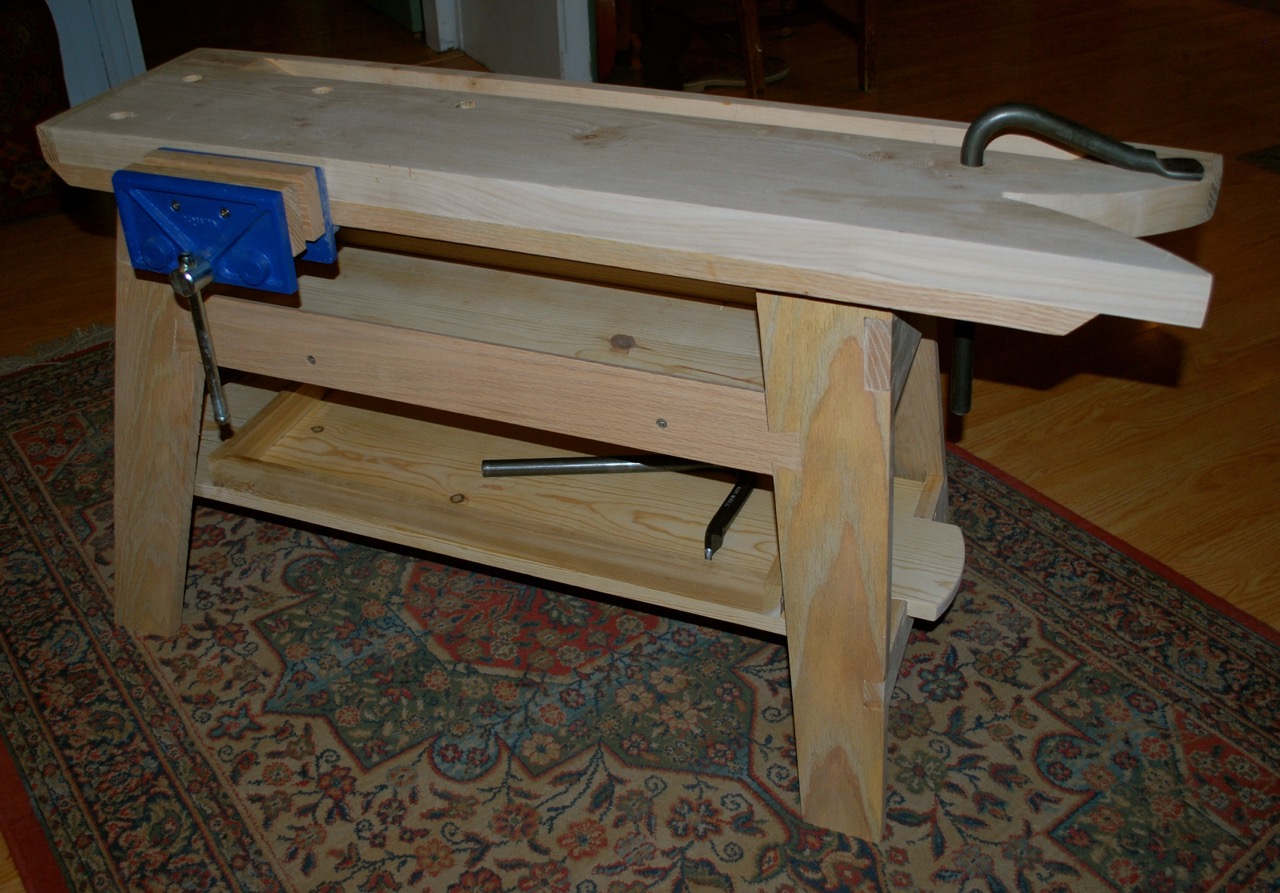
bench3
View of the bottom till.

Sturdy and low-cost, this project allowed me an opportunity to employ some free-form joinery, use some rough-looking scraps and enjoy a bit of wabi-sabi* design.  It’s not perfect, but neither am I.

*Wabi-Sabi: an aesthetic based partly on the acceptance of transience and imperfection. The aesthetic of wabi-sabi can be described as a beauty that is “imperfect, impermanent, and incomplete.”

Frame saws

The frame saw.  Virtually every house in North America contained one of these prior to oil and gas heat.
The frame saw. Virtually every house in North America contained one of these prior to oil and gas heat.

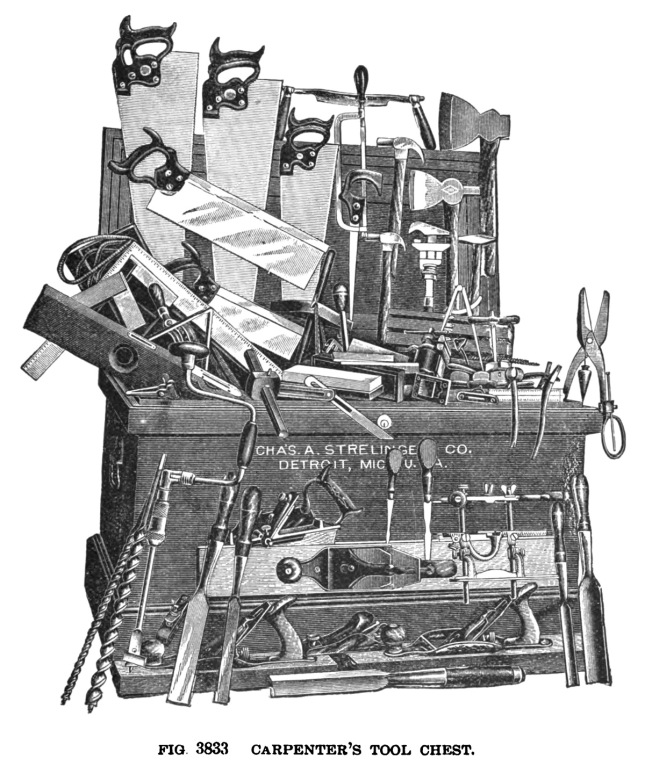
Advertisement from 1913.

These saws are an excellent and handy way to cross-cut large logs quickly.  the design is over 2,500 years old solving the problem of keeping a stiff blade with a minimum amount of metal.  This style come in at about 4 1/2 pounds giving enough heft to aid in cutting.  Teeth cut both ways and the blades tend to be made from excellent steel.  Perfect for re-use if you can find one mouldering in the corner of a flea market.  I picked on up several years ago in “like new” condition and it has given great service ever since.  Limbs can be simply replaced if they become rotted or otherwise damaged.  These are the chainsaws of our forebears.

Restoring a Disston D8 Thumb Hole Rip Saw

This is an excellent documentation for restoring an old saw. So many are out there just waiting for a bit of new life.

MVFlaim Furnituremaker's avatarMVFlaim Furnituremaker

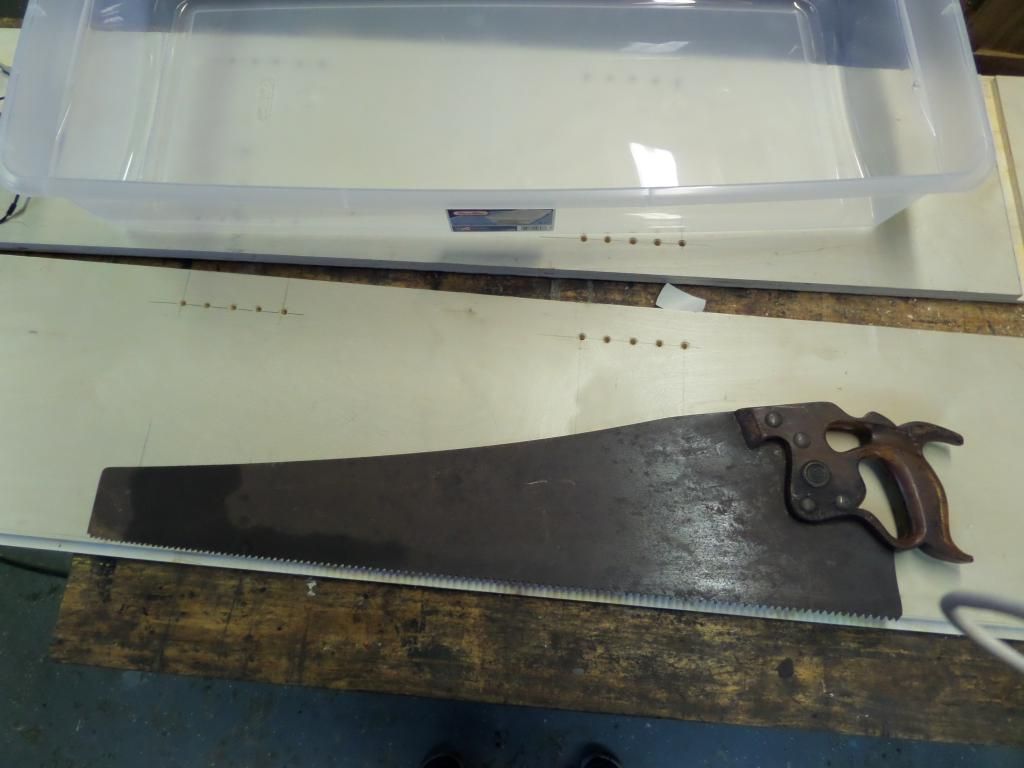
While scouring antique malls looking for tools, I ran across this nice rip saw stuck in the back corner of a booth. It’s a Disston D8 Thumb Hole saw and considering it’s age, it was in very nice condition. Even though it had some rust on the blade, I knew it would clean up just fine.

 photo blog 020.jpg

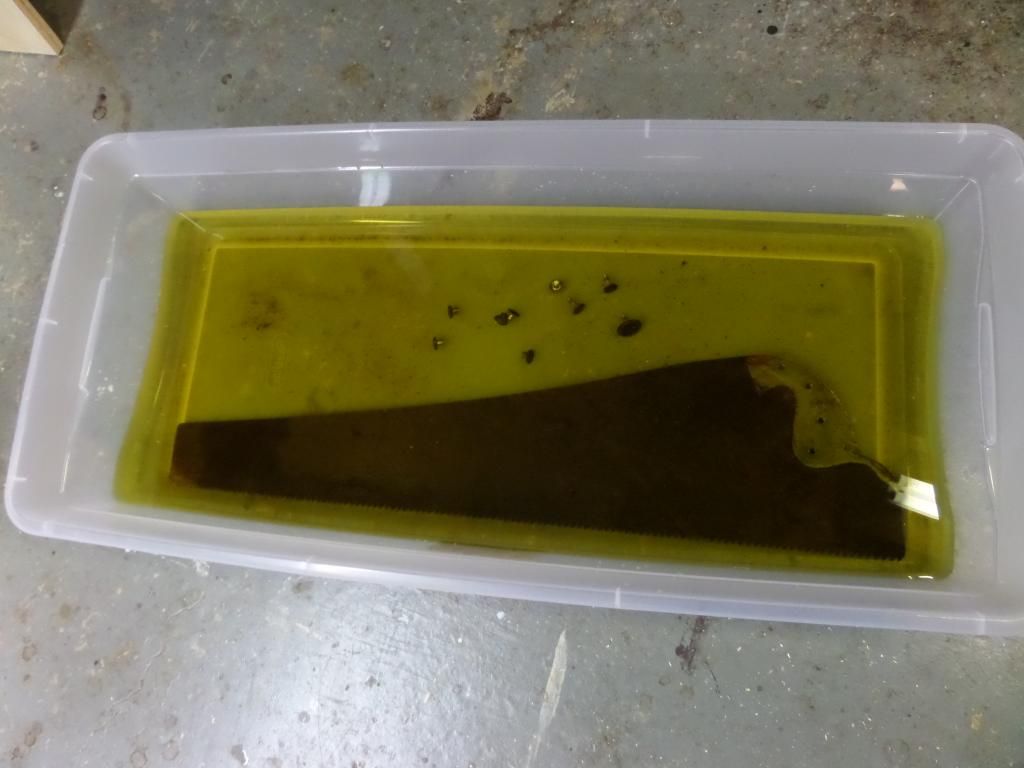
The first thing I did was take the saw apart and dip the blade in a bath of water with food grade citric acid. I let it sit overnight allowing the acid to eat all the rust off the blade.

 photo blog 023.jpg

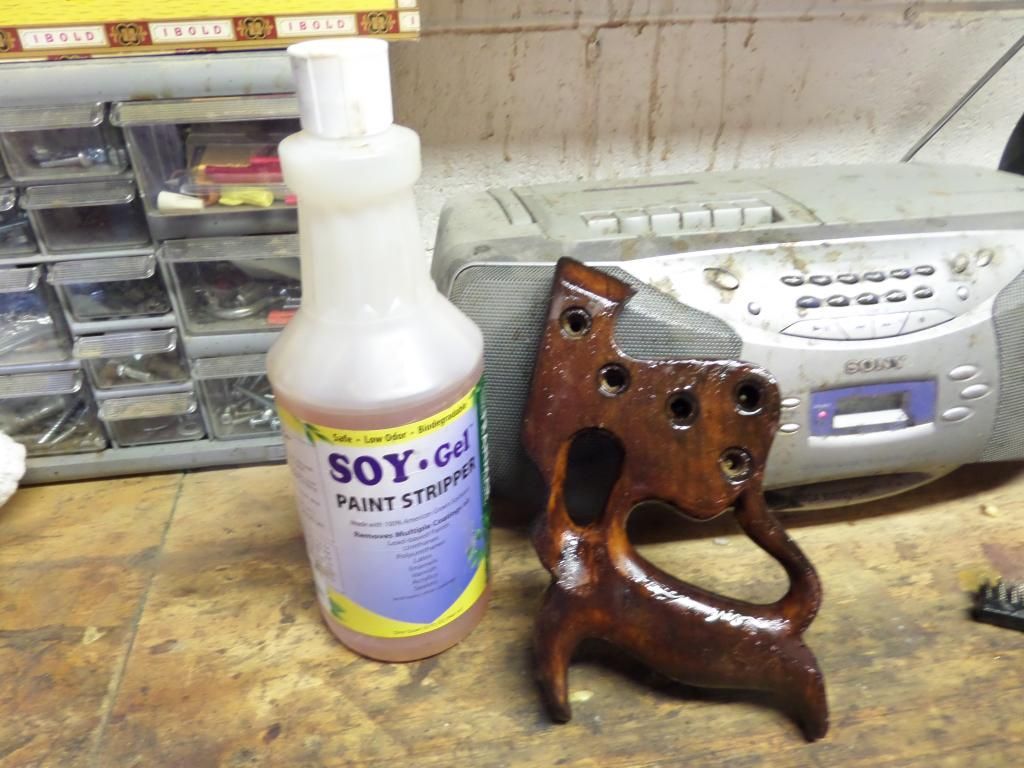
While the blade cooked, I focused my attention on the handle. Using Soy-Gel paint stripper, I cleaned all the gook and grime off the apple wood handle using a steel wool pad.

 photo blog 024.jpg

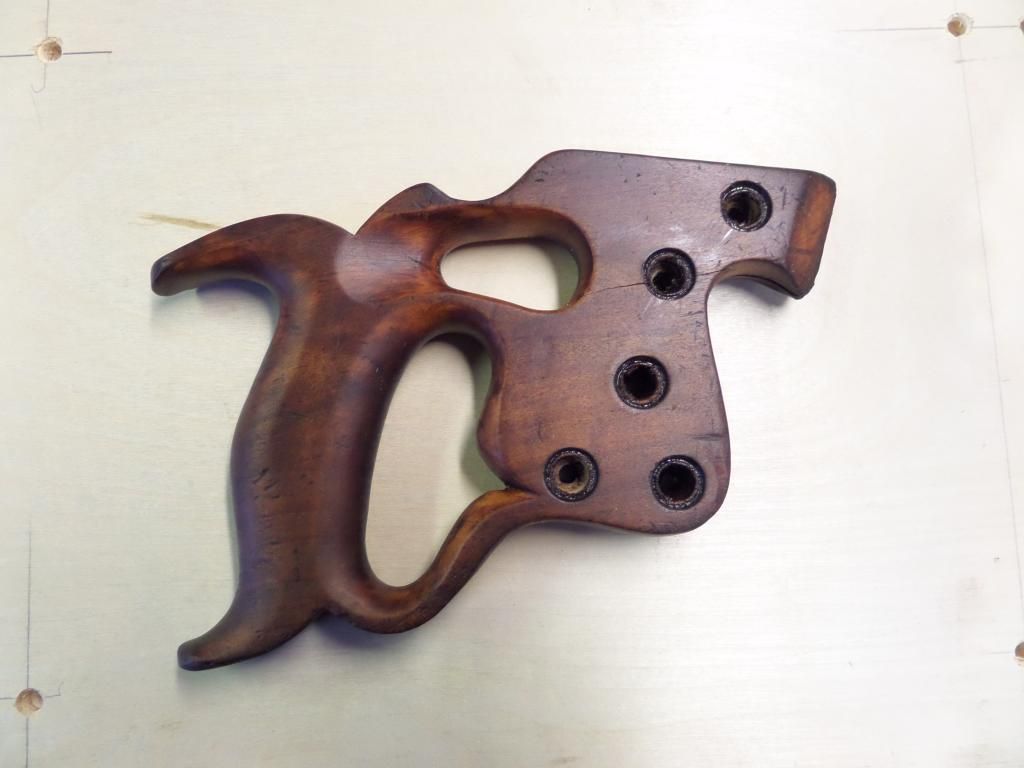
Here’s the handle wiped off after just a few minutes of paint stripper on it.

 photo blog 025.jpg

In the morning, I took the blade…

View original post 332 more words

Medieval Caliper

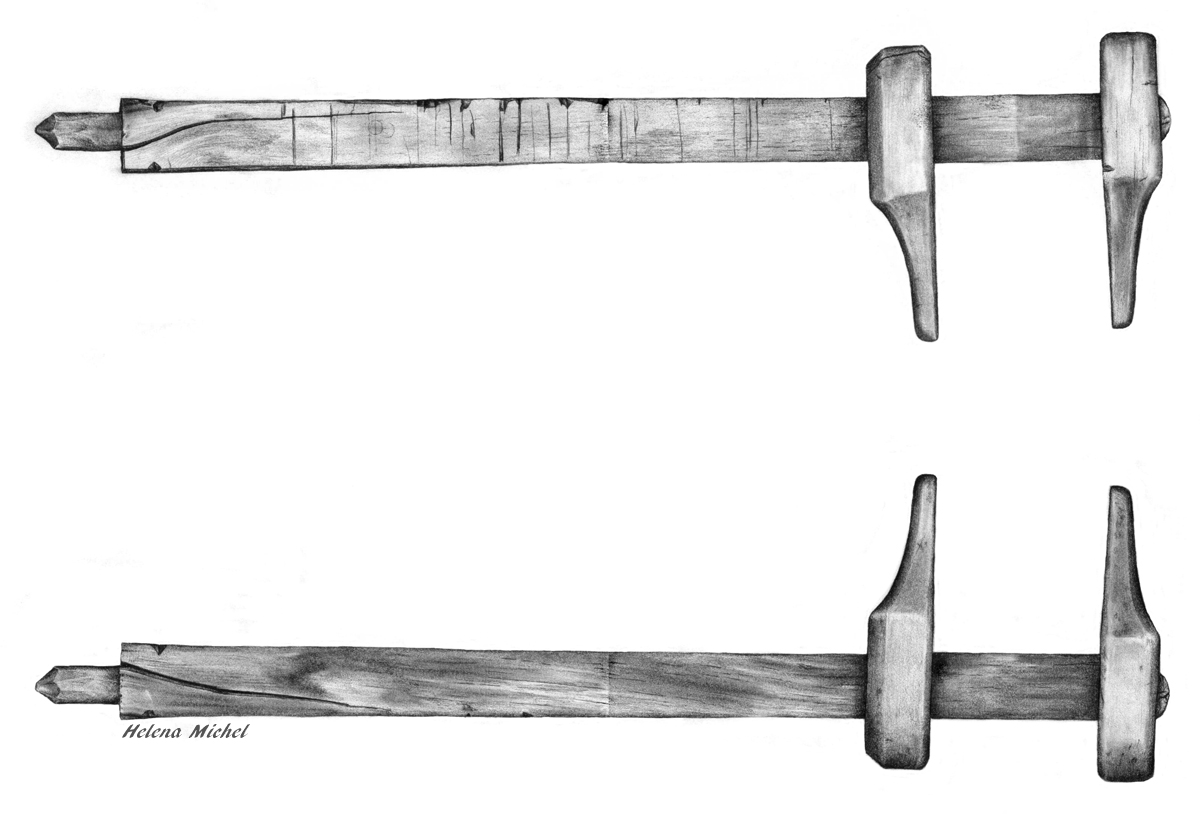
I believe this is my new favorite blog.  A remarkable archaeological illustrator with some very interesting artifacts.  I never even considered the antiquity of sliding calipers.  I hope she puts more illustrations up sometime!

helenamichel's avatararchaeological illustrations

Late medieval wooden artefact: caliper, found in latrine in Gdansk, Poland. Hand drawing by Helena Michel, pencil on paper technique.

Ilustracja archeologiczna późnośredniowiecznej drewnianej suwmiarki, znalezionej w latrynie podczas wykopalisk na terenie Centrum Dominikańskiego w Gdańsku. Rysunek odręczy na papierze, autor: Helena Michel

archeological illustration

archeological illustration by Helena Michel

archaeological medieval artefact

View original post

Table Saw 1889

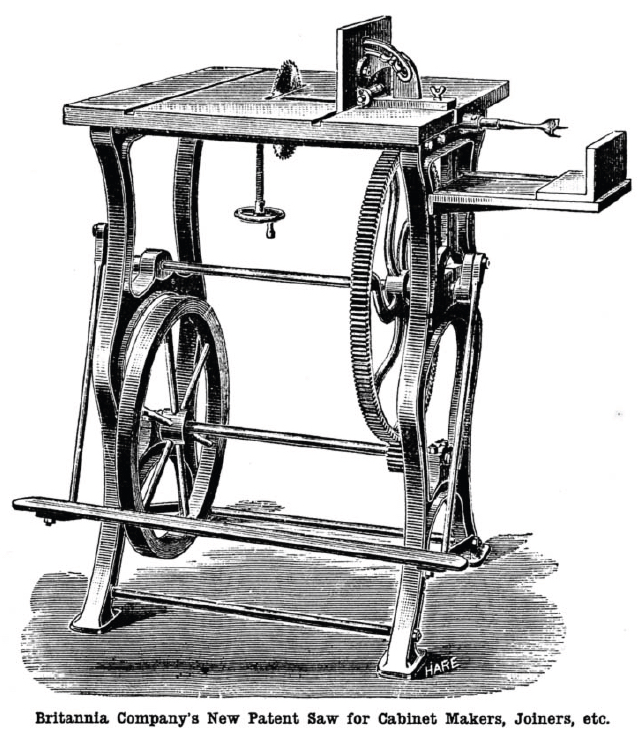
Table SawA circular saw is a tool which no workman who has once seen it at work would care to be without, for it is a labour-saving tool of the first importance, and enables its owner to do many things with an amount of ease, exactness, precision, and rapidity that cannot be attained with saws actuated by the hand and arm. When an amateur becomes the possessor of a lathe, one of the first things he will do is to have it fitted with a circular saw and the necessary appliances in the shape of table, fence, etc., to enable him to use it
conveniently and with due effect. The professional workman, on the other hand, although he will not be without a circular saw to be worked on and by his lathe, wants something stronger and heavier that will save him the labour of using the rip saw, which has made many a man’s arm and shoulder ache when the absence of suitable machinery in the workshop has compelled him to keep at this kind of work for many successive hours, perhaps, if not through the entire day; and every man who seeks to save time and labour, and therefore money, either for himself or for those in his employ, will, or ought to, take care to have a thoroughly efficient machine well suited to the requirements of his business in his workshop.

From: “Our Guide to Good Things,” in Work– March 30, 1889

A Couple More Medieval Tools

When I say Medieval…

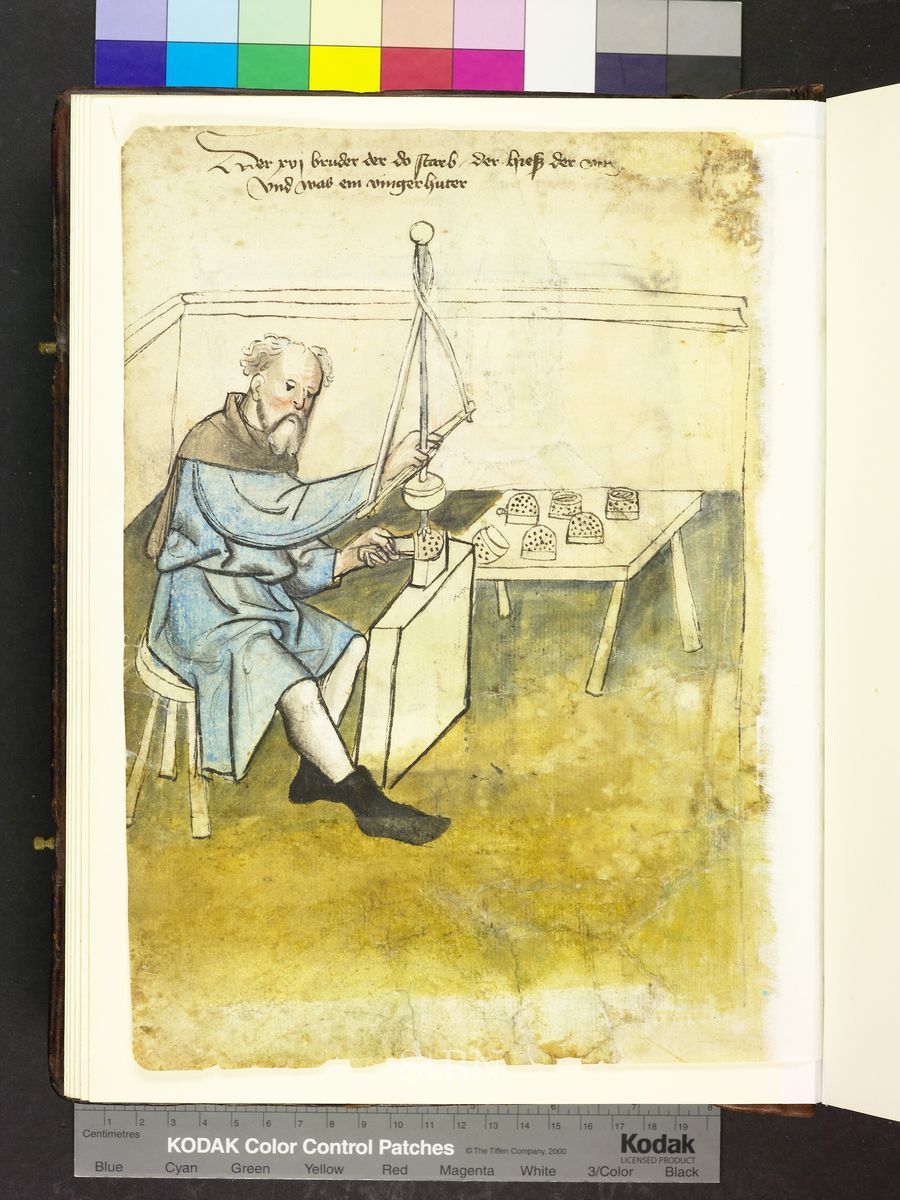
The pump drill goes way back in time.  At least into Dynastic Egypt and probably well beyond.  Drills like these are made from perishable materials so we only have the drill bits and generally do not know to what they were attached.  From and archaeological point of view, it’s a bit like trying to decipher a battle by looking at the spent bullets.

75-Amb-2-317-5-v.tifAgain, this one is from 1425.  The caption says he is a vingerhuter which I think would now mean thimble-maker.  Any help with this will be appreciated.  These things look more like wine strainers or little colanders to me.  Anyway, the important part to see is the awesome pump-drill and the small block on which he is working.

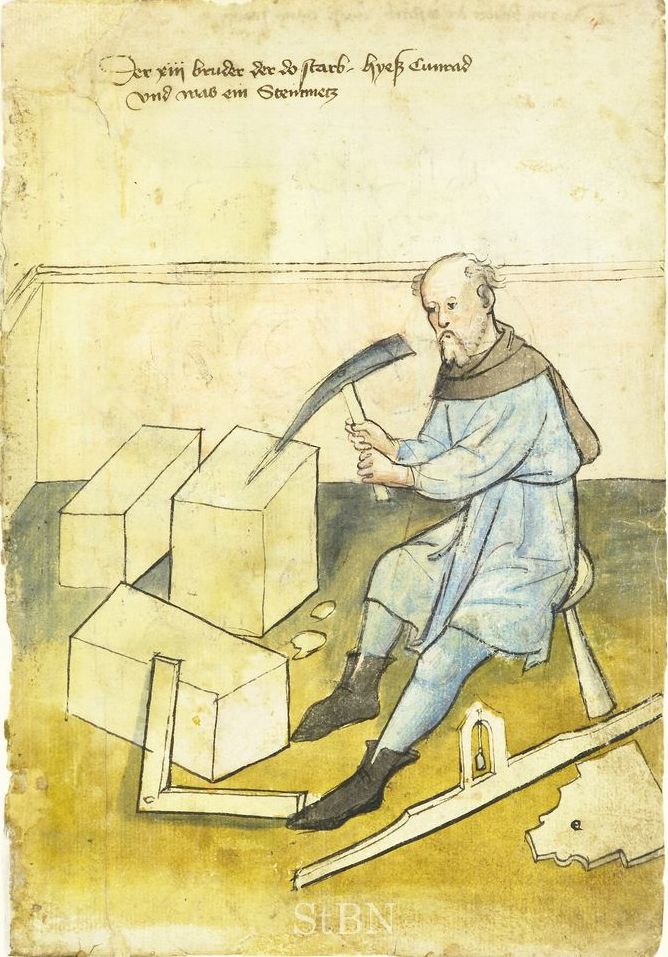
The next image is a stone mason at work.  I’m not a stone worker myself but I’m intrigued by a couple of his tools.

75-Amb-2-317-4-r.tifNot only does he have nice square and template but is sitting near his sighting level.  In the days before spirit levels, this involved a little plummet hung in an arc on a straight edge.  A bit like a sophisticated winding stick.  Oddly enough, no dividers are visible to round out the trio of masonic symbolism.