Walking Shoes


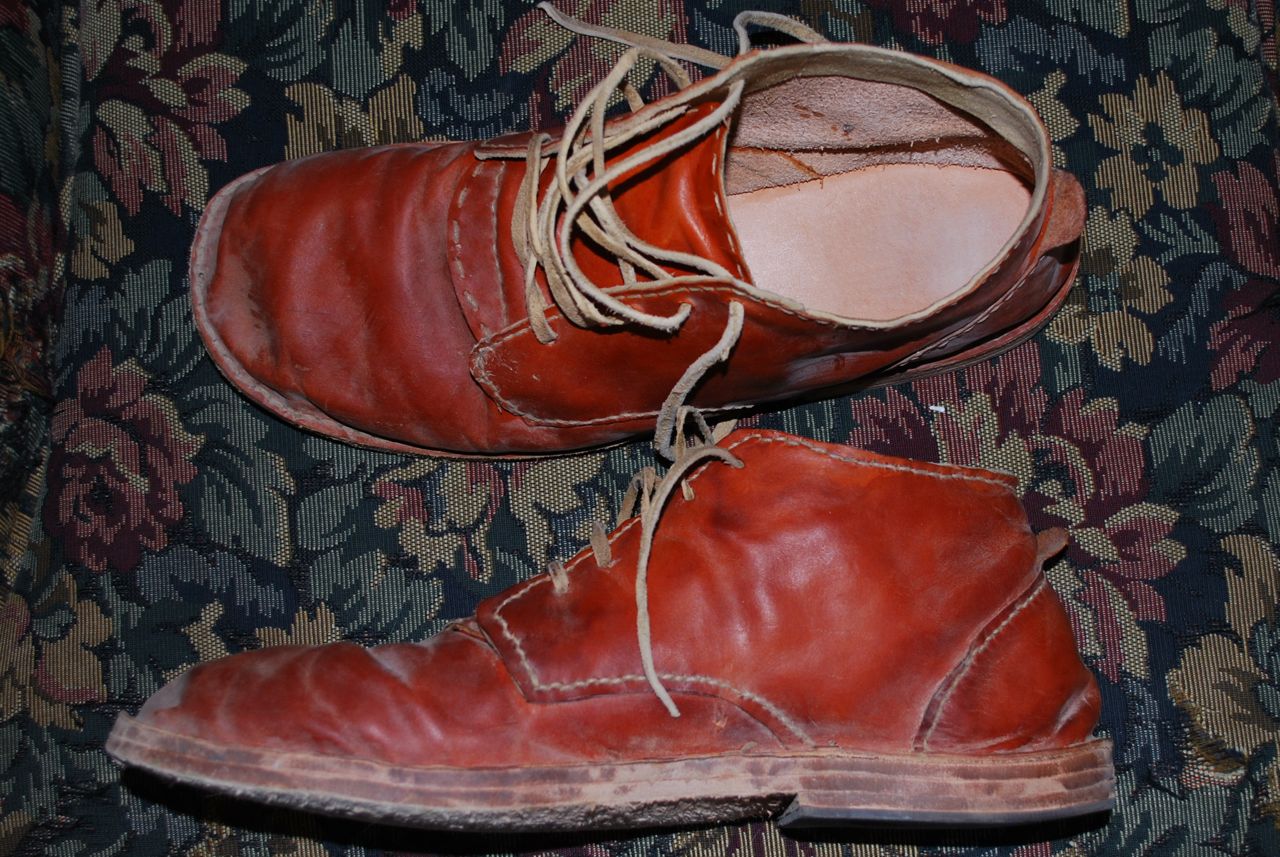
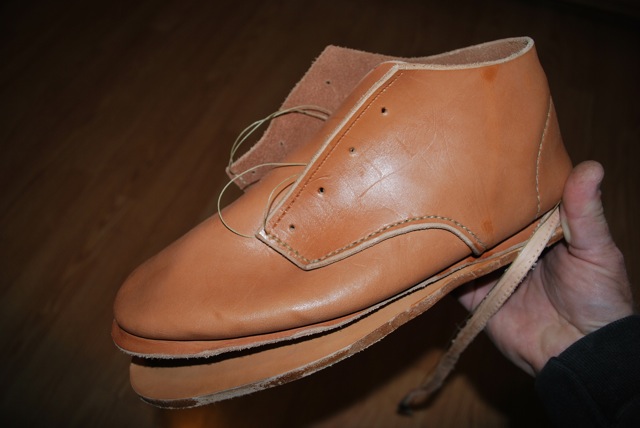
My new walking shoes.  Simple stitch-down design weighing in at about 14 oz (0.4 kg) each.  The leather is Hermann Oak 2/3 oz for the uppers and 12 oz (I think) for the mid-sole and out-sole.  There is also a double layer stacked heel that has a thin rubber layer on the bottom.

They have about 6 trail miles on them in this photo.  They are dyed “light tan” and coated in home-made dubbin.*

The goal was to create an extremely lightweight shoe that will protect from the gawd-aweful sand burrs, cacti, and other sharpies that get into the sandals.  They are loosely based on “desert boots” but provide a bit more protection.  They are re-soleable, environmentally friendly, and made without sweatshop labor.  Since I have little fashion sense, they can be worn with anything and in public.  My only change in design will be to make the toe portion of the upper in slightly heavier leather as they will hold their shape better.

*A waterproofing concoction, in this case made from beeswax, olive oil, and walnut oil.
 

A few more images:

The shoes are unlined.  Constructed with a double needle saddle-stitch.  I wasn’t even concerned with stitching on this pair so they aren’t perfectly straight or small.  The tongue is lined with brain-tanned deer hide and there is a band of brain-tan around the top edge for comfort.  The laces are also brain-tan deer from a heavier hide.

The out-sole stitch is trenched in about 1/8″ to protect the thread.

They may not be fashionable but I think they have style.


Shoemaker’s Toolbox W.I.P.

Lunch-time post:

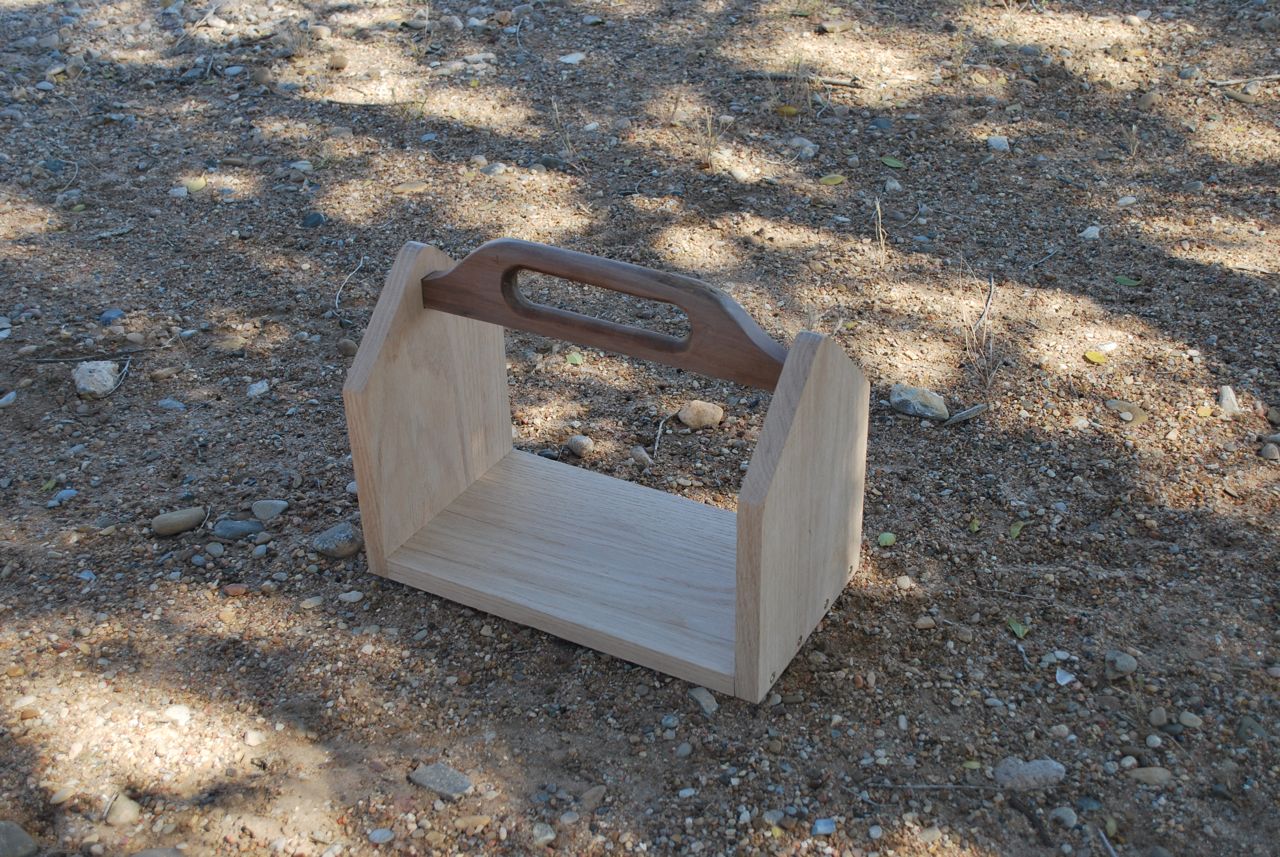
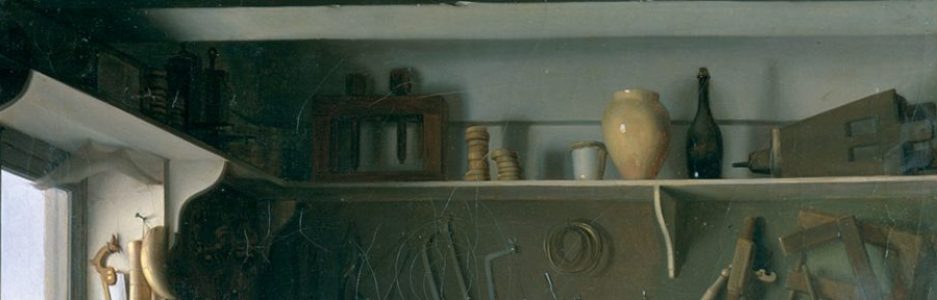
I began working on a shoemaker’s toolbox this weekend.  It’s based on an eighteenth century design but probably goes back further.  It will have leather “pockets” for the awls and some long tools.  The difference between this and a carpenter’s box is in the upright storage to keep the tools very handy.  The box I based it on can be found here: http://aands.org/raisedheels/Other/Toolbox/toolbox.php.

No complicated joinery other than the half mortises for the handle.  The sides are off still to tack in the leather pockets.  The original was nailed together but mine uses wood screws (brass).  Material is red oak with a walnut handle.  More to follow.

New High Tops

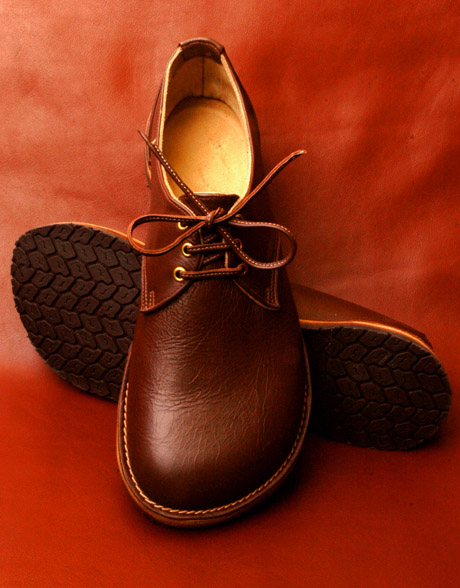
Determined to get the pattern right once-and-for-all I have been slaving away on a new pair of shoes.  As a matter of fact, I think these shoes are completely slave-labor-free.  The leather upper and mid-sole are oak tanned leather (Hermann Oak), and the rubber soles were cut from SoleFlex sheeting.  The laces were made from brain-tanned elk hide I processed myself.

The gent’s shoe as worn.

Outside heel stiffener.

Trousers cuffed to show height of shoe.  I live where the plants are unfriendly to bare skin.

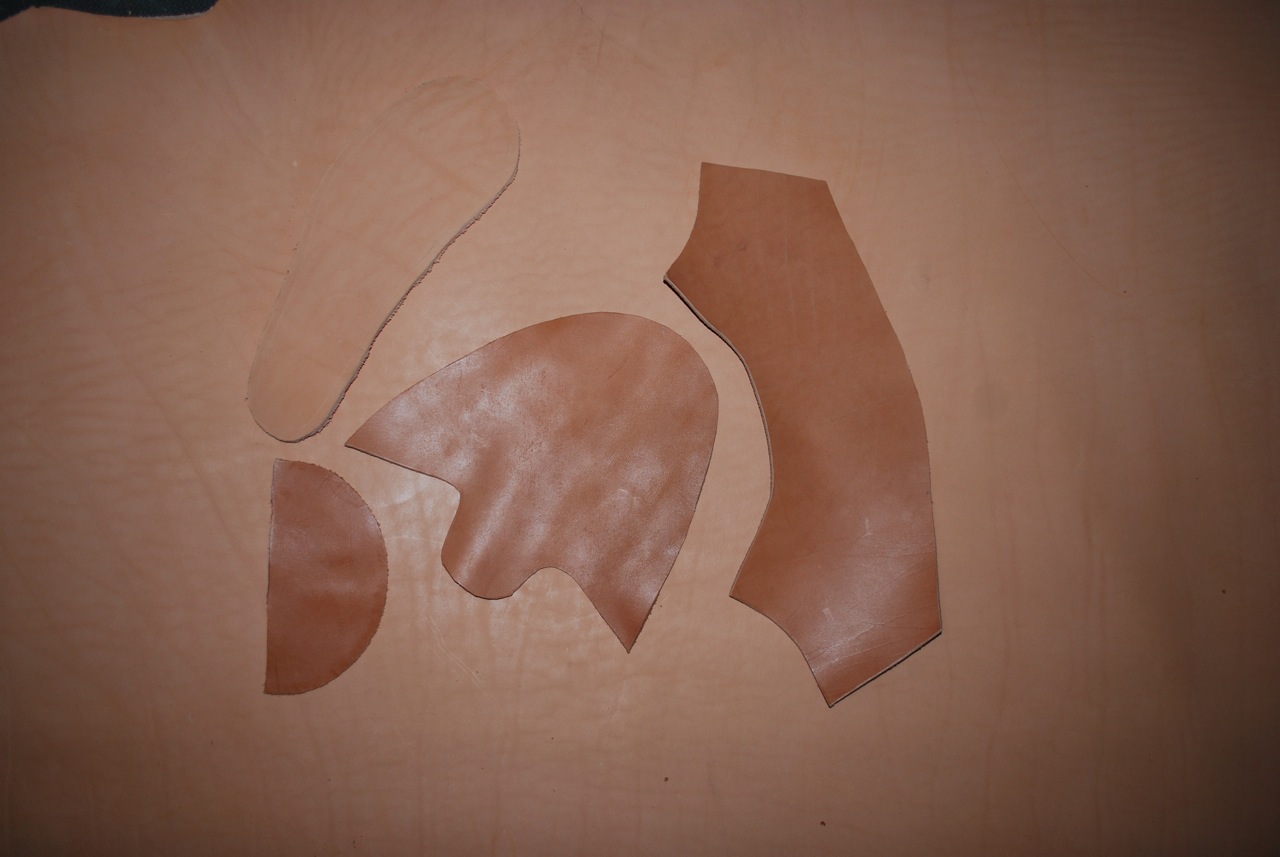
The pattern was created without a last based on previous turn-shoes and a mock-up done in heavy canvas.  The shoe has no heel or shank as I am very used to walking barefoot or in sandals and moccasins.  A little more on shoes I have made here at: Footwear.  And some other leather work here.

Handmade shoe links

Handmade and bespoke shoes have become an interest of mine over the years.  Starting with moccasins and graduating to other variation led me to the realization that even with a great deal of leather and sewing experience, shoemaking is a complex and underestimated art in our culture.  Of course, cheap shoes are readily available to just about any income level in the industrial world. But if you have moral objections to the devastating effects corporate shoe companies (not to mention the clothing industry in general) and like the idea of being able to provide well made shoes for yourself, there is at least some information available.  On that note, I am glad to keep finding more and more craftsmen making handmade shoes available.  Unfortuntely, many are prohibitively expensive for the average worker but hopefully more will become available as demand calls (or the international infrastructure collapses from its own greed).

This pair is made by a shoemaker in Mid Wales.  I have no idea of cost but all of her information is on her website.  The gallery shoes a good variety of stitch-down type shoes and an interesting design she calls a shandal. Click the image to navigate to her site in a new tab or window.

If you prefer more historical or high end classic designs Sarah Juniper makes everything from Roman Period through modern shoes and boots.  There are some great looking lasted boots and other fine shoes here.  Click around her website to find lots of good stuff.  I would love to learn from a master like Ms. Juniper.

NP Historical Shoes:  This couple makes beautiful historic shoes for reenactors in Europe.  Awesome work and very inspiring.

I think a look at simpler, pre-industrial shoes can help us who are struggling to relearn this uncommon art.

Shoe In Progress

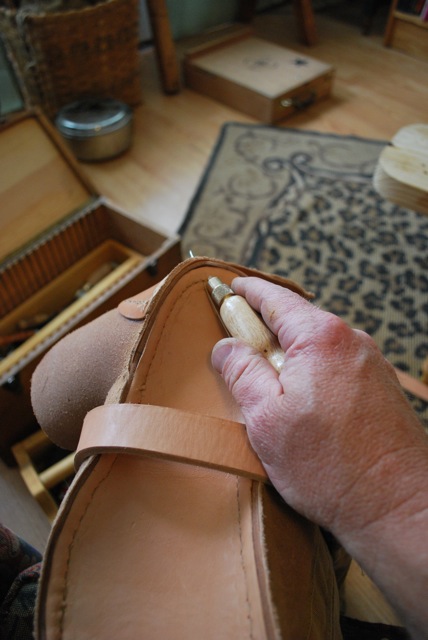
The upper is turned, now attaching the sole.  This is very much an experiment but so far it is coming along better than expected.  It is a style from early modern shoe construction, with a lot of similarities to the archaeological finds from the Mary Rose but with a modernized upper.  This style of construction bridges the gap between Medieval turnshoes and fully lasted ones and dates from around A.D. 1545.  Ah, the good old days.

Not a great photo perhaps but construction photos will be uploaded if and when this project is successfully completed.
Beer & Running

Staples of the ancestors.

I have been away from the wagon quite a bit lately while brewing and bottling beer, traveling to see family, and dealing with a fairly ridiculous amount of hours of low paying work.  All while trying to keep current in anthropology by reading recent research and keeping up with playing music when I find time.

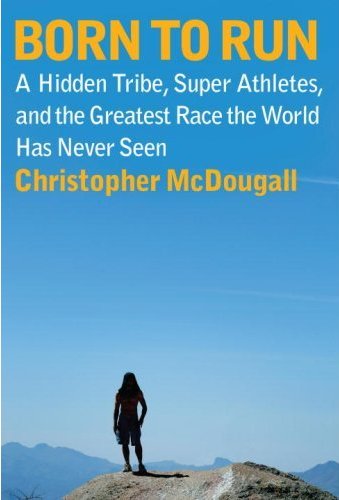
On the fun reading side, I was truly impressed with Christopher McDougall’s Born to Run.  If you want to know about research on humans as runners, think the athletic shoe industry is a bunch of soulless racketeers, or just think the Tarhuamara Indians of Mexico are cool, then this is a pretty good read.  If you are interested in the ever-growing barefoot or minimalist shoe movement, Barefoot Ted’s is a good place to start.