Ultra Minimalists, Part 2

For the Ultra Minimalists, Part 1, click here.

Some Historic Minimalists – tried and true formulas for survival
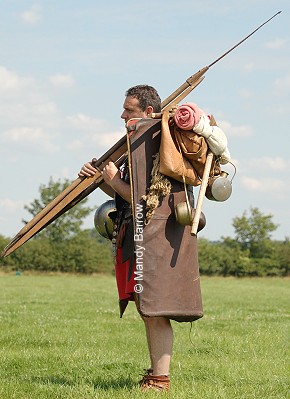
legionarypackRoman Legionary – Let’s go back to the beginning of the modern military.  As militaries go, Rome had a pretty successful run.  After their first couple centuries being beaten up by the Celts they certainly learned a thing or two about fielding an army. More importantly, when wars were no longer fought to defend one’s home things had to change.  Expansionist politics meant a paid, professional military (i.e., a mercenary army like we have today).

Without delving into a long history of the Roman military, here’s the pertinent synopsis for our purposes.  In order to make the army fully mobile (not tied to a wagon or mule train and to rid itself of non-combatant lackeys), it was determined that the individual soldier should be responsible for more than just showing up, sword and shield in hand (for some historical references, see: Scipio Aemilianus Africanus and later, Marius’ reformations).  In order to get rid of as much support staff as possible, and remove the competition in out-gearing each other, each soldier was  issued (this was a new idea) a set of gear, including a full sarcina (marching pack) which included the essentials of daily living.  The fact that they wrote about this and portrayed it in art gives us a pretty good idea of what equipment was used in the field.

Archaeological/historical side note: this, in-turn, led to the first systematic recycling program we know of; collecting the old stuff and remaking, re-tooling, and re-issuing gear.  Metal is especially recyclable.
 
Loculus
Roman Loculus. Personal kit bag or haversack for a deployed soldier ca. 300 B.C. – 300 A.D. and beyond. A shoulder bag or haversack like this was the common unit for an individual traveler through the Middle Ages and into the modern Colonial Period. Essentially what we call a messenger bag today.

The sarcina (marching pack) of a Legionary soldier is about as pared down as one can get yet still travel in comfort:

  • Clothes –
    • Tunic: normally made of wool.  The style changed over time, but essentially a longish, heavy shirt of wool.
    • Subucula: A simple thin wool t-shirt underneath the tunic.
    • Subligaria: underpants.
    • Focale: neck scarf, just like a cowboy or a boy scout neckerchief.
    • Balteus: sword belt.  It’s implied that other belts with hooks were employed in large numbers to secure gear, just like today.
    • Cloak: two types of cloaks were used, the sagum (regular) and the paenula (hooded, cold weather type).  Closed with a fibulae (cloak pin or broach).
  • A haversack-style satchel (loculus), see above
  • Cloak bag (a stuff sack for the spare cloak/bedding)
  • Net bag, for miscellaneous stuff, food
  • Brass cooking pot
  • Mess eating tin (patera)
  • Waterskin
  • Shovel
  • Basket – used for foraging, moving dirt for ramparts, and probably many other things.
  • Pole – (furca) with a cross staff to carry everything hobo-style.  This could be used for a tent pole, stretcher half, or combined to construct larger structures.

I created the above list from several sources and it covers a period of about 5 1/2 centuries but the essentials don’t really change.  This list of course, doesn’t include arms and armor or specialized things like saws, mattocks, hatchets, axes, etc. that were also carried.  Various contemporaries state that soldiers carried between 3 and 14 days of food when on the march in a haversack.

Overall, this isn’t a bad list of essentials and looks a bit like my packing list for a camping trip.  For a modern traveler, or someone looking to completely pare down their life, this might be a good starting point.

Curiously, there is no mention of a fire kit and they are rare archaeological finds in general.  When I was in graduate school, I recall this being noted and it has been surmised that either (a) fire was everywhere in a settled continent and easy to come by if necessary, (b) coals were carried in the luggage and simply re-lit as needed, or (c) fire making was so common that it is not even worth mentioning in ancient texts or depictions.

monks-beg

Next time: Wandering monks of Asia…systematic, codified minimalism we can all learn from.  On to Part 3.

Kitchen Box

This is one of those “in progress” posts.

The little home is never done.  I don’t expect it ever will be and I think that’s great.  Trying to approach a balance that will be perfect enough to live in yet stay within the reality of time, money, and general laziness.  Since the beginning, I have wanted an exterior kitchen on the vardo but, at first, I was obsessed with size and weight (or lack thereof).  Over the last few months I decided to jump in on the project but, being determined to spend as little money as possible, I awaited materials to appear.

DSC_0458
See the wasted space here?

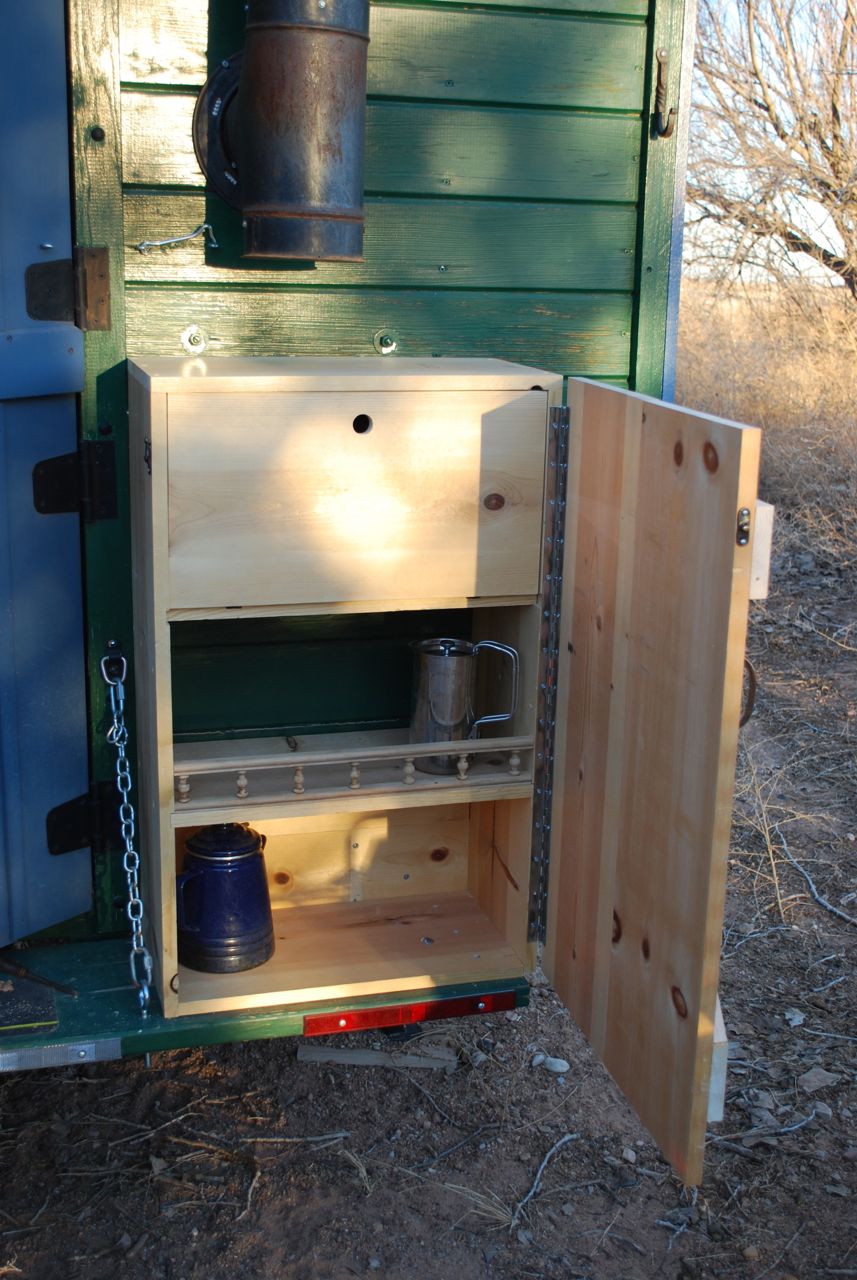
Still determined to keep the weight as low as possible, I piled up the kitchen basics on my floor and figured out an approximate volume.  Two small stoves, a kettle, coffee pot, cafetiere, a couple of cooking pots, tea tins, coffee cans, and some miscellaneous space.  A few essential cooking utensils for good measure.  Not much really.  I decided I can store the less frequently used implements inside the truck or in the tool boxes of the wagon.  With that examination made, the final design was almost infinitely more simple than my initial thoughts (which contained shelves, niches, and little drawers that only add weight but some real coolness, to the overall box).  These may be added later though.  So here’s what I’ve come up with so far.

DSC_0066Upcycling some old pine 1 x 12″ shelving boards, I decided to use these as the basic building unit and the building began.  Essentially, I created a box about 33″ tall by 21″ wide with two morticed-in shelves.  I wanted a fold down shelf to cook on when on the roadside or at a temporary campground and for this, I found a couple hinges off an old secretary desk (I save lots of hardware) and old steel drawer pull that came in a box of junk from some auction years ago.  To attach the door, an old piano hinge that needed a little scraping a brushing to remove some ancient enamel paint was located and brushed up.

DSC_0059
Cleaned-up piano hinge being installed.
DSC_0061
Old steel industrial drawer pull being installed with some recycled stainless screws.
DSC_0065
The door will serve as a wind block for food prep or cooking.
DSC_0064
Still some tweaking and finishing up to do before we hit the road but it’s finally coming together.
DSC_0063
While I ponder how to lock it up in a more secure way, a small latch from an old box does the trick for the moment.

I should mention here that I did buy star-drive, stainless steel screws for the construction so I’m now into the project for about $6.00 of real money.  More to follow soon I hope!

Bicycle Powered Micro Vardo

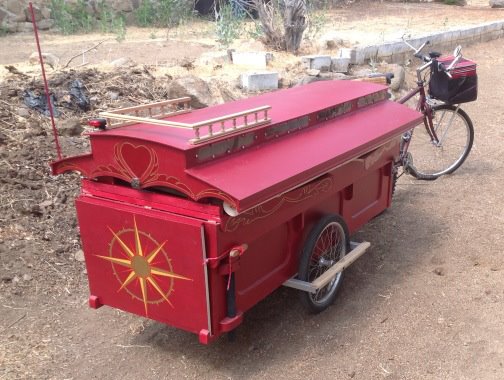
A very interesting vardo build by artist Barry Howard.  He created a guest post on Tiny House Talk earlier this summer to discuss his ultra-light, fold-down, micro vardo to tow behind his bike.  It provides about 12 square feet (1.1 square meters) which is about the minimum needed for an average size human or two to sleep.  As an artist, he uses it for carrying art supplies, transporting his finished paintings, and as a bedroom.  With a fold down table inside, it provides a place out of the weather and a table outside to cook on.

bikevardo0

I’ll bet he gets even more gawkers than us gas powered travelers.

bikevardo1

Note the standard mounted bottle opener.  No self respecting vardo traveler is without one.

bikevardo2

Great details in the paint, and even a stained glass window.  I wish I had these skills myself.

bikevardo3I love the mini mollycroft.  It gives it a very classy look.

foldingCreating a folding box like this adds a real degree of difficulty, especially while keeping it lightweight.  He seems to have manged it beautifully.

folded

Folded, it presents a low profile for less wind resistance and a low center of gravity.

Visit Barry Howard’s Facebook page for more photos or check out his blog to see what  he’s up to with his very cool vardo.

selfBH
Click the self portrait
to visit the Aimlessly Wandering Artist’s blog.

Vardo News, Russian Style

вардо, that’s Russian for Vardo; and it certainly looks more interesting in Cyrillic. Searching some Russian pages for vardo information yielded a wealth of photos and some interesting information about Traveler culture in Eastern Europe.  There’s as much fascination with the Traveler lifestyle in the largest country on Earth as there is on this side of the globe as we are more alike than we are different, despite what politicians might say.

trav02The enchantment that some of us have for life on the road spans the world.  Our ancestors were all nomads but some seek the comforts of permanent roots.

trav06It’s only in our recent past to settle for a permanent dwelling when the Earth is our canvas on which we write our lives largely and bold.  Most of us in the “New World” certainly wouldn’t be here at all had our ancestors been stay-at-homes or successful and steadfast.  I think we have it in our genes to look for greener pastures.

horsefaireThat’s why so many of us (1 in 300 according to U.S. statistical data) at some point in our lives choose an itinerant life against the image portrayed as “typical” and settled.

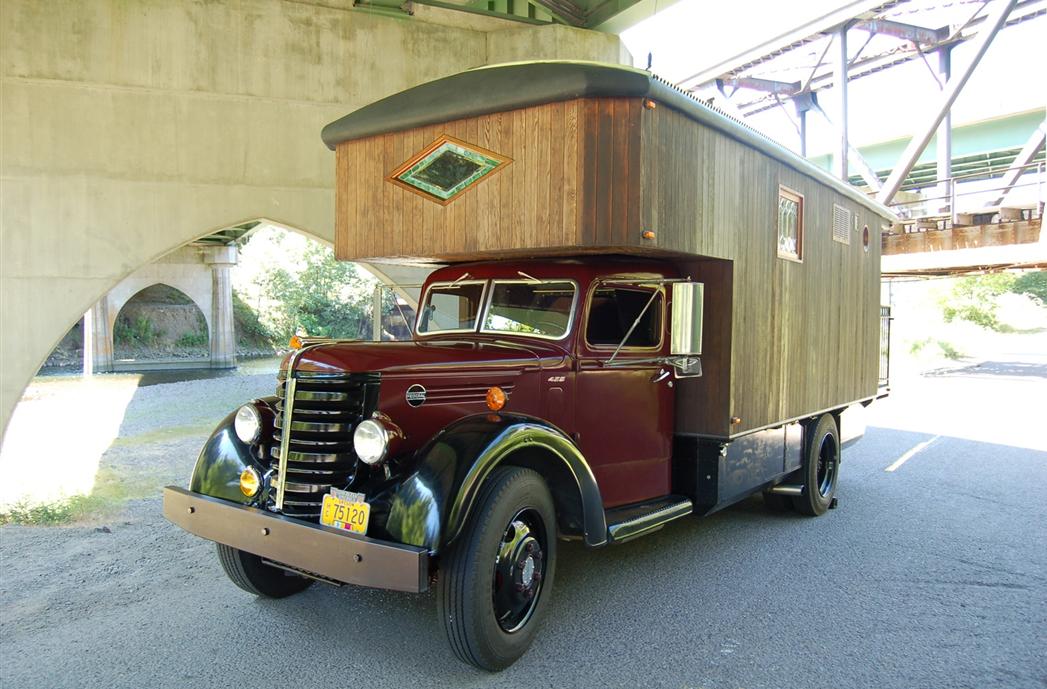
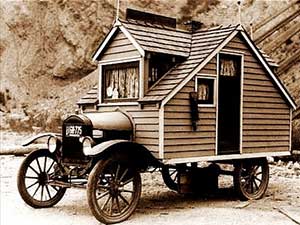
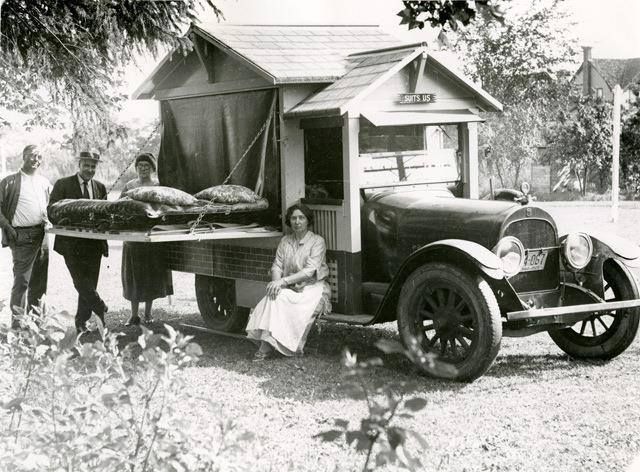
92477527_Gypsy_002This feeling is certainly not exceptional, from Reading Wagon to Winnebago, it’s relatively easy to make one’s home on the road.

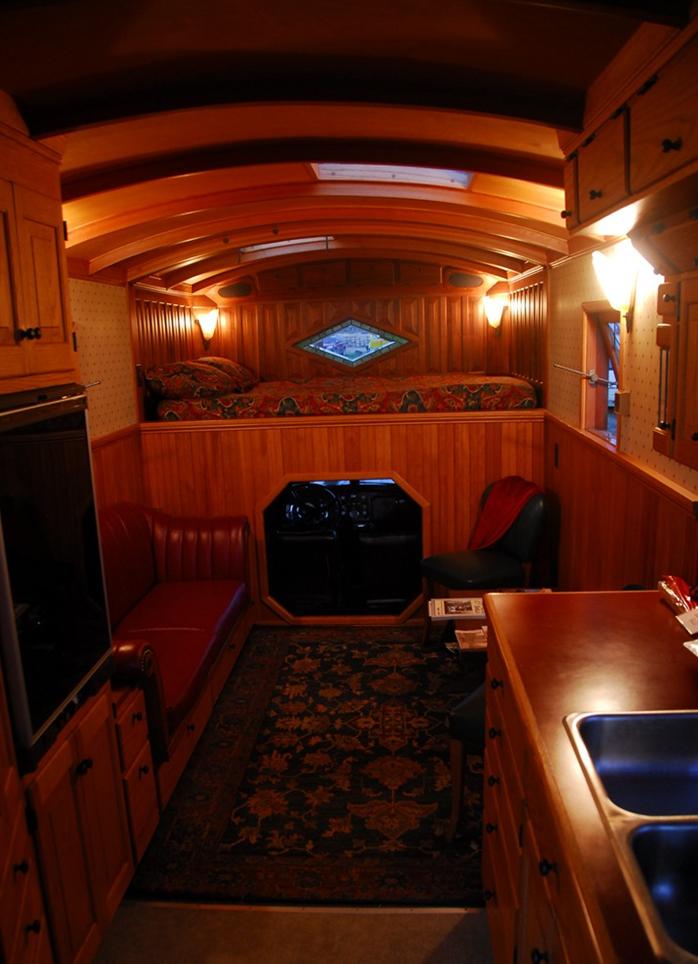
OLYMPUS DIGITAL CAMERAMaybe not as spacious as a spec home in Los Angeles but when the outdoors is your home then the real luxury can be limited in square footage.

OLYMPUS DIGITAL CAMERAAnd, of course, there is the romance of the Road.  Think of Steinbeck, Kerouac, McCarthy, or Tolkien; the great adventure stories of the Road that never ends.  We need nothing but our rolling universe and the few things we bring along.

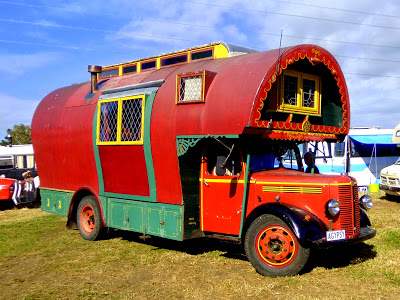
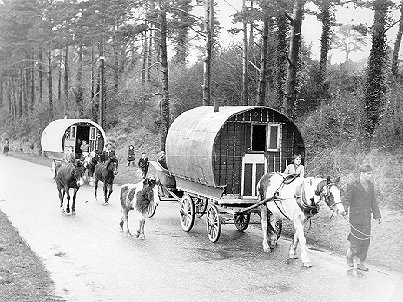
Reading RomanceFor western Europeans, there is a special romance with the horse, wagon, and music that makes this lifestyle especially enticing to some, leading to the immense sales of caravans that will rarely see actual use but represent a freedom most of us may never get to know.

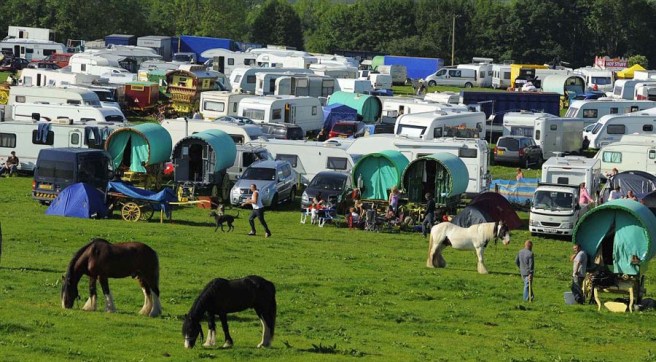
Horses graze in a field next to travellers during the horse fair in Appleby in Westmorland, Cumbria.

So if it’s in you, you are not alone in looking for some adventure on the open road that is your life.