I’m dedicating the next few weeks to my small leatherwork business. When I’m making things with my hands and simple tools, I feel a real connection with our ancestors. It’s nice to get lost in the projects and learn new techniques along the way. When I’m away from this portion of my world it seems that there is a lag when restarting as the hands and mind relearn their movements and the order of things.
Hopefully, I’ll be able to restock the Etsy store with some exciting goods while the weather is cold. I’m looking forward to spring and the time to get out into the wild to gather materials and supplies from nature; a much overlooked time-consumer for the primitive technology teacher. And just maybe, we’ll be able to gather together again soon to share our skills and camaraderie of our community.
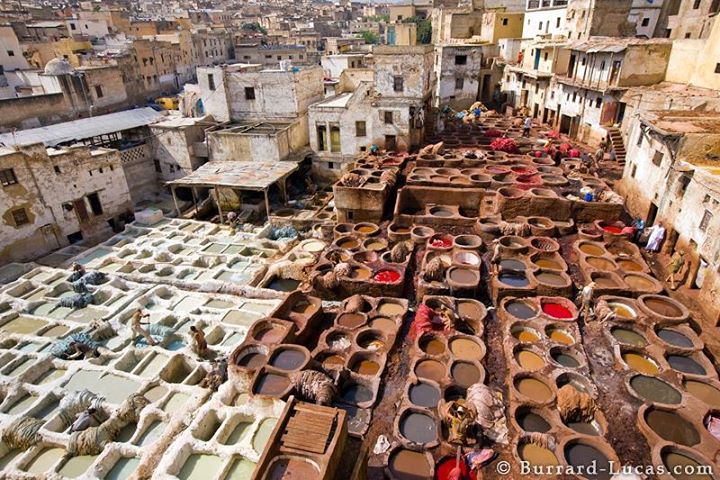
Many years ago, in Morocco, I was able to tour an ancient tannery and see some of the process of creating beautiful leather. I use leather for many projects and although I do some brain tanning myself, I purchase all of my truly “tanned” leathers from others.
Click the image to visit the Moroccan National Tourist Office on Facebook. If you are interested in a description of the tannery at Fez, have a look at Becca’s post about it over on AlwaysCarryOn.
One very important lesson about tanning I learned in Africa was that I never want to work in a African tannery when it’s 100 degrees in the shade. The smell makes a feed lot in Texas almost seem habitable and hits one in the face like a dense fog.
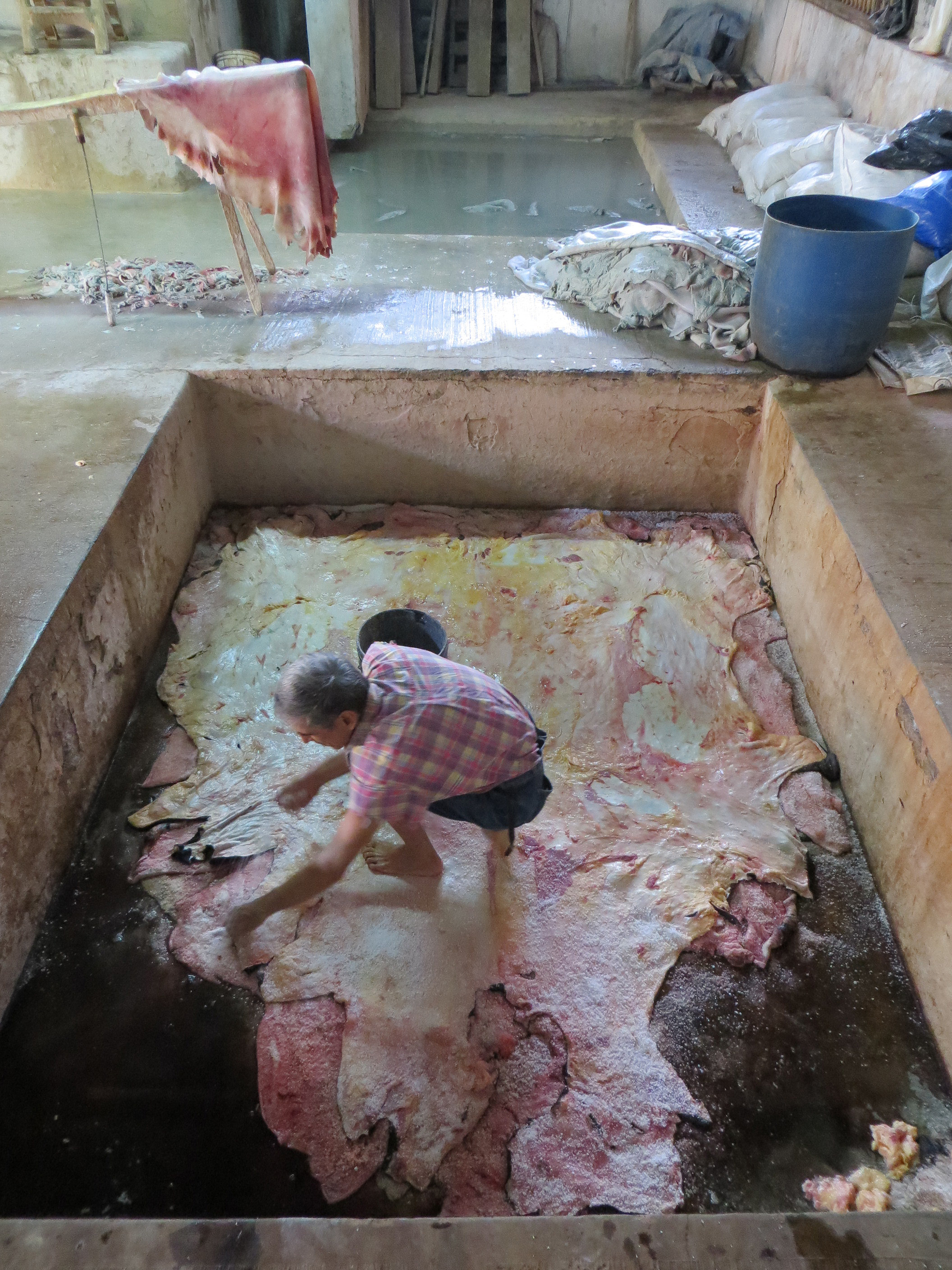
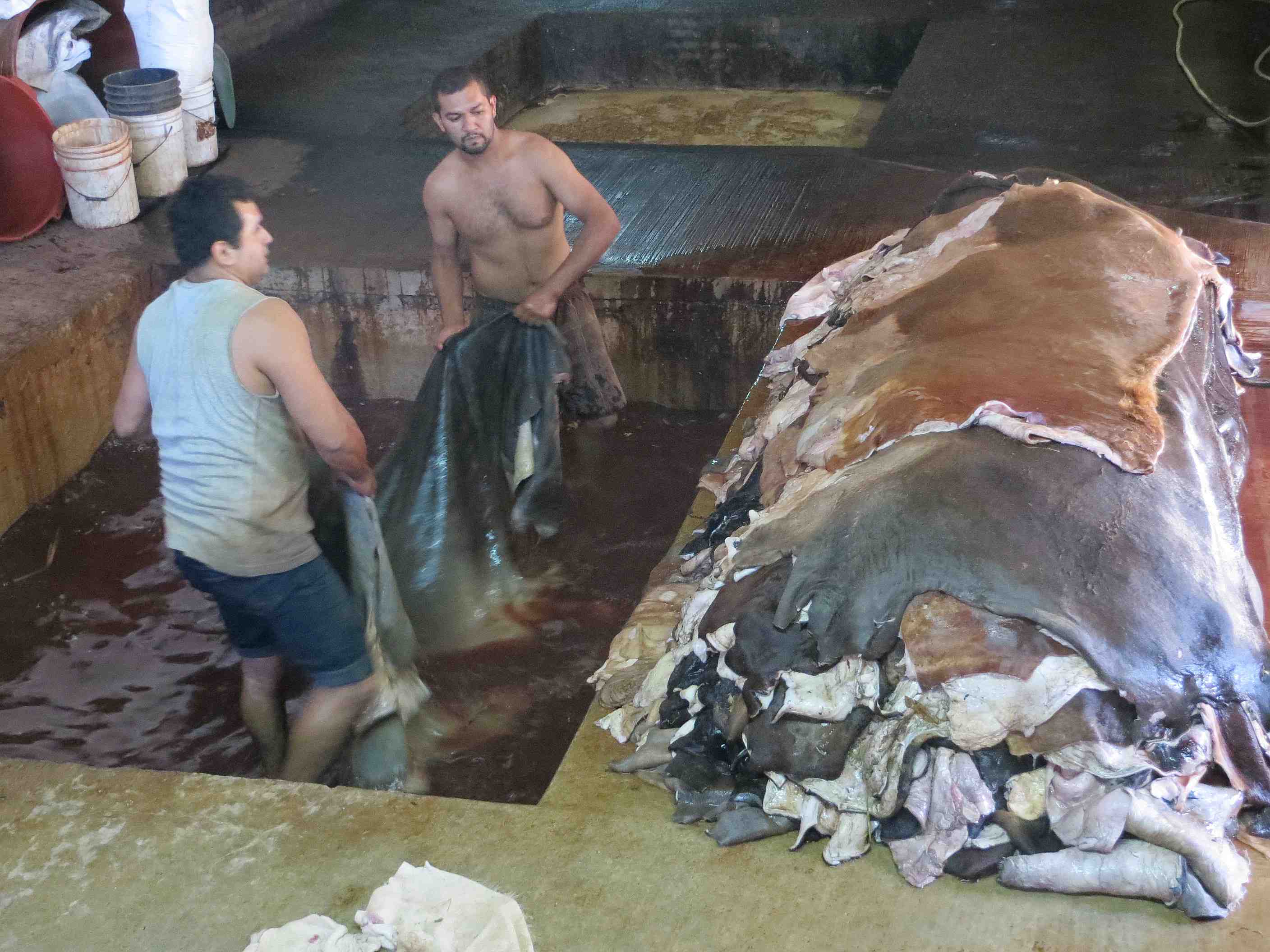
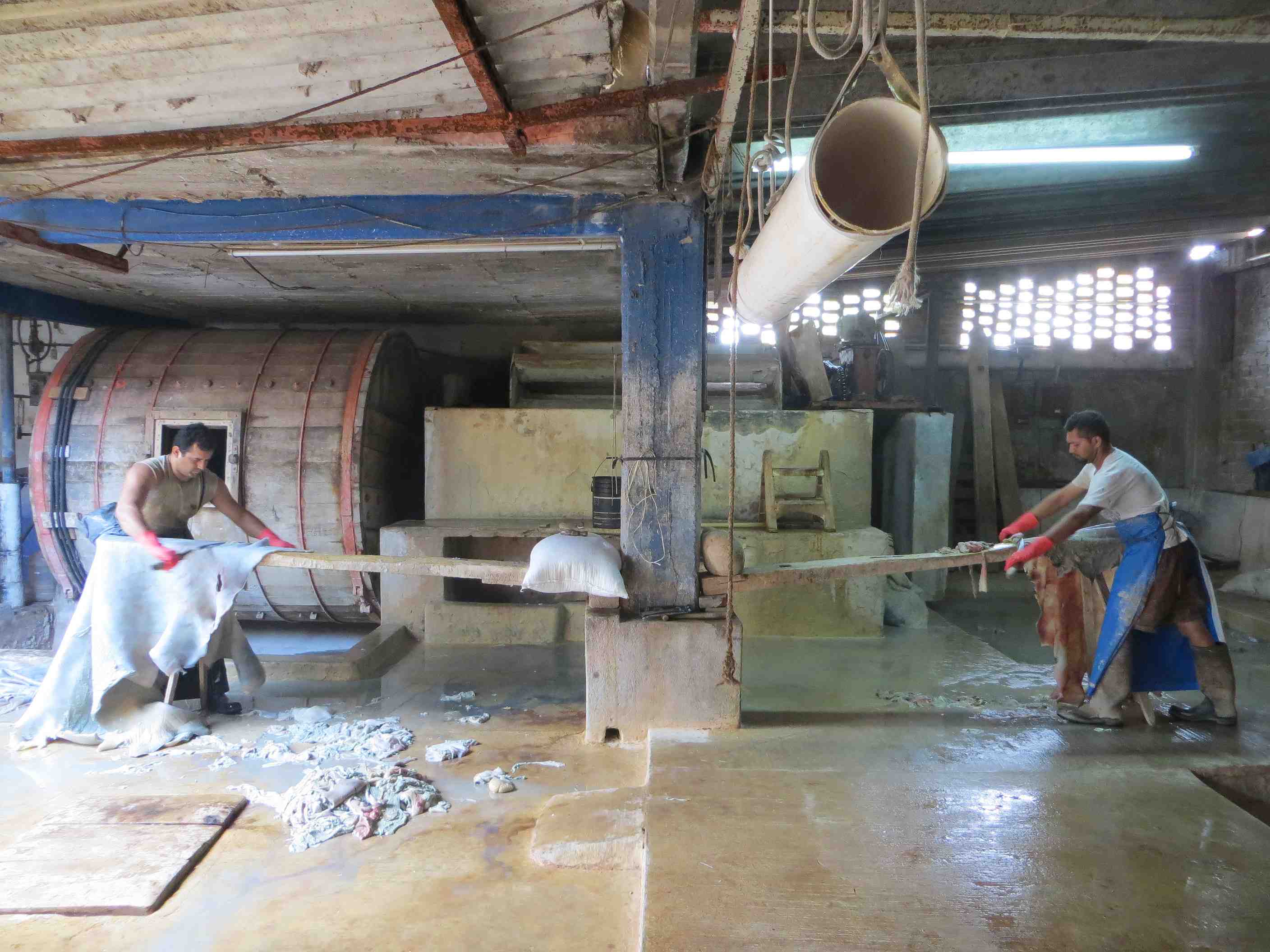
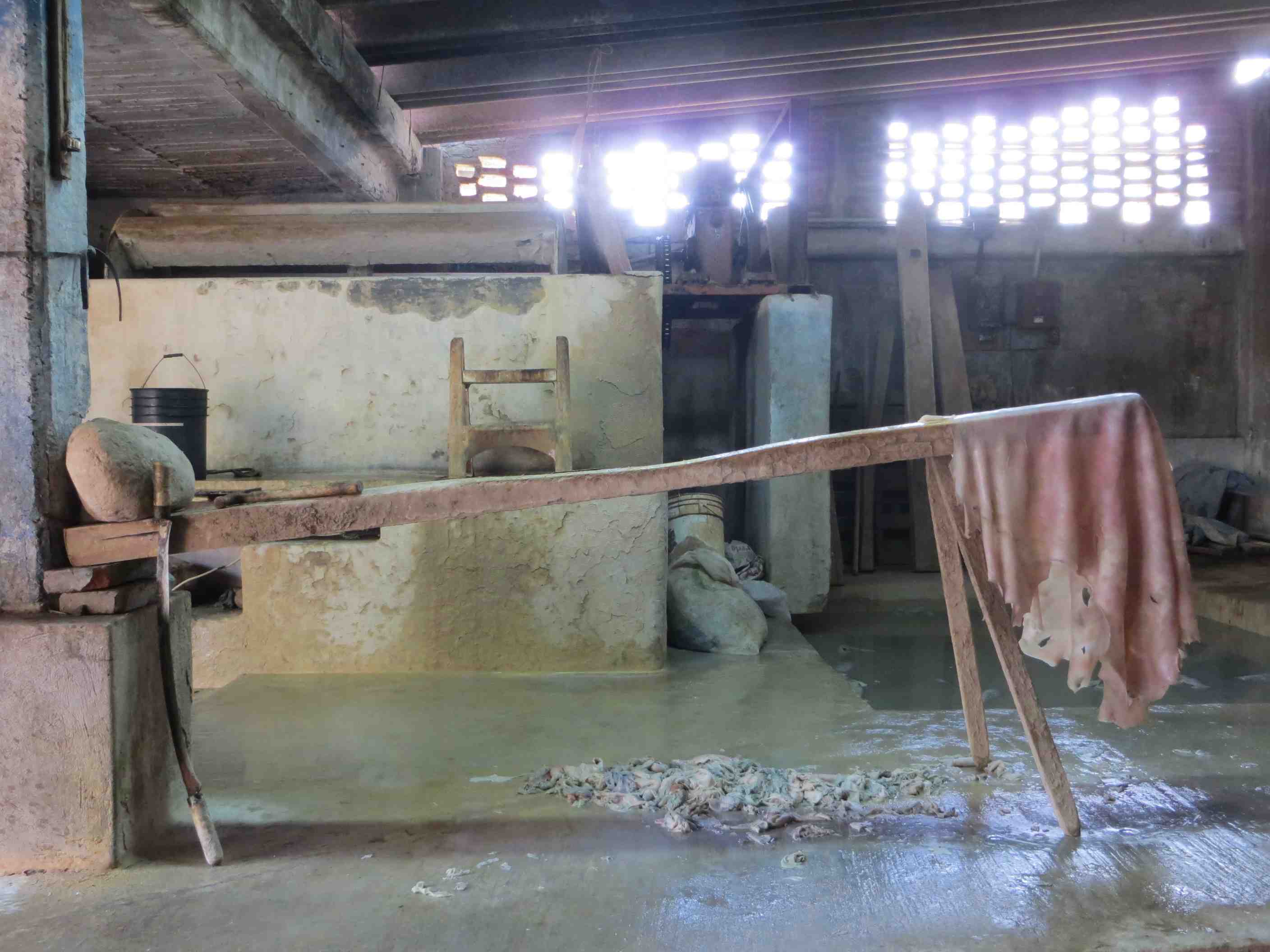
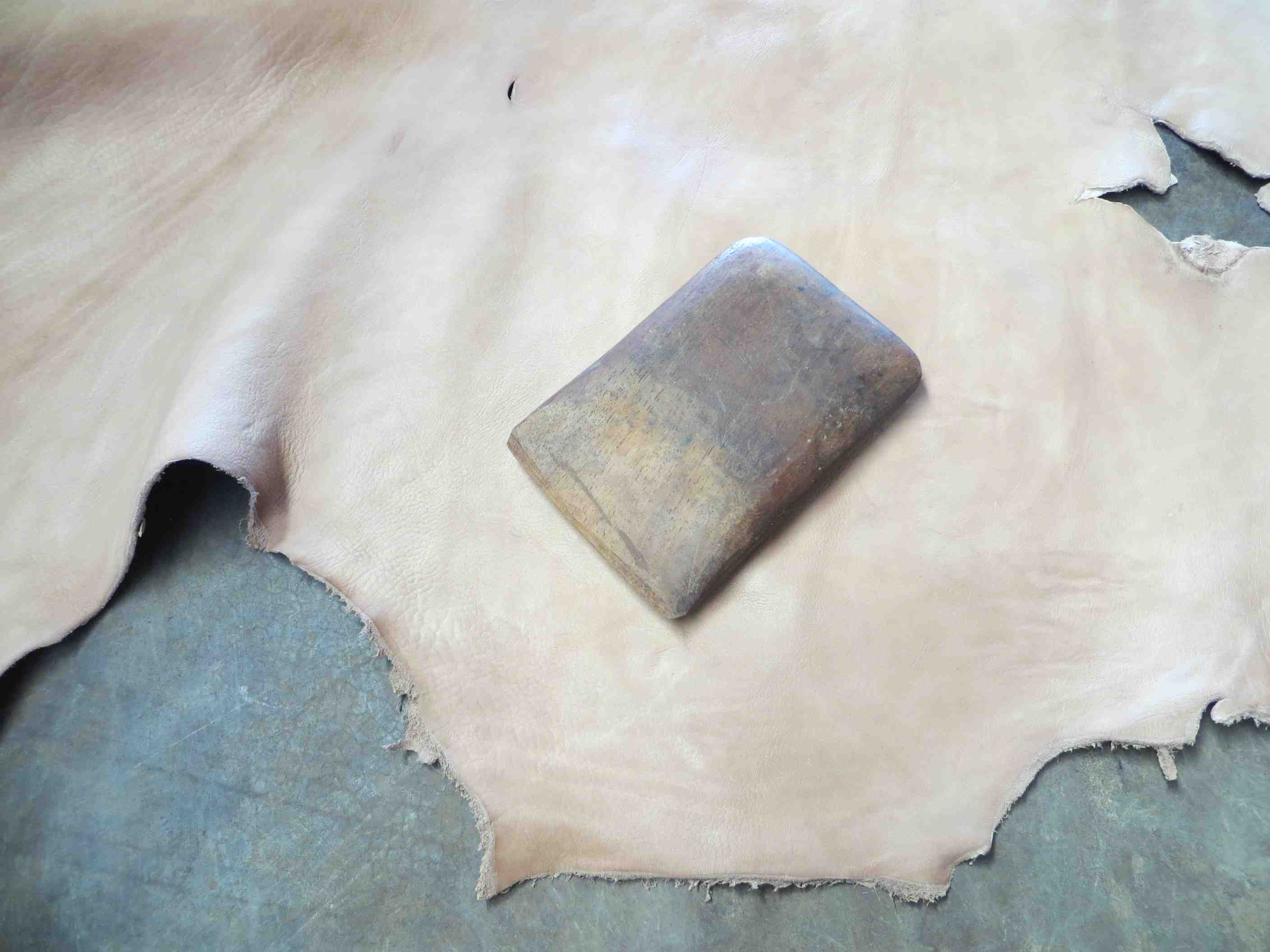
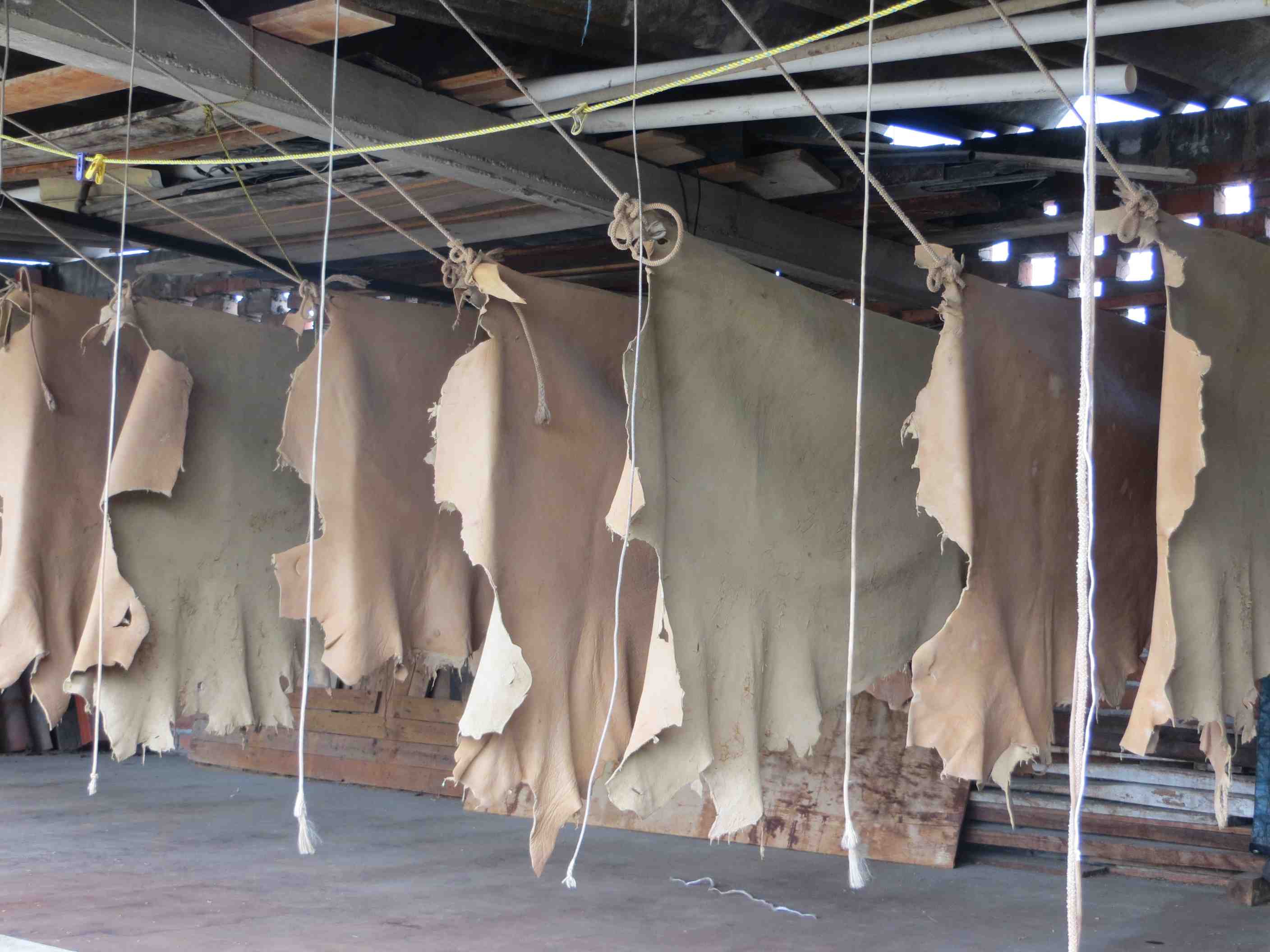
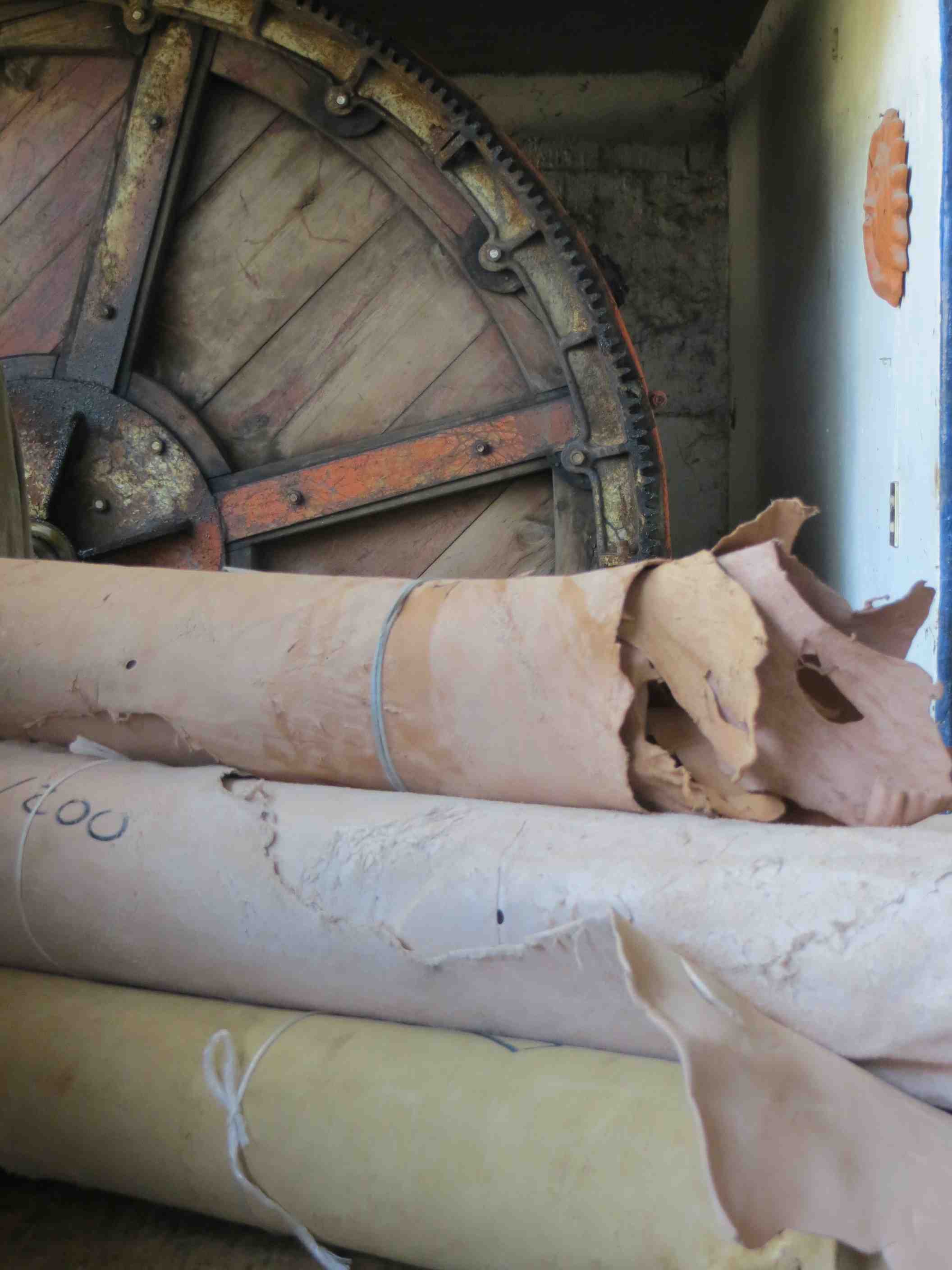
Well anyway, Markus at the huarache blog has done it again… forced me to steal his excellent article and link to his great research in Mexico. The post gets a very close inside look into the tanning process; a somewhat secretive business in my experience.
Great set-up for the beams. Spacious, indoors with a cleanable floor.
I think anyone who has tanned hides will appreciate this solid set-up.
This is just a picture preview. For much more in-depth information, have a look at the article on the Huarache Blog by clicking here.
I appreciate this work so much for having done some myself. Tanning hides is tough, back-breaking labor that goes unappreciated. It’s good to know that there are still folks out there keeping these important skills alive. More importantly, to know that there are alternatives to corporate factories producing little more than garbage and waste. It must be tough on these small family businesses but I hope, for all our sakes, that they find a way to survive.
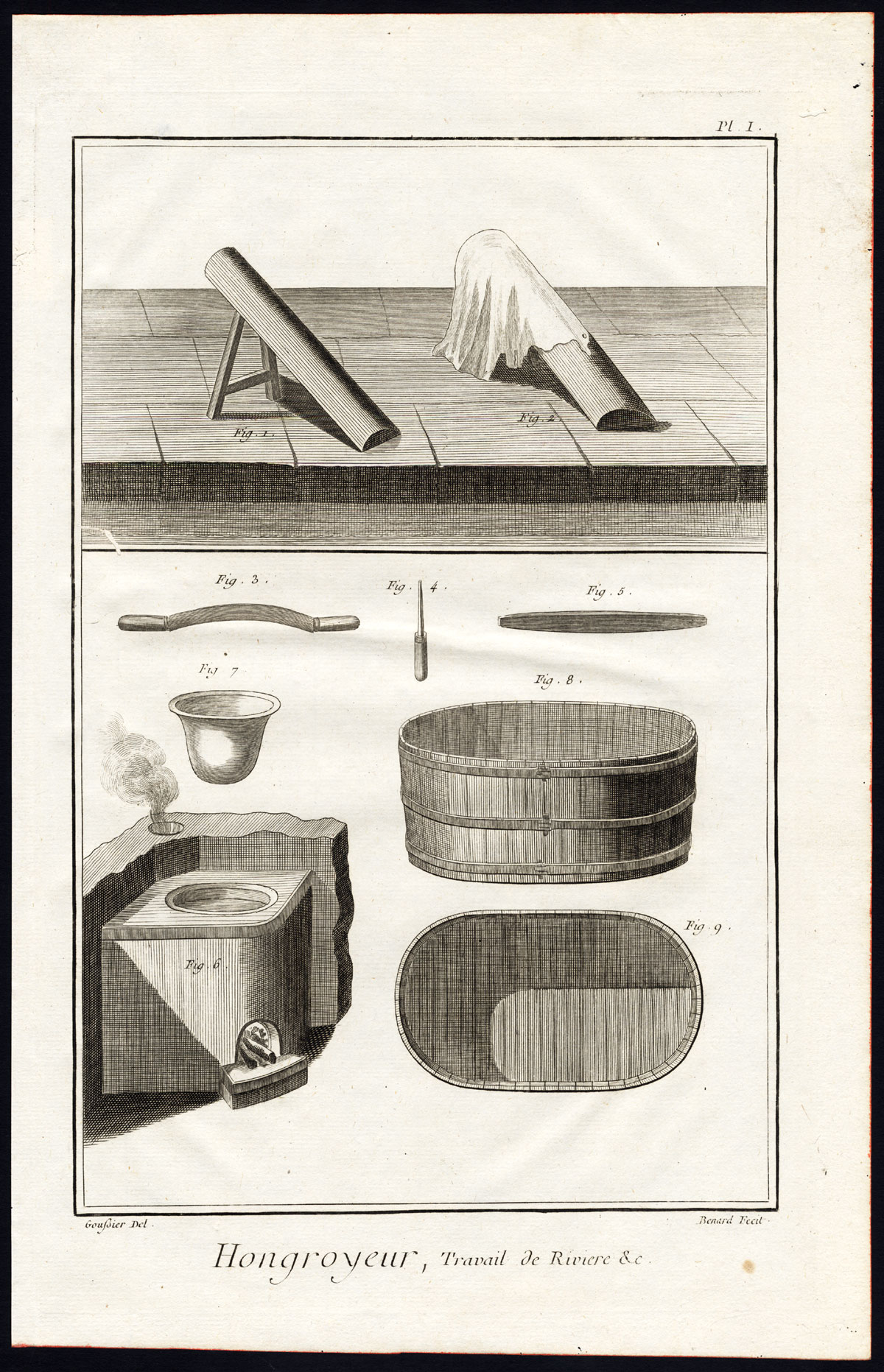
Here are some images from hide tanning workshops from Diderot’s Encyclopedia, 1769 that I found interesting as a leather worker and occasional hide tanner.
Tools for the tanner, the beam, currier knife, slick, tub, and the heater. From the Encyclopedia of Sciences, Arts and Trades, Diderot and D’Alembert.
Chamoiseur, From the Encyclopedia of Sciences, Arts and Trades, Diderot and D’Alembert.
If you have done any hide tanning you’ll recognize the tools of the trade. Not much changes for the small-time home tanner.
From the Encyclopedia of Sciences, Arts and Trades, Diderot and D’Alembert.
I suspect this is some hot and smelly work and judging by the way they’re dressed it is a hot room. The only large traditional tannery I have visited was in Morocco and it had an odor on a hot summer day that hit you like a brick wall. I’m not sure what they’re doing with the fire at this stage but maybe adding some amount of smoke rather than heat.



 Preindustrial Craftsmanship