I have posted quite a few images and links to classic old-time sheep camps here over the years. If you travel the small byways of the Mountain West you will still see plenty of old sheep camps in use or parked around ranch houses today. But the sheep camp isn’t just a thing of a past generation, they are still being rebuilt, restored, or made in shops for modern use.
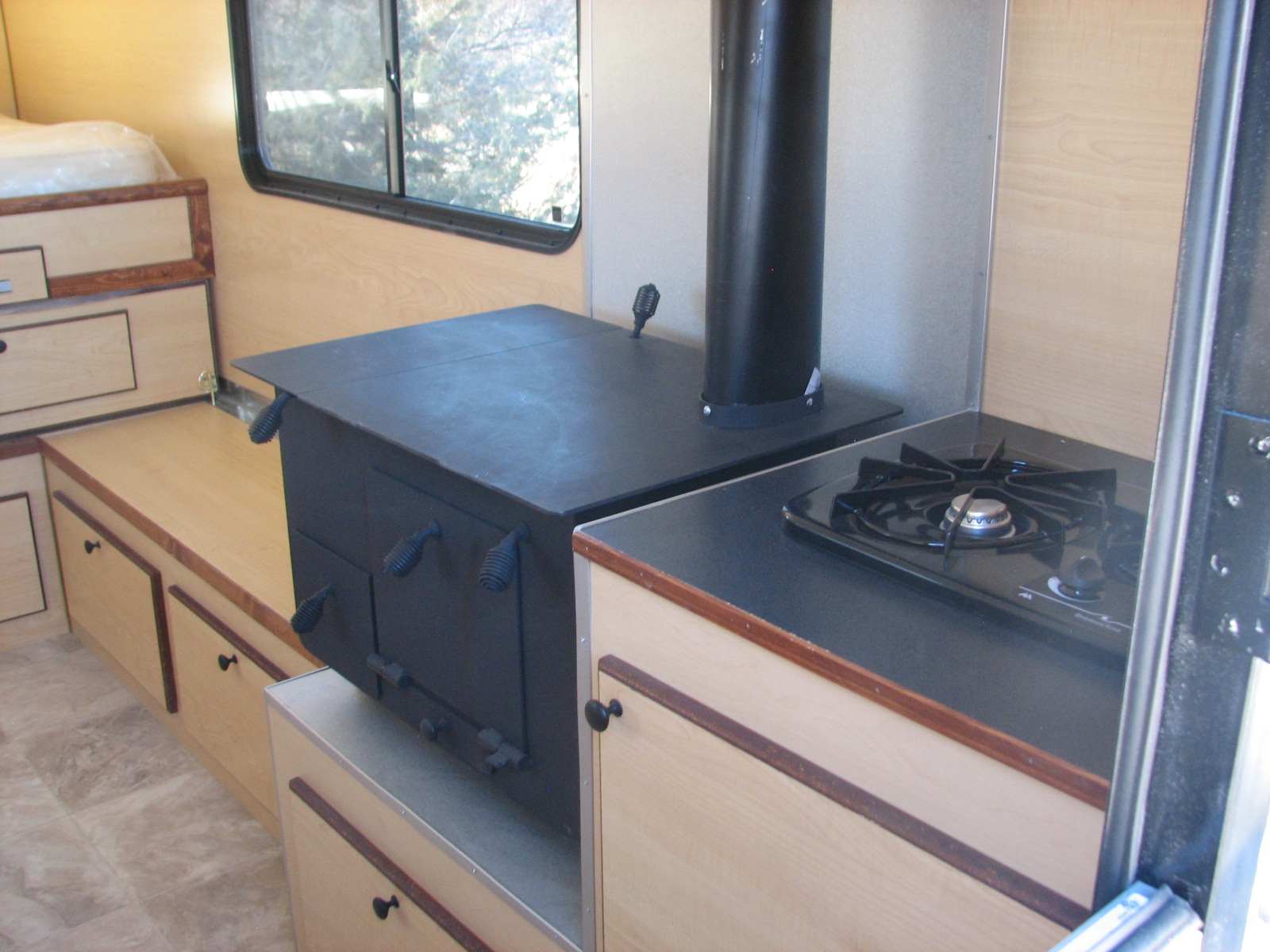
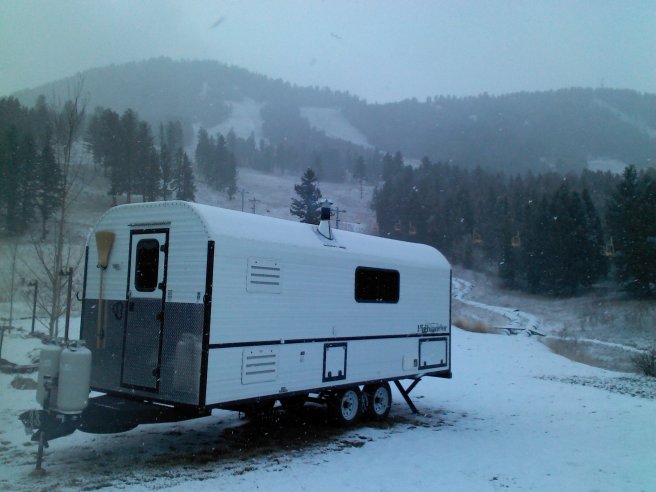 If you aren’t sure how this differs from a modern RV, you may not be alone. However, there are some subtle but significant differences. First of all, the sheep camps tend to be built much more sturdily than their recreational cousins and almost always have a wood stove for heat due their use in remote mountains. The over-built bodies and heavy-duty frames allow them to be dragged into all sorts off-road locations without damage. As a working accommodation they tend to be more spartan than many new RVs.
 Note the traditional wheel arrangement on the model above. This type of running gear allows the wagon to be pulled into any location and is always set-up. No need for jacks if you can find a relatively level patch of ground. However, if the wagon is to be primarily pulled on the highway, a more modern configuration adds to their towability as seen below.

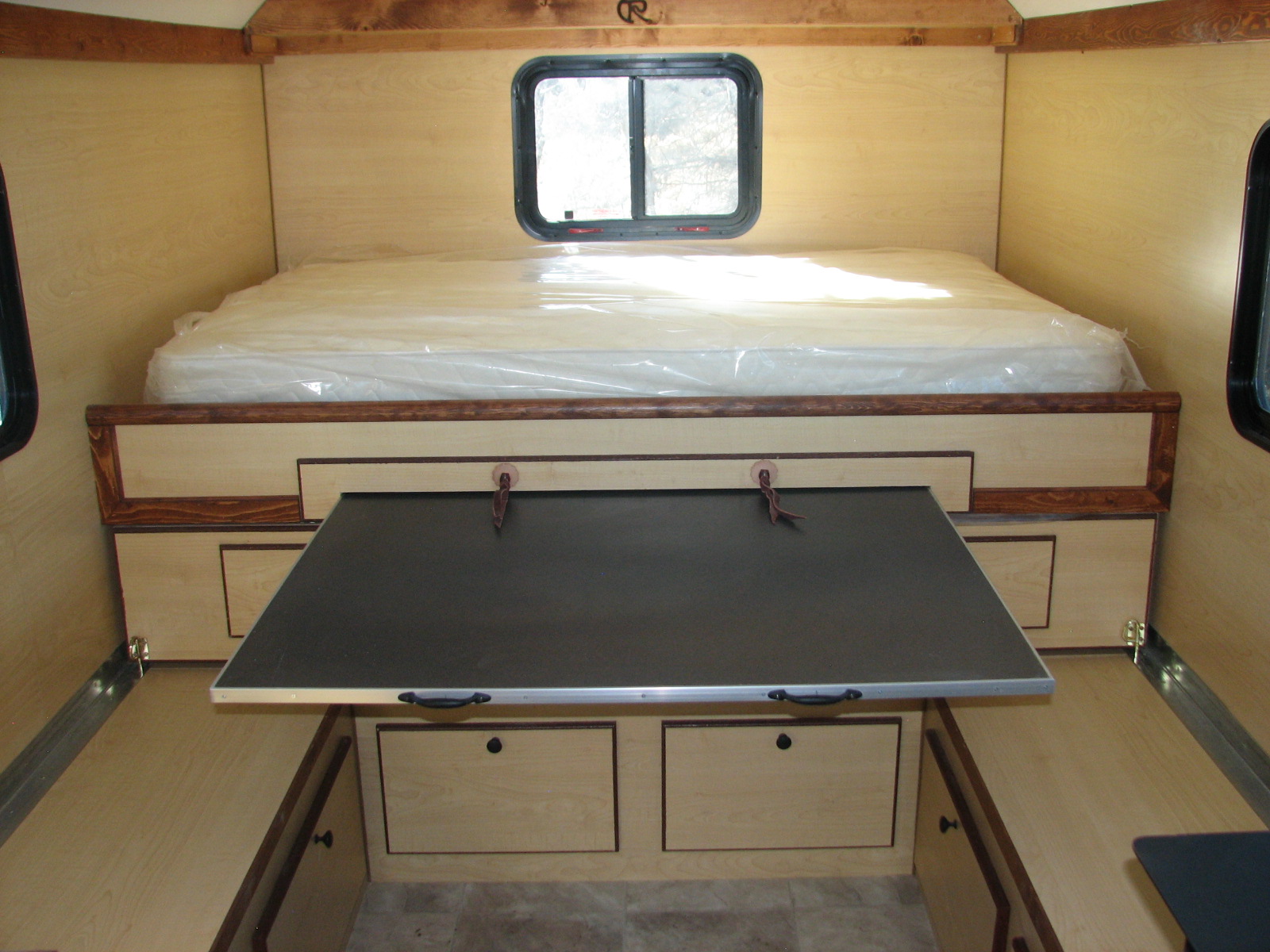
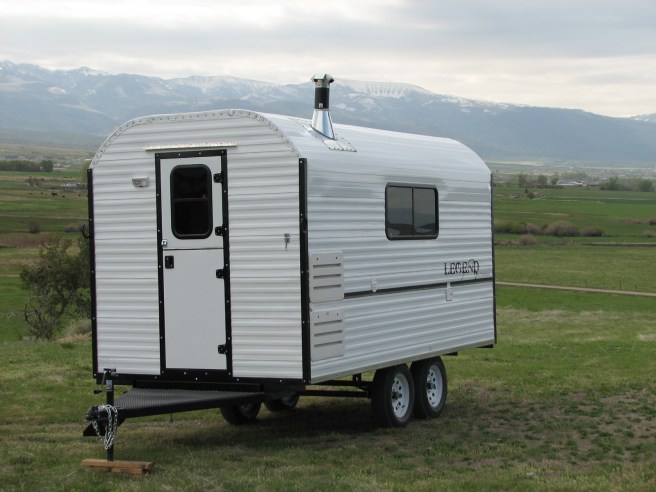 The layout is classic (I modeled my layout, in part, on this style wagon) with the bed across the back and a stowaway table. The people at Timberline Range Camps, who create the wagons pictured here, have preserved the classic features in a fully modern “camp”.

I get no endorsement from them but please go and check out their work.

Tiny sink, lots of storage, and a two burner stove are perfect for a couple working folks or an cold weather hunting camp.
Nothing fancy required in an off-grid home like this. Although the wagons have grown in size to accommodate the modern worker I appreciate their dedication to simplicity. One of the coolest features, I think, is the bed-under-the-bed.
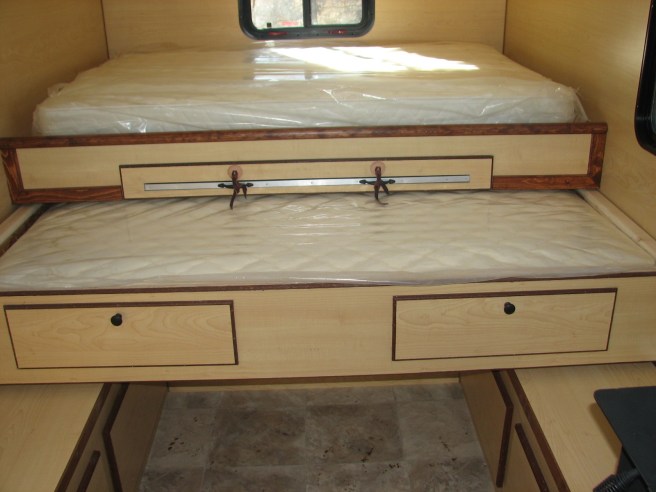 The lower bunk slides in and out as a drawer to completely stow away with a minimum of wasted space when not needed. If you want the vardo-caravan-sheep camp lifestyle but cannot bring yourself to build it, explore the many options of the modern builders. This is just a small sample of what they offer, check out their web page and blog to see many more photos: http://sheepcamps.com/

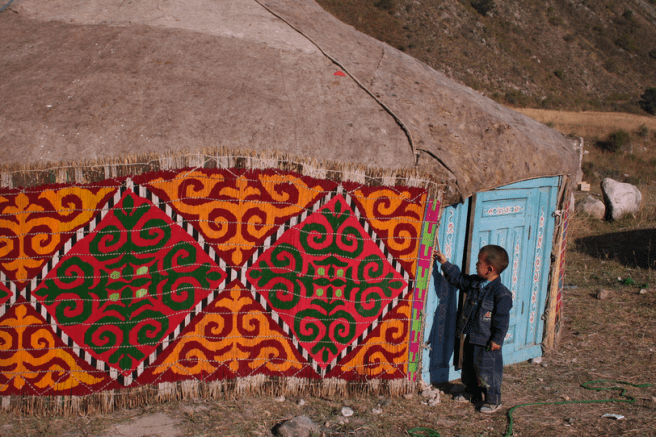







 Preindustrial Craftsmanship