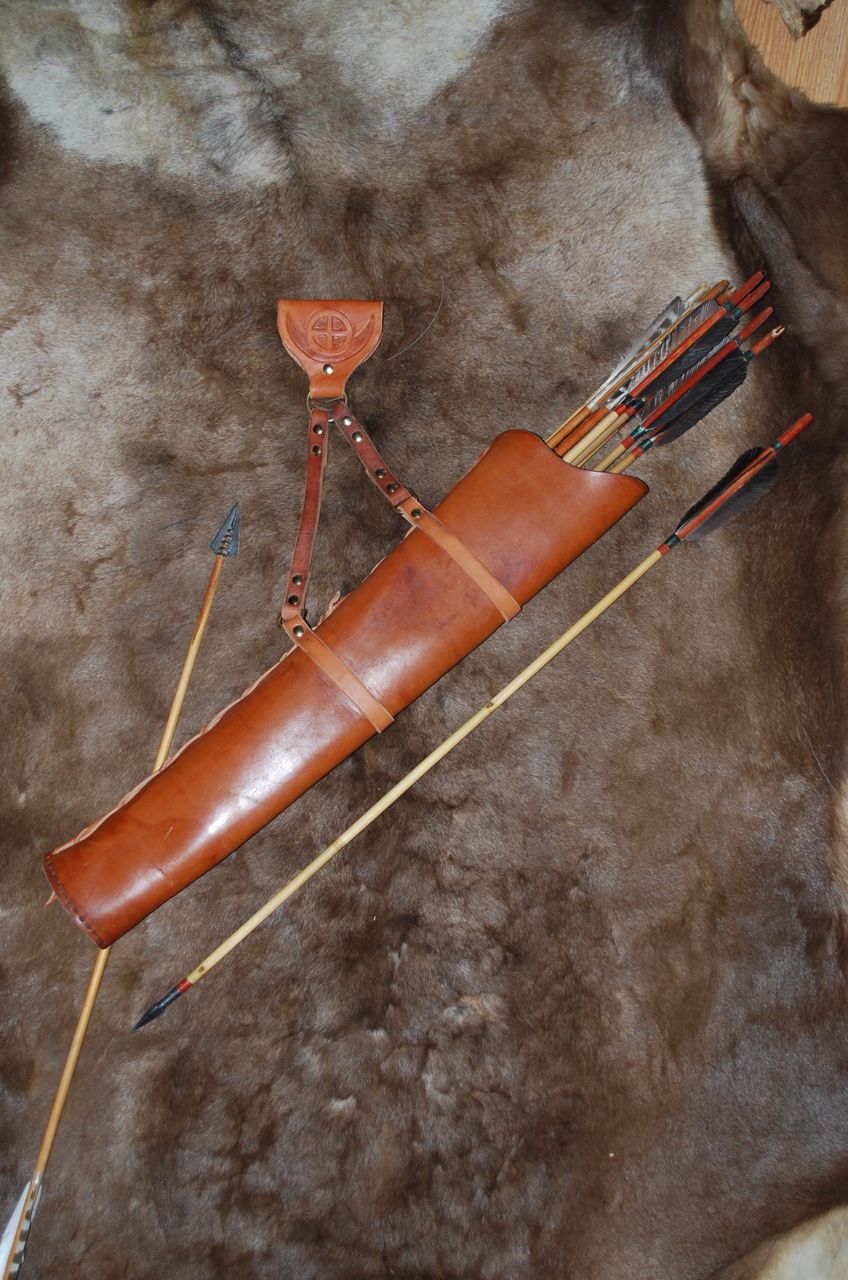
Finished up the quiver. It’s been unfinished for at least a year and this weekend finally saw some completion. It’s a time for closure on unfinished projects.
Adventures of an Imperfect Man In Search of a Handmade Life

Finished up the quiver. It’s been unfinished for at least a year and this weekend finally saw some completion. It’s a time for closure on unfinished projects.
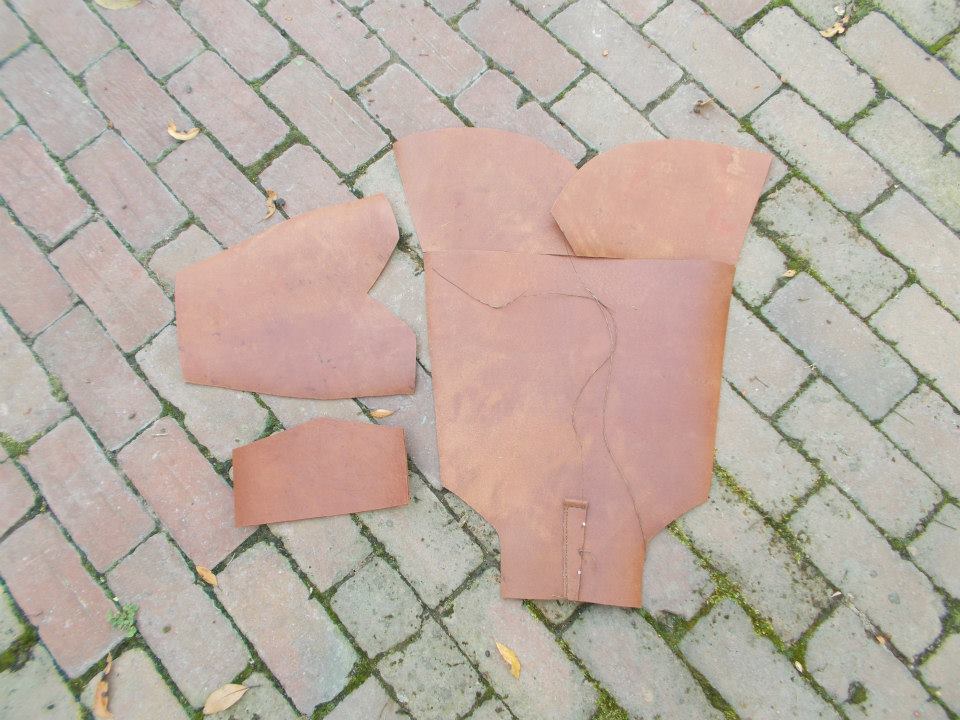 The Shoemakers’ Shop of Colonial Williamsburg, Virginia has posted an excellent photo-essay of making a pair of 18th Century Jack Boots. Their leather work is phenomenal and shows real craftsmanship. Any leather worker can appreciate this even if they never intend to make a pair of shoes. This pair is particularly interesting with the fire-tempering and waxing that occurs. Their research is in-depth and is well documented.
 Stages of heating and finishing the boot.
 Perfectly stitched in the traditional manner.
 The upper coming together.
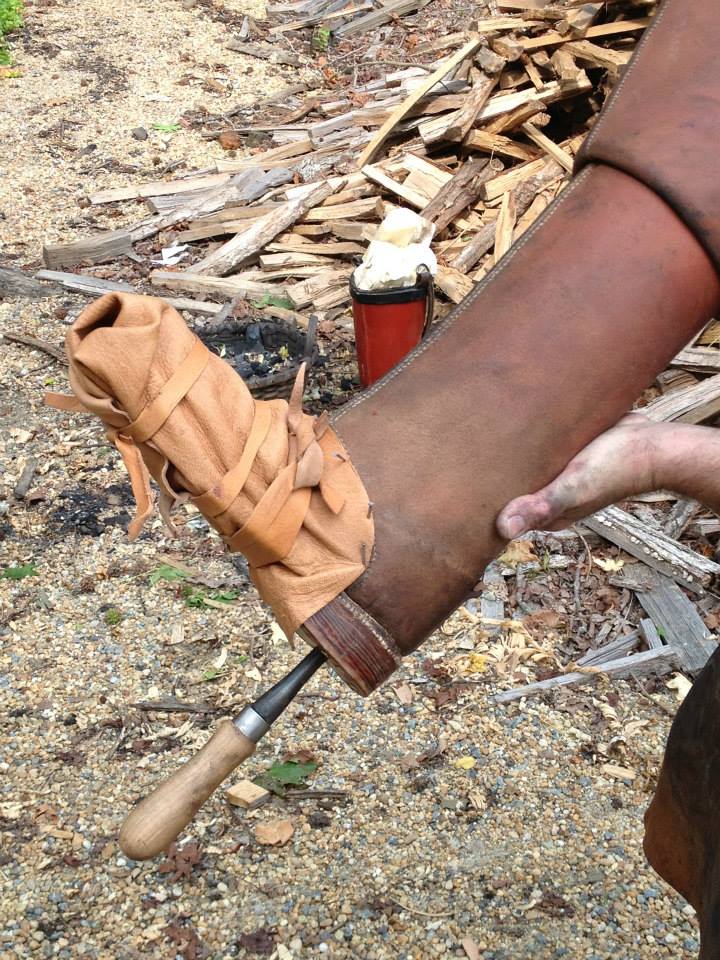 Ready for waxing.
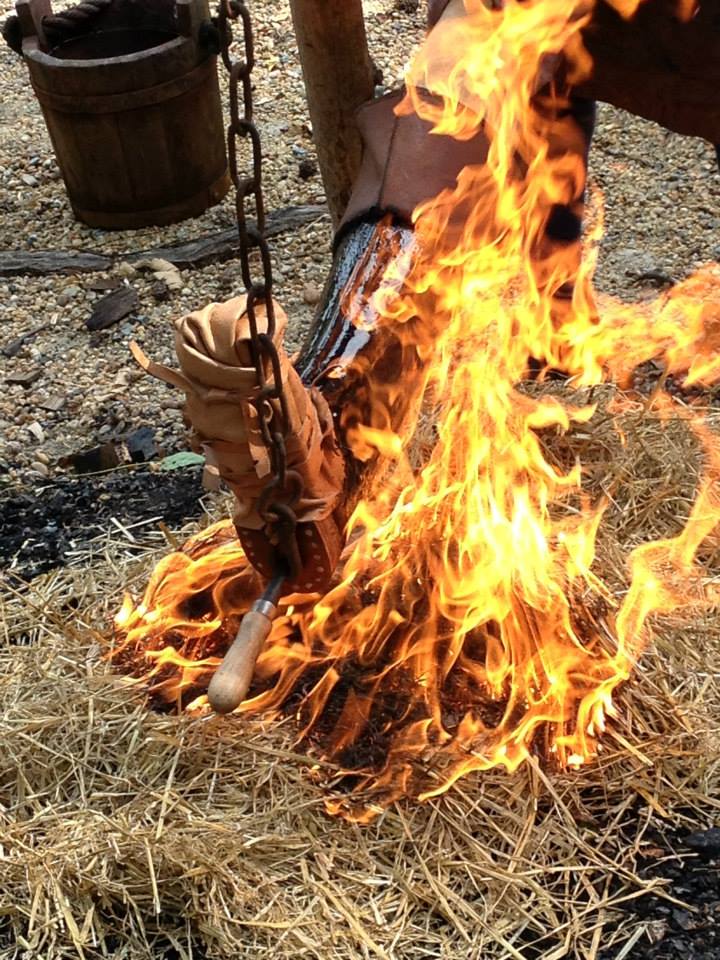 A judicious use of heat. The grass keep the temperature relatively low.
 A finished specimen. Ready for riding.Have a look at their Jack Boot page. There is commentary with each photo. While not full of detail, the images go a long way to understanding the process.
Unlike almost all of mainstream footwear, Huarache leather is still vegetable tanned using wood. Few tanneries in the world still offer vegetable tanned leathers because of the slower tanning process and higher raw material costs.
Not only are the wood and organic matter used to tan the leather renewable, but the vegetable tanning solution doesn’t create toxic carcinogenic bi-products such as Chromium IV to which tannery workers and waterways can be exposed to.
The natural benefits of vegetable tanned leather are that the organic tanning process has a much lesser environmental impact and the leather maintains some of its natural quality to stretch and adapt to your foot shape.

Jesús and Antonio González the father and son tanners still practice this traditional and centuries old tanning method and unlike modern tanneries still tan by hand.
They are considered by many local Huaracheros to be the best vegetable tannery in the Mexican state of…
View original post 247 more words

I like the closed, round toes on this one. From http://huaracheblog.wordpress.com/.
I don’t buy a lot of tools but this past week added one old, one new, and created one to add to my pile.

I found this old shoe anvil at out local pawn shop/junk store last weekend and couldn’t pass it up. It will help with my ever increasing level of shoemaking and might just serve as a rivet set for other leather projects.
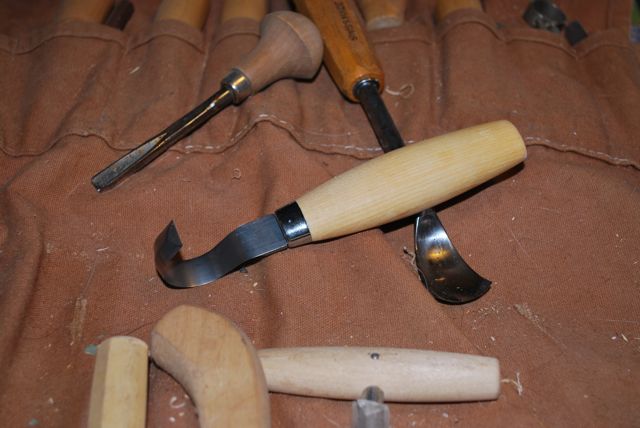 I used an Amazon gift card I received for christmas to purchase a Mora curved knife I’ve had on my wish list for some time. I can’t wait to start making spoons again.
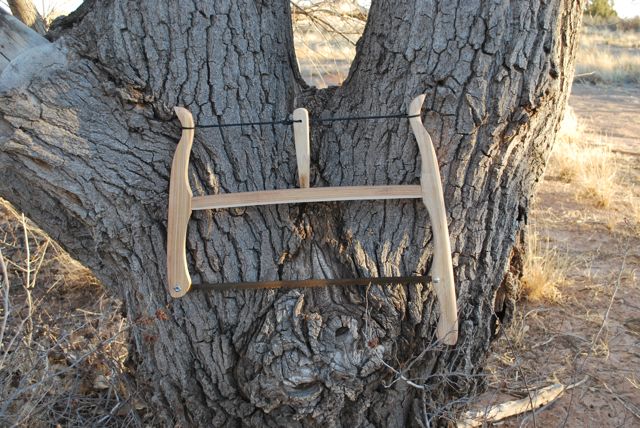
And finally, I have nearly finished a buck-saw that’s been lingering in my mind for some time now. This is it assembled, having sawed a log just to be sure it worked, but lots of finishing touches will need to be added to be a suitable tool. I’ll round the edges and spruce it up with some carving I think, but for now, it makes a nice take-down saw. Total spent: about $20 US.
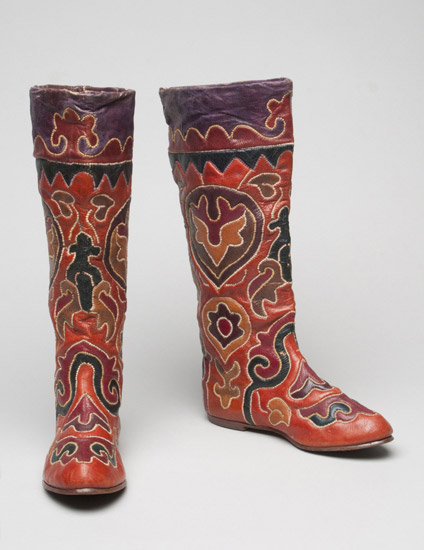
Uzbekistan boots. I need to make something like these.

A real treat from the Sifting the Past blog. It is worth checking out if you are interested in researching the past through images of the period just prior to mass industrialization. The Townsend’s have a couple excellent websites including an interesting 18th century cooking blog with videos. There is so much in this painting that describes the time and the craft of the cordwainer. There is a palm awl and lasting pinchers in the lower right, the ever critical strap for holding the shoe while sewing, the sewer’s palm for pulling tight the lock stitch, as well as the hammer, mallet, and knife of the trade. He is holding the sole awl in his left hand. The basket on the work bench contains a great bone tool made from a metapodial bone as so often found prior to the 20th century when craftsmen made their own tools. I want my shop to look this great sometime soon.
This is a great series of photos of a surviving craft still producing their own leather. This maintains an economy (for them) that could have very little cash outflow, replacing the cost of raw materials with labor. I hope these industries survive.
- A great photo of a huarachero from the series.
Nestled into the Sierra Norte mountains of Oaxaca is the small town of Yalalag.
Yalalag is very precious town, not only for it’s strong Pre-Hispanic traditions, but also because like only a handful of other small towns in Mexico, most of the Yalalag population is still dedicated to the traditional craft of Huarache making.


Huaracheria Aquino is the largest ‘Taller’ workshop in Yalalag and they are well known for their high quality Zapotec Huaraches.
What also sets this family run business apart from most other Huarache makers in Mexico is that their crafting process begins at their in-house tannery, where they vegetable tan all their leathers to their precise specifications.


Huaracheria Aquino is famous for their traditional women’s Zapotec Yalalag sandals (the only existing traditional women’s leather sandal/huarache style in Mexico).


Photo of young Zapotec Woman in Mitla, by Guy Stresser-Péan, 1957
Their ‘Tejido’ Huarache also stands out for the…
View original post 153 more words
Prang’s Aids For Object Teaching written by Norman Allison Calkins in 1877. From the Shoemaker’s Shop, Colonial Williamsburg.

If you are interested in Huaraches, this blog is the end-all of huarache information.
Señor Alfaro is 70 years old and the last Huarachero in Sayula, Jalisco. Although his woven Huaraches have won him awards in regional craft competitions, today like may Huaracheros his business has become very difficult. Although Señor Alfaro has done very well to stay in a trade where many have quit, he melancholically tells me that Huarache making is a craft headed for extinction and that he has advised all his family not to get into it.
Sadly most towns in Mexico have at most one Huarachero left, whereas 30 years ago each town used to have many. Señor Alfaro told me that at one time 90% of Sayula locals wore Huaraches and 10% wore shoes, today that ratio is inverted and only 10% wear Huaraches.
But besides the reduced consumer base, there are 2 major difficulties facing skilled Huaracheros today, the rising costs of vegetable tanned leather and rubber tyres, and that…
View original post 163 more words

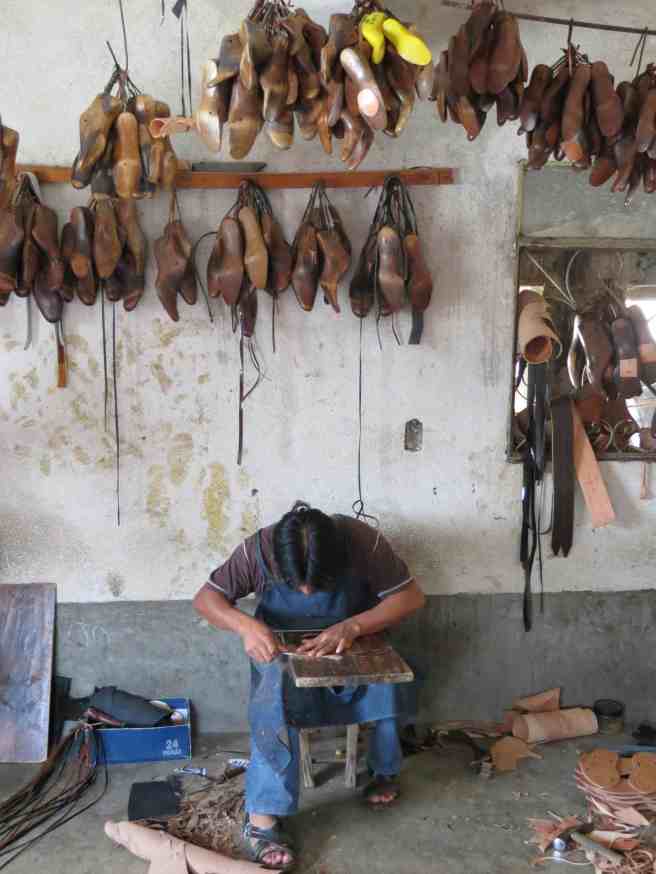
 Preindustrial Craftsmanship