These have been my most popular item over the years but they are fairly time-consuming to make. They also use a lot of leather and generally a fair bit of hardware, especially if the strap is leather with a buckle. However, they are a lifetime investment and have made quite a few people very happy as they break in and age with use.
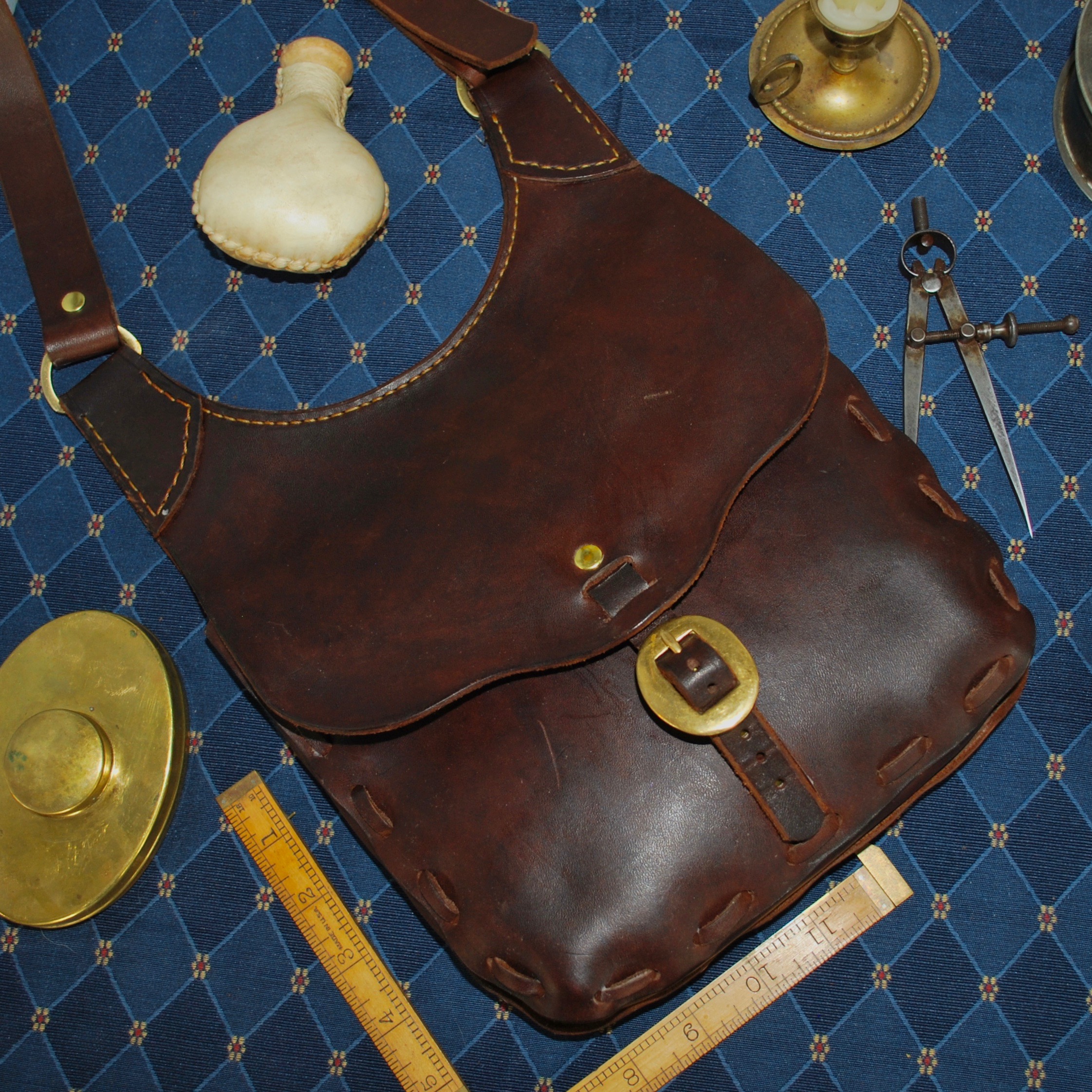
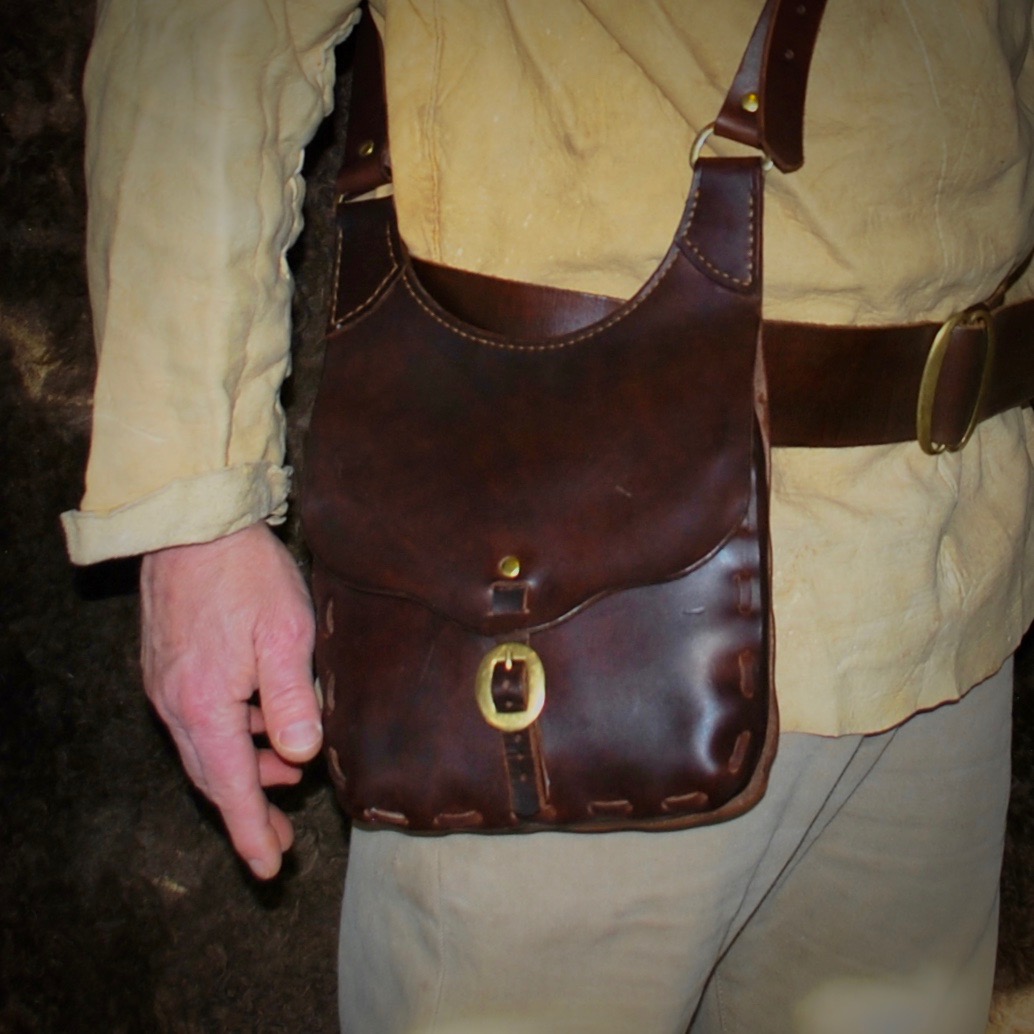
My take on the 18th Century English shooting bag.
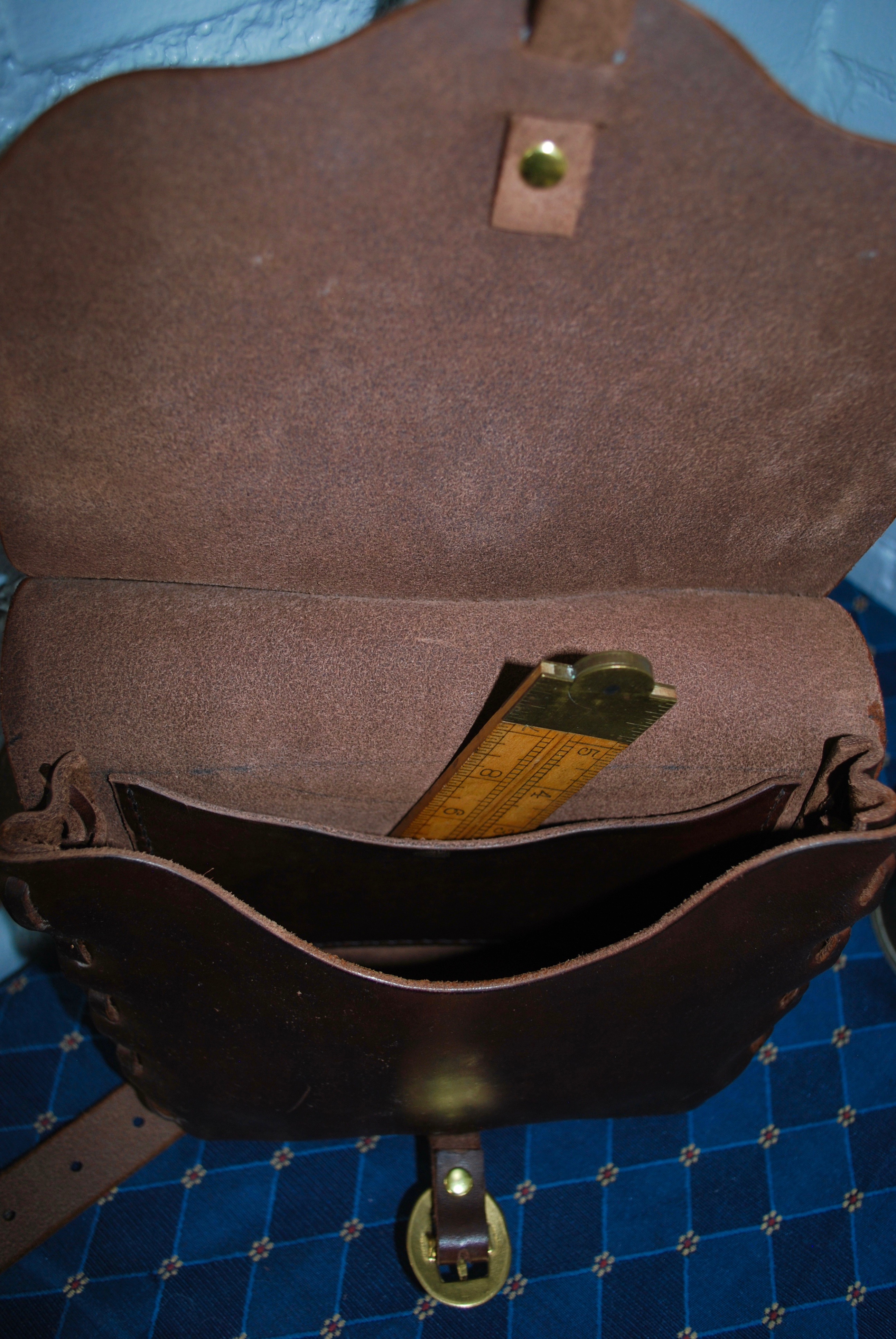
Interior pocket.
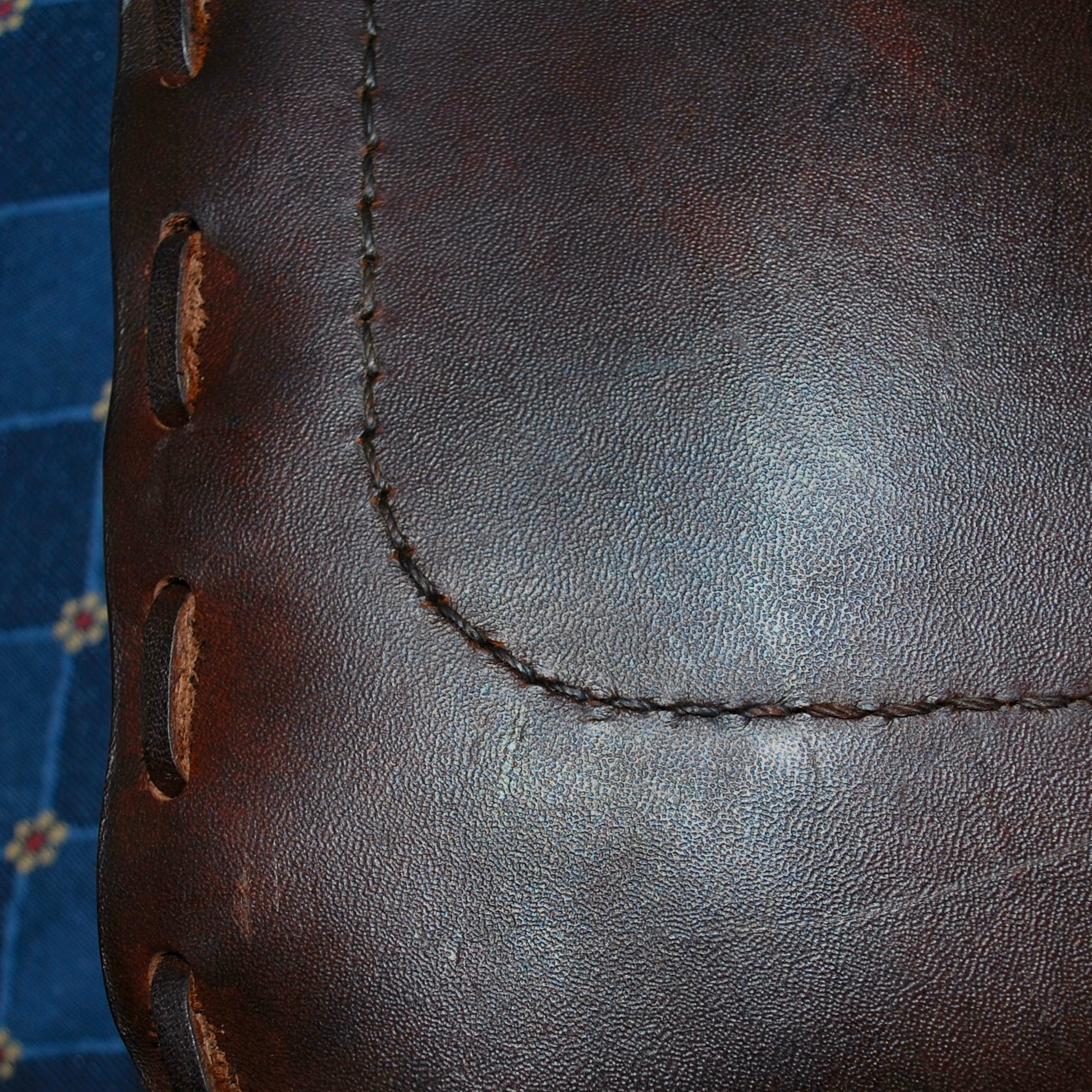
Pocket stitching.
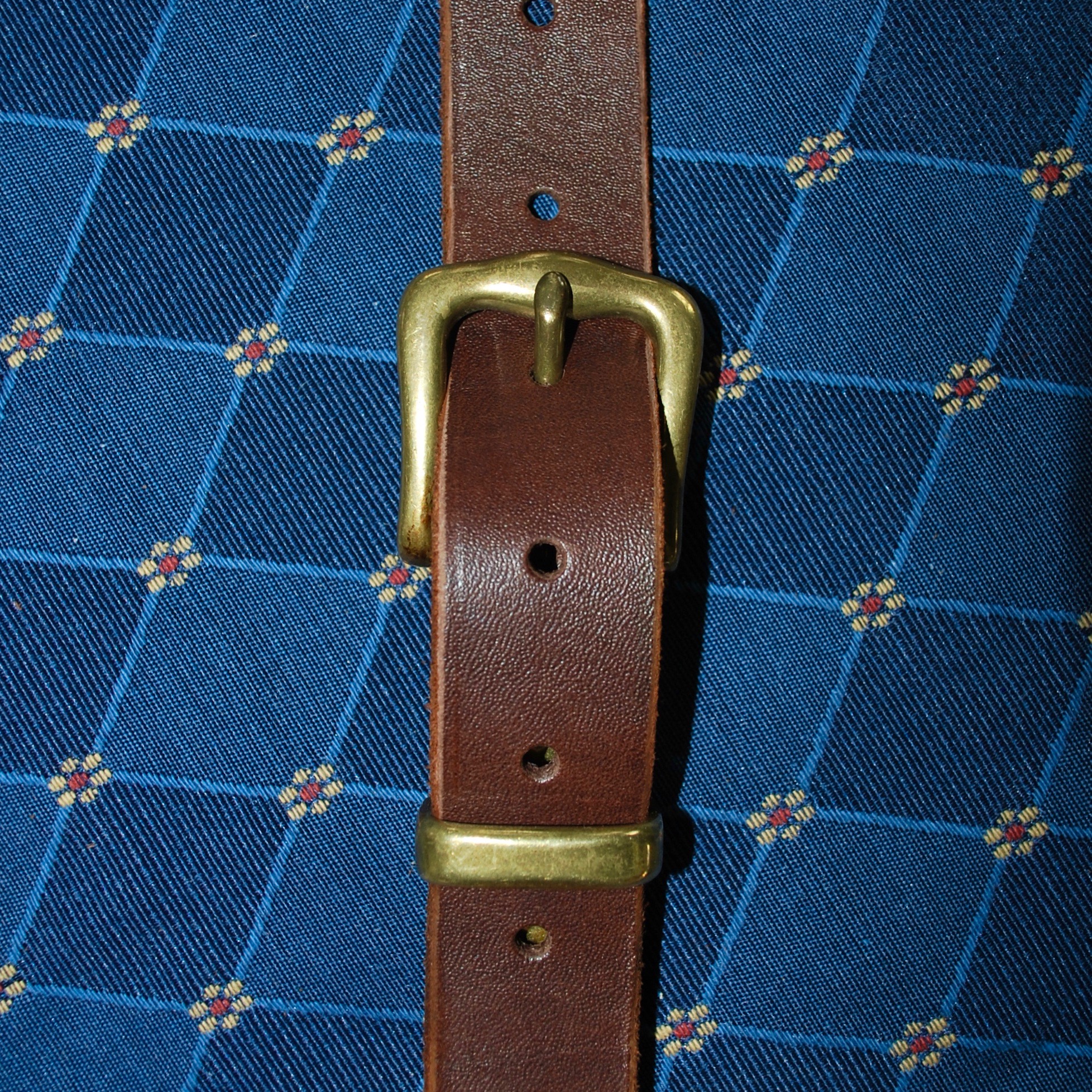
Vintage belt buckle and keeper from heavy solid brass. It’s good to comb thrift stores for unique findings.
It takes a lot of work to prototype a new bag design. To get just the right shape and proportion, find the right materials, and choose the appropriate construction technique is a big deal; especially if it’s going to be done well.
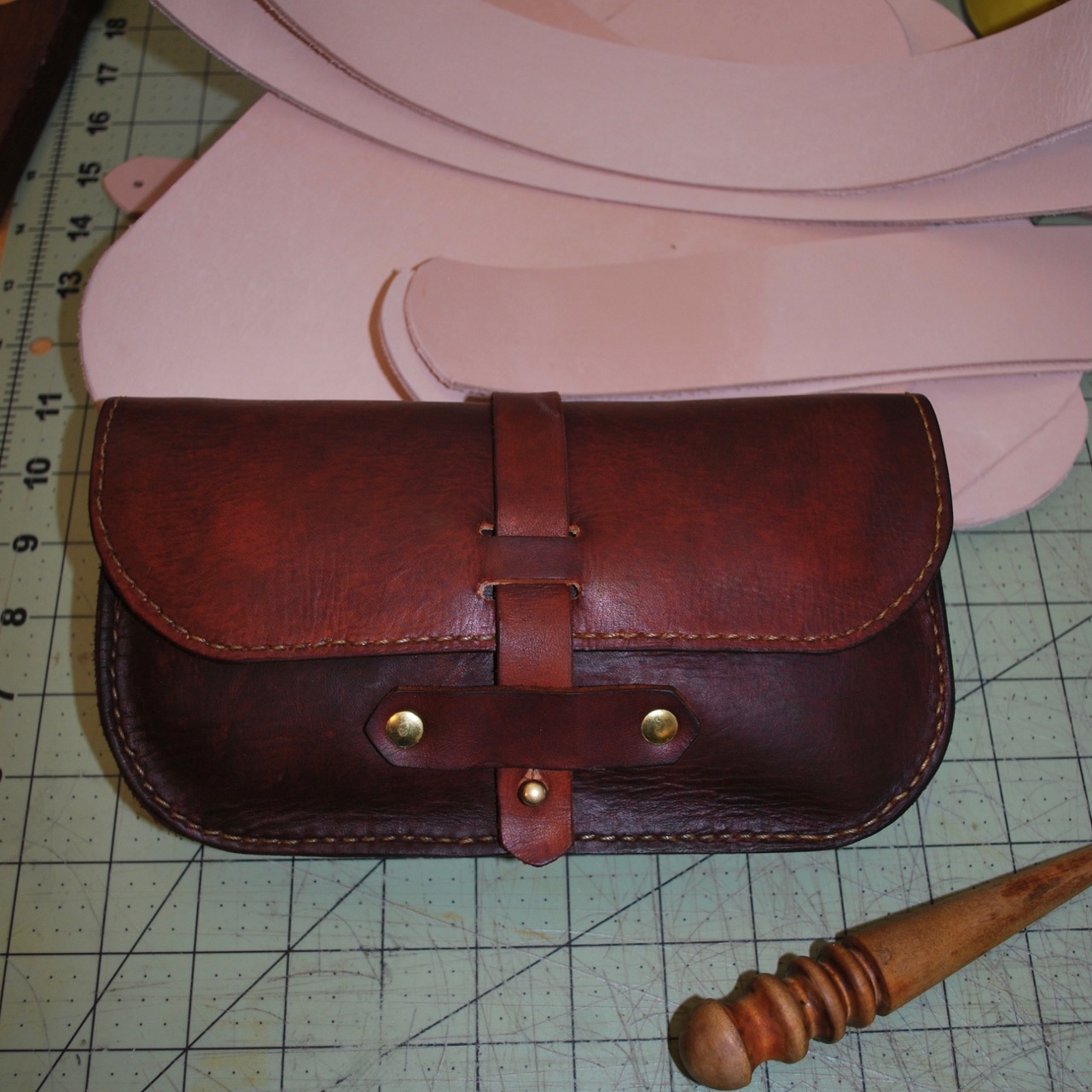
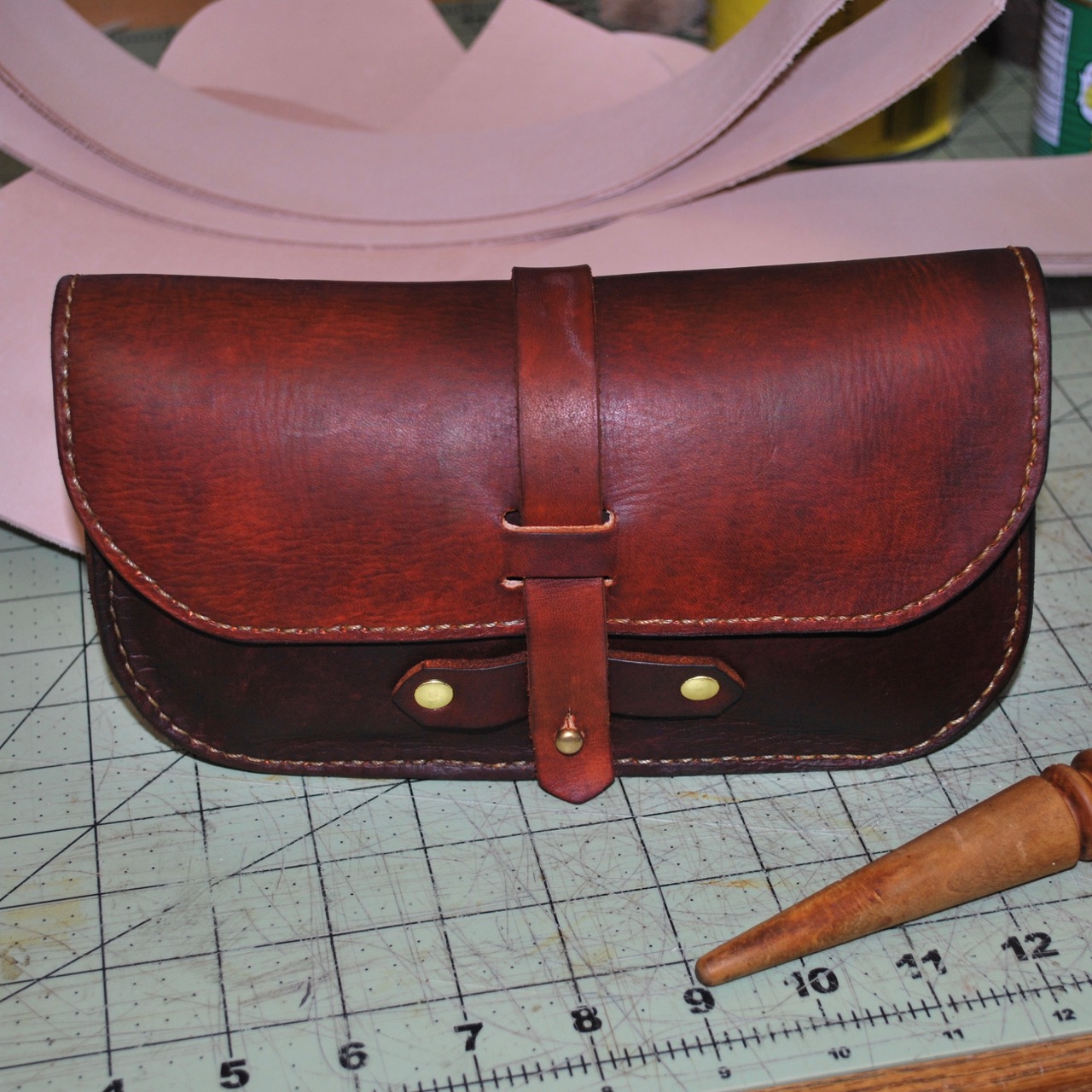
The completed prototype. I’m very happy with this design.
I wanted something that looked like it appeared out of the preindustrial world of the 18th century or before. As an archery person, I think I take my personal style from the “what would Robin Hood wear?” collection. But honestly, this one owes much of its design to the military belt pouches of the early musket days.
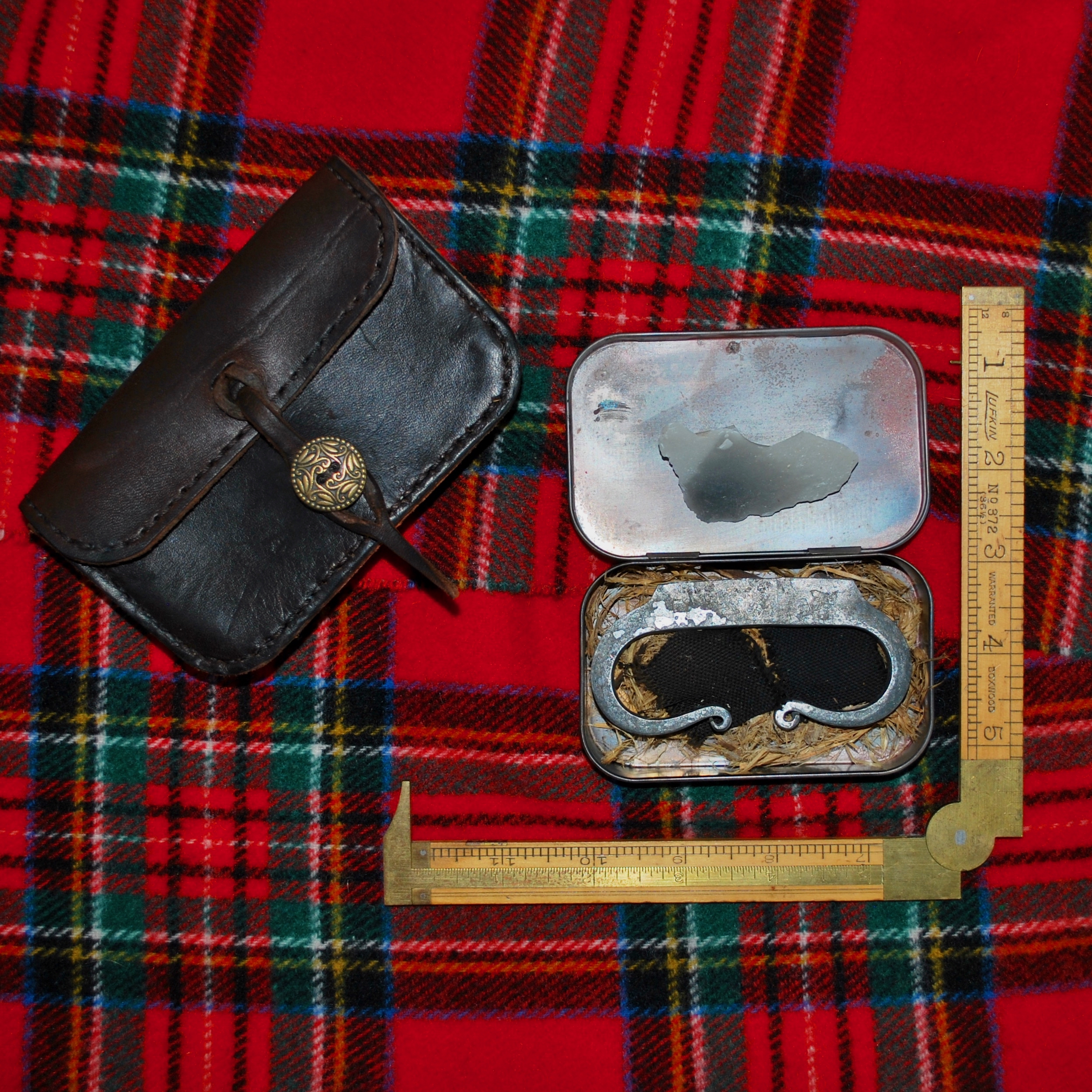
What do I plan to use it for you ask? I wanted something that would accommodate a few essentials including a fire kit, compass, notebook, spoon, whetstone and the like.
So if you follow along here you have seen several bags just like this one posted in the past year and so far, they have sold like hotcakes, as they say. It is a popular shape, size, and design so I think this will become a mainstay in my shop.
It is a very adaptable design as well and could be fitted with internal pockets, a wrist strap or d-rings and become a clutch purse or removable backpack pocket in its own right.
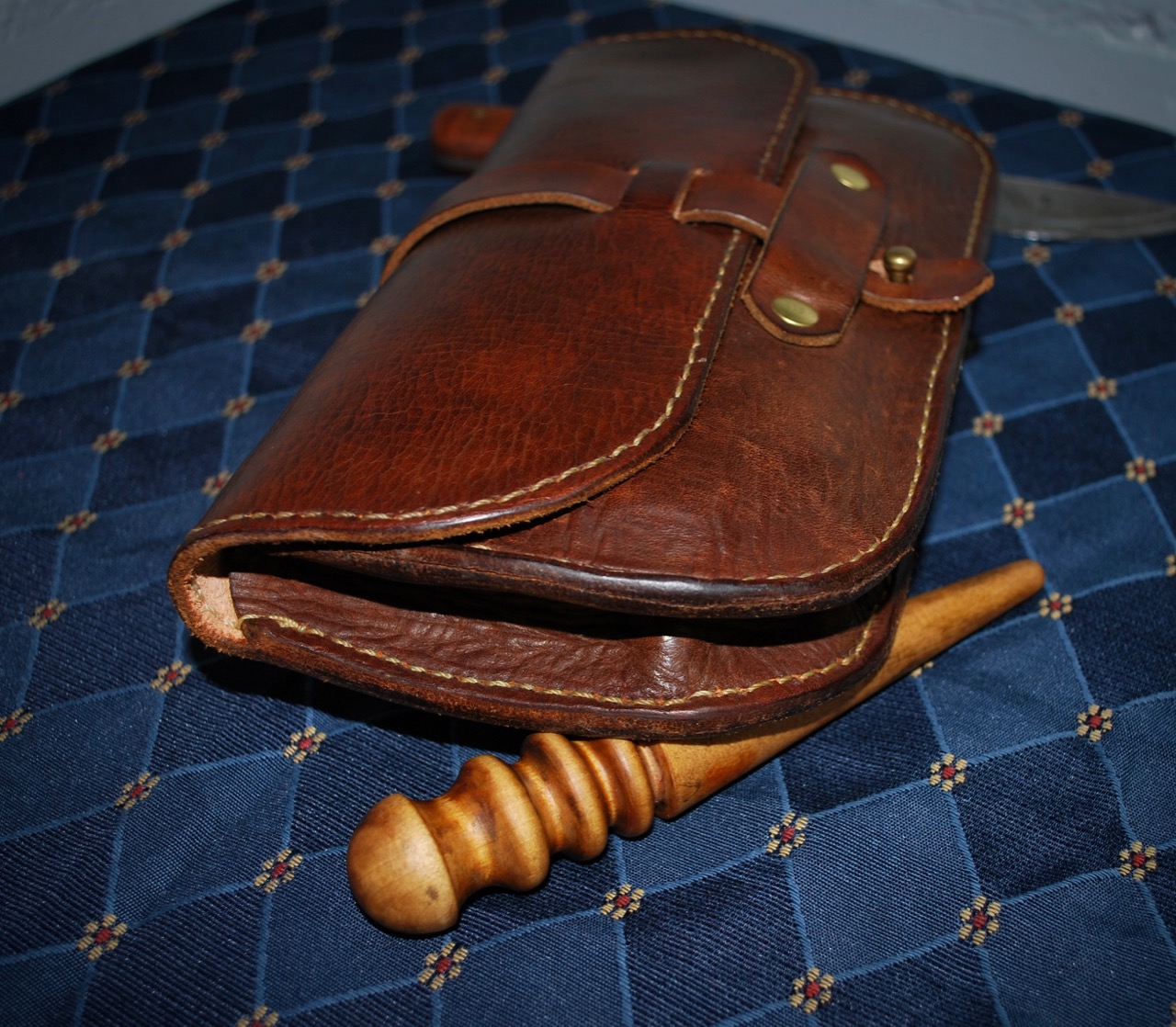
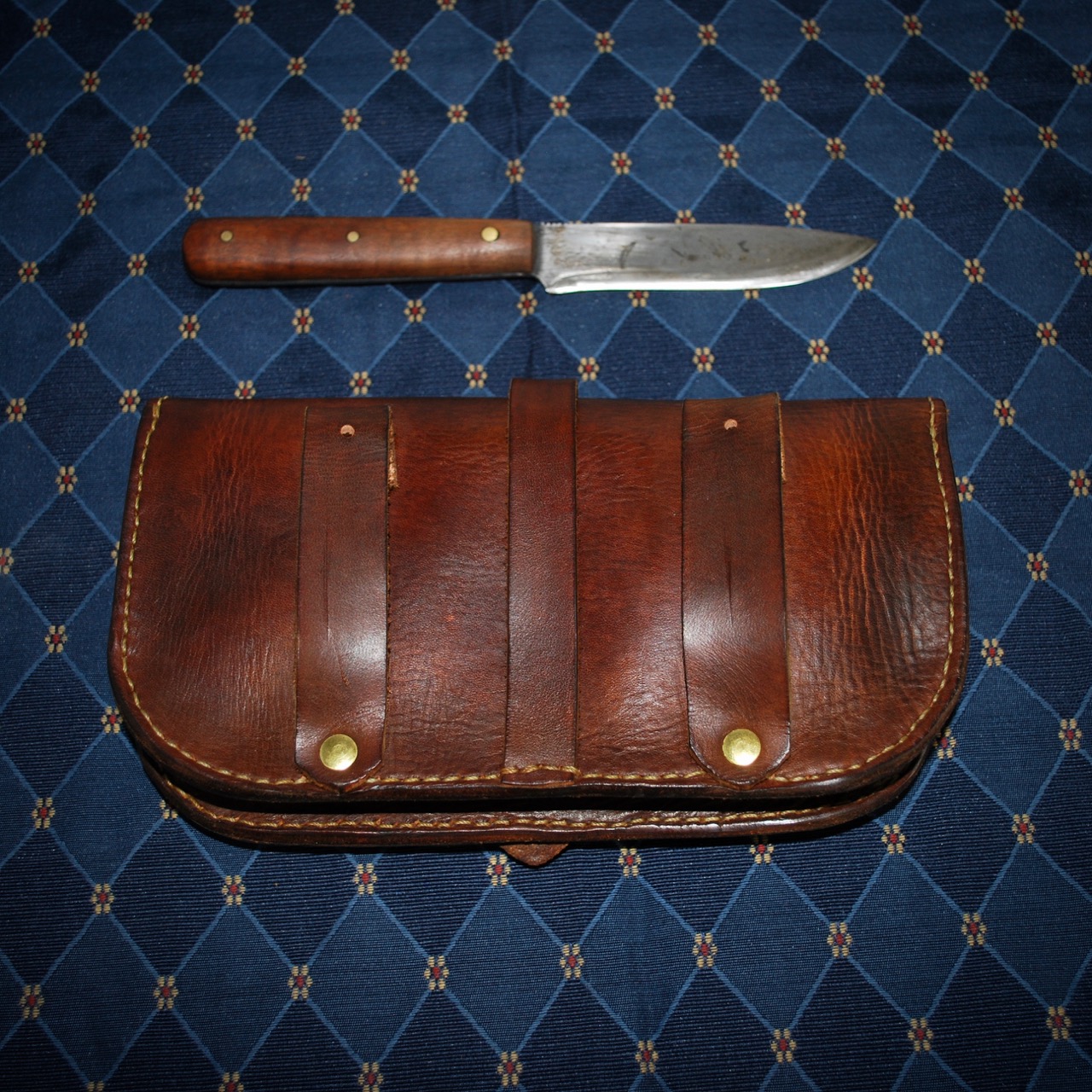
Sometimes it’s nice to have the security of a bag strapped closely to the body and not swinging around your neck and shoulders. This little 9 x 5 x 2 inch design has done quite well over the past year and has been a popular seller in the shop.
Made from 7 oz. veg-tanned leather it will last through a lifetime of hard use.Solid brass hardware will never rust and patinate beautifully over time.If you like this kind of work, please consider clicking the “like ” button and follow my shop on Etsy.I worked to give this pouch a distressed look for a little extra character right out of the box.Double needle saddle stitching will provide security and strength for many years.
This will be the last one for a while as I have other projects in the hopper.
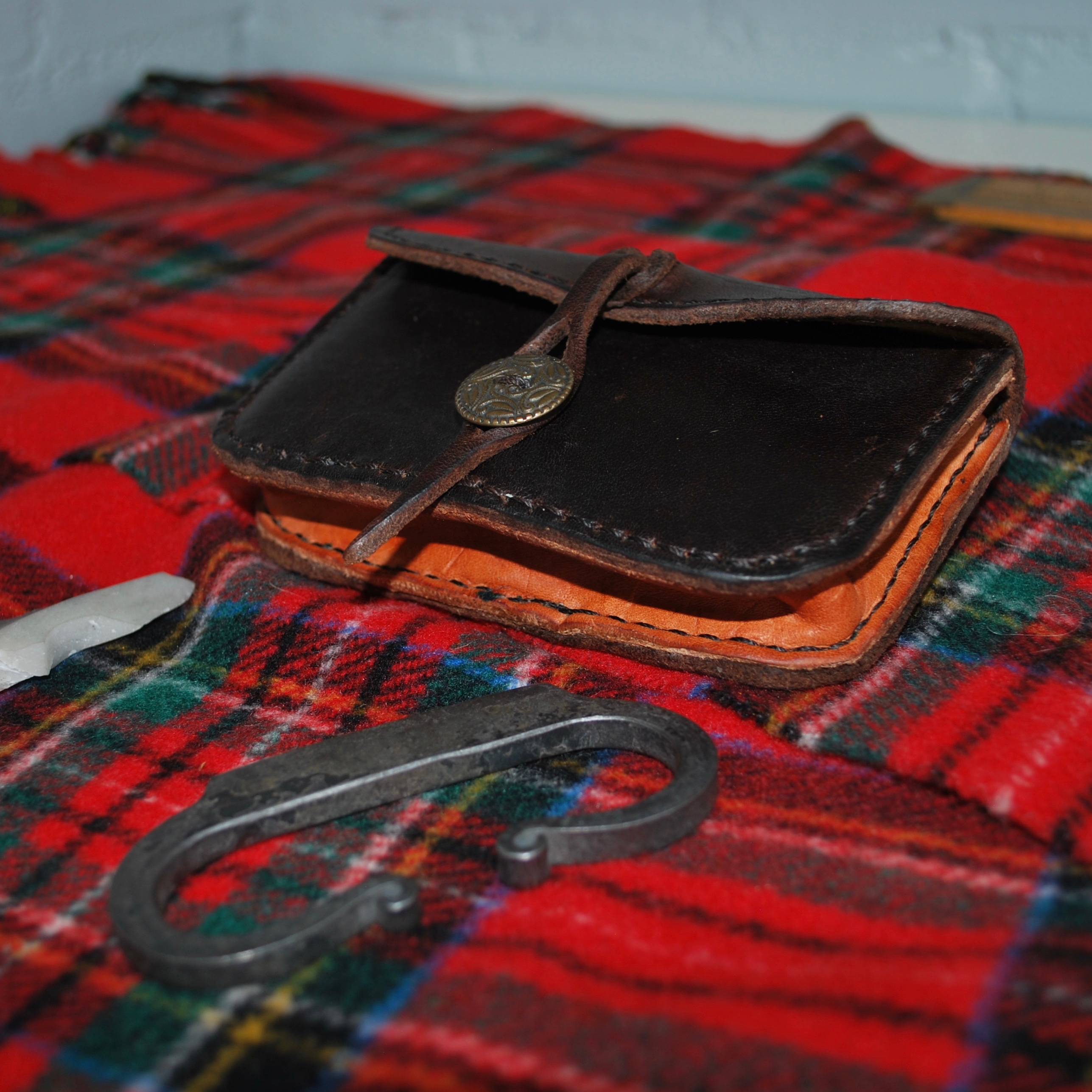
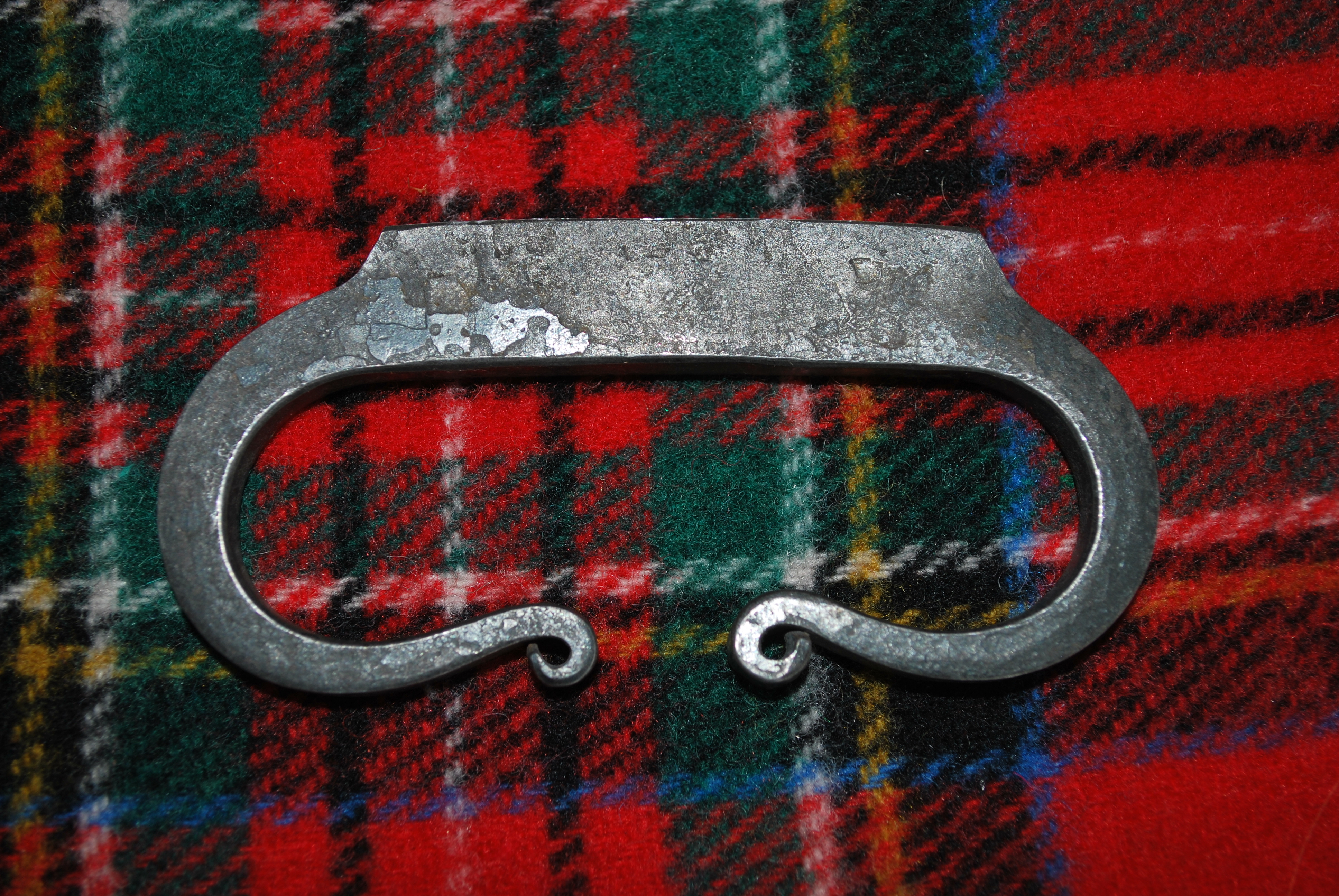
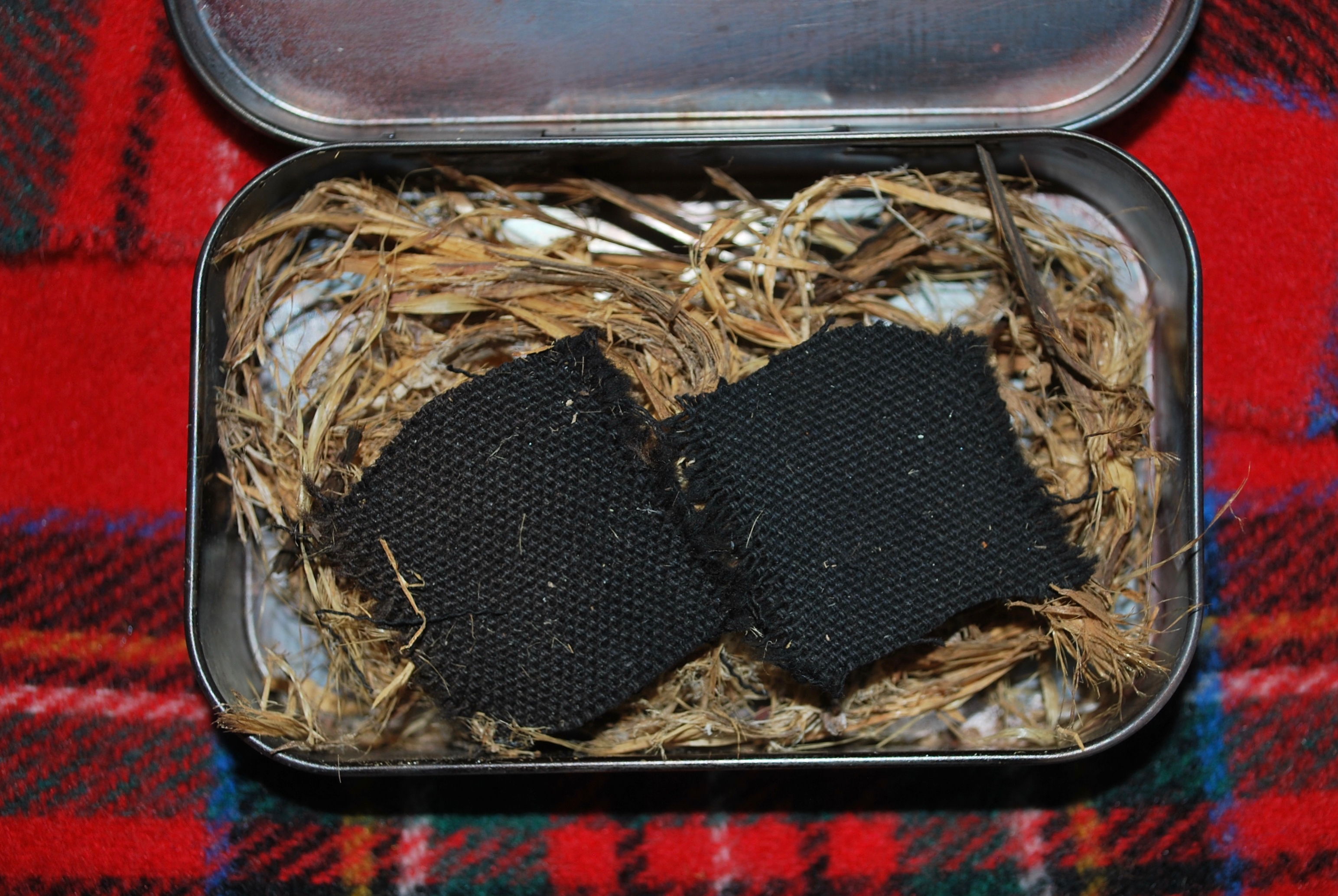
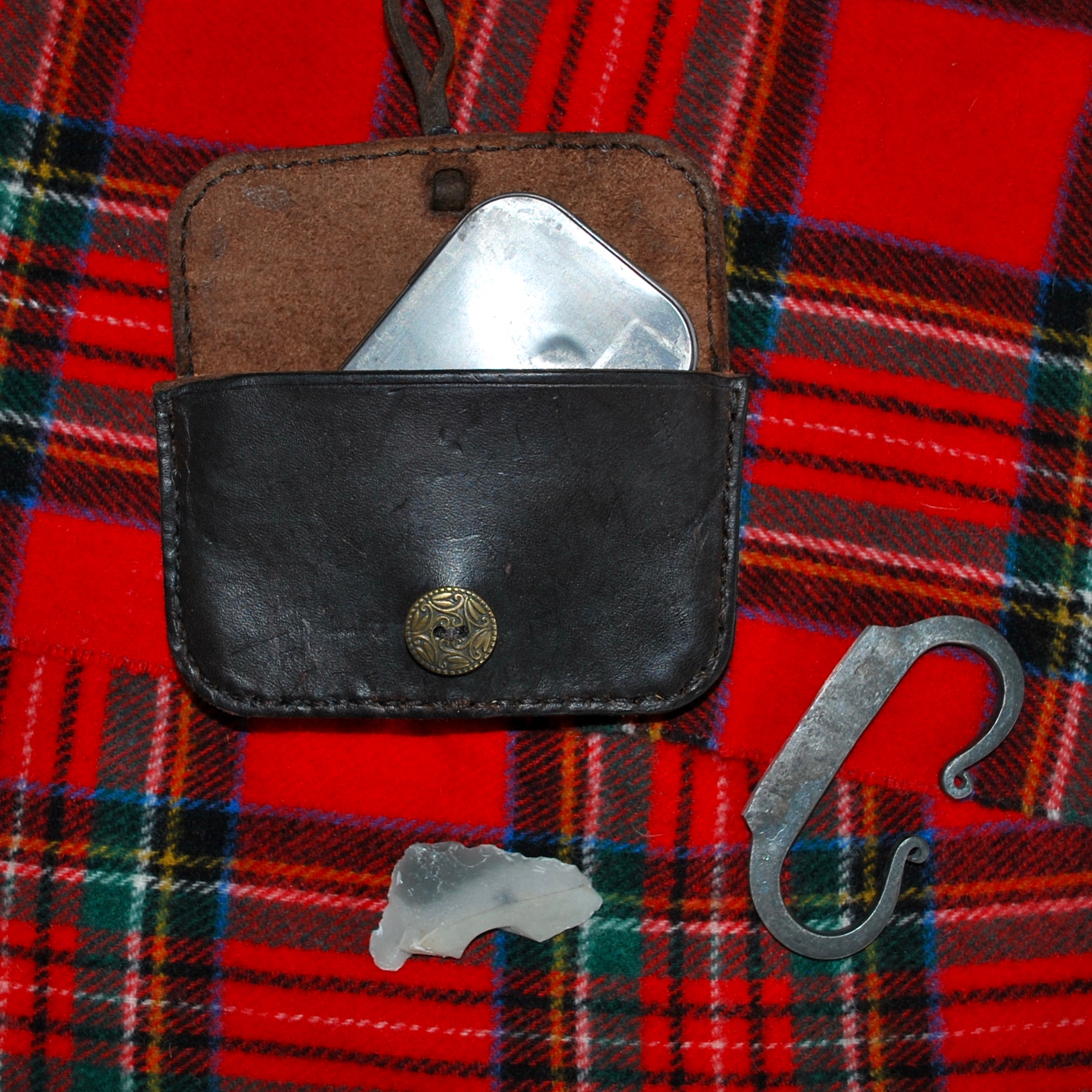
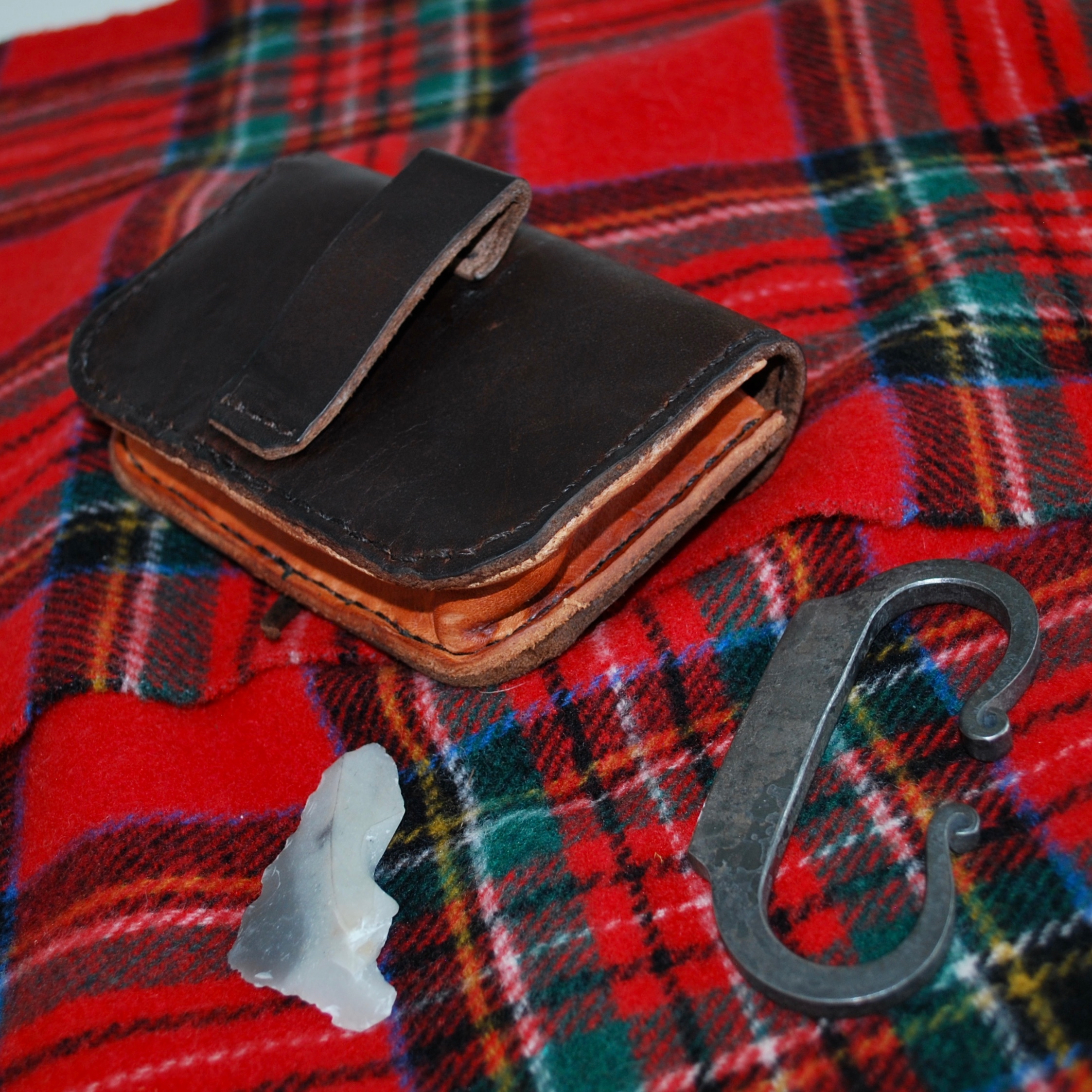
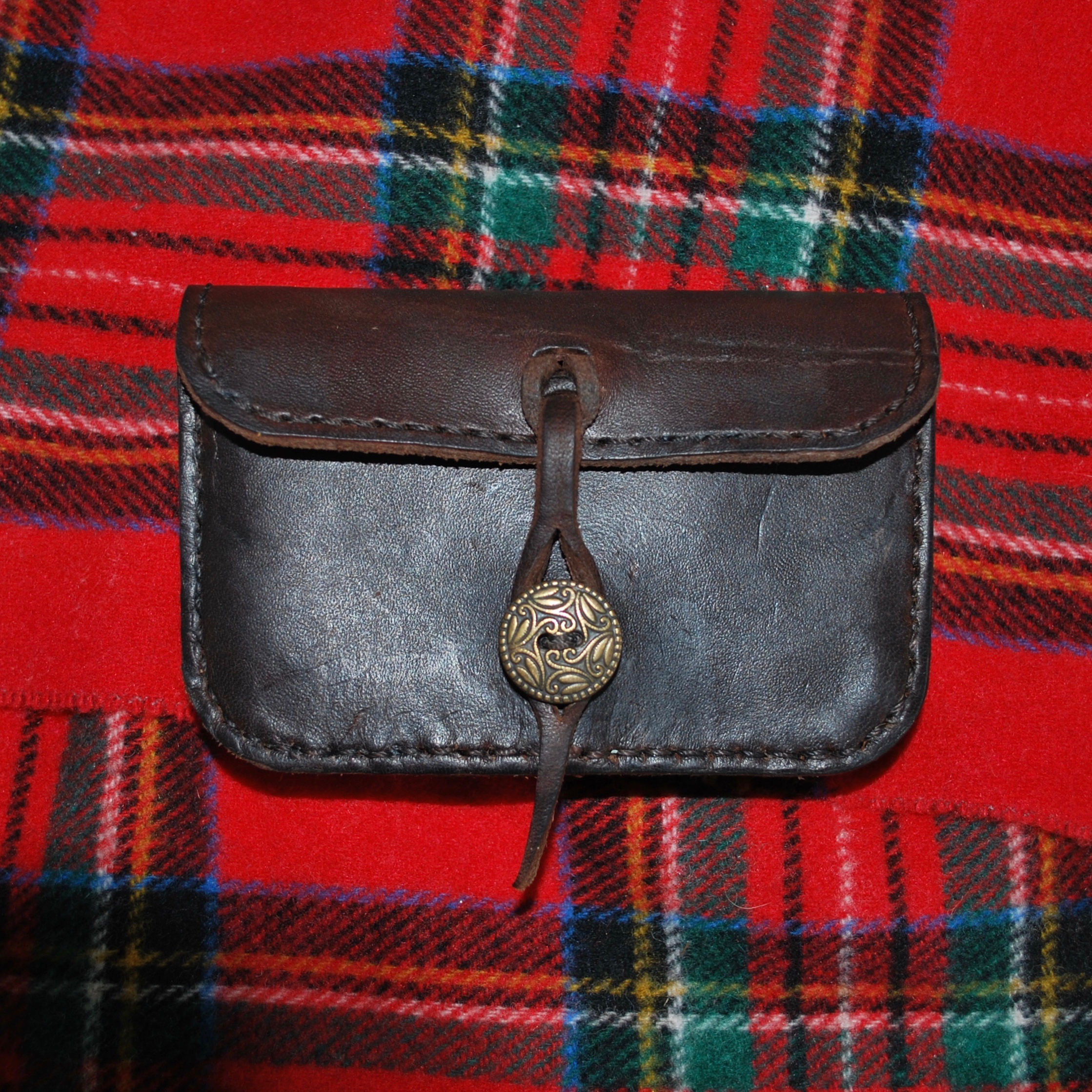
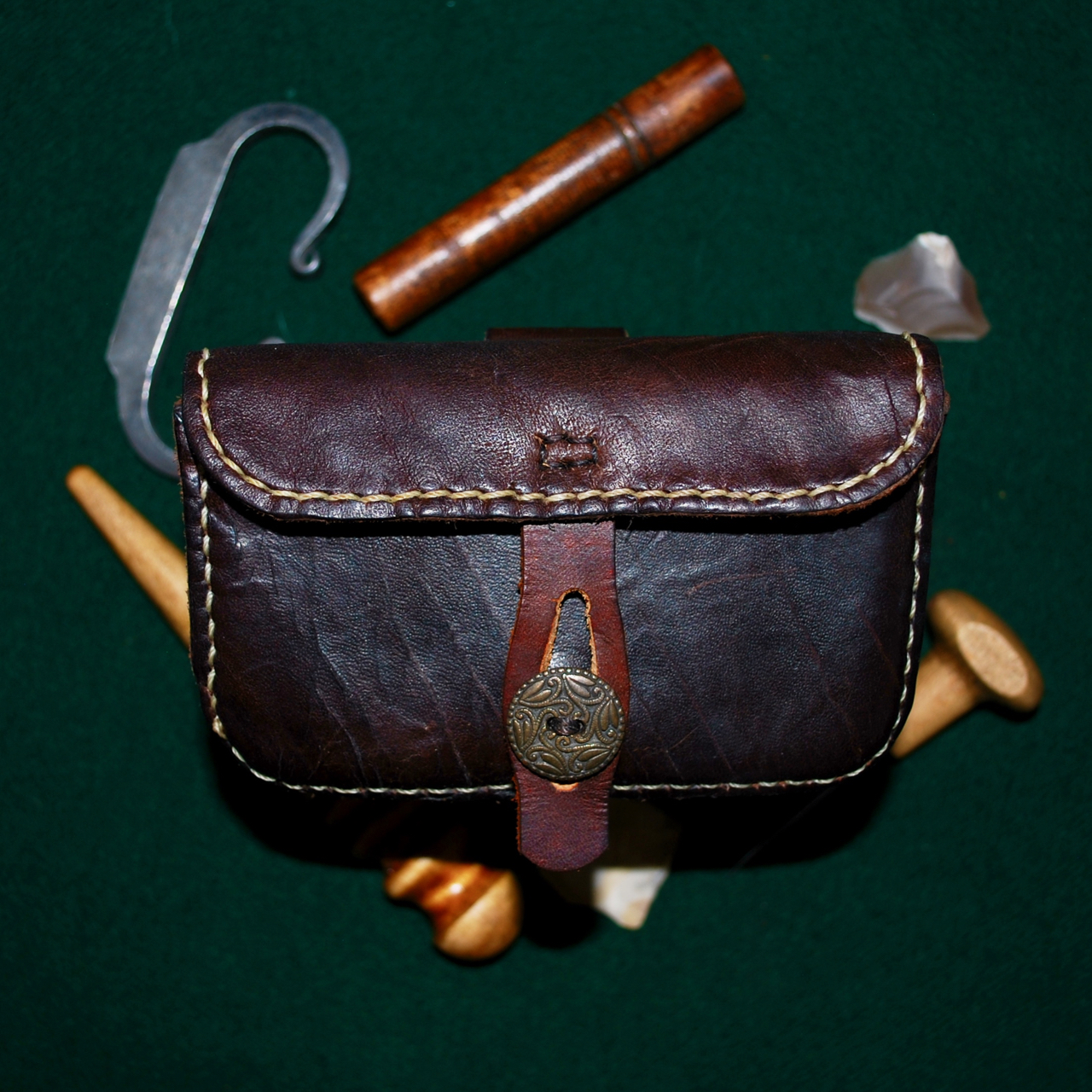
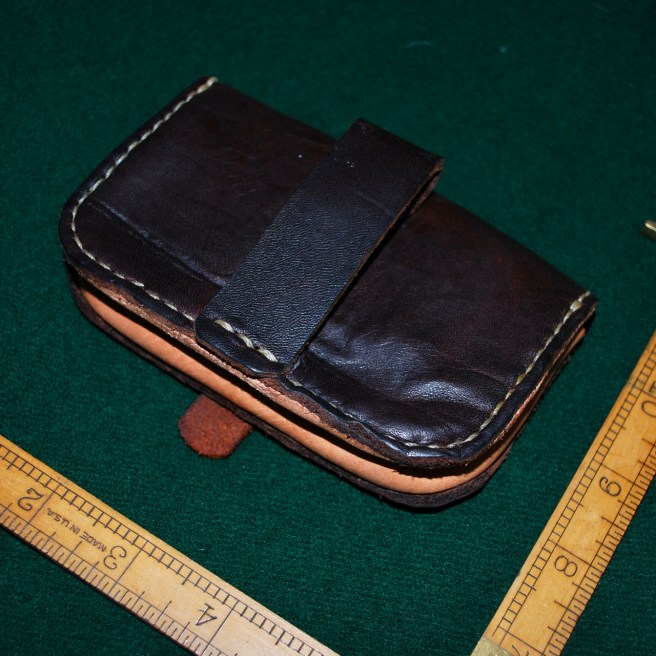
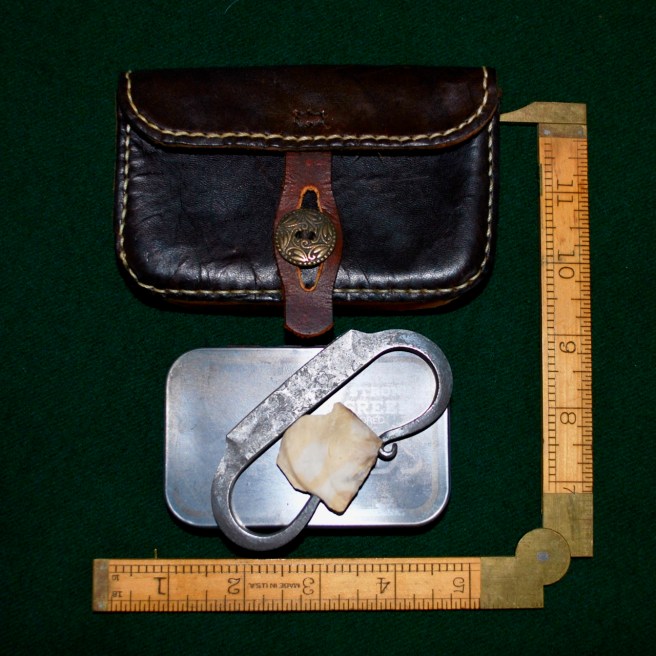
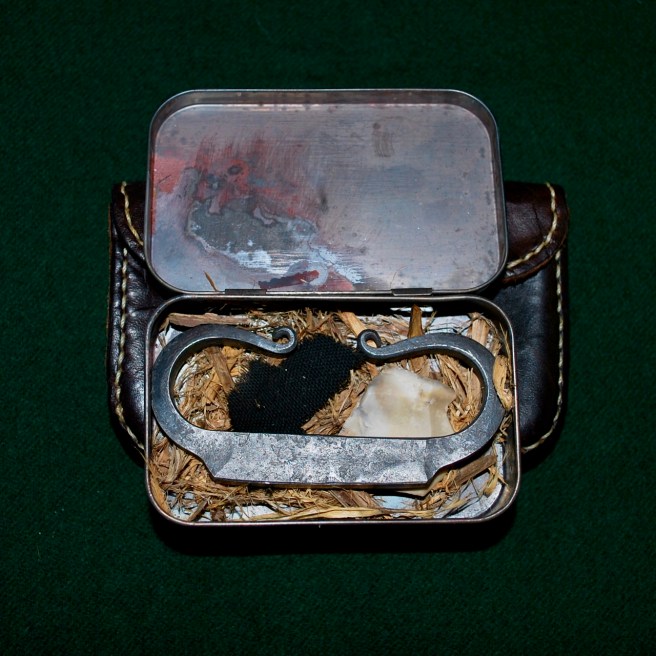
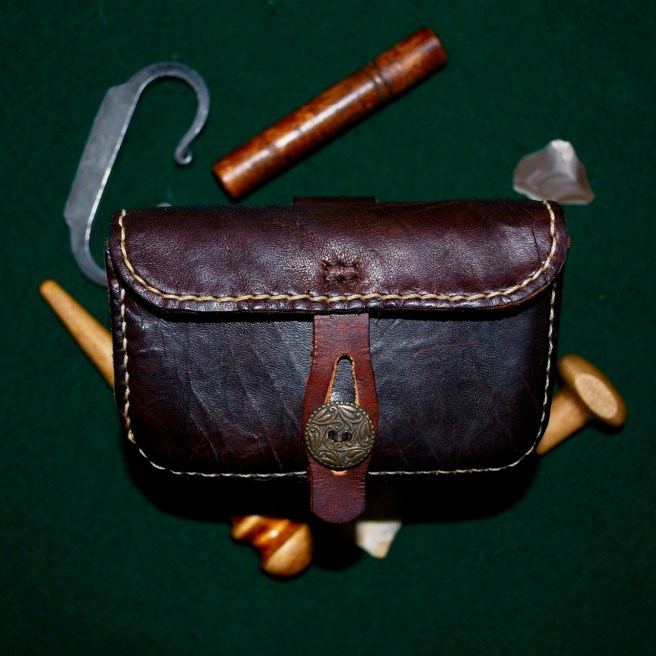
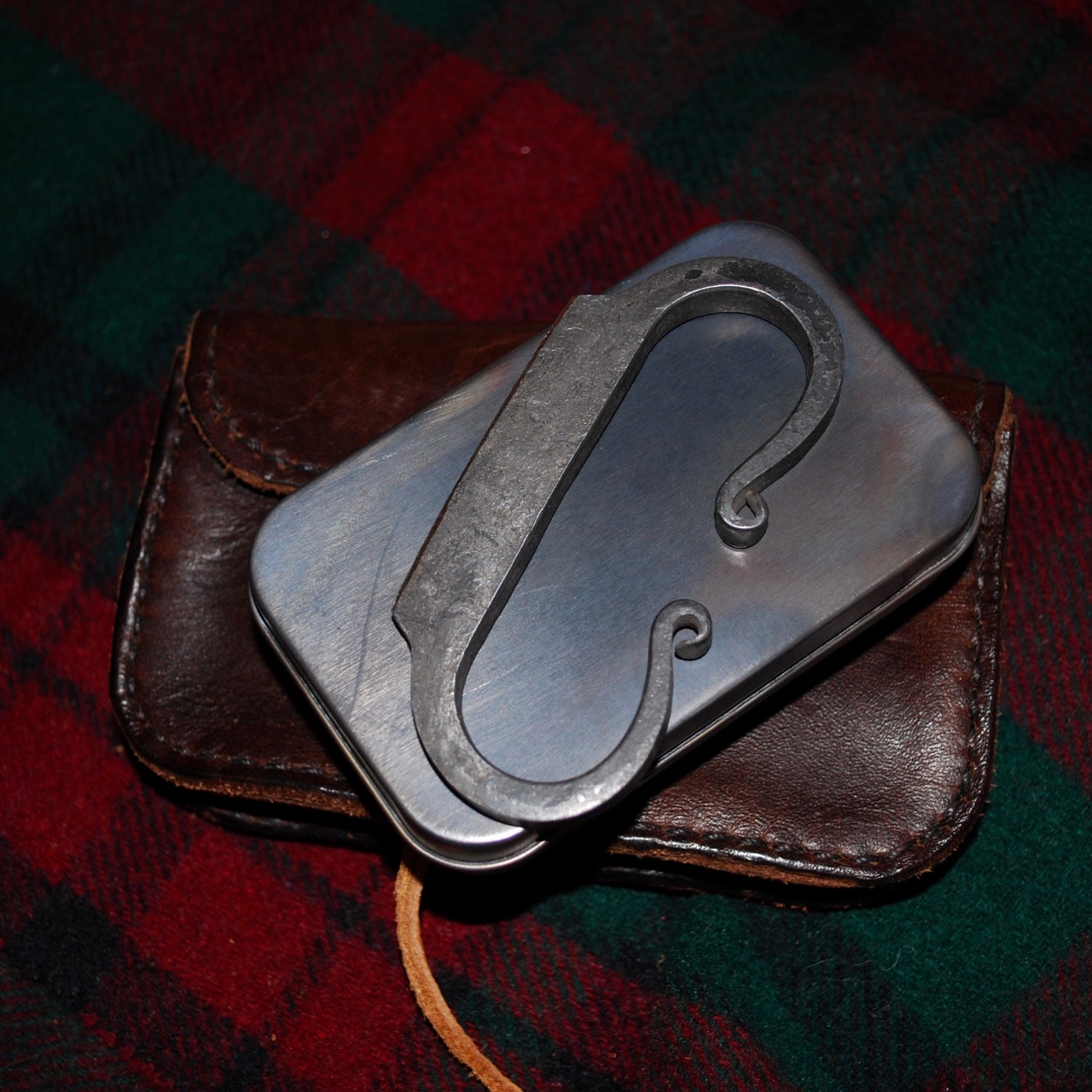
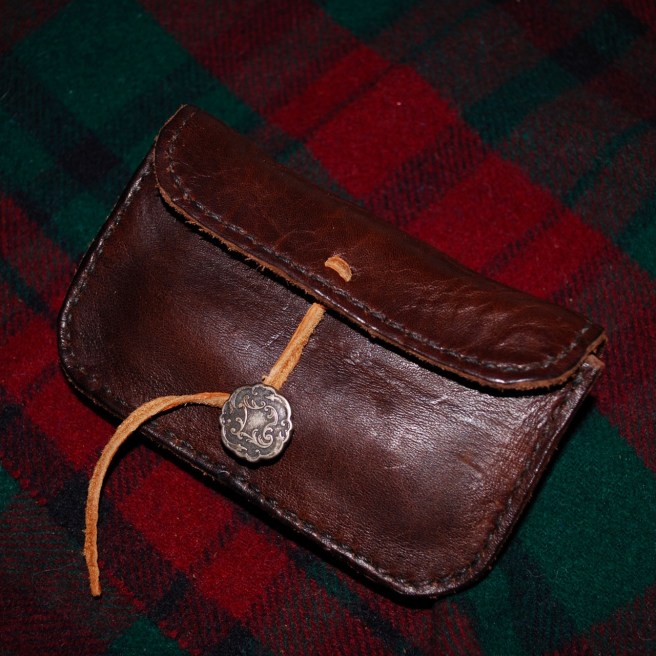
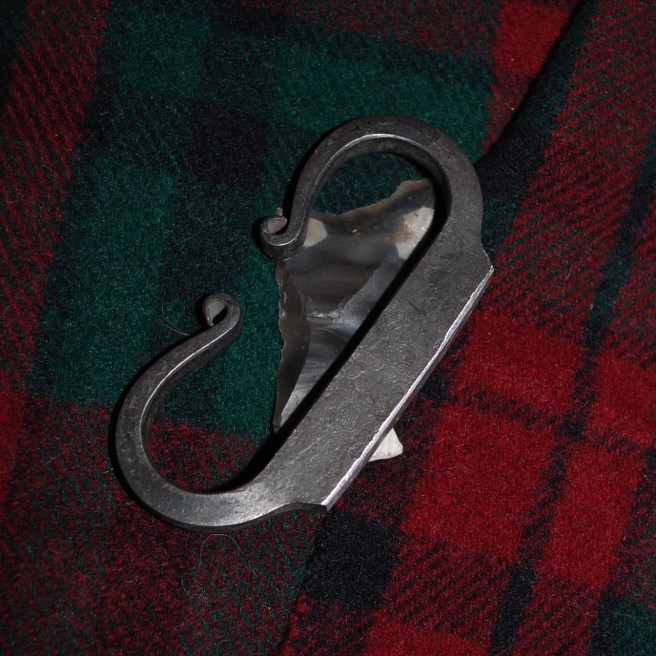
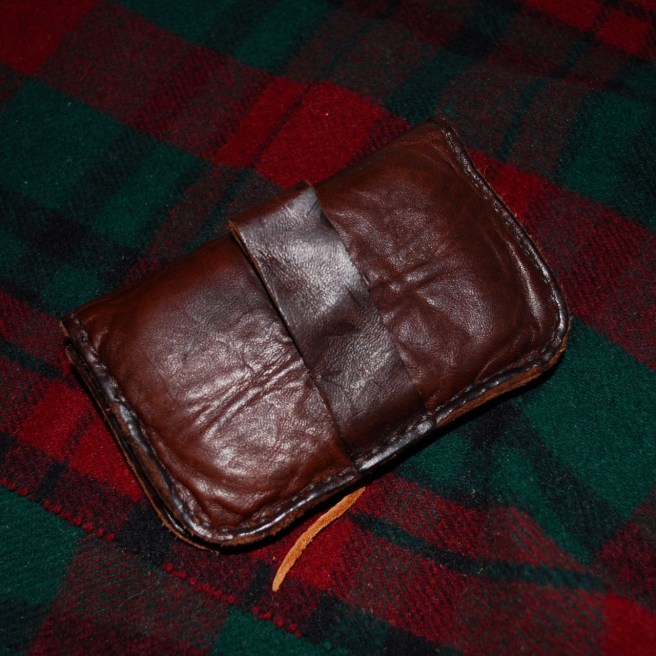
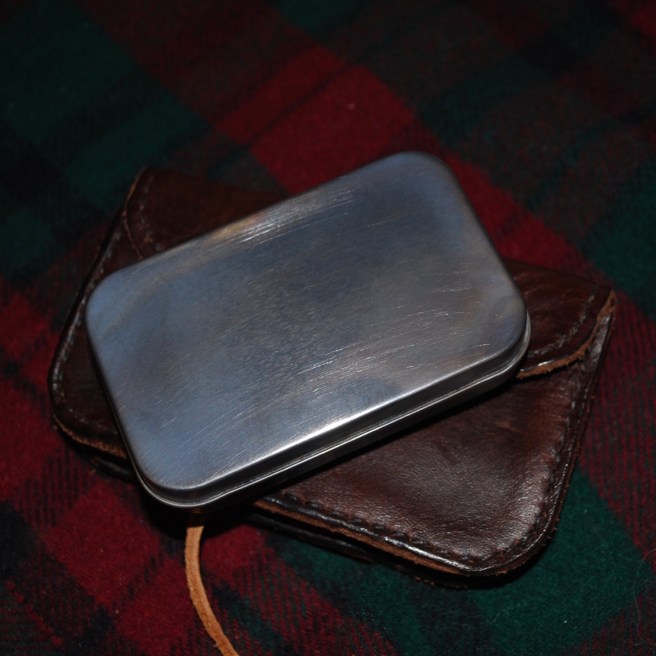
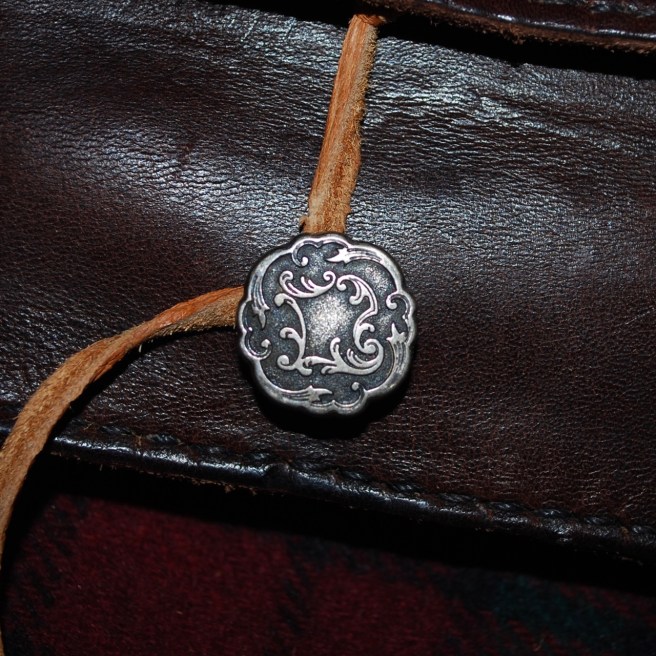
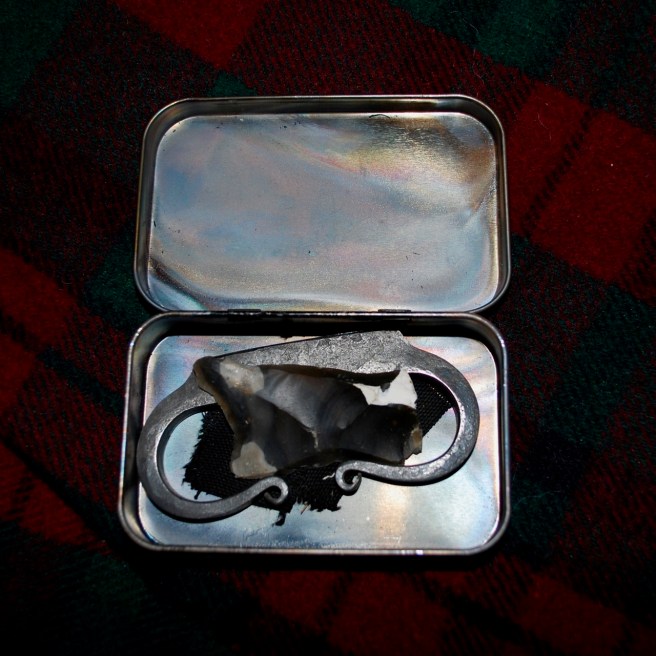
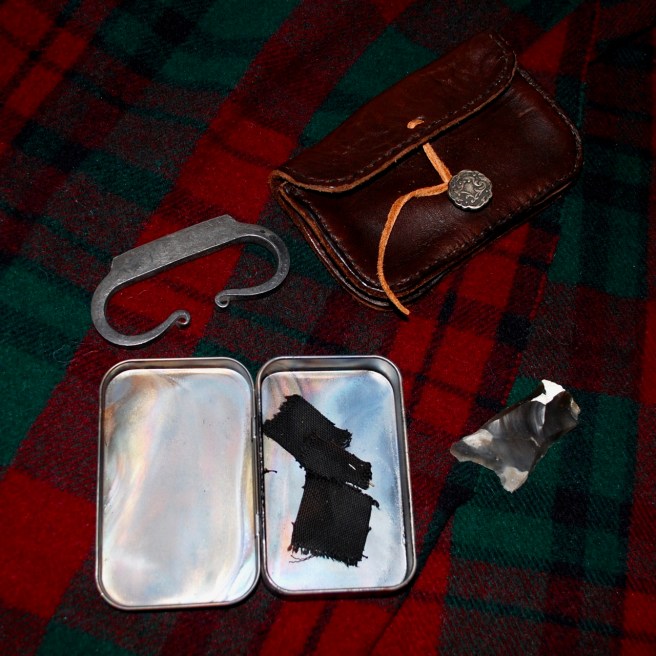
Two-toned 7 oz. leather.The complete kit will get you started and, if frugal, can start several fires.The strikers are custom made by my friend Eric at Colonial Iron.A bundle of juniper bark and ample charred cloth will spark up readily.Everything packs neatly in the purpose built bag. However, the belt pouch is great on its own if the kit is kept in the rucksack.If you are an outdoors person or just interested in history, it can be very rewarding to carry and use a traditional flint and steel fire kit like our ancestors have done for millennia.The loop accommodates a belt up to about 2 1/2 inches.Double needle saddle stitching, full grain veg tanned leather, and a vintage button should all age beautifully and last a lifetime.
This is available at our online shop Lost World Crafts where you can find a more detailed description of the kit.
Please check out the shop and consider following us as things are constantly being added and sold.
I like to add a little character and variety, even if I’m just making the same thing again and again. I want to believe that this is what my ancestors would have done, toiling away in the craft to make a living. It keeps things interesting and more human than the soulless, mass-produced consumables.
Here’s the most recent fire-kit with another beautiful vintage button. This will be sold through the Etsy shop at LostWorldCrafts: https://www.etsy.com/shop/LostWorldCraftsMade from 7 oz. Hermann Oak leather drum-dyed for the brown part and natural for gusset.
Thanks for looking. If you are interested, these generally don’t last a day on Etsy so check it out soon if you want one. Please follow the shop if you would like to keep up with the latest offerings.
These Flint and Steel Fire Kits are hard to keep in stock. Since I don’t mass-produce things, I’m pretty slow at filling the shop. We did well enough last year that I still haven’t caught up but hope to in the coming weeks and months. Please check out the shop and consider making it a Favorite to keep up on the new listings.
Once again, I am producing some large, traveler’s wallets. While some are waiting their finishing touches, here’s the first of six. They are all of the same general size and design but each has some variation in shape and closure type.
A simple wrap closure. This can accommodate a bulging wallet.
I think my dying is improving. Having read more on the subject, I’ve been able to create a nice overall finish. The dye is applied in many diluted layers and hand rubbed to force it into the leather.
The right size for many applications.
The leather is from a 6 – 7 ounce vegetable tanned cowhide that was a real beauty. The side was just shy of 30 square feet. To start working the nine foot long hide, I had to move my operation into the kitchen and onto the floor for initial cuts. Maybe someday I’ll have a shop table big enough to accommodate something this size again.
The interior divider provides four pockets. Big enough to hold a load of cash, passport, and the separated slots are sized for standard identification or credit cards.
This wallet is perfect for keeping everything in one place for log term travel or to be used as a small clutch purse.
Edges are burnished to give a finished look and the body has been waxed with all-natural dubbin.
The thread is heavyweight bookbinder’s linen in dark gray (nearly black) so is absolutely period correct for the reenactors out there.
If you are interested in this or some of our other work, check out our Etsy shop, look at the previous sales, and read the reviews.
Another possibles bag completed and out the door. This one was designed, at the request of a customer, to fit a specific case that would fit inside. This is clearly my favorite “go to” design and will make an excellent bushcrafter’s kit.
This one is about 3 1/2″ deep and a little over 12″ by 9″ inside the body. Front and back are 7 oz. leather and the gusset is about 5 oz. to give some flexibility.
All the hardware and rivets are solid brass for all weather use and this one features a flat pocket inside and out to organize small items.
The gussets are cinched to keep the top contracted but can be opened if necessary.
The security strap is left open so that objects can be tucked under if desired.
Obviously, I like this design and all its variations and I hope the new owner can put it to good use for many years.
Here is an update on the most recent possibles bag I have been working on:
The buffed leather reflects a lot more than I realized while photographing.
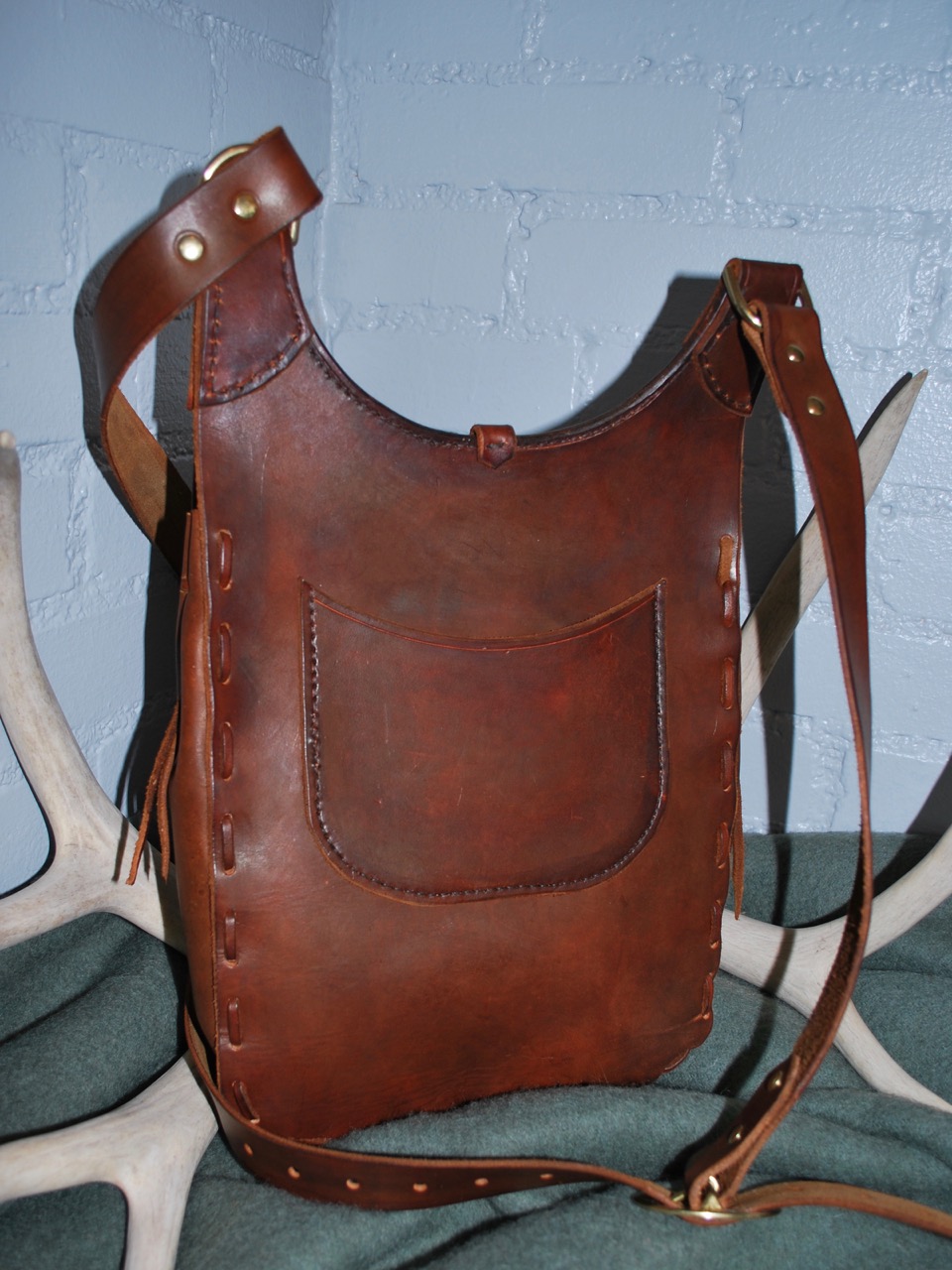
Sorry the photos aren’t so great but here is the description: Made from 7 oz (~3 mm) Hermann-Oak full-grain harness leather top dyed and antiqued Fiebings medium brown with a single patch pocket inside. It still needs a little edge detailing, waxing and buffing before it is truly done but that will happen later today.
The interior is natural but will darken with use and waxing.
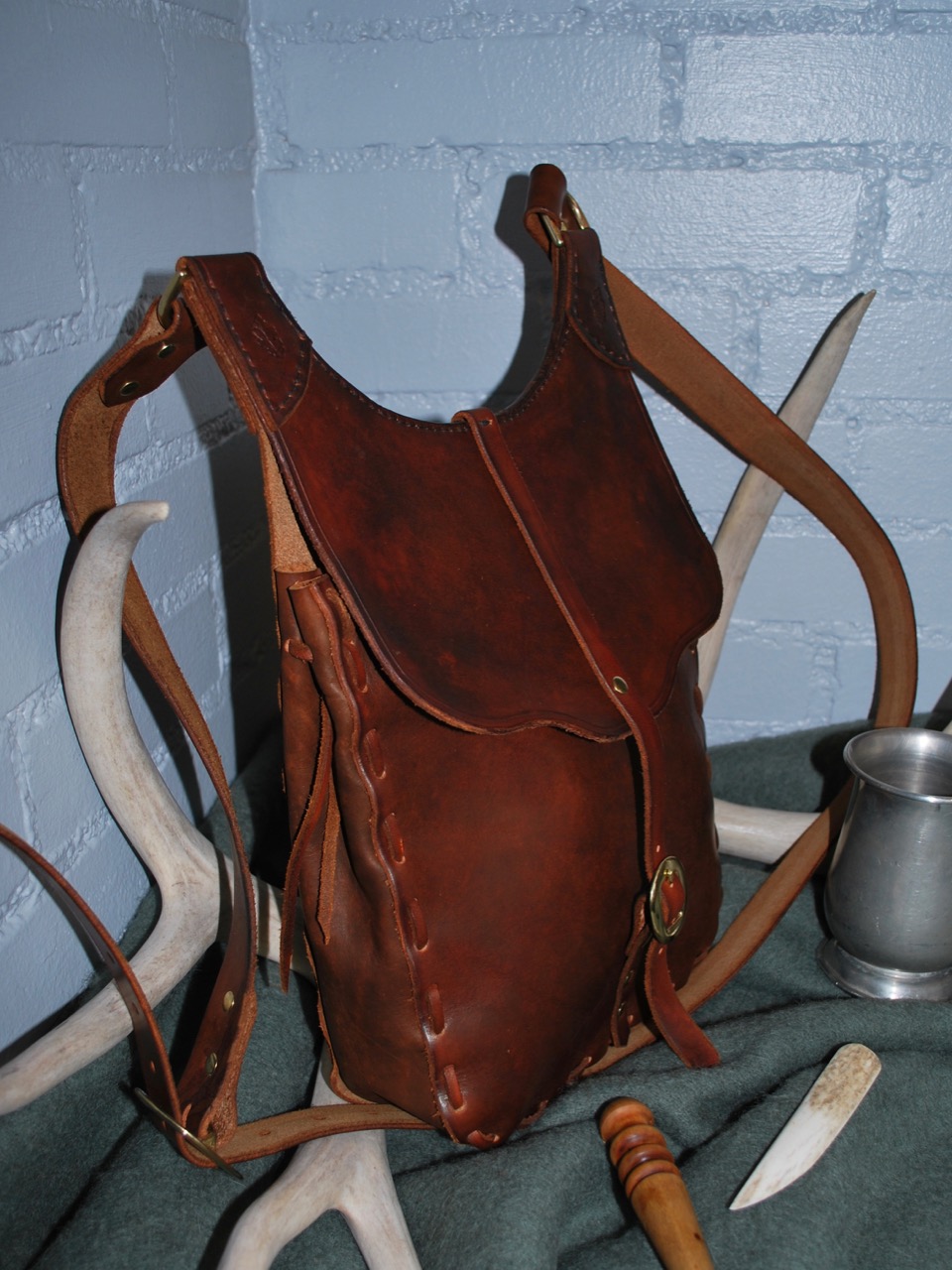
Rustic, laced construction, unlined, 18th century “English-style” bag. The main pocket is 8 x 8 inches (1.5 litre in volume), while the overall body length is about 12 inches.
The edges are all burnished for a smooth and comfortable feel in hand. The thick oak-tanned will soften with time and use.
The eared shape is to keep the bag from riding around to the front or back of the torso during use. This leather will age nicely and will last longer than any of us with normal rugged use.
All sewing is double needle free-hand saddle stitch.
1 1/4″-wide strap extends to about 56″ to fit the most well-padded or heavily coated hunter. Going out for trade in the next couple days.








 Preindustrial Craftsmanship