Arguably the pinnacle of white gas stove design. My little Svea 123. It is essentially a brass fuel tank and a burner; a Molotov Cocktail with a valve. And it comes in one of my favorite colors, shiny brass. During a recent extended power outage, I used this guy on my electric stove top for making up the coffee. Collectors will probably cringe at this but I ditched the little aluminum cup years ago as I don’t cook in aluminum.
If you’re interested in the early history of the liquid fuel camping stove, have a look at an older write-up HERE.
Thank you Paul Sellers for stating an obvious but nearly lost truth. There are far too many needless and complicated gizmos, devices, and “new technologies” for a 2,500 year old task. Clever marketers have figured out that we can blame our laziness and impatience on our tools and not ourselves.
Maybe I am speaking out of turn as my tools are always for from perfect.
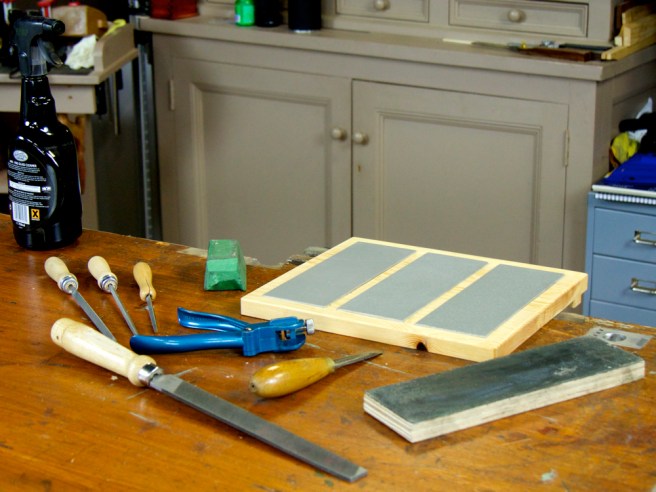
Catalogs are full of overpriced specialty devices designed to do the seemingly impossible; polish a sharp edge onto a piece of steel. I realize now that I was very fortunate. I learned to use a file and whetstone as a very young child. I even learned about setting saw teeth and how to use the hard straight razor stone. Before there were special stones to resurface a stone, we simpletons used a hard, sandy, and flat concrete surface before graduating on to sandpaper stuck to a sheet of glass.
Some of the best sharpeners I know still do virtually everything with Arkansas whetstones and some very-fine emery paper. One thing to remember though; you have to actually do it. If you don’t regularly keep things sharp, it only becomes more of a chore and takes more time. I think the old idea of spending a few minutes before you begin work of sharpening and stropping is a wise idea.
If you use tools, consider a real pair of Arkansas whetstones. Here’s a couple of sources to try:
In the mean time, head over to Paul Sellers’ excellent as usual blog for his take on sharpening as well. Notice his very simple set-up.
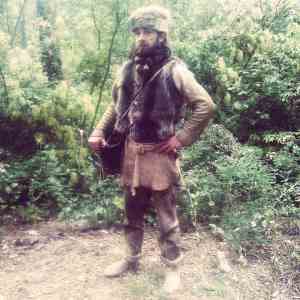
He has a decent re-wilding/survival rant blog that leaves you wanting more. How can you not like a guy with a road-kill squirrel puppet? He doesn’t post much but what he does is well-done.
While you’re out that way, have a look at to get in on the conversation:
“I came to a point where I needed solitude and just stop the machine of thinking and enjoying what they call living, I just wanted to lie in the grass and look at the clouds.”
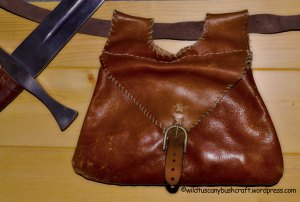
Here is a great little instruction set on how to make a European Medieval-style belt bag. You see these in paintings and illustrations on just about every traveler. Not only will you come out with a nice bag but it is a fine and simple introduction into leather working and sewing. All makers need to start somewhere and this might be the right project.
During the Middle Age was common carrying small items like coins, keys, inside pouches or purses attached to the belt.
There are many archaeological and iconographical documents, you can search for your favorite patterns, but there is a model that in my opinion, is one of the best for a bushcrafter.
“I don’t think there has been a better time to for someone to start wood working in over a hundred years. At least for hand tool woodworking.”
Great information. Subscribe to Mike Siemsen’s YouTube channel or buy his video to learn even more. Original blog post from Greg Merritt – By My Own Hands, another worthwhile woodworking blog.
I don’t think there has been a better time to for someone to start wood working in over a hundred years. At least for hand tool woodworking. Quality tools are once again being manufactured and the internet gives us unprecedented access to used tools. There are numerous blogs on the internet with a wealth of information. Not so much this one, but the good ones. 🙂 Videos abound for just about any type of project you can think of and more are uploaded every day.
A round of recent comments on one of my posts set me to thinking about and re-watching one of those videos. Well, actually three of them. Back in August, Lost Art Press released a set of DVD’s entitled “The Naked Woodworker“. On the DVD’s host Mike Siemsen walks the viewer thru acquiring essential tools, putting them in working order. He then demonstrates how to…
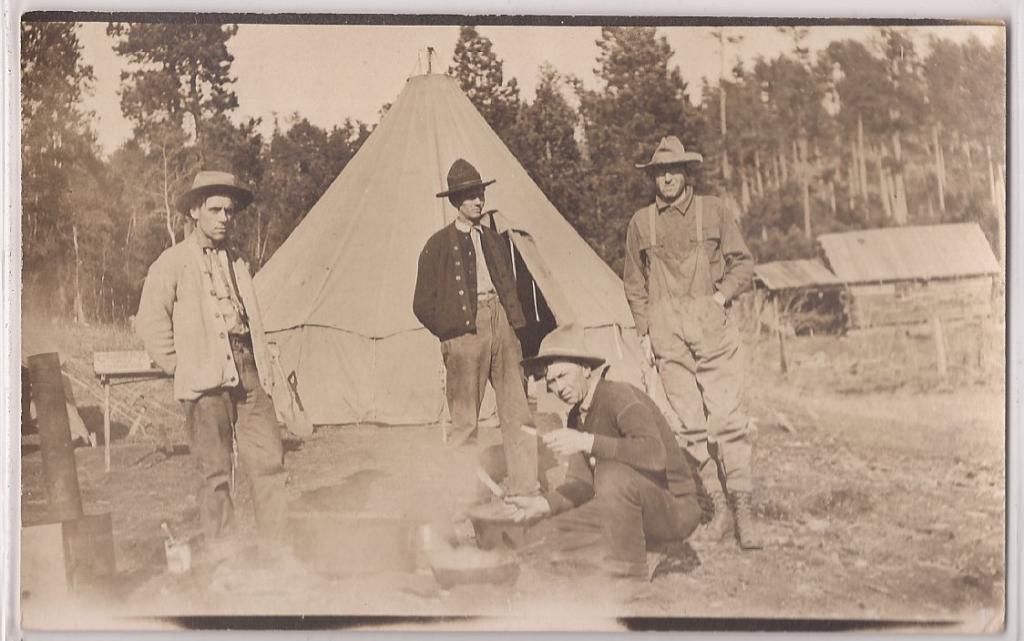
Found this image on Tumblr with no other information. Nice later model Sibley tent with old cabin in the background. I would guess some time just after 1900.
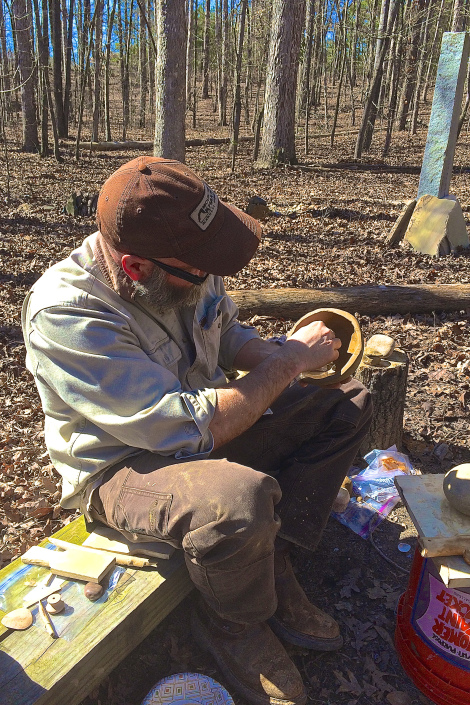
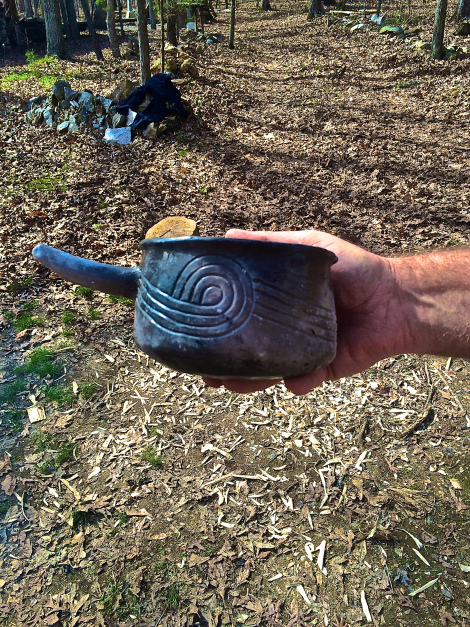
I wanted to re-blog this excellent post about functional pottery construction from “Survival Sherpa”. I’m no great pottery maker but appreciate the craft for sure. Have a look.
Coffee drinkers like myself usually have a favorite mug or cup. My all-time favorite “tankard” developed a crack and DRG trashed it. A sad day indeed!
My sob story may seem petty, but there’s nothing trivial about not having a way to “contain” stuff. Think of all the ways you use containers daily. Then imagine all your modern containers being gone… poof, no more. Welcome to the Stone Age!
Here’s what else disappears with your containers. Your ability to…
Cook stuff without skewering it on a stick
Collect, disinfect, transport, and drink water
Raise plants and livestock
Store food without stuffing it in an animal stomach
Dispose of waste
Personal hygiene
Ferment food and drink
Make medicinals
Gather food
Keep stuff clean
Organize stuff
etc., etc., etc….
This is why containers are king!
After attending a local two-day primitive pottery class, my respect and appreciation for the humble container grew…






 A round of recent comments on one of my posts set me to thinking about and re-watching one of those videos. Well, actually three of them. Back in August,



 Preindustrial Craftsmanship