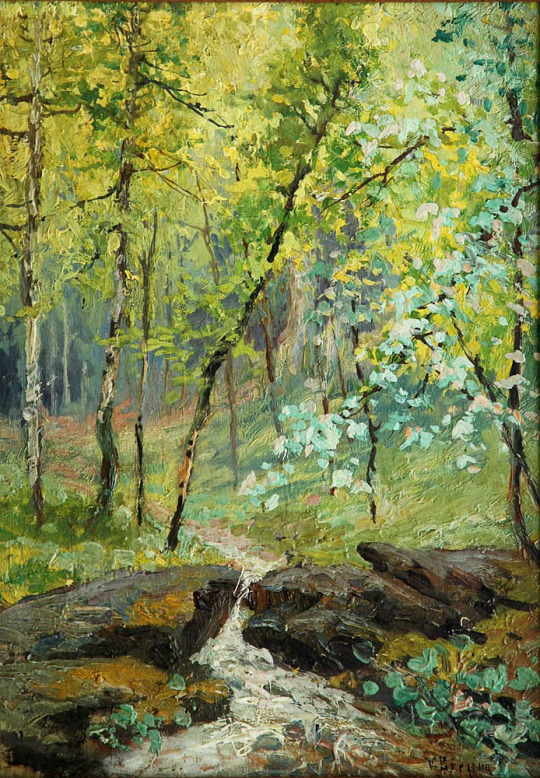
When a traveler asked Wordsworth’s servant to show him her master’s study, she answered “Here is his library, but his study is out of doors.”
Adventures of an Imperfect Man In Search of a Handmade Life

When a traveler asked Wordsworth’s servant to show him her master’s study, she answered “Here is his library, but his study is out of doors.”
This certainly raises the bar on writing desks. I think I need something like this to keep organized, campaign-style, when I take to the road permanently. Absolutely beautiful, classy, and practical.
Not if you want to do it with a bit of style and class. Anyone can go get a pencil and a legal pad, but some people want more. Or to spend more.
This is the tale of three writing desks that are unique and tasteful. And expensive relatively speaking.
First up this the full-blown classy English writing box available slightly used for a mere $2400:
 As classy as it gets.
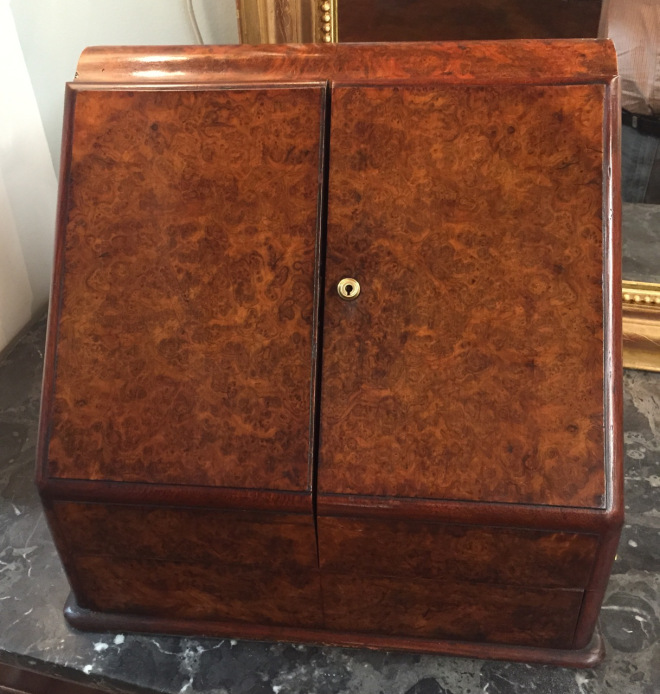 If you close it, it looks like this. Burl adds to the cost/value.
 An interior view showing storage and the perpetual calendar.
 The calendar is three paper scrolls.Use the small knobs to change the displayed day/date/month.
 These people made it. From London. The one in England.
Secret compartments, there are two that I found.
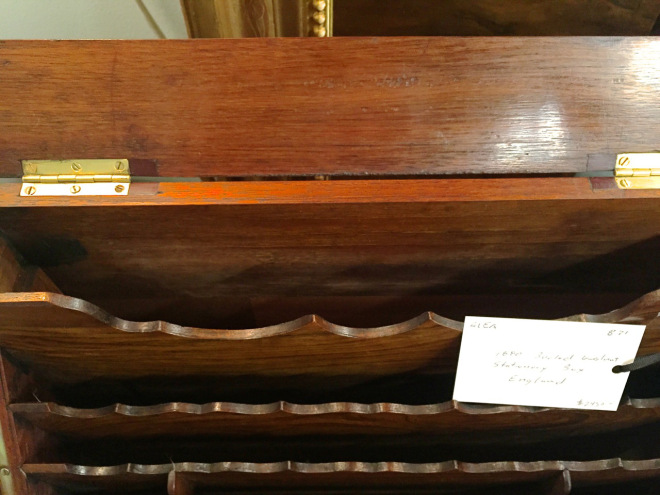 The calendar lifts out revealing more storage.
 And a drawer in the front.
Next, in the same shop, is this simpler yet elegant writing box.
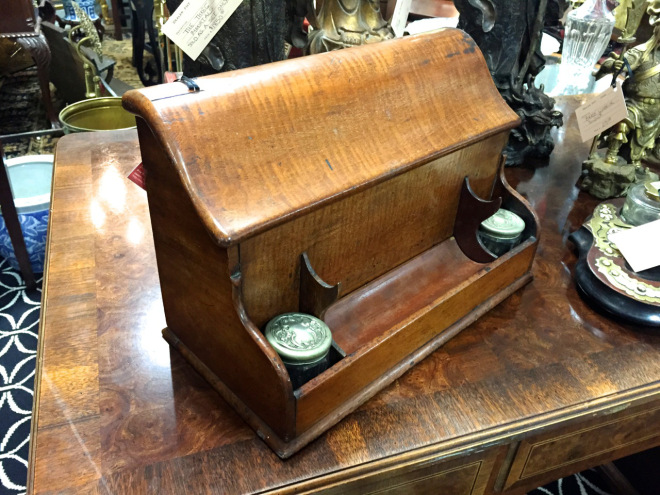 Again…
View original post 159 more words
These two women are real masters of their instruments.
WOW! Just wow!
For a long time while searching for huarache construction techniques, I could only find the simplest tire sandals and many links to “barefoot” style running sandals. However, a few years ago, I found Markus Kittner’s Huarache Blog and scoured it for inspiration and design secrets from real huaracheros in old Mexico. He has done excellent work in documenting the process.

As a craftsman of sorts, I understand that making a “one-off” of something does not imply expertise. Only replication builds a real understanding and mastery of the object being produced. However, this is not my first leather working or shoemaking project but a major improvement on a theme. This style shoe is made on a last. The shoe lasts I purchased on Ebay have finally been used to actually make a shoe. I documented the process as it came together as best I could; my mistakes and changes included in the process. This is not really a “how to” recipe for making a huarache but shows the process I used.
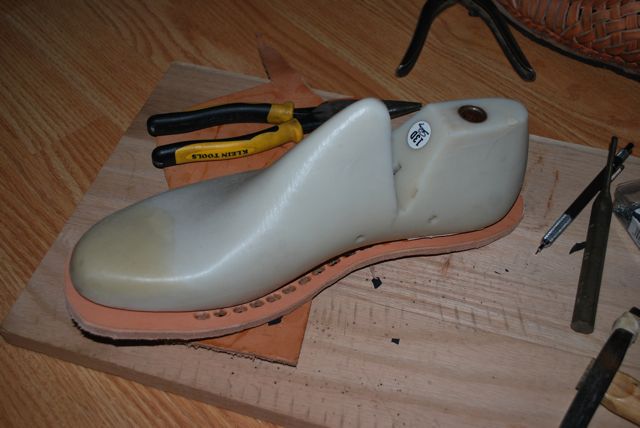
The last shown here fits me well but are an Oxford dress shoe style, meaning they run a little long in the toe. As I am making an open-toe design, I let the last hang over slightly in the front, squaring the sole to the shape of my actual foot. New lasts are pricey (ca. 50 euros/$70 US), but I think it will pay in the long run to invest in a better design for myself and those people I might make shoes for.
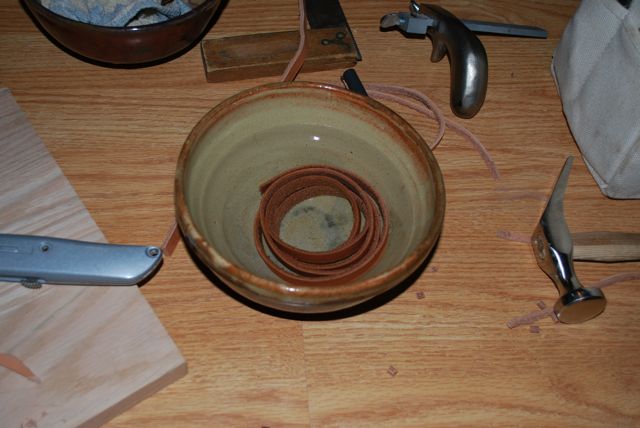
I didn’t show the strap cutting process as there is little to be learned about that. It is a skill in itself, even if you have a strap cutter. My Osbourne strap cutter can be seen in the upper right of this photo
Since this project was experimental, I used scrap leather, meaning I could only get about three foot (one meter) straps. In future, I’ll probably use 6 foot or longer pieces (2+ meters).
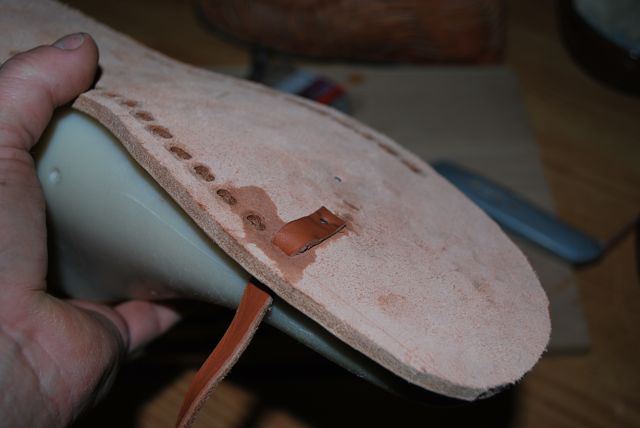
I pre-punched holes in the mid-sole and away we go. A little tallow on the straps helps cut the friction of the leather but ended up being not worth the trouble. They were kept damp throughout the process.
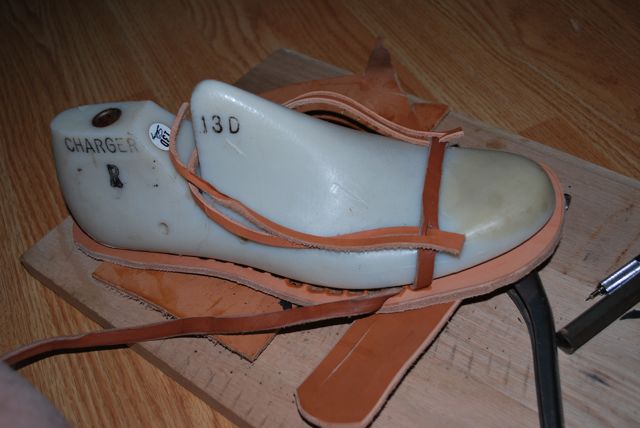
This is a signature of the style I chose. The vamp or tongue-like piece was later removed as I didn’t like the way it looked. I’ll experiment more with that later.
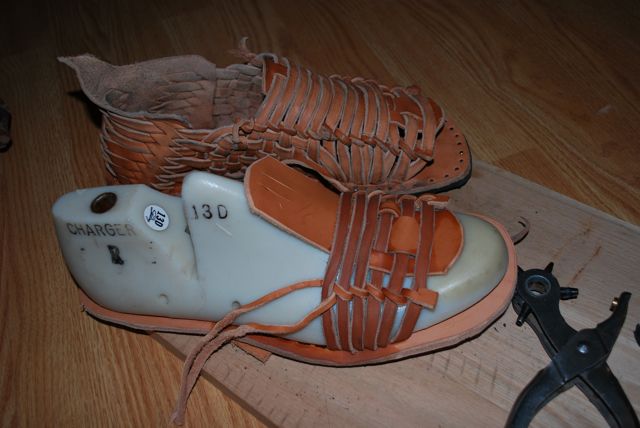
Unlike normal, I completely finished the first shoe and removed it from the last to check size and shape to determine any major changes that would need to be made.
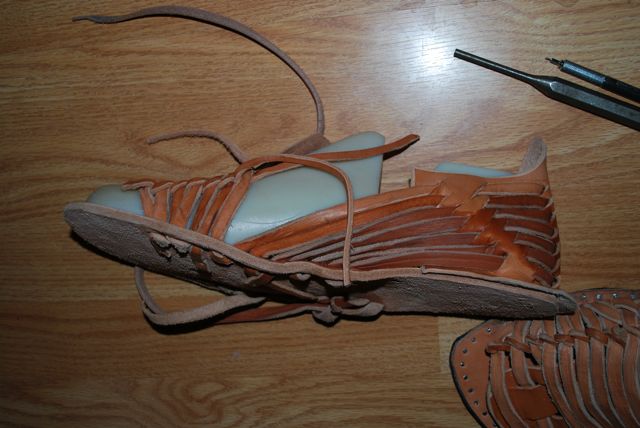
The straps running under the mid-sole look like a problem here but are ultimately skived down, dampened, and hammered flat.
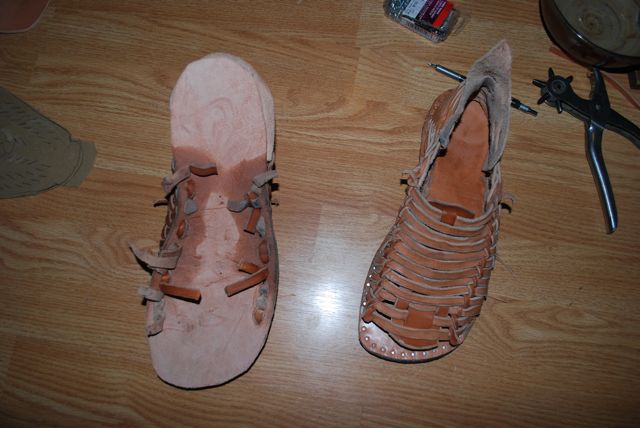
I used simple wire nails (as is traditional) to attach the soles but sewing would work too.
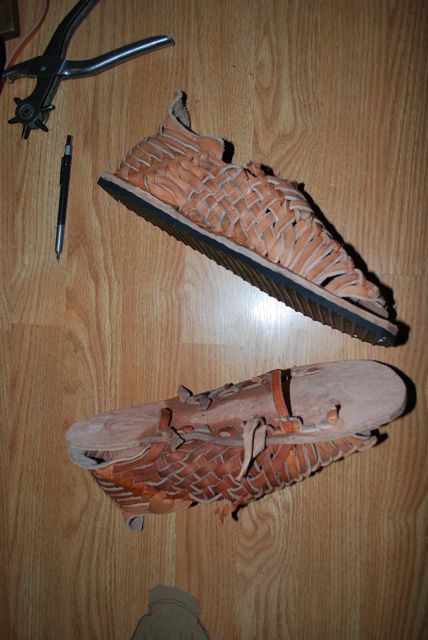
Pulled from the last, they actually matched. I don’t know why I was surprised but that made me really happy.
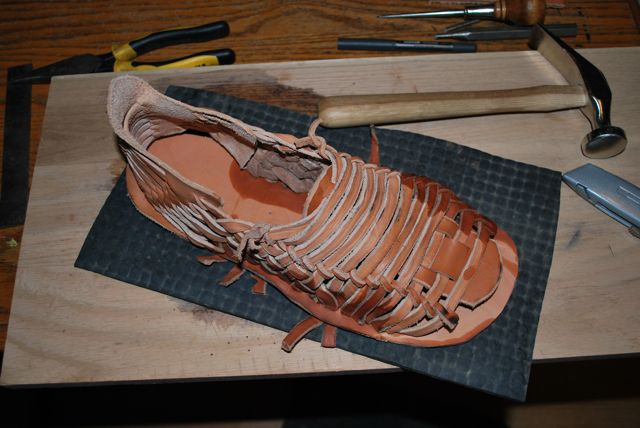
The method I chose to attach the rubber is fast and efficient, and I suspect rather tough. The nails are pressed through the leather and rubber into a thick leather scrap below. Otherwise, you would need to pry it up from the work board. One surprise I learned over time was that the nails actually wore off on the underside before the rubber.
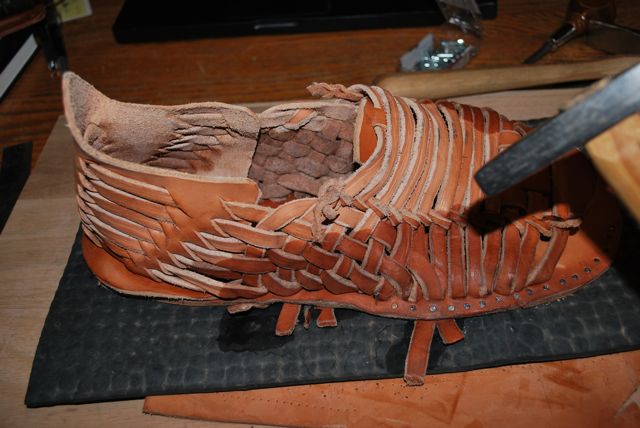
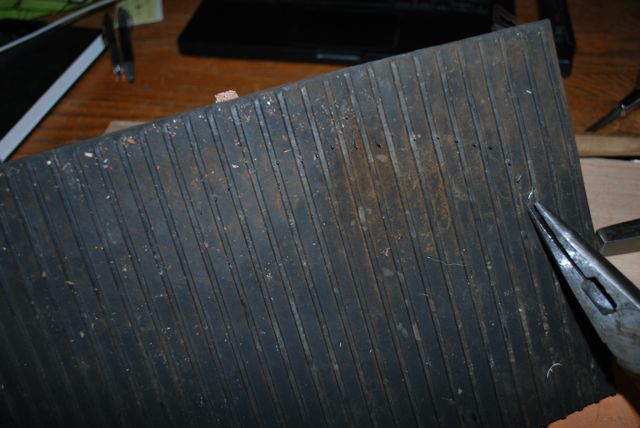
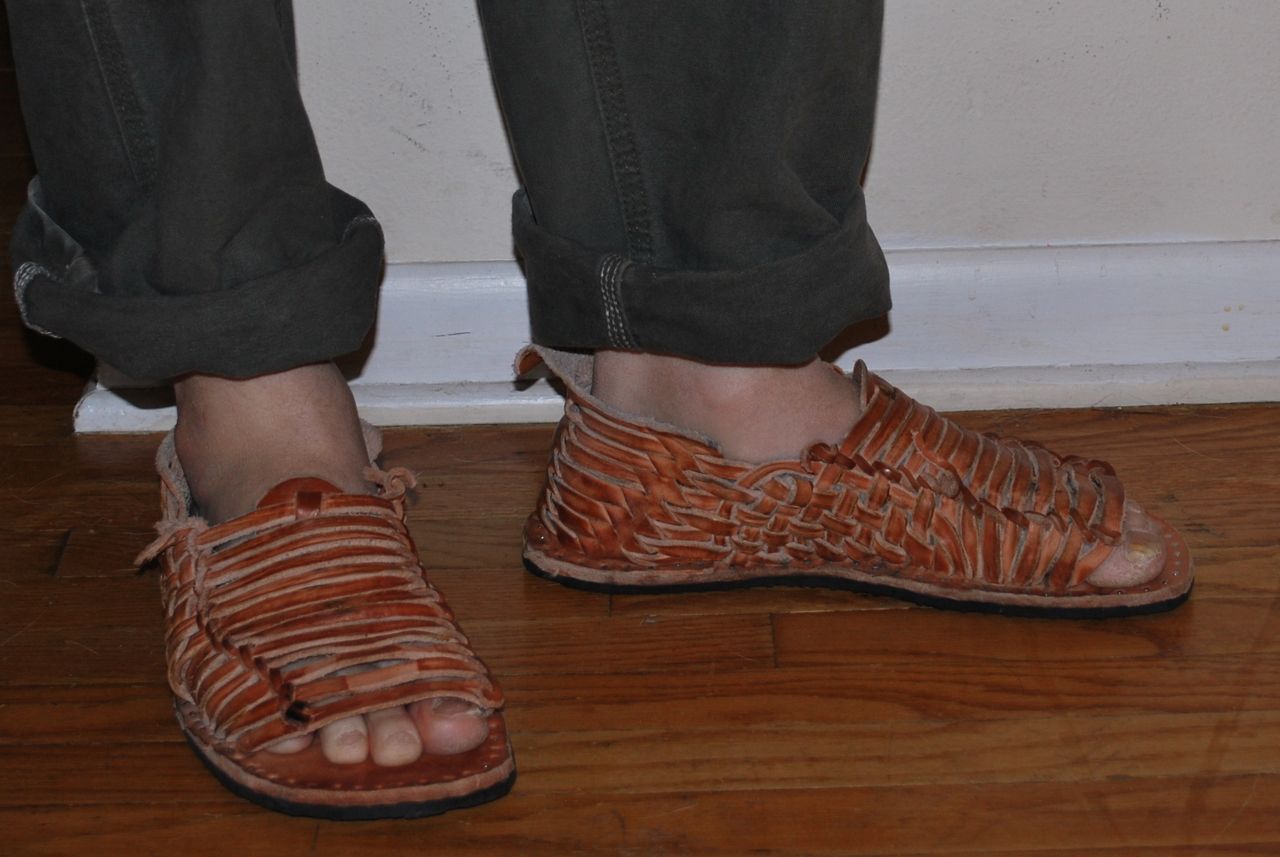
The nails are bent over (inward) to prepare to “clinch” them. There are no photos of this part of the process but this was done by setting the shoe back upright on a small anvil and hammering the nails down tight with a punch. The pre-bending causes the nail to curl inward and back up into the sole. Voila! The Huaraches below have about five miles of hiking on them now and they’re beginning to have some character.
 Huaraches you say? Do tough guys wear such things? In an era of cheap, slave-made garments, its easy to forget how self-reliant our ancestors were for such things as raiment. I include this photo of Capitan Alcantar I found on the Huarache Blog as a great historical image of a man of action wearing his huaraches and ready for war.

I hope this prompts someone out there in the world to take on the project of making their own shoes, whether for survival, uniqueness, or just as a challenge. Making for yourself is a small act of revolution against a bad system.
A few photos from my work blog.
Here are a few wildlife photos from around the Landmark. Being surrounded on three sides by industrial agriculture has created an island refuge on the property. Having the most topography in the county creates some micro-climates and environments not found elsewhere. In the past weeks we have spotted coyote, gray fox, eastern and western bluejays, barn owls, a slew of various hawks, kangaroo rats, mice, deer, rattle snakes, gopher snakes, coachwhip snakes, roadrunners, and probably a dozen other things I am forgetting. Enjoy.
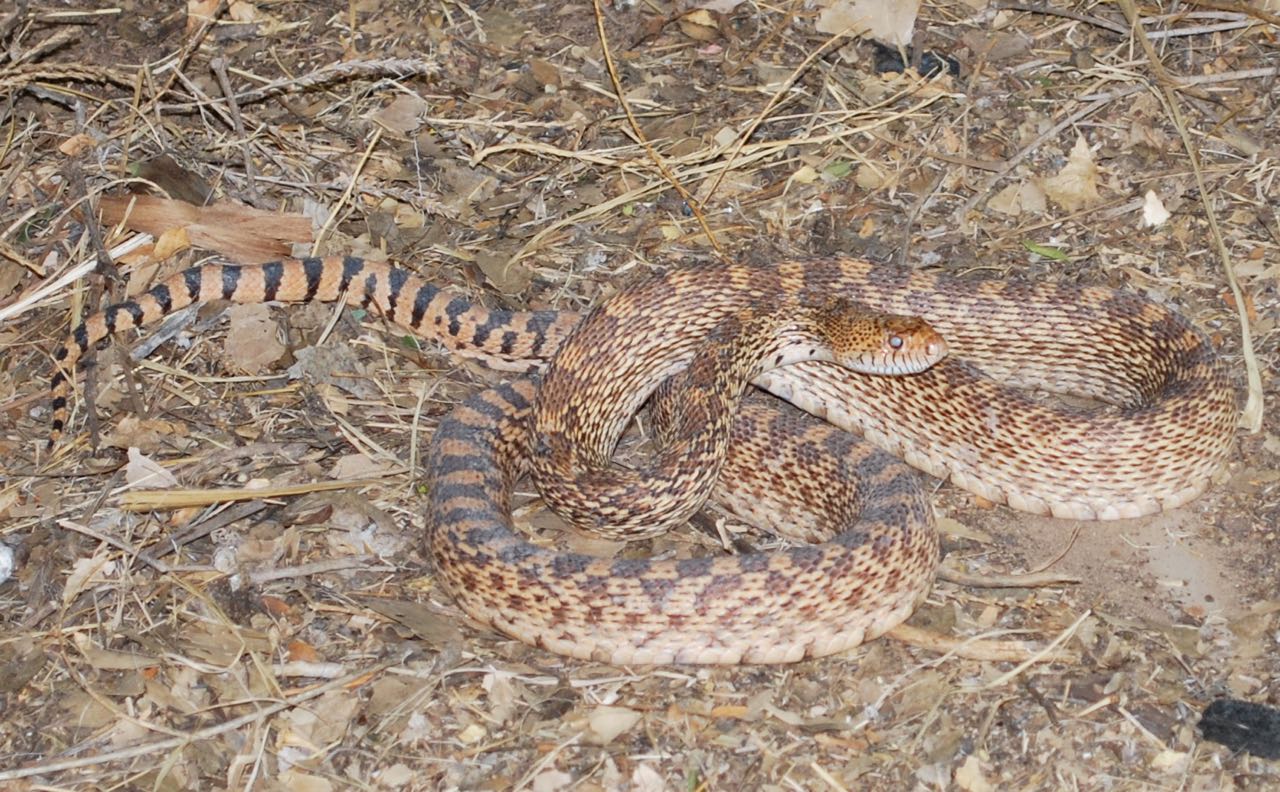 Another gopher snake. Some of these get remarkably large on a diet of wood rat, mice, and other rodents.
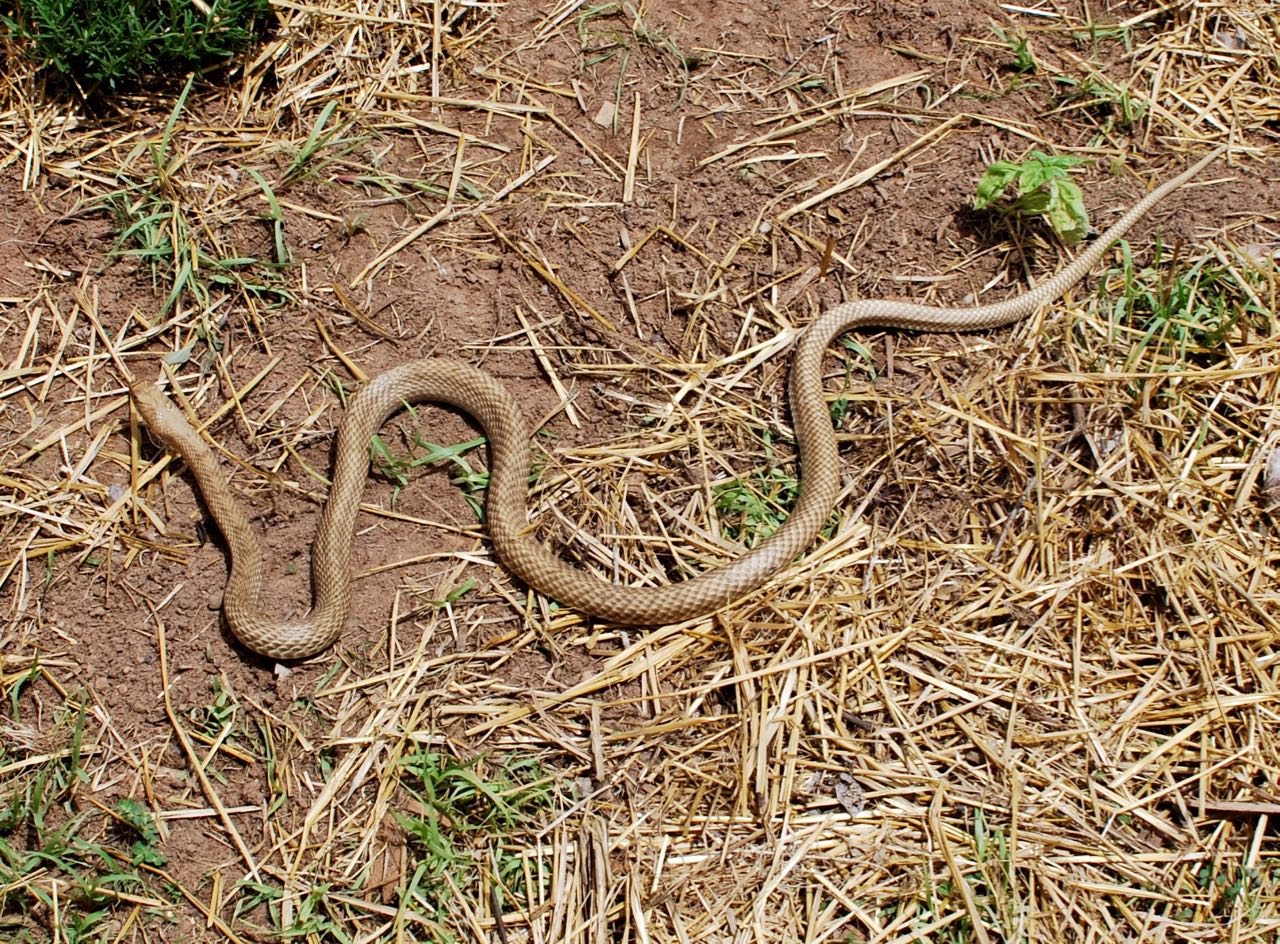 Coachwhip in the garden.
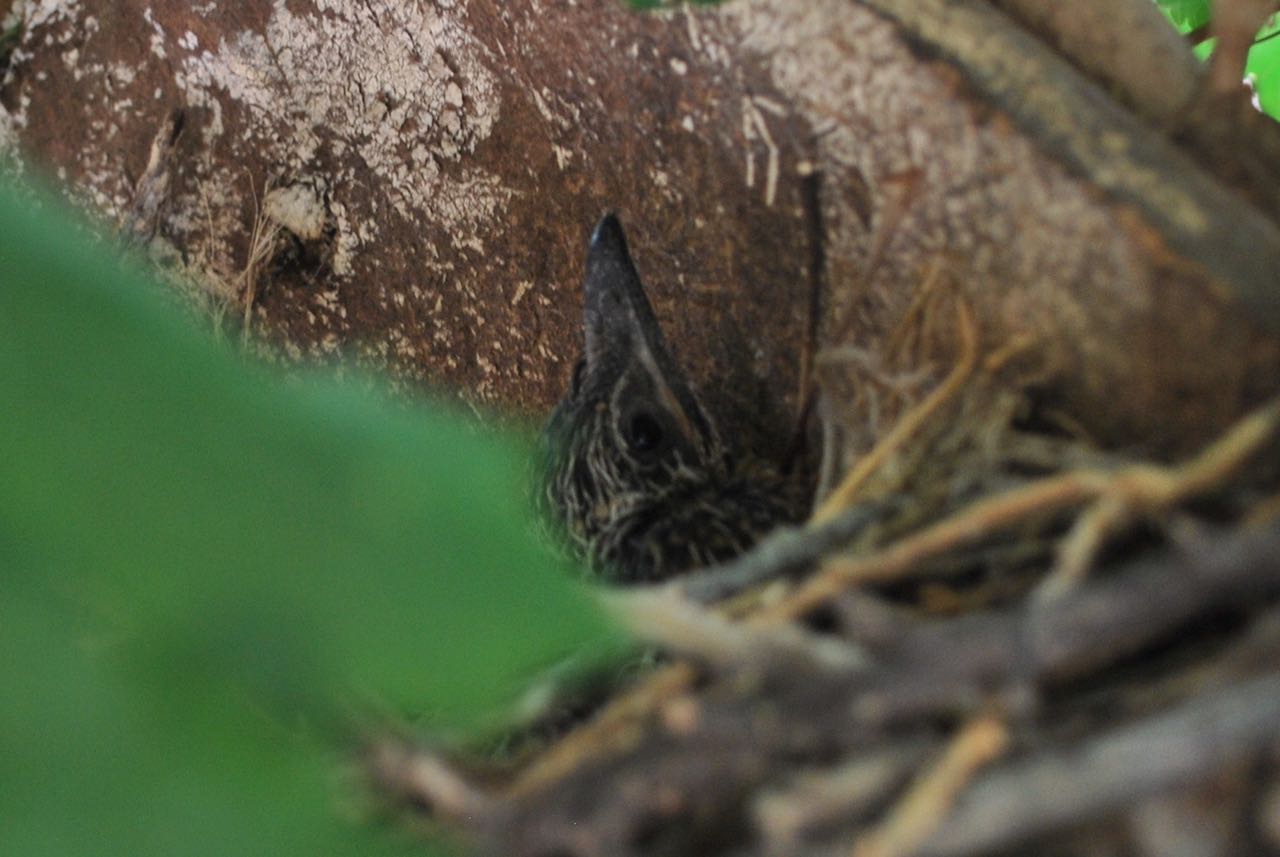 Roadrunner hatchling. I snatched this photo while the parents were away scooping up horned lizards to feed the little ones.
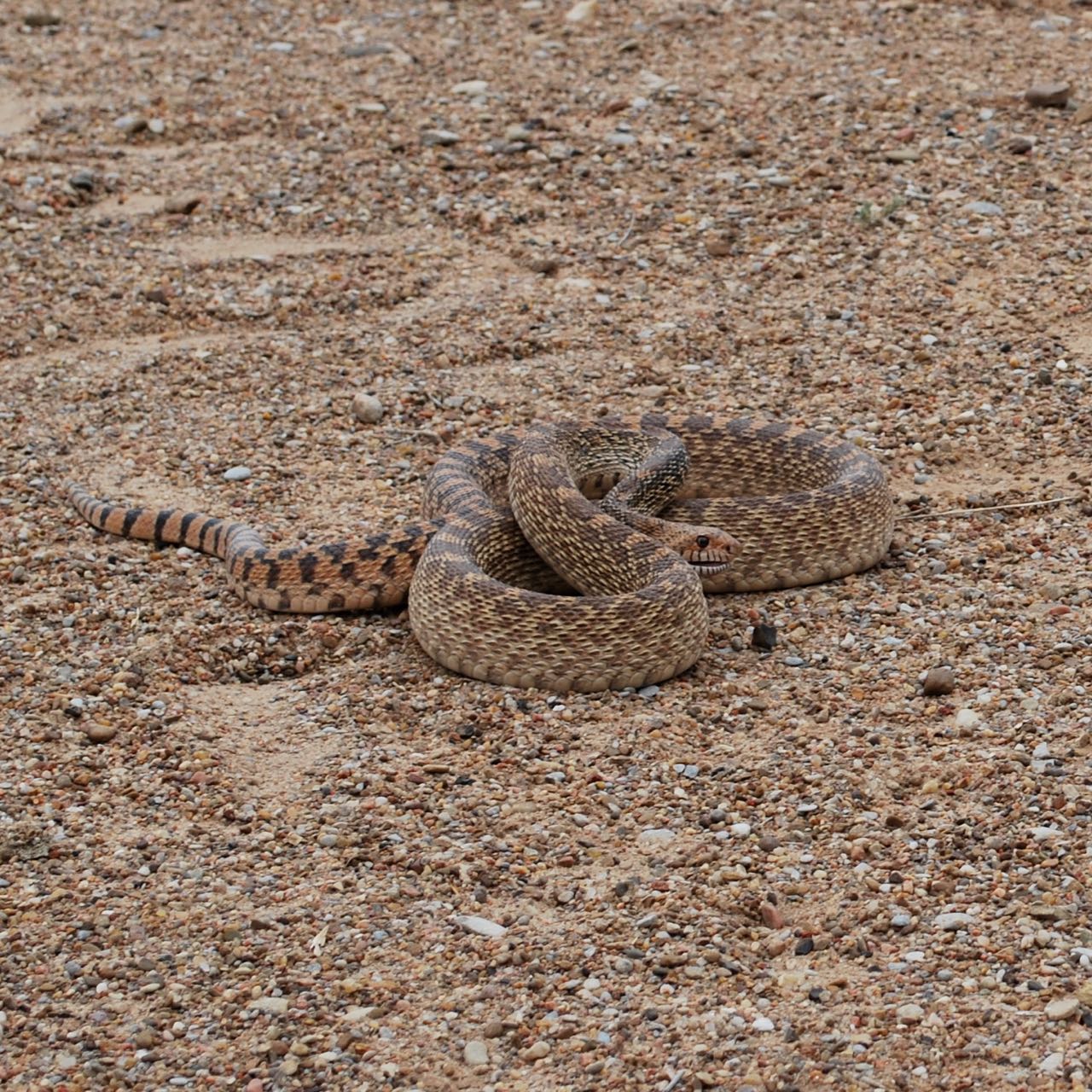 The ubiquitous gopher snake. It’s a miracle that more of them don’t get run over as they haunt the parking lots throughout the day.
View original post 36 more words
It is truly NEVER too late.

we seem to be in the minority among those we follow on twitter in not attending fincon, though we hope everyone who is going has a wonderful time and learns a ton (all the better if you want to share what you learn!). we wouldn’t rule out going to a future fincon, but still don’t see ourselves as “real bloggers,” and so the idea of spending big travel bucks for a blogging conference is just not where we are right now. for those of you who are attending, what got you over the hump and let you see what you’re doing as real blogging, and made it feel like something worth investing in? we’d love to know! along the lines of investing in your blog, something we are considering is a new layout for the blog, to make it more easily skimmable, and we’d love your feedback here or on…
View original post 1,186 more words
 A fun and relatively tame primitive technology event for a good price located in southwest Missouri put on by good friends of mine. Here’s some information from their website:
This unique event has two parts – a free knap-in/native arts-crafts show starting Thursday, with top-notch knappers, artists, and crafters from a 20-state area making and selling their work. In the Workshop Area starting Friday, a pool of some of the area’s finest instructors offer workshops on various wilderness skills and crafts. You can learn the survival skills of our ancestors, and in many classes, take home a completed project.
Overnight camping and vendor-knapper setup – $5/night, a limited number of electric sites available on a first-come basis – $15/night. If you arrive before Wednesday, leave camping fee in the deposit box, Wednesday and after, please pay at the Registration Booth. Food Concession provided by the Dade County Historical Society.
Admission to the Workshop Area – $60/day or $150/3 days:
Get your hands on it, and learn with some of the finest primitive skills instructors in the midwest!
Below is a partial list of workshops available – the list may change to to instructor availability, check registration for an updated schedule.
HEAD OVER TO THEIR WEBSITE FOR MORE INFORMATION, MAPS, ETC.
Planning for your next step in life? Tired of being a drone with just enough well to keep it together while working for an ungrateful boss or company? You can escape. The good folks at “ournextlife” offer some excellent advice and lessons learned along the way. I read every post they make and am generally better off for it. Have a look:
our bloggy buddy steve, who writes think save retire, started the about series a few weeks back that all bloggers are invited to continue, and more recently wrote a series on his own blog that he dubbed the “our next life” series. we love the name, obviously, and thought — why not also make it a series that we all contribute to? so this is our take. and we’d love for you to write your own and link back! who’s in?
our take on the series may be a little different from steve and courtney’s, but our idea is to do a little daydreaming about what your next life will look like, after you reach whatever you’re planning for, whether it be early retirement or financial independence, paying off debt, saving for some other major goal, or achieving a major personal milestone.
some questions you may…
View original post 1,449 more words
Real Hide Tanning; a throwback post to show this fine art and craft upon which depend. Leather doesn’t just come off a cow. It must be carefully processed to become the beautiful, strong raw material we love so much.
A woodcarving project perfect for any outdoorsman.
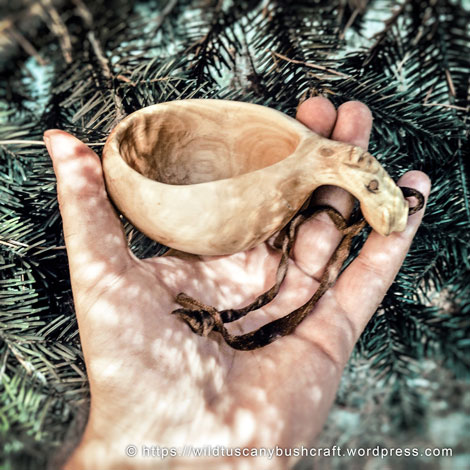
Finally I have carved my own wooden cup! I have made it without a defined project and without the textbook step-by-step instruction.
View original post 345 more words


 Preindustrial Craftsmanship