
Adventures of an Imperfect Man In Search of a Handmade Life

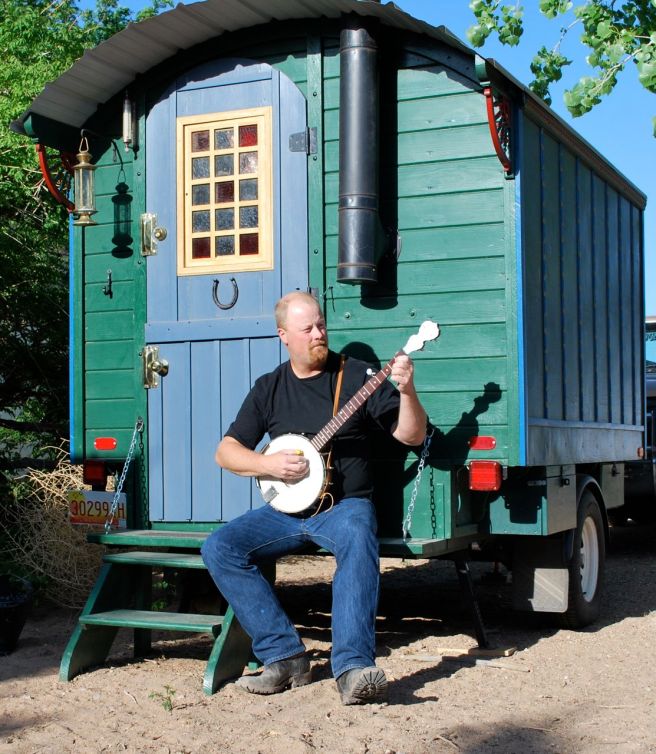
A foreshadowing of an early retirement…

GTS 300ei
Its almost surreal. Somebody* is actually paying me money to drive the Vardo out to the Maker Faire in San Mateo next month. Even with my old clunker truck, the small travel award will more than pay for the trip and I’ve been wanting to attend the Faire for several years now anyway, so his is a perfect opportunity. If you are a maker, artisan, artist, or mad scientist, the Maker Faire is worth checking out. In their words its a: A two-day, family-friendly festival of invention, creativity and resourcefulness, and a celebration of the Maker movement.
 On a personal front, I am busily working up the line drawings of the Vardo and hope to have high quality prints for sale at the Faire. Also, they will available via the web and purchasable for a small price via PayPal.
Hope to see you there.
*Esurance Road to Maker’s Faire ChallengeIf I lived in Britain or France, I would want to live aboard a narrowboat. Like the name suggests, these small ships are long and narrow, designed to navigate the extensive canal system throughout much of country.

At about seven feet wide, interior design is obviously very linear but there is little to constrain length, other than the size of the locks connecting the waterways. Often brightly painted, these floating homes have a real appeal for someone with a nomadic heart.
While looking for images of narrowboats, I found a short piece by Shelley Davis recently posted on Kent Griswold’s Tiny House Blog.
 The waterways have real appeal to me. Growing up near the Mississippi River gave me dreams of Huck Finn and Tom Sawyer adventures. As a kid it was a dream to have a little boat and float all the way from the creek in my back yard to New Orleans and into the Gulf of Mexico.


The above photos are from the Tiny House Blog article. As can be seen from this micro kitchen, efficiency is paramount in a tiny home. There are a lot of good ideas and inspiration to be gleaned from these amazing structures.
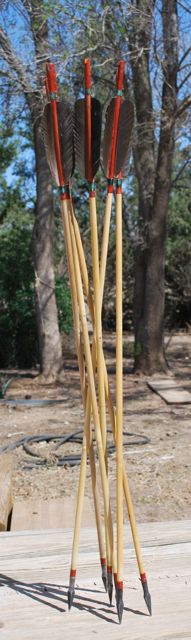
Took the new arrows out for a little shooting last night. The bodkins are too much for the lightweight straw bales I have right now. The arrows shoot very straight and true but pass through the bales as if they weren’t even there. At least with broadheads you get some drag as they cut the straw. I’ll have to get a new setup this weekend or put some regular target points on. As can be seen above, they have a first coat of red ochre painted on and are waiting for a coat of oil tonight. Next, polish the heads and call them done. Then… start the process of slowly destroying them by shooting.
Thanks to spending so much time with my grandparents as a young child, Earl Scruggs has been a musical influence on me since before I can remember. I loves seeing him and Lester Flatt on the Beverly Hillbillies and in my early teens, I wanted to learn to play like him. I bought a very cheap (read junk) banjo and plugged away at it after school, annoying friends and roommates for the next decade and a half. I never became a great player but still love to sit around and pluck the strings when I’m alone. I went off to college to become a classical musician but spent far more time strumming a banjo than studying or practicing my chosen instrument.

Very few people can affect a whole new sound and style of music and be emulated by so many musicians. People like Earl Scruggs, Bill Monroe, and even John Hartford influenced so much music in ways many younger people wont even know and took virtuosity to a high and classic level. I’ll pull out the Scruggs book I’ve been carrying around for 25 years and maybe try my hand at some American classical music tonight.
Enjoy one of the coolest banjo licks ever played.
My new quiver. Re-worked from one I made earlier in the winter but was just not quite right. I like it a lot now. It’s a little smaller, hangs either vertically (Medieval style) or from a shoulder strap which is removable. Made from oak tanned leather and so far, just washed down with yellow saddle soap.

It’s a simple and not very interesting design really but suits me well.


Early in the planning stage while designing my ‘van, I encountered this painting by Vincent van Gogh. Painted in the late 19th Century, it is, to me, a great image of what is now a bygone era in Europe. Who knows, if the economy collapses, and the disparity between the rich and poor increases, maybe this will become a common sight again.

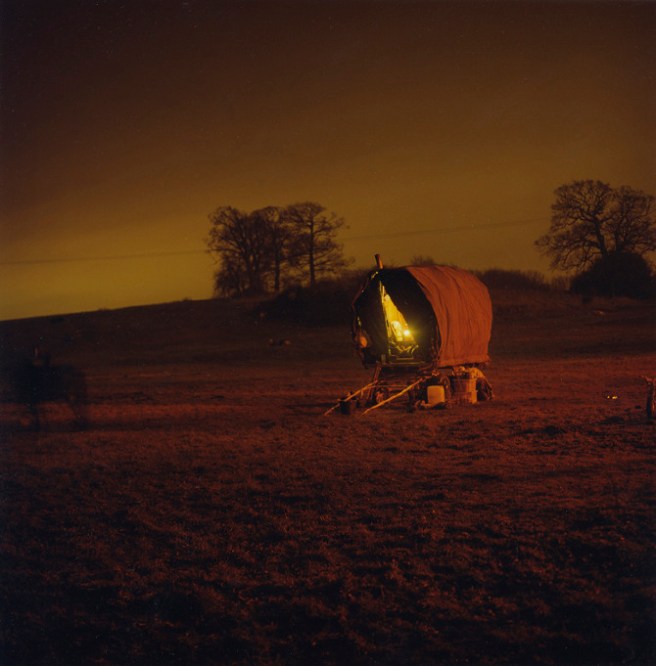
I have seen photos from this book around the web for a while now. A fair number of “hippie” Brits are living mobile, a difficult thing to do in the U.S. Iain McKell has done a wonderful job of photo-documenting the unique, beautiful, sometime spartan accommodations used by these folks on the move. If I get back to Britain I will try to track these people down.
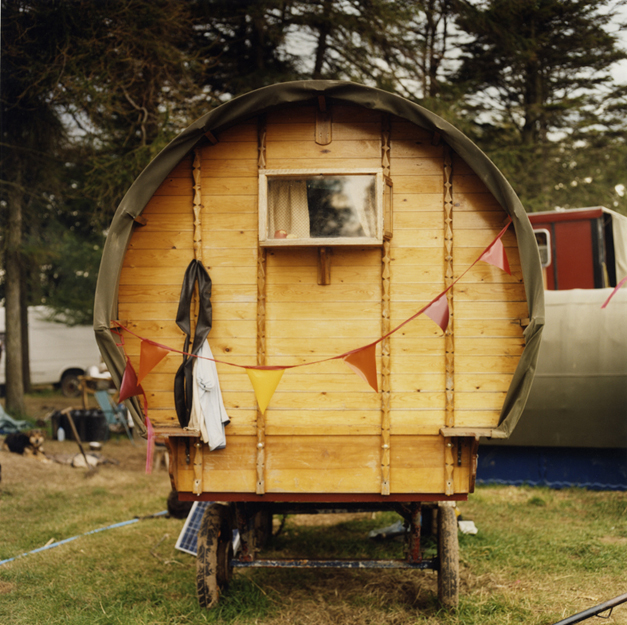
I have to admit, I’m mainly in it for the wagons. None of these look like high-speed movers, but who really needs that when it is home?
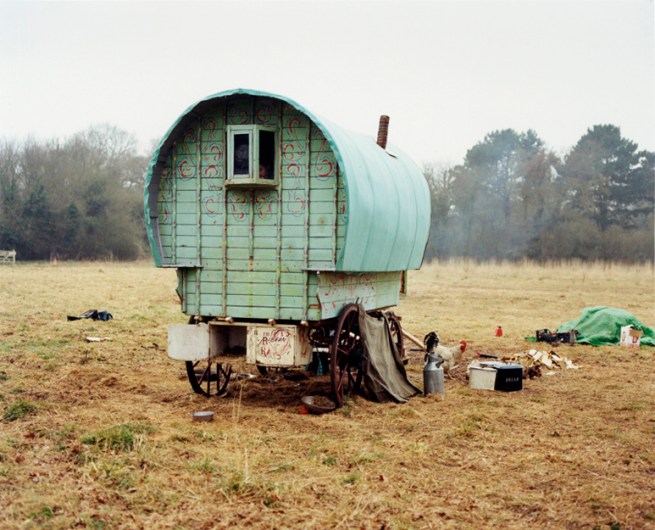
Most of these clearly appear to be restored (more or less) original horse-drawn wagons. Bow Tops, Open Lots, a Showman or two, but others look to be a bit more home-grown.
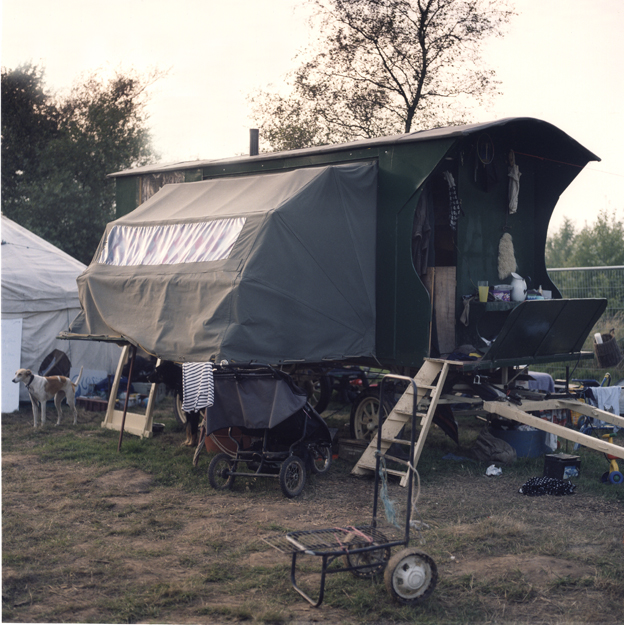
A close examination of the photos show some interesting clues to life on the road. I particularly like the “tip out” on the above wagon. I suspect it is for sleeping more people but I can imagine an outside space protected like this for cooking or storage. Hmmm, next project?
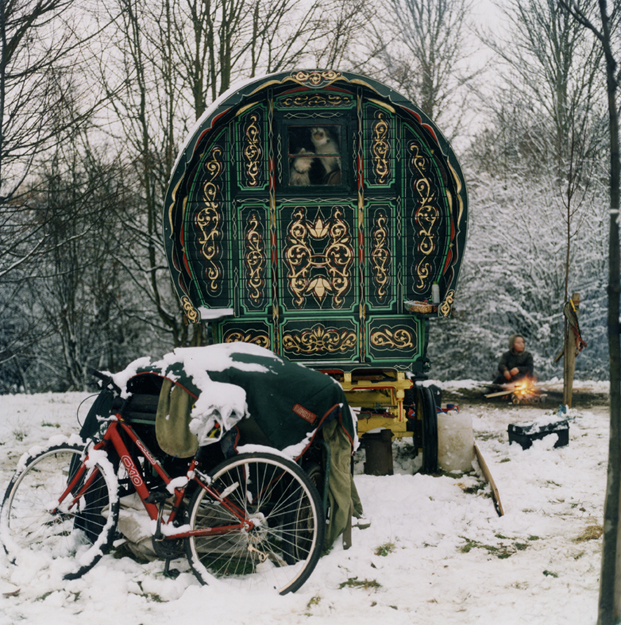
In my opinion, wagons like this are a great alternative for the modern nomad, as long as one can find a safe place to settle for the night or week or month. As with the Romani gypsies, modern travelers, living outside the norm of the greater social group are likely always to face fear and suspicion from the mainstream culture. Unfortunately, this will probably always be the way of the world.
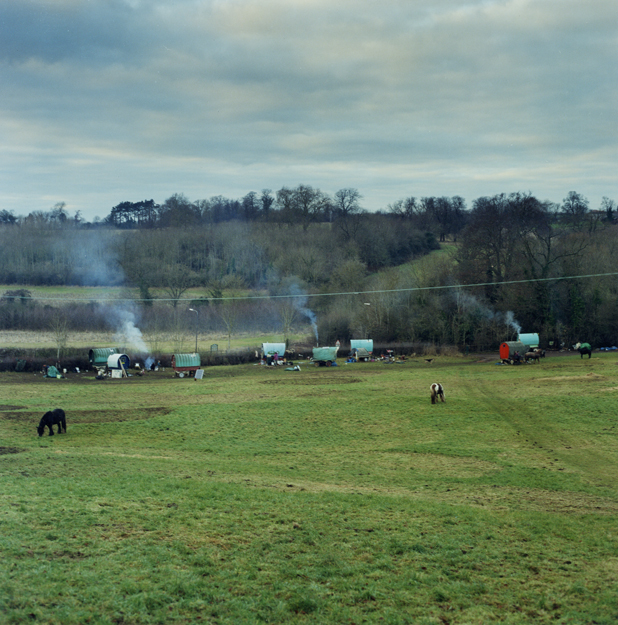
I think there will always be some of us who are okay existing outside the “normal”, expected behaviors of our peers. In a case such as this, or other fringe social groups (e.g., the Society of Primitive Technology) we can find kindred spirits who may understand our outlook in ways not found in more mainstream lifestyles.
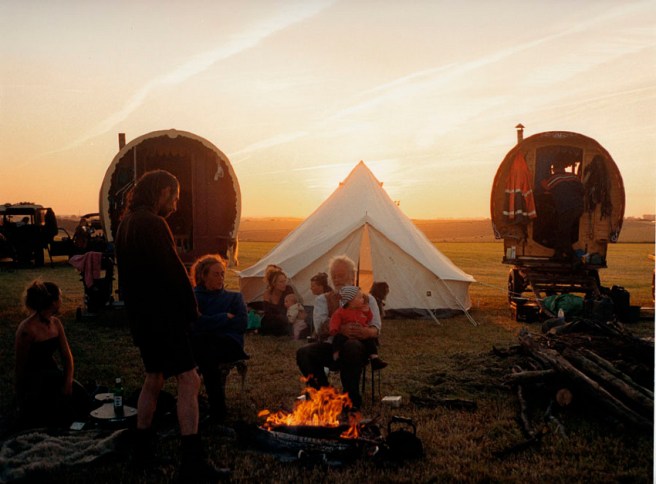
Please have a look at the art of Iain McKell and be sure to scroll down the left side of links to see more of his photos, including some fine shots of traveler’s wagons.
 Preindustrial Craftsmanship