Sandals of the New Kingdom, Egypt (1550 – 1070 B.C.)

Some shoe solutions from the Bronze Age, North Africa.

SandalMaker
This image is virtually a sandal pattern ready to be made.

Sandal maker – New Kingdom, 18th Dynasty from Thebes ca. 1504–1425 B.C.  

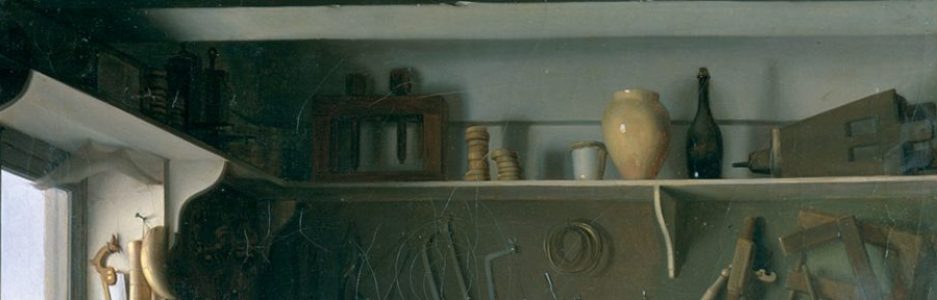
Like a Diderot illustration this gives a good insight to the workshop of an artisan with the essentials of his trade.  There’s the stool, which is useful in leatherwork as it gives a good lap to work on.  A beam, probably implying that the leather is made on-site.  A couple of awls in handles are shown and what is probably a curved awl, made from antelope horn, useful when weaving leather (my speculation based on huaracheros and other traditional weaving tools).  The sole of the sandal looks to be leather and is being punched with the awl.  Other sandals are made from fiber, probably by a different artisan specialist, while burial sandals were likely a specialty industry and are often made from wood or precious metals.

Sandals2

Papyrus fiber sandals.  Second Intermediate Period–Early New Kingdom, 17th-18th Dynasty, Thebes ca. 1580–1479 B.C. These are constructed using a coil basketry technique which involves wrapping a soft fiber around a thicker, linear element while “sewing” into the adjacent coil.

Sandals

Papyrus fiber sandals.  Second Intermediate Period–Early New Kingdom, 17th-18th Dynasty, Thebes ca. 1580–1479 B.C.

SandalsRed

Red ochre stained calfskin leather sandals.  New Kingdom 18th Dynasty during the joint reign of Hatshepsut and Thutmose III ca. 1473–1458 B.C.  These are interesting as they are tooled to look like woven sandals.  The leather might be harder-wearing but the woven style may have denoted more wealth (i.e., flimsy shoes equates to more wealth or less need to labor).  A very simple design used for thousands of years and well-illustrated in the sandal maker panel above.  This is a good survival sandal that could be made quickly in the field from many materials today.

two pair

SandalsAu2

Finally, a couple pair of golden burial sandals (women’s) from Thebes, New Kingdom 18th Dynasty during the reign of Thutmose III ca. 1479–1425 B.C.  Note the embossing to imitate stitching.  A simple design that could be made up in a very short time.

SandalsAu

All of the above images are from the Metropolitan Museum of Art, New York and clicking any of the photos will take you to the appropriate page for the artifact.  I chose these sandals as I believe the best survival solutions are tried and true and generally exhibited in the archaeological record if the material survives.  Make yourself a pair of shoes.  With a little practice, basic footwear can be made that is serviceable and fit for public wear.  Our ancestors did this for thousands of years, we can too.

Small Possibles Bag for the Belt

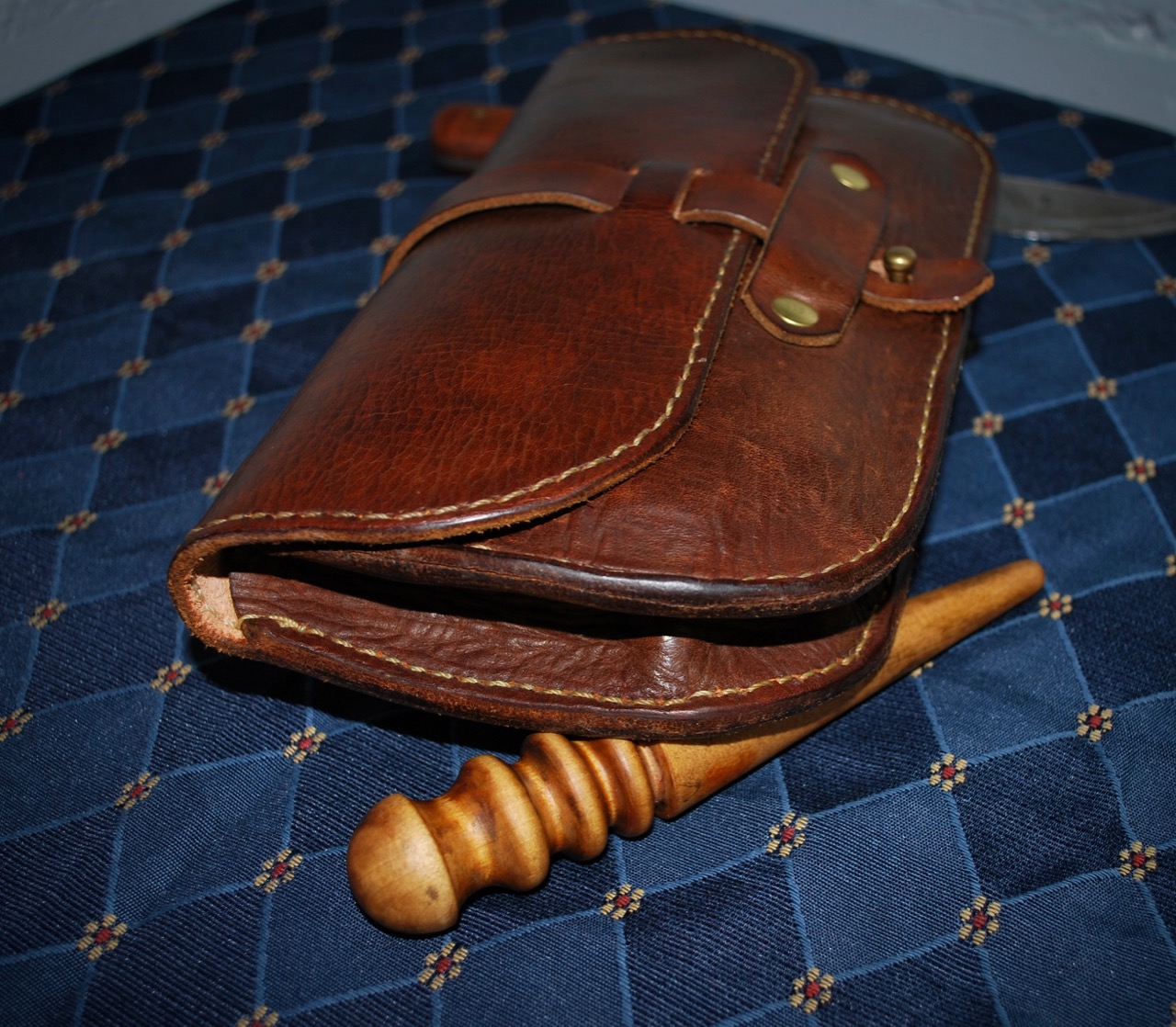
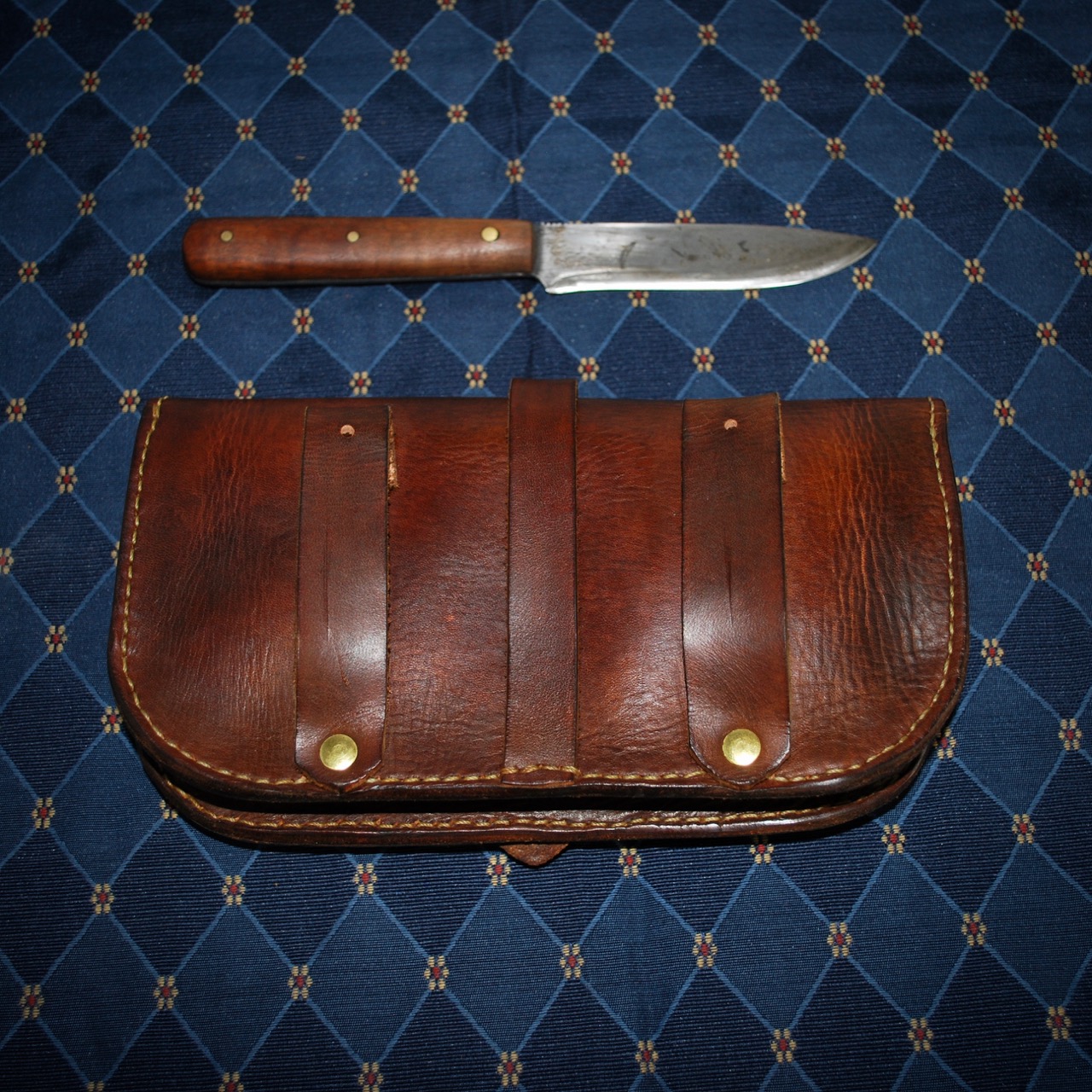
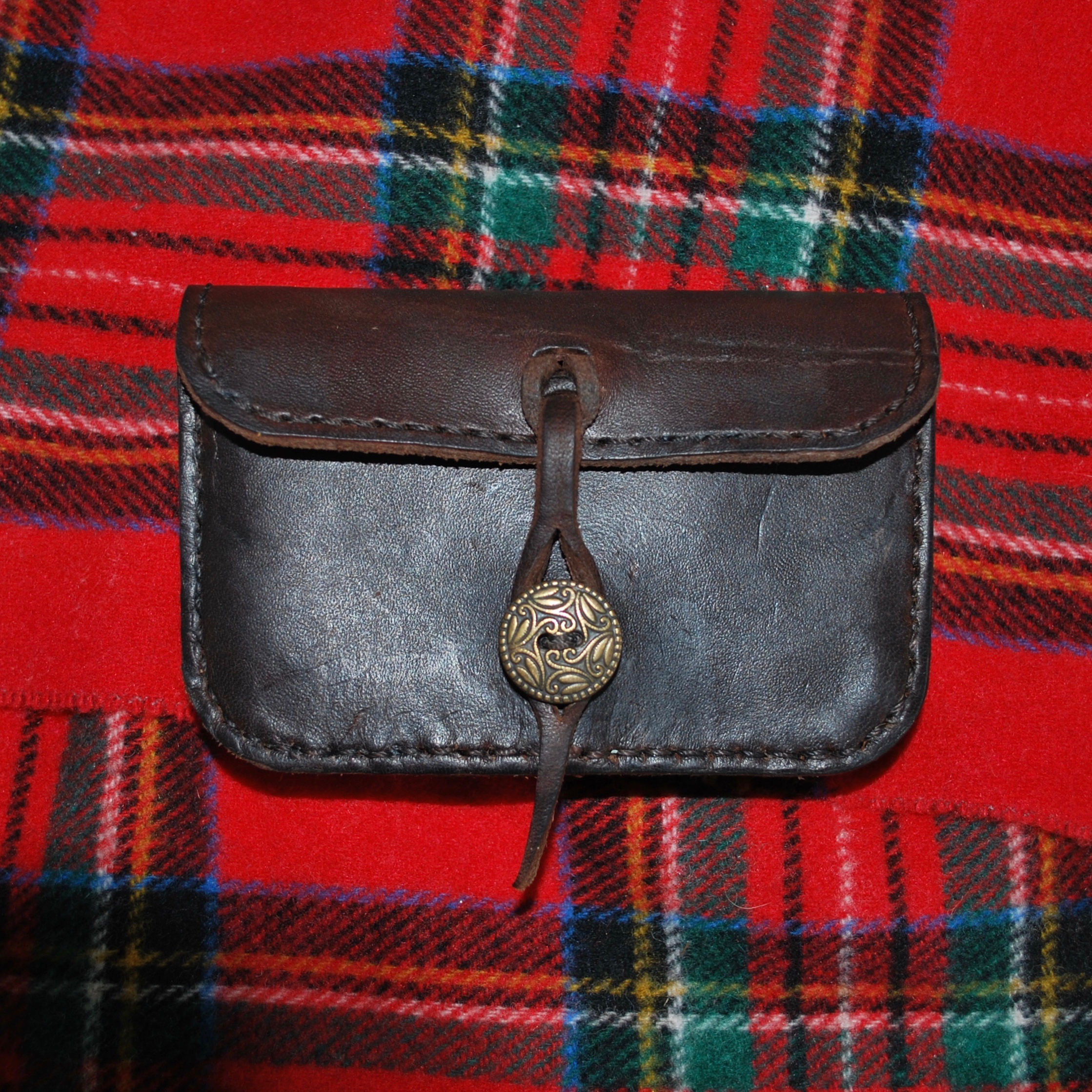
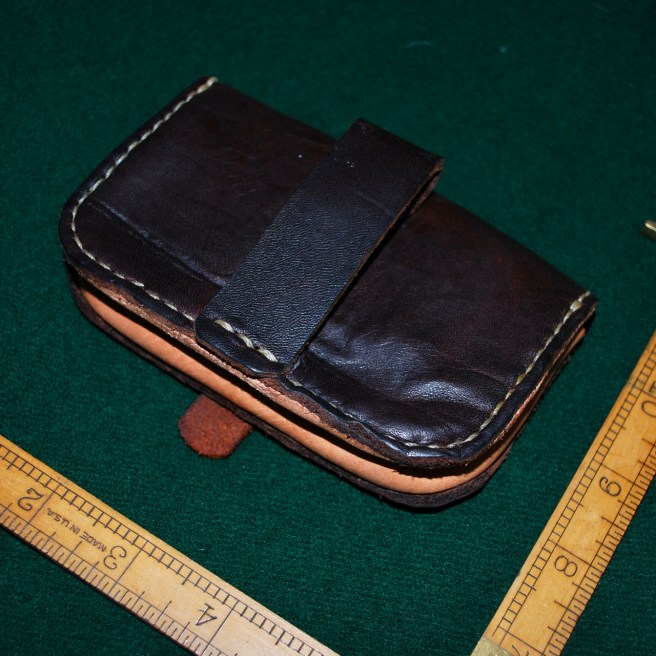
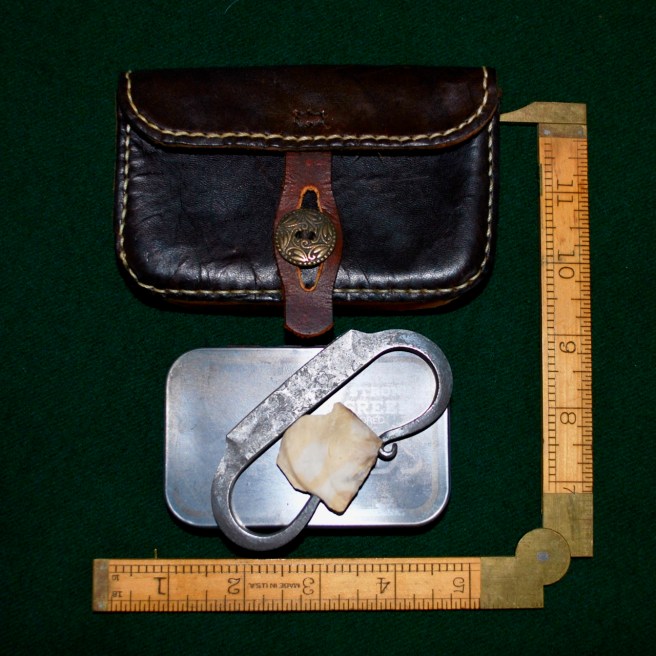
Sometimes it’s nice to have the security of a bag strapped closely to the body and not swinging around your neck and shoulders. This little 9 x 5 x 2 inch design has done quite well over the past year and has been a popular seller in the shop.

Made from 7 oz. veg-tanned leather it will last through a lifetime of hard use.
Solid brass hardware will never rust and patinate beautifully over time.
If you like this kind of work, please consider clicking the “like ” button and follow my shop on Etsy.
I worked to give this pouch a distressed look for a little extra character right out of the box.
Double needle saddle stitching will provide security and strength for many years.

Available at Lost World Crafts on Etsy.

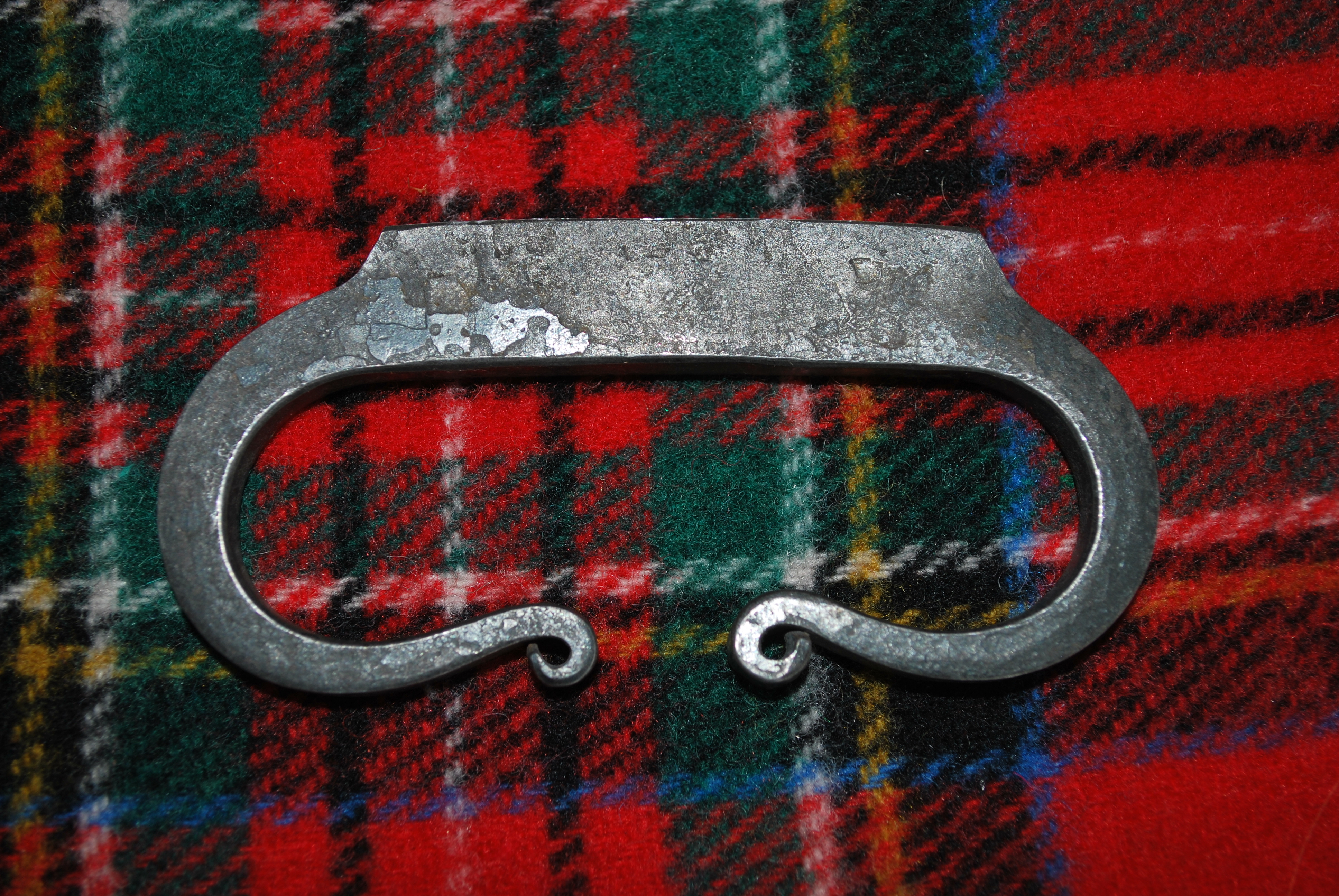
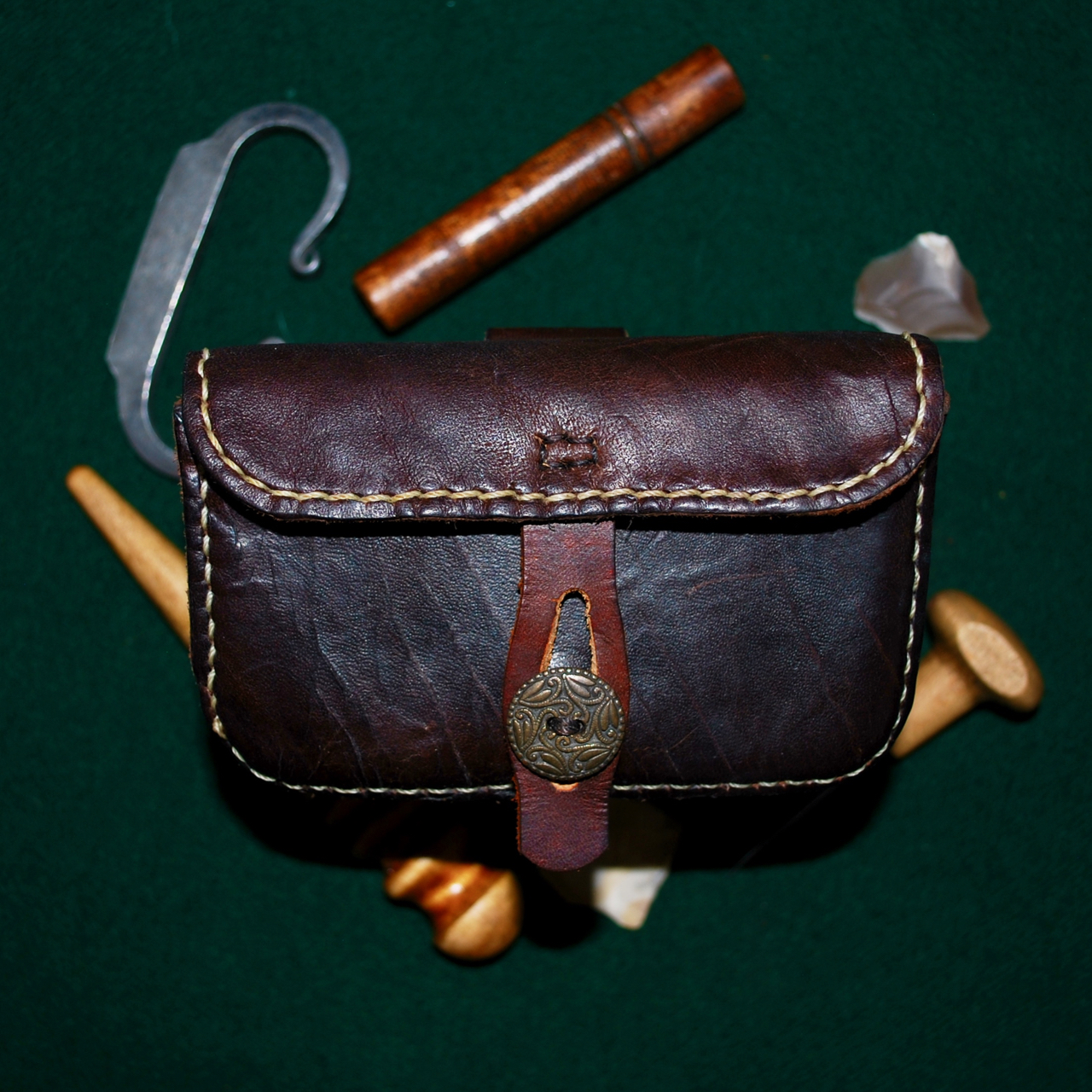
Flint and Steel

This will be the last one for a while as I have other projects in the hopper.

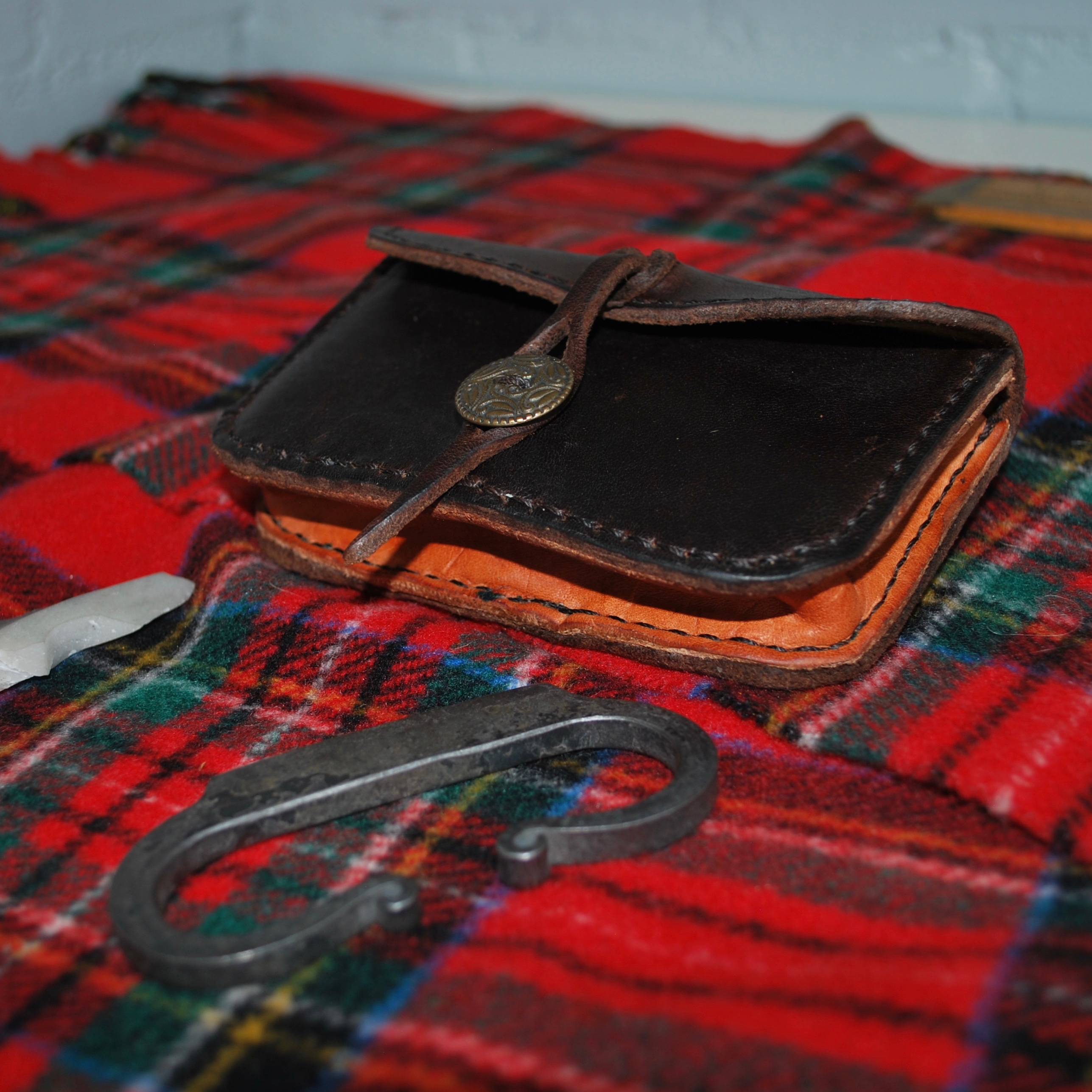
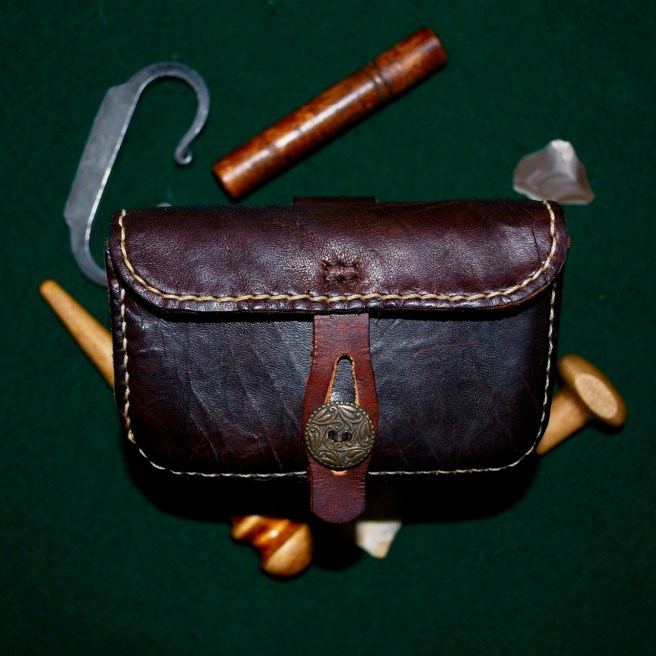
Two-toned 7 oz. leather.
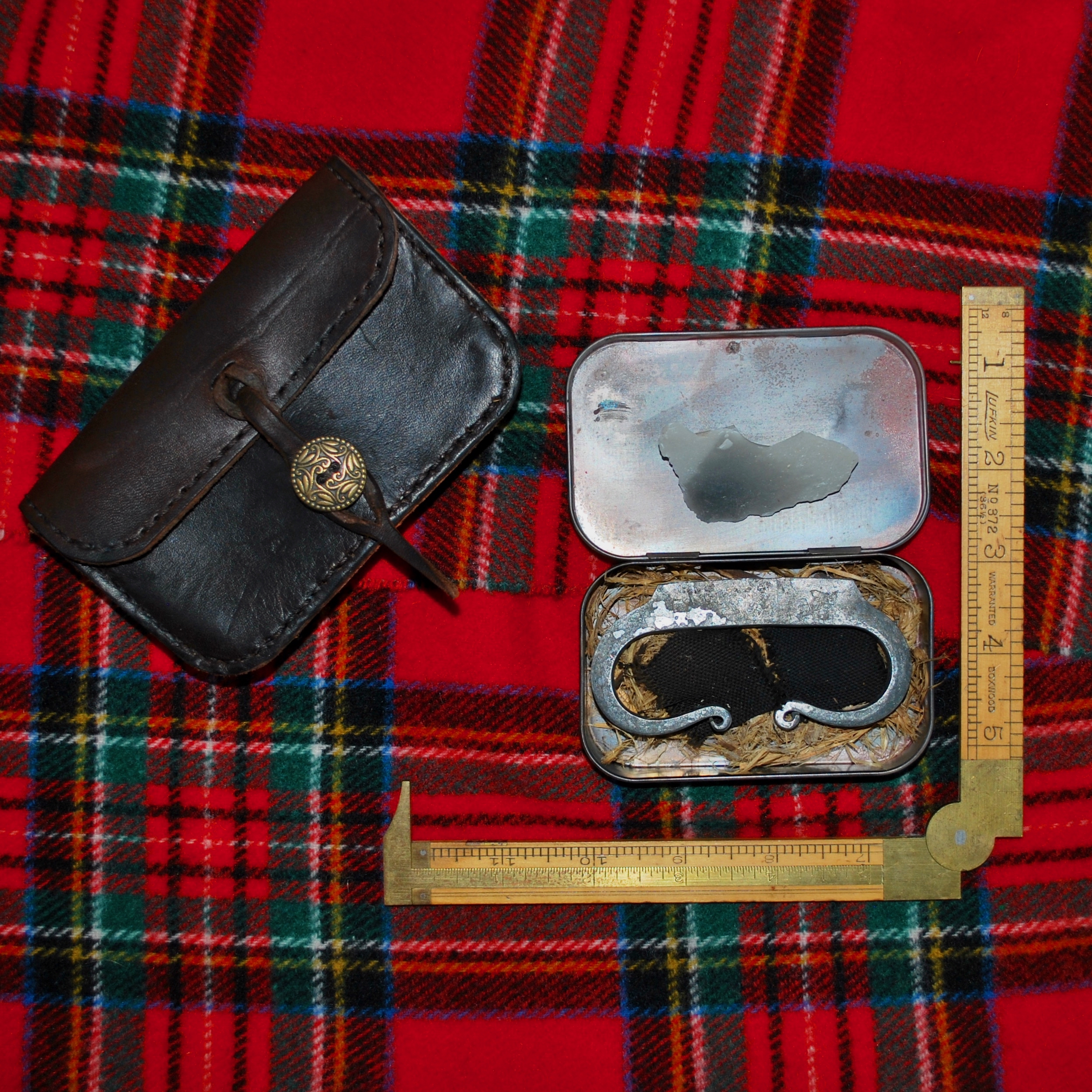
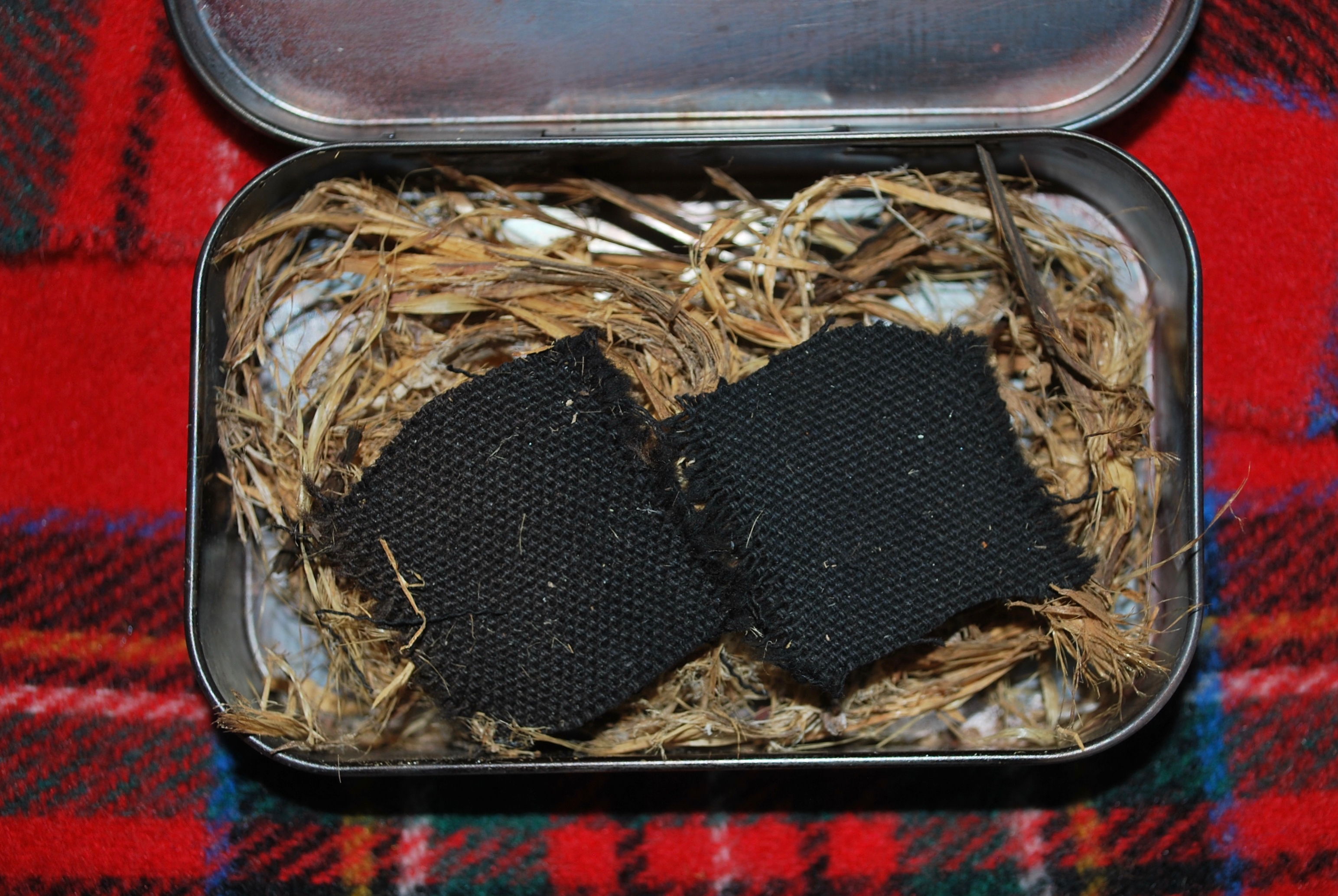
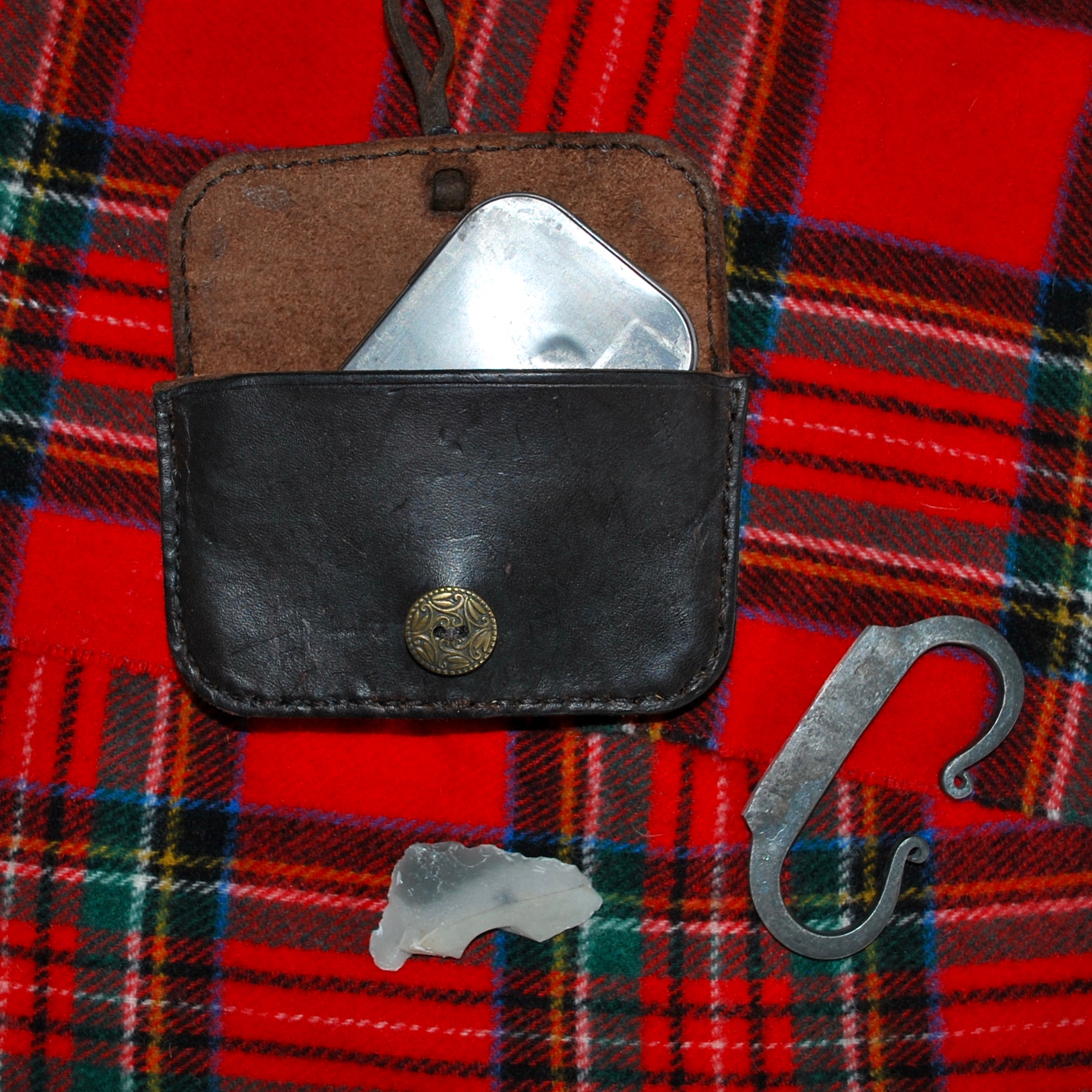
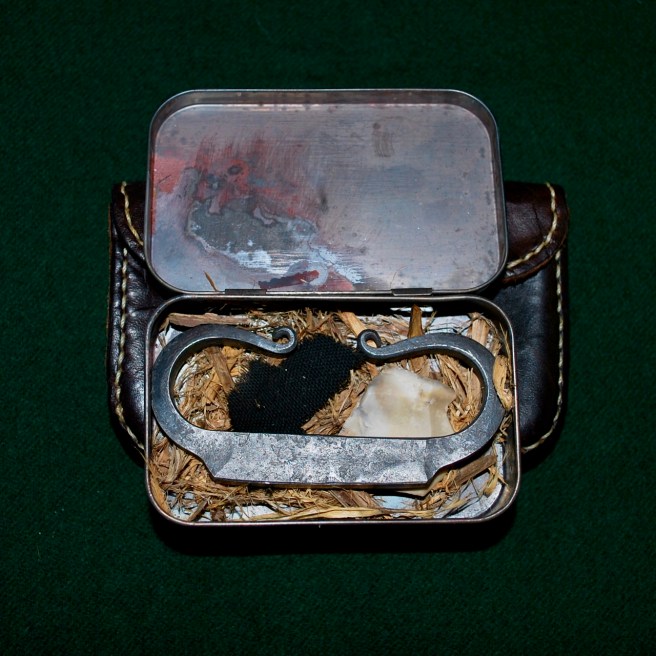
The complete kit will get you started and, if frugal, can start several fires.
The strikers are custom made by my friend Eric at Colonial Iron.
A bundle of juniper bark and ample charred cloth will spark up readily.
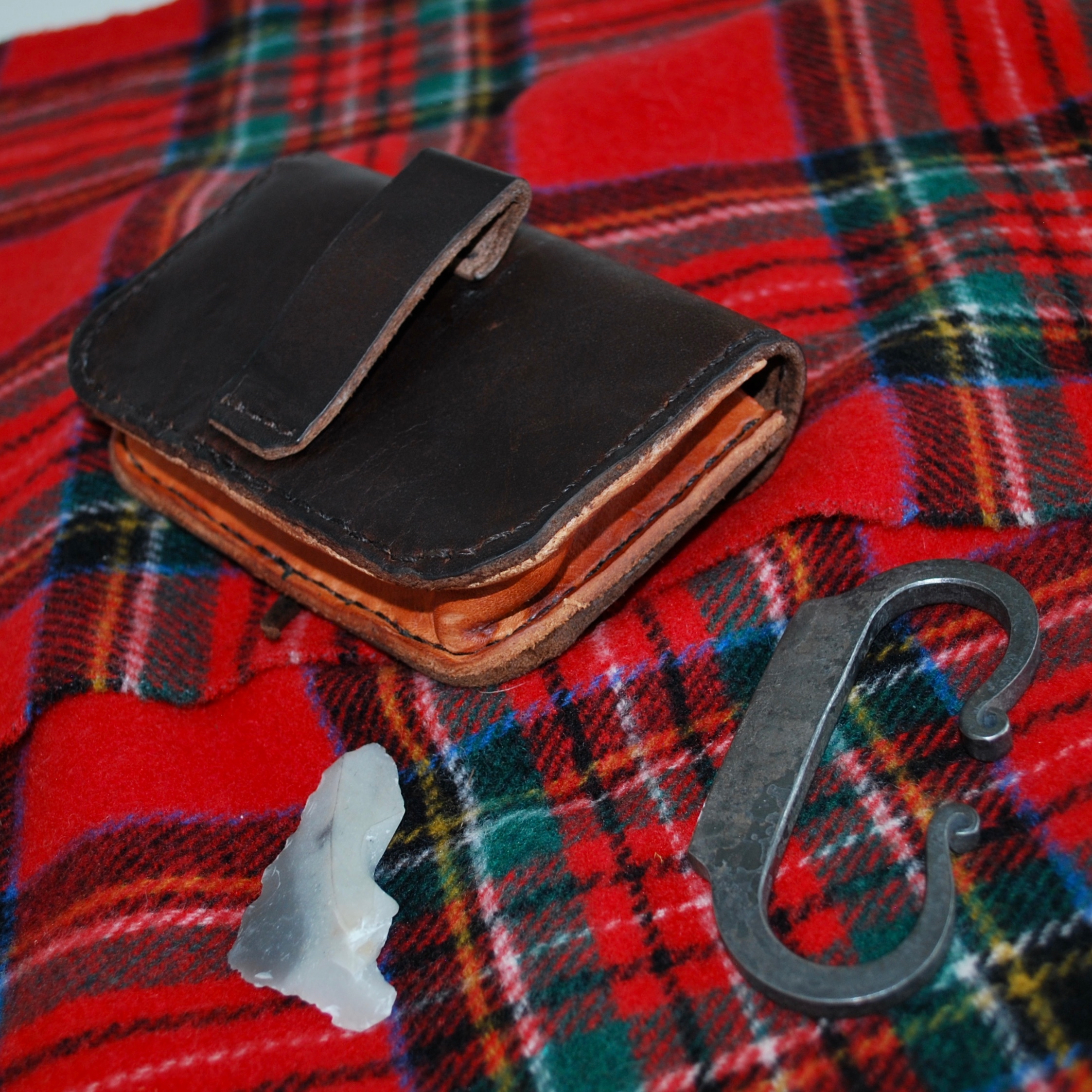
Everything packs neatly in the purpose built bag. However, the belt pouch is great on its own if the kit is kept in the rucksack.
If you are an outdoors person or just interested in history, it can be very rewarding to carry and use a traditional flint and steel fire kit like our ancestors have done for millennia.
The loop accommodates a belt up to about 2 1/2 inches.
Double needle saddle stitching, full grain veg tanned leather, and a vintage button should all age beautifully and last a lifetime.

This is available at our online shop Lost World Crafts where you can find a more detailed description of the kit.

Please check out the shop and consider following us as things are constantly being added and sold.

Enjoy! https://www.etsy.com/shop/LostWorldCrafts

Catching Up

I like to add a little character and variety, even if I’m just making the same thing again and again. I want to believe that this is what my ancestors would have done, toiling away in the craft to make a living. It keeps things interesting and more human than the soulless, mass-produced consumables.

Here’s the most recent fire-kit with another beautiful vintage button. This will be sold through the Etsy shop at LostWorldCrafts: https://www.etsy.com/shop/LostWorldCrafts
Made from 7 oz. Hermann Oak leather drum-dyed for the brown part and natural for gusset.

Thanks for looking. If you are interested, these generally don’t last a day on Etsy so check it out soon if you want one. Please follow the shop if you would like to keep up with the latest offerings.

Happy Camping!

Ferro Rods are in the Shop

These are securely set in mule deer antler and are fitted with a loop for suspension.

I bought a small batch of unhafted Ferrocerrum rods recently.  This came after finding out what a hit they were with some of my recent demonstrations.  Being able to produce a ridiculously hot spark with little effort in all weather amazes even the most distracted student.  Since the explosion of survival shows on television and internet media it seems these have not only become popular again but are getting bigger and bigger and bigger all the time.

Size isn’t everything folks!

And I’m not just saying that for the obvious reasons… For the minimalist hiker, camper, or general outdoorsperson, carrying a striker that will make tens of thousands of fires is generally enough.  Seriously, how long do think you’re going to live anyway?

If you are not yet familiar with this technology it is essentially a metal striker made from iron and cerium, that when crumbled, shaved, or otherwise shredded to expose the inner materials, produces a spark about 3,000°C (5,430°F) and can directly light most small tinder.  They have been around about 100 years but have really come back with the rise of the bushcraft and survival  popularity.

This batch will probably sell fast but more will be on the way soon.

I like to keep one that easily fits into a pocket or can be tied to a backpack or worn around the neck. these meet all those requirements and more so, if you are interested in one for yourself or need the perfect stocking stuffer this yuletide season, take a trip to our Etsy shop and have a look https://www.etsy.com/shop/lostworldcrafts/.

Quinzhee Snow Shelter

Winter is here. For some of you it is here with real gusto.  Growing up in Missouri and being sent out to ‘play’ no matter what the weather or who was around I learned a lot about how to entertain myself.  Snowfall in the Mississippi valley could be heavy and wet throughout the winter and was a great medium for construction snowmen, fortresses, and quinzhees.  Of course, we didn’t know such an exotic word at the time but we did learn good tricks and techniques for safety later in the Boy Scouts.

Image from Boy's Life magazine. Click for the link.
Image from Boy’s Life magazine. Click for a short “how to.”

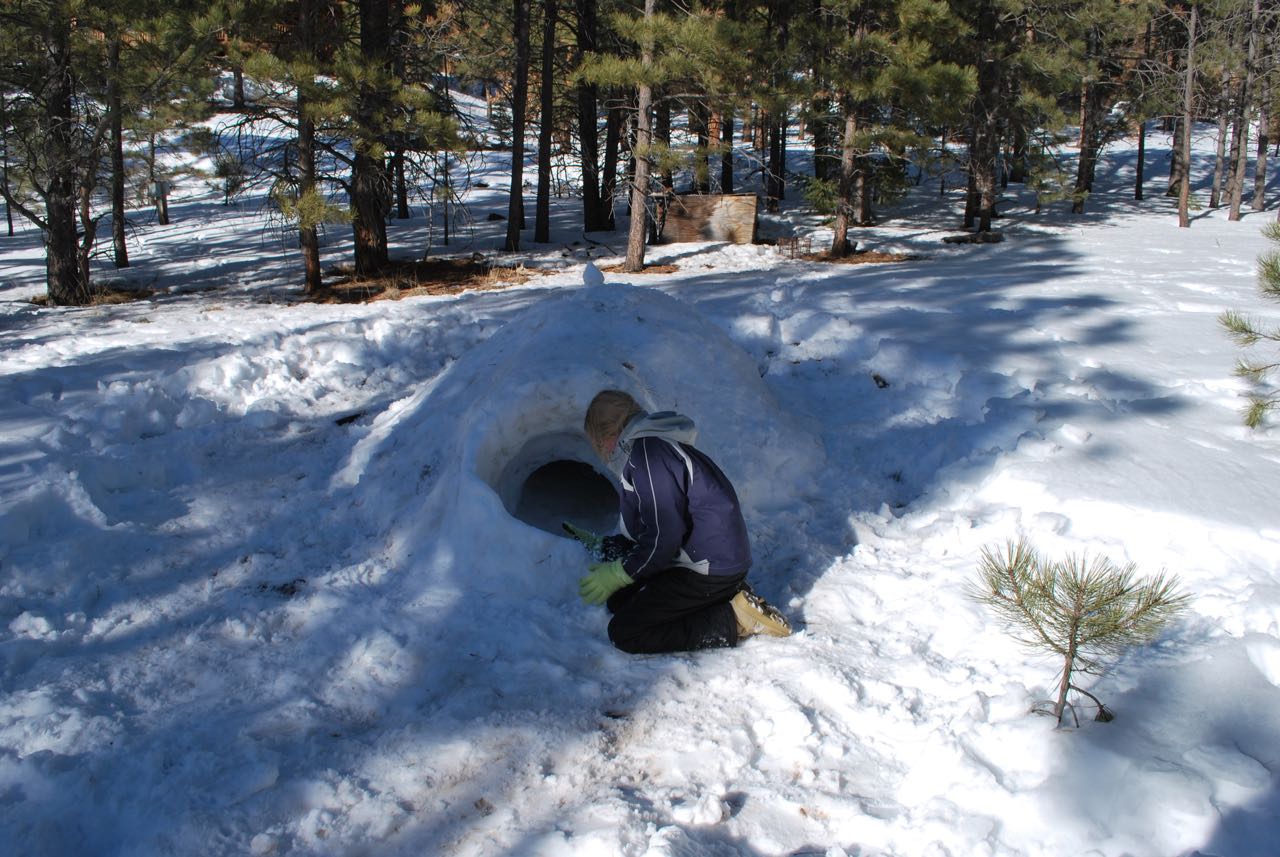
I’m certain there are no photos of the sometimes elaborate, and often not so elaborate, snow shelters my friends and I built as kids (I don’t think parents played outside with kids in my era).  I was reminded that we had our own photos of one built with my daughter several years back.  We were staying with a friend in the Sangre de Cristo mountains for the holiday at about 8,000 ft AMSL (ca. 2,500 meters).  The snow was perfect and wet so we couldn’t pass up the chance for a little shelter building.  “Teachable moments” surround us every day.  It’s up to us to take advantage of them.

Working on the wind wall.
Working on the wind wall.  If you look closely, you can see the miniature chimney and rain shield on top.

The snow wasn’t deep and we weren’t intending to spend the night inside so it was kept pretty small for ease of construction.

DSC_0007 (5)
View into the vestibule. The opening was kept narrow for warmth.

It was a chance to talk about safety, collapse, and fresh air exchange.  Valuable information for later in life.  Ours faced south.

DSC_0014 (5)
The dog was, of course, a great help, mostly chasing snowballs.

Testing out the fit.

It was definitely kid-sized but an adult could squeeze in more-or-less comfortably for a while.  The dog was not enamored with the confining space.

DSC_0018 (3)
Enjoying the evening by the warmth of a candle.

It was just another fun day, experimenting with the gifts that nature provided, and passing on knowledge to the next generation of wilderness lovers.

“Make yourself a wool bush shirt” my article on ‘The Bushcraft Magazine’!

Excellent work from our Tuscany comrade. I hope to find the magazine and make one myself!

wildtuscanybushcraft's avatarWild Tuscany Bushcraft

One of my dreams  comes true!

Last month I’ve written a tutorial on making a wool bush shirt and this article… has been published in the Autumn issue of “The Bushcraft Magazine“!!!

how-to-make-a-wool-bush-shirt-article

View original post 114 more words

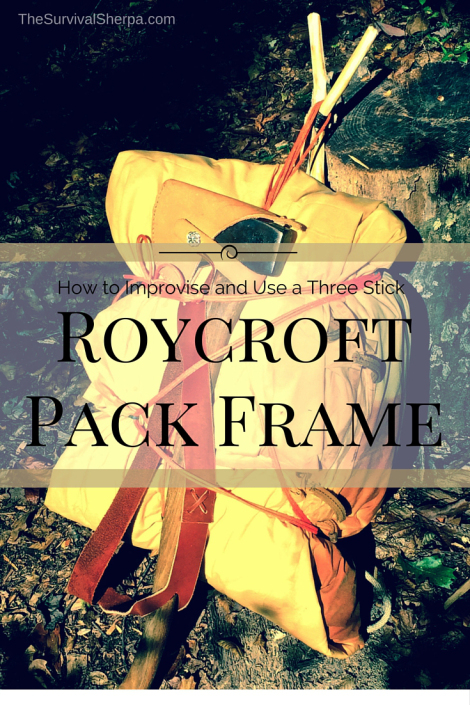
How to Improvise and Use a Three Stick Roycroft Pack Frame

Thanks to Survival Sherpa for posting this look at making a pack frame.  Making a quick, three stick pack frame is a valuable bit of knowledge.  How serendipitous that this came up (seems to be a lot of convergent thinking around my world lately) as I am beginning to tweak my own wooden pack frame for some experimental travel.  And while we’re on the subject here’s a link to a broad look at pack frames from around the world on Markus Kittner’s fine web page.

Flyers-2

Have a look at Survival Sherpa by clicking the link below.

Source: How to Improvise and Use a Three Stick Roycroft Pack Frame

how-to-improvise-and-use-a-three-stick-roycroft-pack-frame-thesurvivalsherpa-com

Bois d’Arc Primitive Skills Gathering and Knap-In

BoisdarcA fun and relatively tame primitive technology event for a good price located in southwest Missouri put on by good friends of mine.  Here’s some information from their website:

This unique event has two parts – a free knap-in/native arts-crafts show starting Thursday, with top-notch knappers, artists, and crafters from a 20-state area making and selling their work. In the Workshop Area starting Friday, a pool of some of the area’s finest instructors offer workshops on various wilderness skills and crafts. You can learn the survival skills of our ancestors, and in many classes, take home a completed project. 

Overnight camping and vendor-knapper setup – $5/night, a limited number of electric sites available on a first-come basis – $15/night. If you arrive before Wednesday, leave camping fee in the deposit box, Wednesday and after, please pay at the Registration Booth. Food Concession provided by the Dade County Historical Society.

Admission to the Workshop Area – $60/day or $150/3 days:

Get your hands on it, and learn with some of the finest primitive skills instructors in the midwest!

Below is a partial list of workshops available – the list may change to to instructor availability, check registration for an updated schedule.

  • Friction Fire
  • Flintknapping
  • Flute-making
  • Basketry and Pottery
  • Deadfall Traps
  • Pine Pitch and Hide Glue
  • Pump Drills
  • Bow and Arrow Construction
  • Atlatl Construction
  • Bone Tools
  • Tracking and Trailing
  • Primitive First Aid
  • Bowls & Containers
  • Knife Sharpening
  • Primitive Cooking
  • Braintan Buckskin Hide Tanning
  • Buckskin and/or Cattail Moccasins
  • Cordage & Netting
  • Shelter
  • Rivercane Blowguns
  • Edible, Medical Useful Plant Identification
  • Edible Insects and much more!

HEAD OVER TO THEIR WEBSITE FOR MORE INFORMATION, MAPS, ETC.

bdarclogo_1

http://www.boisdarc.info/