 From her ABOUT Page: Nukshi is a documentary and portrait photographer and an artist living and working in Nottinghamshire.
Her sensitivity to situations, culture and people, has allowed her to adapt well to new challenges and environments. She captures her images by getting involved with people, their culture and lifestyle, which motivates her to preserve those times and moments. Knowledge and empathy with her subjects is the key to her image success, especially when intimate portraits are involved.
With an open mind and a quest to explore extreme situations, places, cultures, people and learn from that interaction. She intend to travel more, in doing so broaden her abilities. Often able to impart new skills to individuals in an exchange for their confidence in her, which has allowed her to bond with them easily.
 When a friend sent a link to her website I was, of course, immediately interested in the vardo. Looking beyond the structure, there is wonderful documentation of life on the road. An exterior wash stand tripod, pragmatic stairs, cooking tripod, and the ubiquitous tea kettle extend the home.
 A homey interior, with an eye for beauty is shown in this “typical” vardo.
 A rare site where I live. Nomads and Travellers are not often welcome in the modern world. I’m glad this couple can live as they wish.

More details are documented on her website. I picked a few of my favorites for this post.
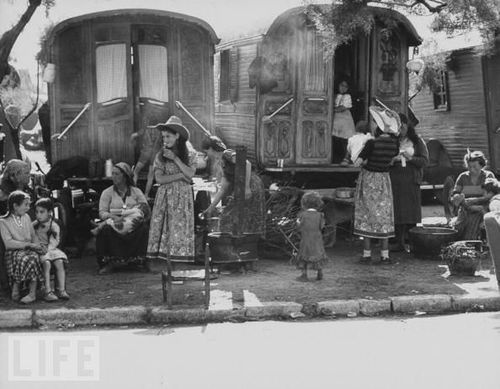
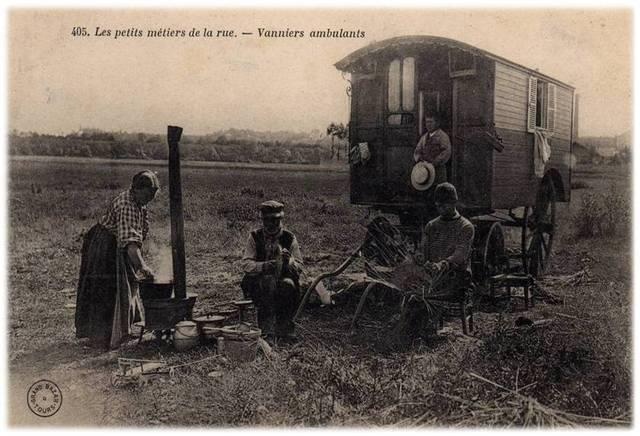
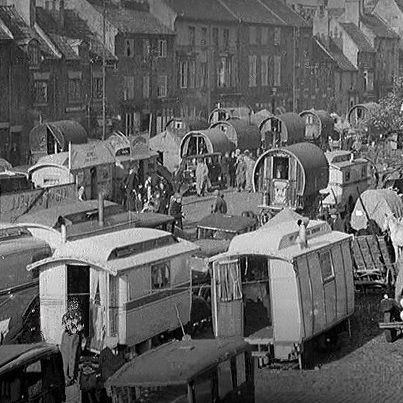
 And let’s not forget the people who keep this tradition alive. It’s all well to look at the staged “gypsy” wagons across the web, but it’s important to remember that these are truly home, made complete by their inhabitants.
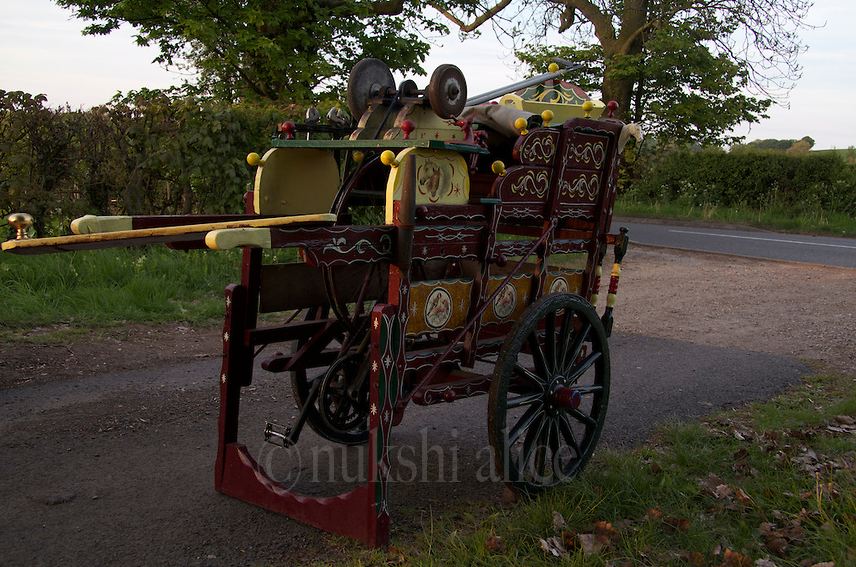 A way to make a living. I still remember the knife grinder who made his way around the city in St. Louis many years ago. His was not quite this flashy but had the housewives scurrying out with handfuls of knives and scissors when he came around. I suspect that’s a rare job in America today.
Many more images from this series and others are viewable on Nukshi’s website. Have a look and read the little story that accompanies the photos.





 Preindustrial Craftsmanship