A beautiful, but all too short of a film showing a master luthier at work.
Adventures of an Imperfect Man In Search of a Handmade Life

A beautiful, but all too short of a film showing a master luthier at work.
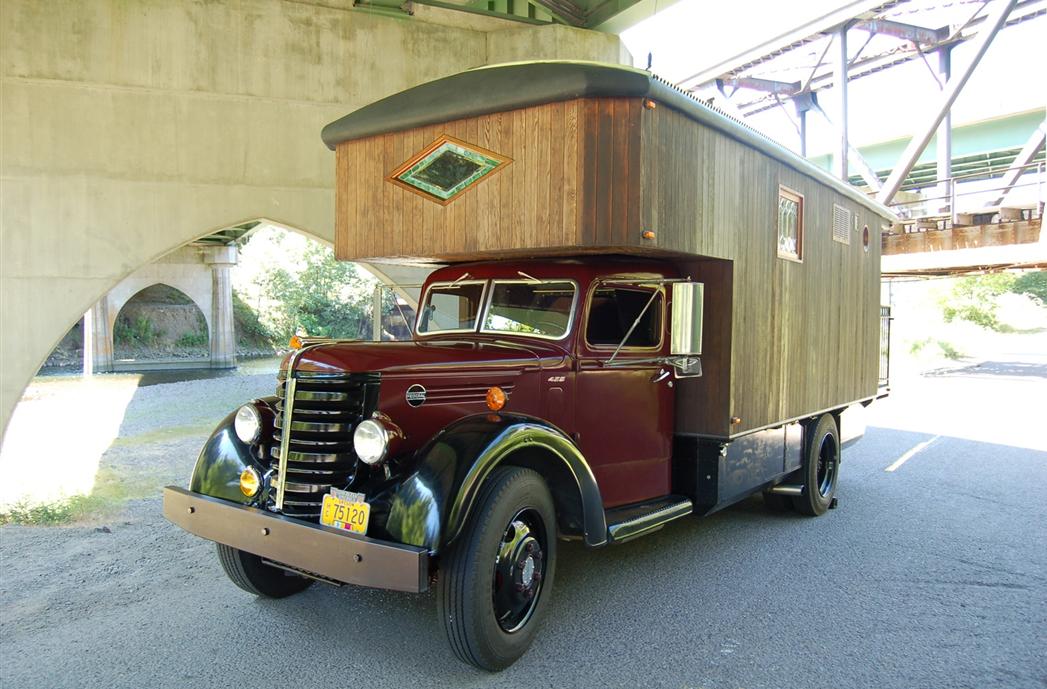 Not much info on this one. Here’s the link:
http://www.cheaprvlivingforum.com/post?id=6490162
This guy does amazing work. I could live here.

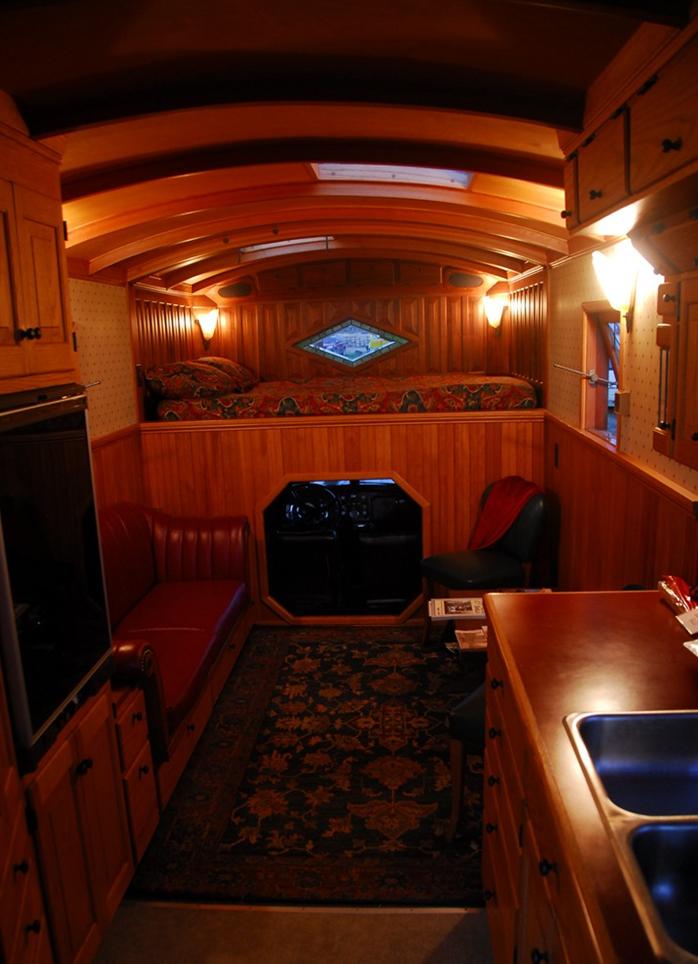
Another update from Kent Griswold’s website, The Tiny House Blog. This is arguably the cutest house in America, built by Ella Jenkins at the the Little Yellow Door website. Just over a year ago she made the big move into a small space and seems to be doing better than ever.
 Ella is a posterchild for tiny house living and it shows in her wonderful house and minimalist life.
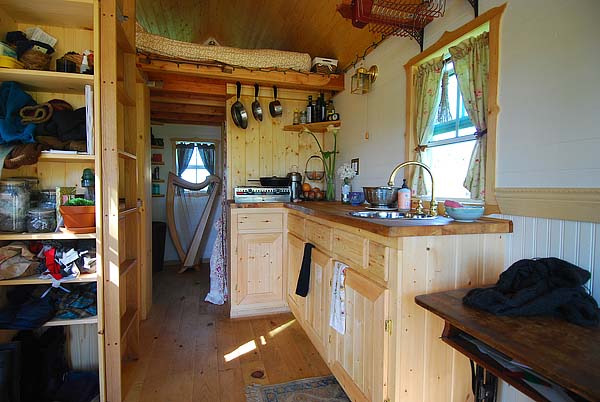

 So, if you love tiny homes and have a few minutes, check out her update on the Tiny House Blog. If you missed the earlier post with short video, check it out here. And finally, her own blog, telling a bit about her journey can be found here.
Here’s some images from a short eBook on woodworking by Peter C. Welsh. A quick read with some good stuff in it.

Not just eye candy, there is good information contained in this study of tools. But really, I’m just in it for the tool porn.

I particularly like the comparison of tools owned and used by actual people. For instance, in a Virginia workshop of 1709:
“John Crost, a Virginian, owned, in addition to sundry shoemaking and agricultural implements, a dozen gimlets, chalklines, bung augers, a dozen turning tools and mortising chisels, several dozen planes (ogees, hollows and rounds, and plows), several augers, a pair of 2-foot rules, a spoke shave, lathing hammers, a lock saw, three files, compasses, paring chisels, a jointer’s hammer, three handsaws, filling axes, a broad axe, and two adzes.”
A man could get a lot done with that tool kit.

In 1827, a Middleborough, Massachusetts, a carpenter lists his tools and their value. This is likely a representative set of tools for an actual tradesman of the time.
1 set bench planes $6.00 1 Broad Axe 3.00 1 Adze 2.25 1 Panel saw 1.50 1 Panel saw 1.58 1 fine do— 1.58 1 Drawing knife .46 1 Trying square .93 1 Shingling hatchet .50 1 Hammer .50 1 Rabbet plane .83 1 Halving do .50 1 Backed fine saw 1.25 1 Inch augre .50 1 pr. dividers or compasses— .71 1 Panel saw for splitting 2.75 1 Tennon gauge 1.42 1 Bevel .84 1 Bradd Hammer .50 1 Architect Book 6.50 1 Case Mathematical Instruments 3.62-1⁄2 1 Panel saw 2.75 1 Grafting saw 1.00 1 Bench screw 1.00 1 Stamp 2.50 1 Double joint rule .62-1⁄2 1 Sash saw 1.12-1⁄2 1 Oil Can .17 1 Brace & 36 straw cold bits 9.00 1 Window Frame tool 4.00 1 Blind tool 1.33 1 Glue Kettle .62-1⁄2 1 Grindstone without crank 1.75 1 Machine for whetting saws .75 1 Tennoning machine 4.50 Drafting board and square Bevel— 1.25 1 Noseing sash plane with templets & copes 4.50 1 pr. clamps for clamping doors 2.17 1 Set Bench Planes—double irons.— 7.50 1 Grindstone 300 lbs @ 6.25 1 Stove for shop—$7.25, one elbow .37 & 40 lbs second hand pipe $4.00 11.62 1 Bed moulding 2.00 1 Pr. shears for cutting tin.— .17 1 Morticing Machine 10.75 1 Grecian Ovilo 1.13 1-3⁄16 beed .67 1 Spirit level 2.25 1 Oil stone .42 1 Small trying square .48 1 pareing chisel .37 1 Screw driver .29 1 Bench screw .75 1 Box rule .50 1-3⁄4 Augre .41 11 Gouges 1.19 13 Chisels 1.17 1 small iron vice .52 1 pr. Hollow Rounds .86 4 Framing chisels 1.05 1 Grove plough & Irons—Sold at 4.50 5.00 1 Sash plane for 1-1⁄4 stuff 1.50 1 Copeing plane .67 1 Bead 1⁄4— .75 1 Bead 3⁄4 1.00 1 Rabbet (Sold at .92) .92 1 Smooth plane 1.50 1 Strike Block .92 1 Compass saw .42 6 Gauges 1.83 1 Dust brush .25 1 Rasp, or wood file .25 1 Augre 2 in. .76 1 Augre 1 in. .40 1 Do 3⁄4 .30 1 Spoke shave .50 1 Bevel— .25 1 Box rule .84 1 Iron square 1.42 1 Box rule 1.25 1 Spur Rabbet (Sold—1.17) 1.33 1 Pannel plane 1.25 1 Sash plane 1.25 1 pr. Match planes 2.25 1 Two inch chisel or firmer— .42 1 Morticing chisel 3⁄8 .25 1 Large screw driver 1.00 1 Pr. small clamps .50 1 pr. Spring dividers .92 1 do-nippers .20 1 Morticing chisel 1⁄2 in. .28 1 Ovilo & Ostrigal 3⁄4— 1.25 1 Scotia & Ostrigal 5⁄8— 1.08 1 Noseing— 1.08 1 Pr. Hollow & rounds 1.33 1 Ogee— 1⁄2 inch 1.00 1 Ostrigal 7⁄8 inch 1.00 1 Bit— .15 1 Beed 1⁄2 inch .83 1 Claw hammer .67 1 Fillister 2.50 2 Beeds at 5⁄8 1.83 1 Pair Quirk tools 1.50 1 Side Rabbet plane .83 1 Large steel tongued sq. 1.71 1 Saw & Pad .67 1 pr. fire stones .50 1 small trying sq. .50 1 Set Bench planes double ironed without smooth plane 6.00 1 Bench screw .75from “A Yankee Carpenter and His Tools,” The Chronicle of the Early American Industries Association (July 1953), vol. 6, no. 3, pp. 33–34.
I could ponder this list for a long time and find only a few things to add from our modern arsenal of gadgets and labor-savers.

Overall, Welsh does a decent job of outlining the changes in woodworking tools over the last three centuries, and provides great period illustrations too. Read the complete book for free HERE.

Wow. Simply wow. I’m happy whenever I see we haven’t lost our craftsmanship.
A beautiful short film about the maker.
Pieces of wood, love, knowledge and 299 hours of work, condensed in a 3 minute film.
вардо, that’s Russian for Vardo; and it certainly looks more interesting in Cyrillic. Searching some Russian pages for vardo information yielded a wealth of photos and some interesting information about Traveler culture in Eastern Europe. There’s as much fascination with the Traveler lifestyle in the largest country on Earth as there is on this side of the globe as we are more alike than we are different, despite what politicians might say.
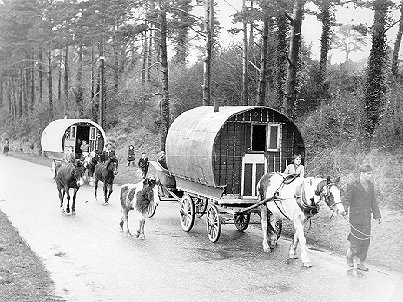 The enchantment that some of us have for life on the road spans the world. Our ancestors were all nomads but some seek the comforts of permanent roots.
 It’s only in our recent past to settle for a permanent dwelling when the Earth is our canvas on which we write our lives largely and bold. Most of us in the “New World” certainly wouldn’t be here at all had our ancestors been stay-at-homes or successful and steadfast. I think we have it in our genes to look for greener pastures.
 That’s why so many of us (1 in 300 according to U.S. statistical data) at some point in our lives choose an itinerant life against the image portrayed as “typical” and settled.
 This feeling is certainly not exceptional, from Reading Wagon to Winnebago, it’s relatively easy to make one’s home on the road.
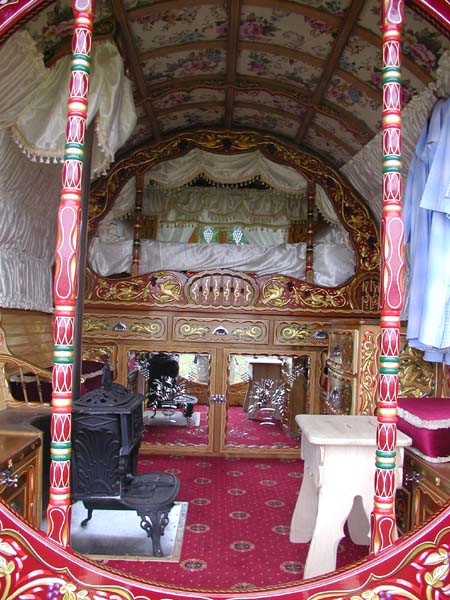 Maybe not as spacious as a spec home in Los Angeles but when the outdoors is your home then the real luxury can be limited in square footage.
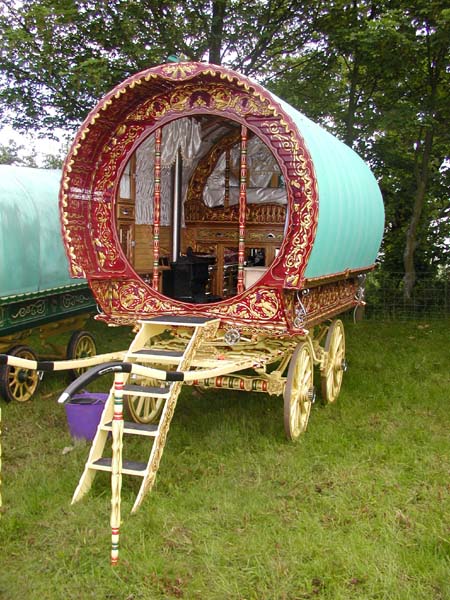 And, of course, there is the romance of the Road. Think of Steinbeck, Kerouac, McCarthy, or Tolkien; the great adventure stories of the Road that never ends. We need nothing but our rolling universe and the few things we bring along.
 For western Europeans, there is a special romance with the horse, wagon, and music that makes this lifestyle especially enticing to some, leading to the immense sales of caravans that will rarely see actual use but represent a freedom most of us may never get to know.
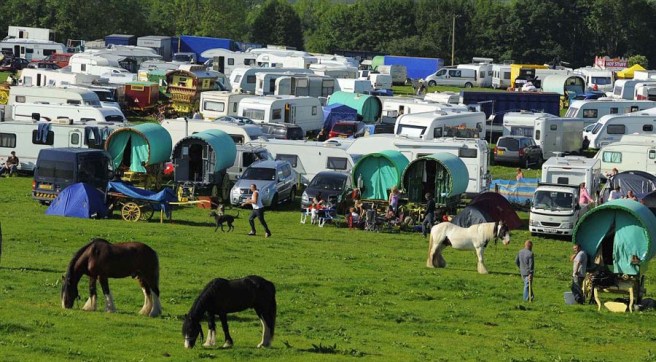
So if it’s in you, you are not alone in looking for some adventure on the open road that is your life.
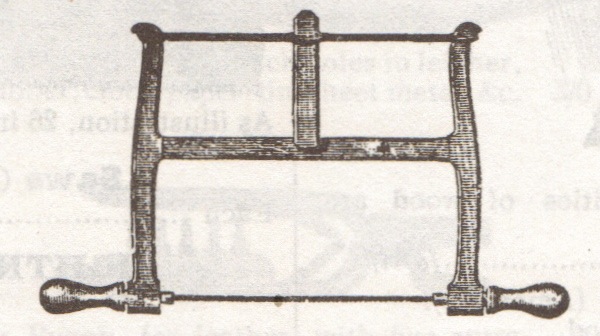
Bucksaws, bowsaws, and other frame saws are often lumped together into a single category in modern American or British English (unless you happen to be a traditional hand woodworker of course). And why should anyone care anyway? Bucksaws are replaced by chainsaws, bowsaws have become cheap, pot-metal, throw away abominations, and turning saws are replaced by band saws, scroll saws, saber saws, or even cheap coping saws.
The firewood bucksaw is the biggest of this family and one I’m glad to have in my toolkit. Yes, I still own a chainsaw but find I use it less and less in favor of the quiet bucksaw that takes no petroleum and spews out no noxious fumes. I have read that most homes kept a big bucksaw handy as the easiest means of creating firewood and I can certainly understand why this would rank above the axe for cutting logs to length.
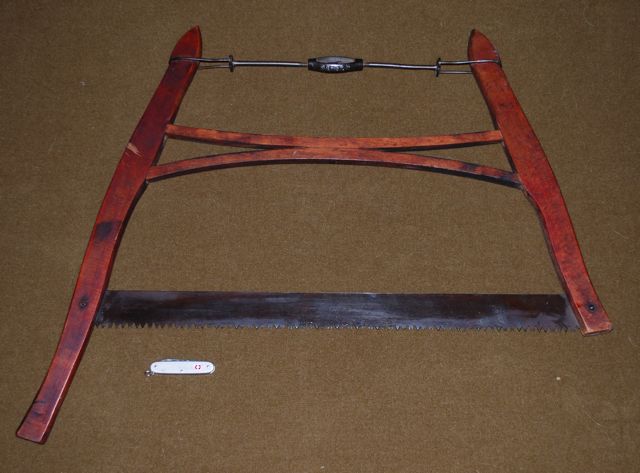
Skipping even the practicality of being able to make your own excellent tools for a few dollars (or less if you are energetic), there is a great beauty and practicality in this ancient design that our ancestors hit upon a couple thousand years ago. The basic premise of this design is to create a structure that will put a very thin strip of serrated metal under immense tension to simulate the stiffness of a much thicker material.
I regret that we’ve come to a point in our history where making a tool is odd, yet making something with our tools is not (yet). Where working for hours at some other thing, we get tokens of cash to purchase something we could have made ourselves in far less time and probably less energy spent. I believe Thoreau was on to this sort of thinking.
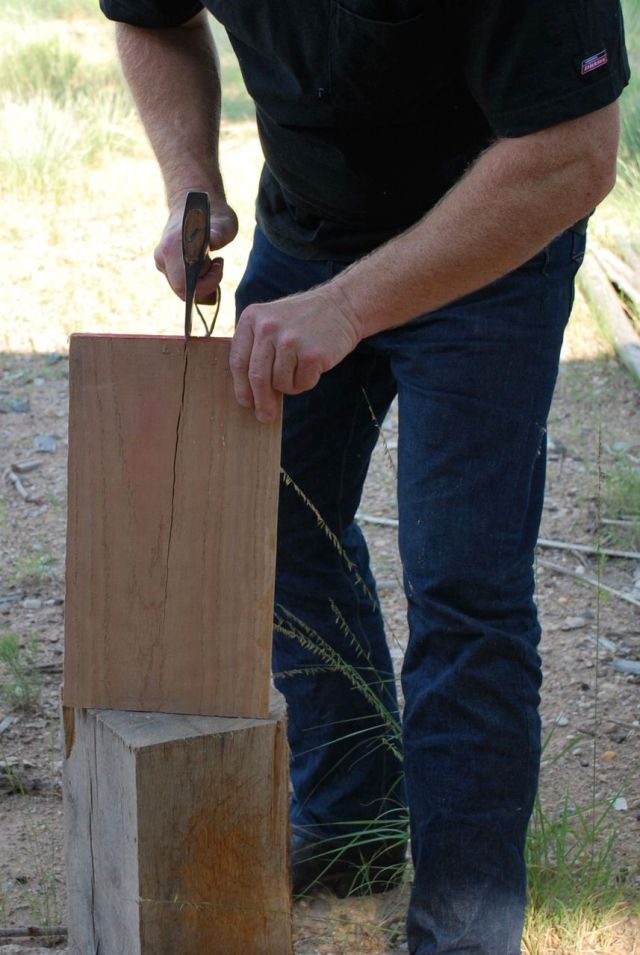
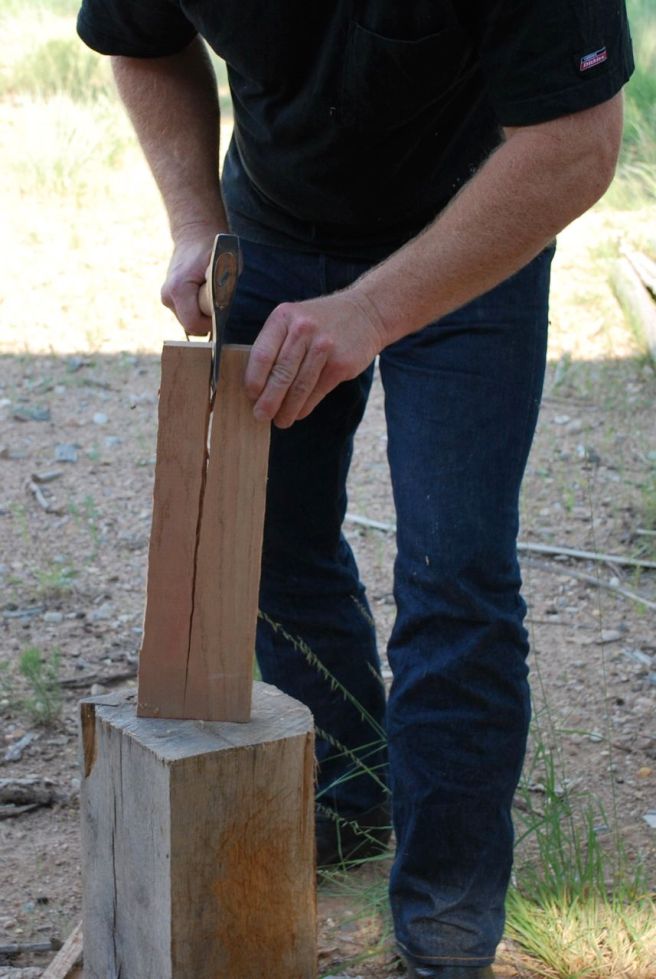
Choosing a length of straight-grained oak in this case, an axe is, by far, the fastest method of reducing it into the constituent pieces for the saw parts. This is far faster and better than sawing, creates no noise or dust, and ensures that each part is exactly in alignment with the grain.
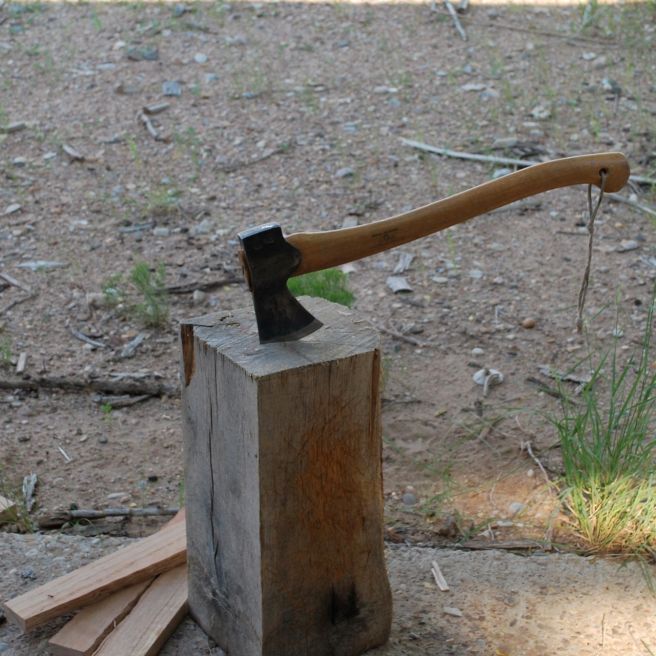
For a quick and dirty saw, these could be worked almost instantly into the mortice and tenon. However, as we always intend to make a tool we will cherish and pass on, some shaping is in order with an eye for form and comfort.

I have a file of templates I keep from past projects so I don’t have to continually reinvent these things and I highly recommend this. I find it helpful to write the details on the card stock, as well as label and date them (the notes on the one above are on the underside). Now comes the somewhat tedious task of shaping the arms for which I didn’t take a photo (maybe I’ll remember next time). I saved a few minutes by using the belt sander to taper the upper portions of the arms to save on shaping later.

After marking up the arms, I cut the mortices with a bench chisel. These are easier than many people think but do take a very sharp chisel and a little practice.

I used a 5/16″ doweling bit for this as it leaves a very clean, precise hole for the 1/4″ brass rod to run through and turn freely.
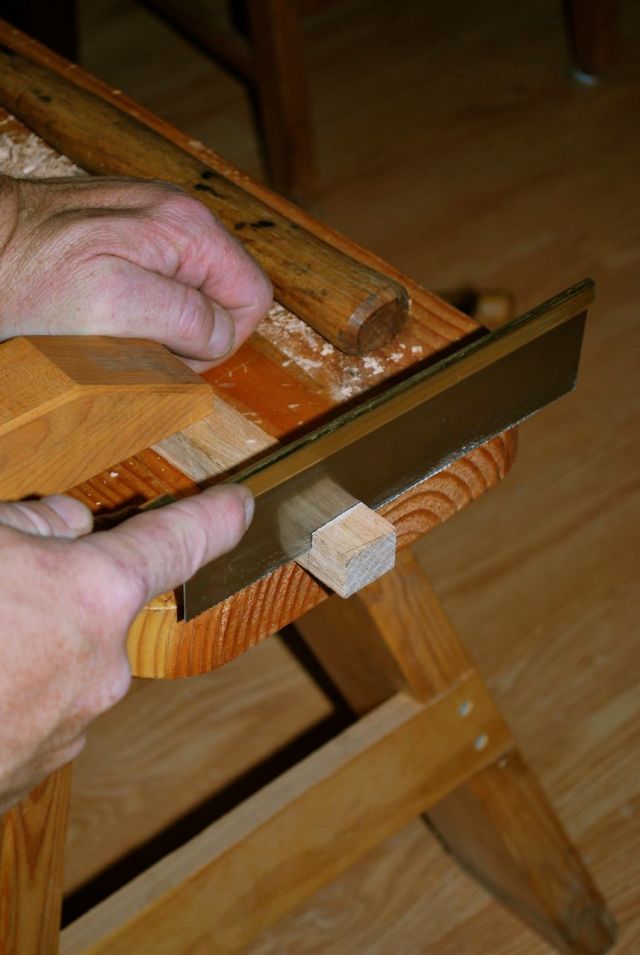
Cutting the tenon is very easy if the lumber is split precisely with the grain as opposed to sawn out on a table saw (ignoring the natural grain). After the cheeks are cut, its a quick matter to pop off the waste with a sharp chisel.
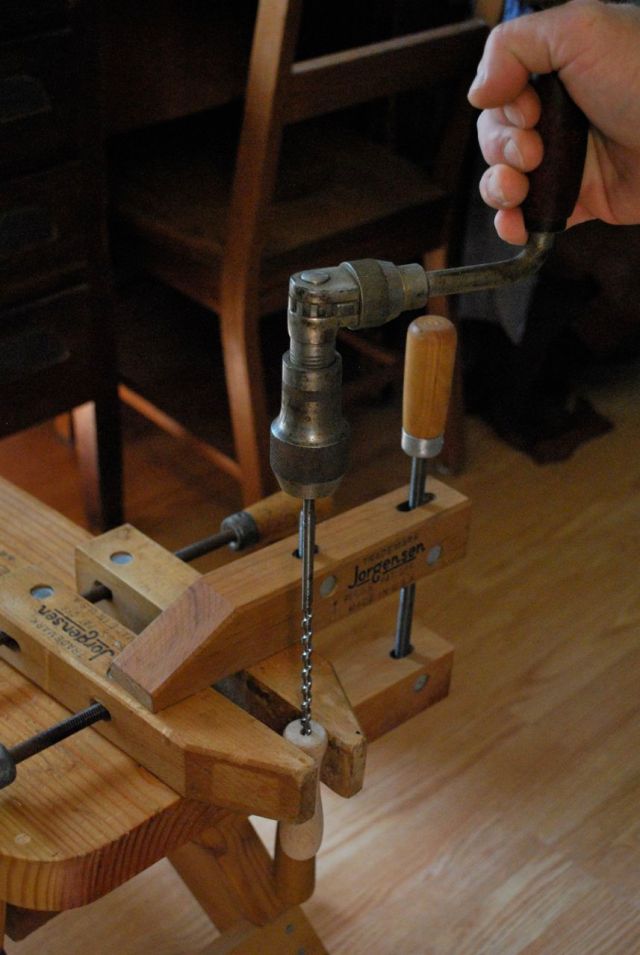
I used a spare file handle for the primary handle. A 1/4″ hole is augured about 1 1/2″ deep for the 1/4” brass rod that will become the connection for the blade.

The rod is driven into the handle and will be cross-pinned for security.
Come back for Part 2.
 Preindustrial Craftsmanship