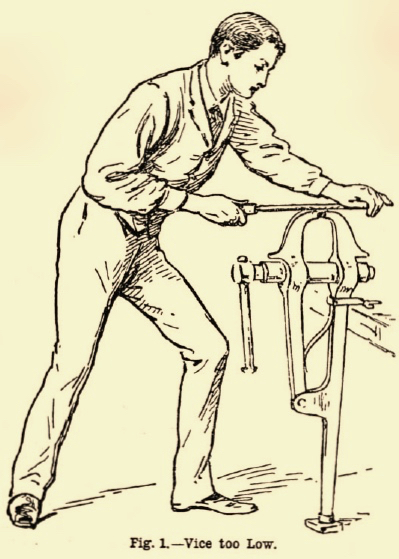
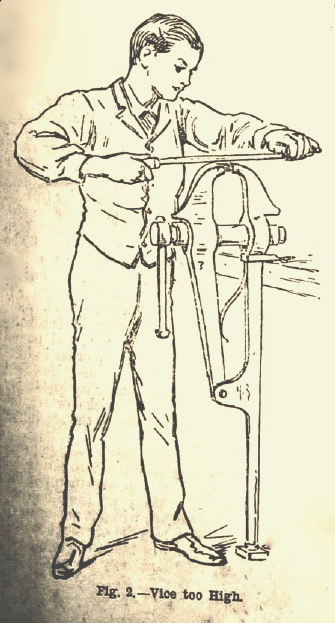
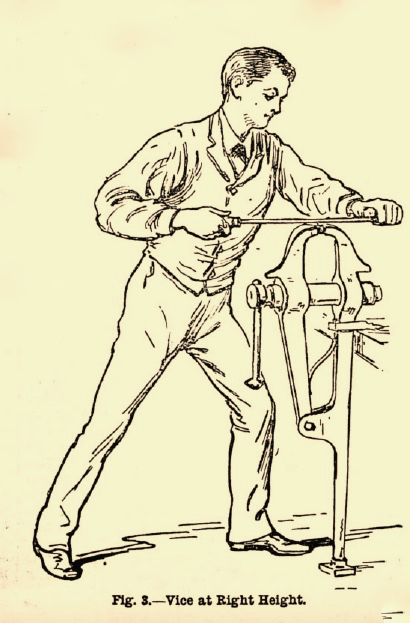
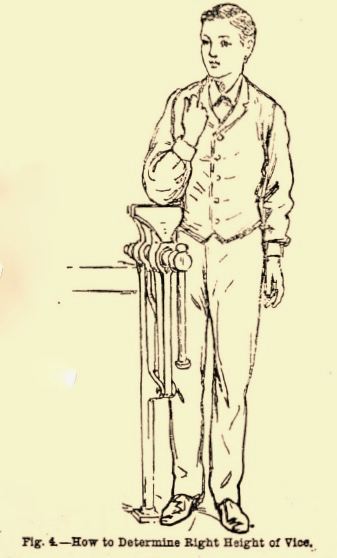
When setting up shop it is important to set your tools and surfaces to the optimal working height. Here is some advice for setting up your mechanic’s vise for best use.
Now, get to work…
Adventures of an Imperfect Man In Search of a Handmade Life

When setting up shop it is important to set your tools and surfaces to the optimal working height. Here is some advice for setting up your mechanic’s vise for best use.
Now, get to work…

A tiny accommodation, side entry single horse style. It is documented that the adults with this style wagon generally slept outdoors except in very bad weather. It was a good way to confine the children and the valuables.
This is part of a series of images, mostly Romany, Irish and Scottish Travellers collected from around the internet. Many of these historic images found on the web are without citation. When a clear link to a source is found, I try to include it. If a source is known, please pass it on and I will gladly include it or remove it if necessary.
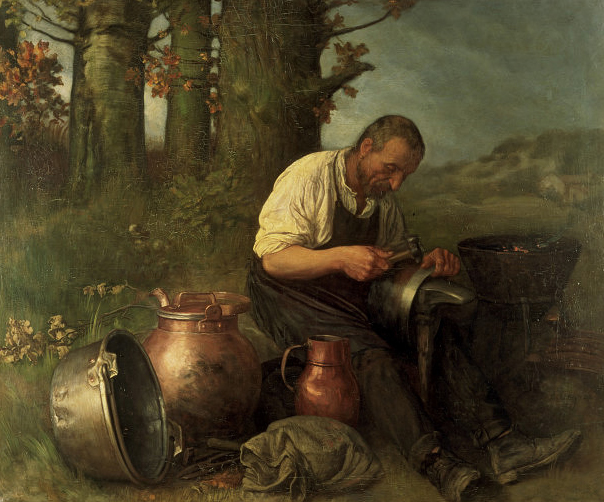
A painting by the Scottish artist John Burr (1831-1893). Tinkers were originally tinsmiths or “tinners”. One of many itinerant jobs pursued by a class of casual laborers. These were mostly skilled and specialized crafts like basket making, shoe repair, leather work, and metal work but many poorer workers were migrant farm labor picking hops and tending the market gardens during the peak harvest. The fellow in the image above appears to be a fairly well-off repairman mending a seam in a pot. This from a time when new items were a rare purchase.
I love deciphering images like this for the details of domestic life. Unlike most photos, there is real intention in what the artist chose to include or not in the painting. The house is clearly a poor one but a freshly killed chicken hangs from a nail on the wall by some dry roots. A handmade broom leans against the wall next to a basket that has the tradesman’s coat lying across it. The oldest daughter tends the infant while the mother stands by the laundry basin with a toddler behind. All the children look on while the novel worker plies his trade in a waistcoat and hobnail walking shoes.

I really like everything about the image above. We see three very different types of wagon-home-conveyances and a family, wearing clothing of the time. Travellers on the margin of mainstream society have been shunned, persecuted, and culturally dismissed while at the same time romanticized for their freedom and seeming lack of attachment to a more mundane life. I am glad to see a revitalization and pride from reconnecting with family roots.

People who have lived “off-grid” so to speak often have few documents or any official standing, making family histories more difficult to trace. Hospital records, cemetery documents, or government permits, such as the Pedlar’s Certificate above, are the only way for many to trace their ancestry.

Fortunately, there is a concerted effort in Britain by the Romany & Traveller Family History Society (RTFHS) to create a clearinghouse for descendants of those often overlooked by the mainstream.
About the RTFHS: Back in the early 1990s, a group of keen family historians with British Gypsy ancestors first met at a Gypsy family history conference organised by the historian and author, the late David Smith. Until that moment we’d all thought that we were pretty much alone in trying to trace our travelling ancestors and that there was no-one out there to learn from or share our experiences, trials and tribulations with.
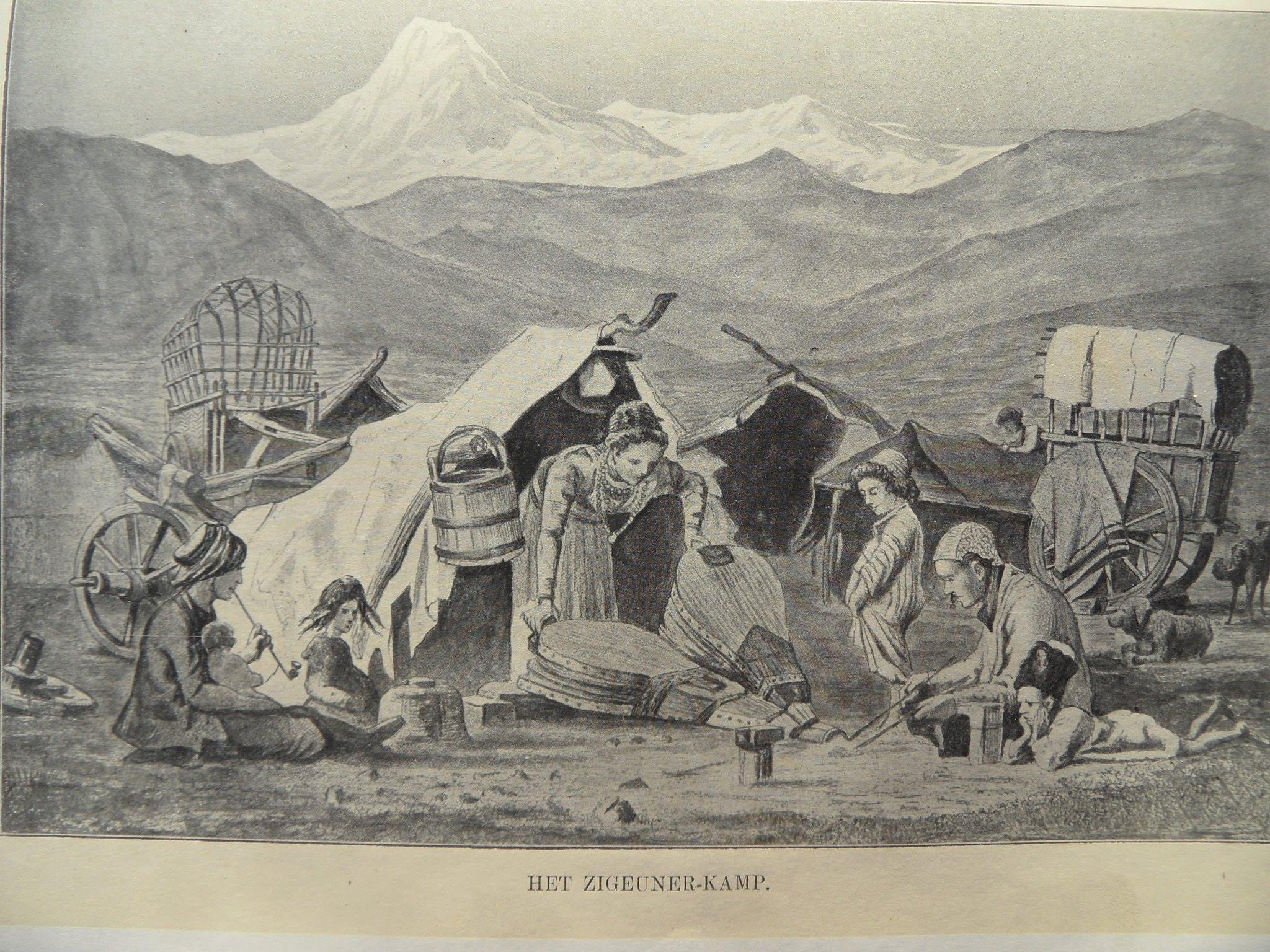
I don’t have much information about the image above but I like what it is depicting. Mom working the bellows while Dad heats up something he’s working on while the kids all look on. Like most travelers in Europe, these (probably Roma) don’t have fancy wagons or accommodations; just carts and some rough tents.
We fear what we don’t understand. Even though people like this have been ostracized and persecuted for centuries, they filled a vital role in society catering to the poorer elements as blacksmiths, tinsmiths, cobblers, basket-makers and more.
A short film about a great craftsman. I like this one because the project documented here is so unusual. The almost forgotten art of the tinsmith.
And a longer one that is really worth watching. It’s a treat to see someone who knows his business so well. A dying breed of traditional artisan.
“This is a video of County Mayo native Ted Maughan demonstrating his immense skills as a Tinsmith. Ted is a member of the travelling community and has kept this great craft alive for many years. His work is a credit to him and this is only a small example of the quality work that Ted is able to carry out.”
We just don’t value the artisan or craftsman the way we one did. The Industrial Revolutions have wrecked havoc in our culture.
Instead of this:
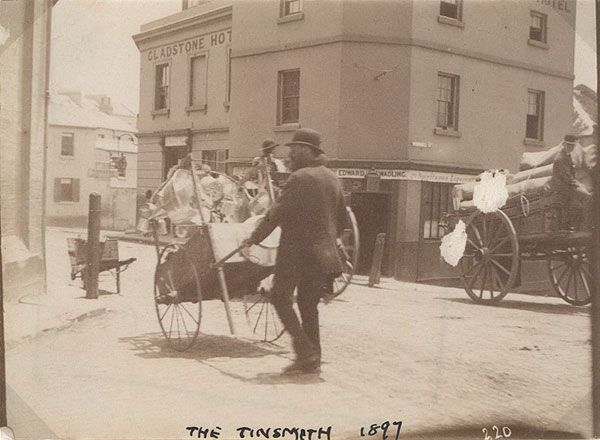 We opt for outsourcing, mechanizing, and abstracting our purchase. These days, for now, are lost in the Industrial world.

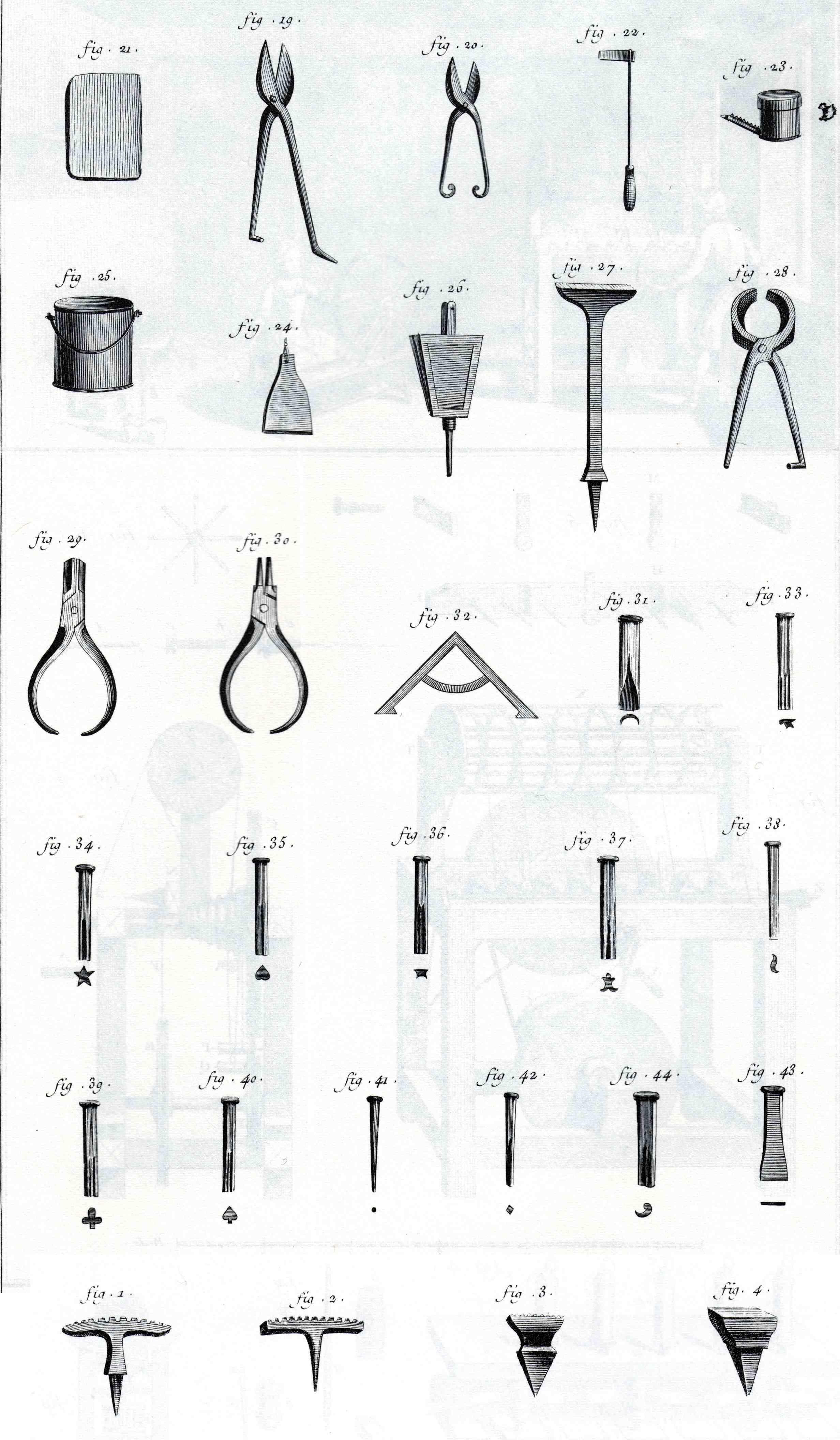
 Stump anvils, stakes, hammers, lamps, mandrel, soldering iron, and other goodies galore. Diderot never missed a lick and this is as good as any. From Diderot and D’Alembert 1763 Encyclopedia of Sciences, Arts and Trades. One of my favorite resources.
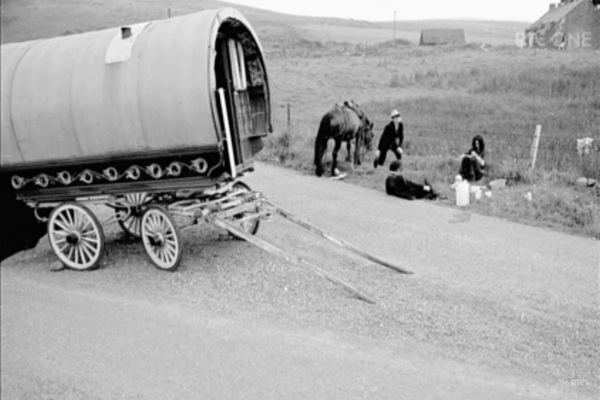
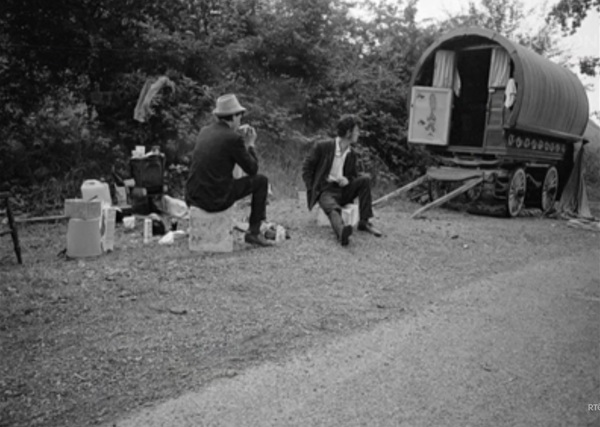
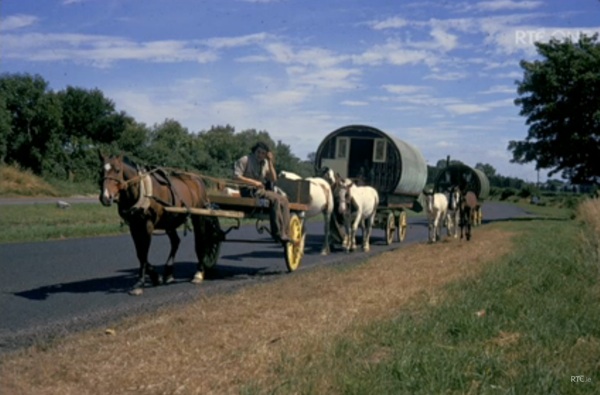
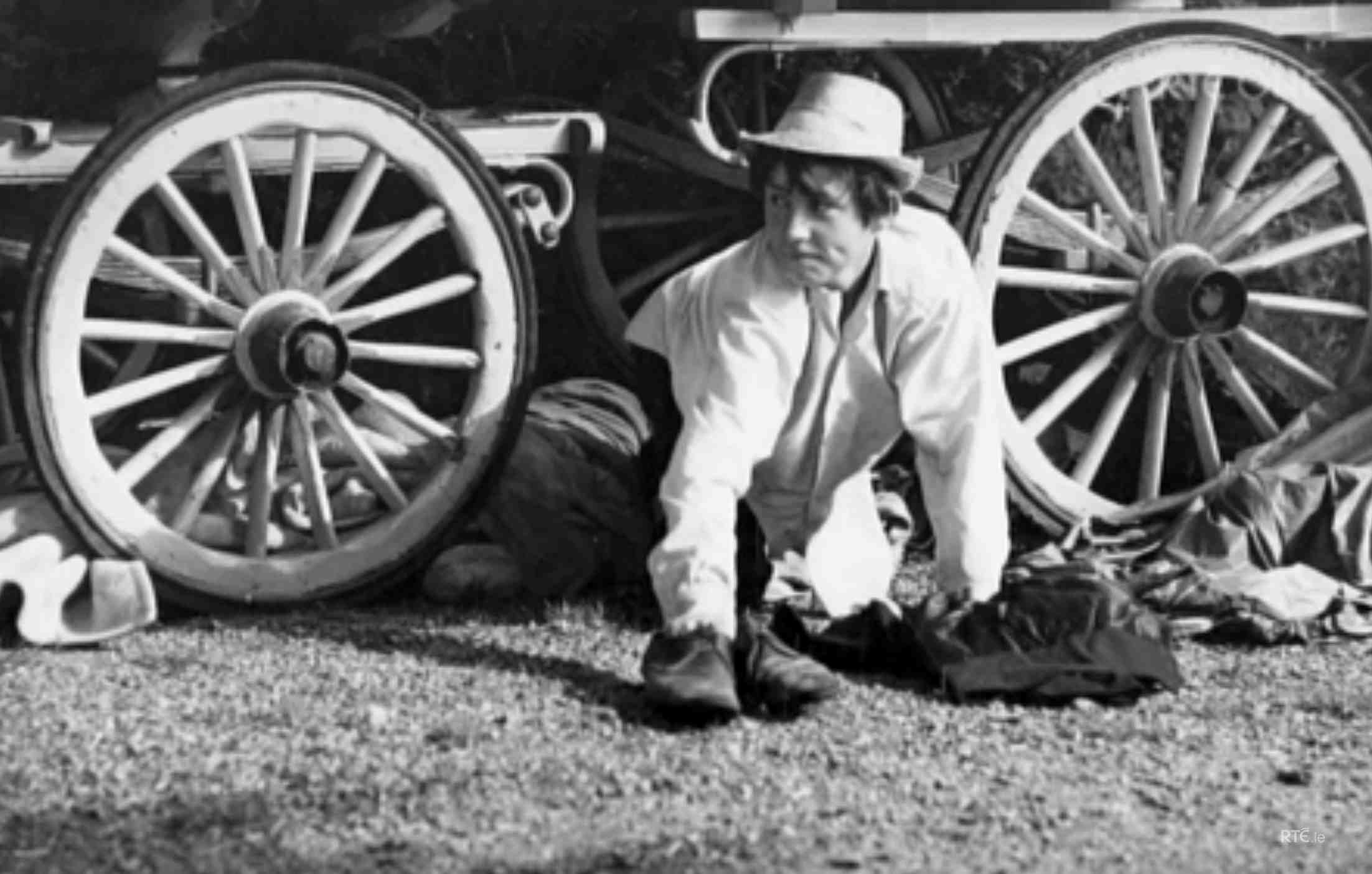
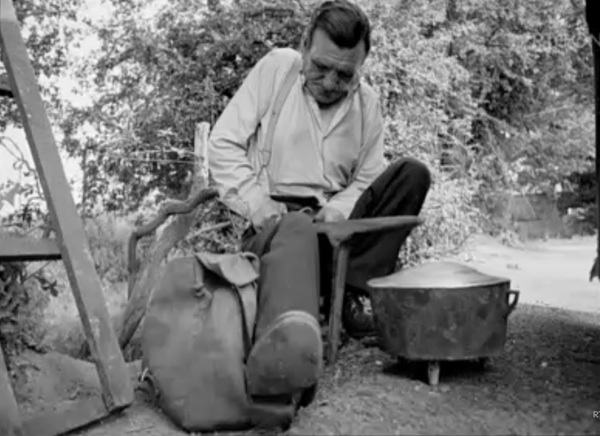 Screenshot images from Tinker to Traveller, a documentary about “Two Californian anthropologists who spent a year living with the travelers on a Dublin site in 1970 return to Ireland to learn what has happened in the intervening years.”
 Preindustrial Craftsmanship