The arts and crafts of bow-making and arrow-making are alive and well. If anything, they have grown in quality and quantity in the 30 years I have been involved in archery. I, like most of the other bowyers I know, learned in relative isolation with very little printed information available. After a few successful bows, I was lucky enough to find a copy of James Duff’s 1932 classic Bows and Arrows which explains the English Longbow in great detail.
After making a couple dozen bows of various styles, I began to make arrows and realized that this is where the real magic happens. A bow is simply a leaf spring that stores energy applied slowly by the archer and (hopefully) returns that energy very quickly to launch an arrow. On the other hand, an arrow is a work of art and craftsmanship that undergoes tremendous force during acceleration and should be able to survive the trauma of slamming into a target at speeds approaching 200 feet per second (135 mph or 220 km/hr). On top of this, a good arrow must have some weather-proof qualities to handle massive temperature fluctuation, damp grass, heat, sun, and possibly rain.
I mention this because to many people I speak to just getting interested in archery, that to make a bow is the holy grail of primitive technology. For me, it is that creation of a matched set of 12-24 arrows that work well for me and my bow and will hold up under hard use. Yes, there is something cool in making a great bow, but building a good arrow is far more important.
On that ramble, here are a couple of good links I recently stumbled across on the internet.
Bow Explosion is a German website from a bowyer working in the Black Forest with and interest in flight shooting.
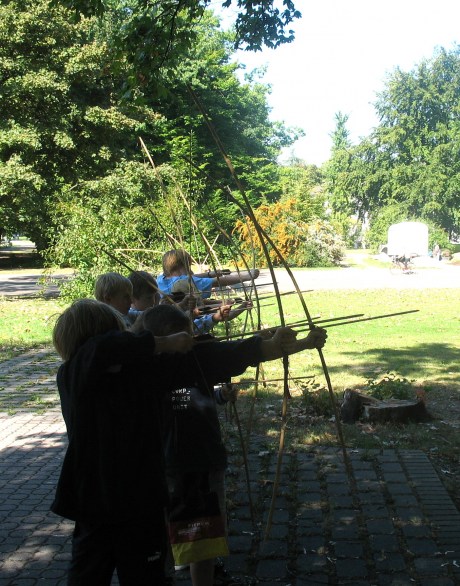
Ashbow has an excellent Picasa Web Album documenting some excellent archery and other primitive technology skills.
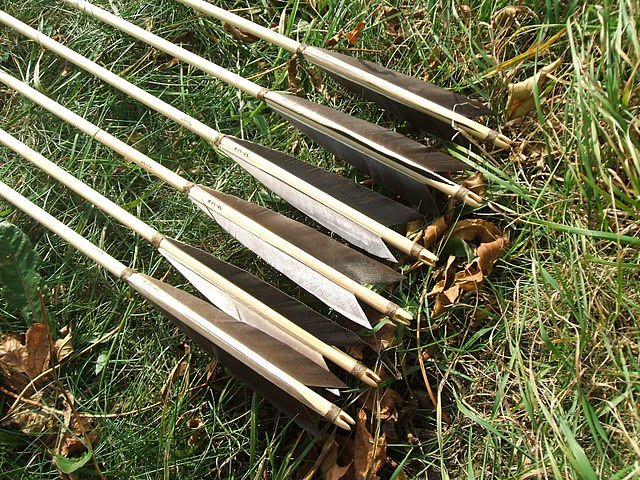
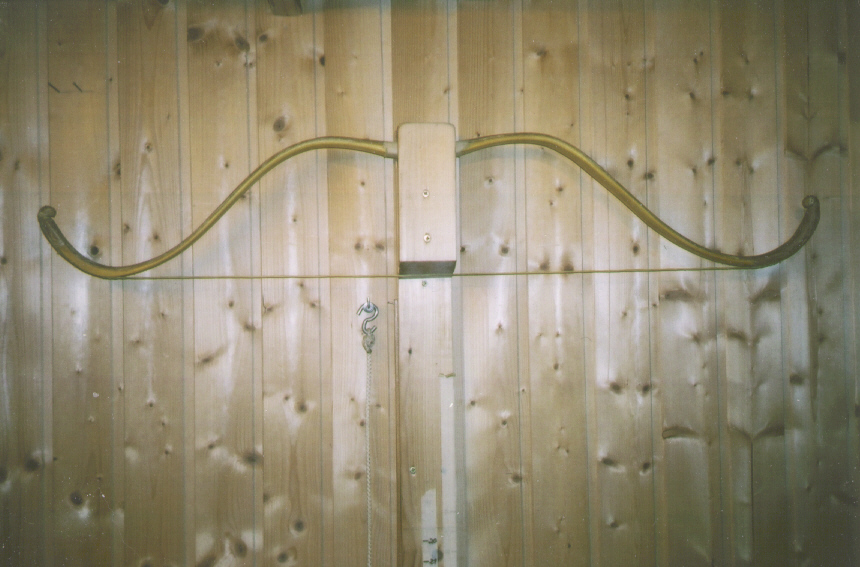
And I cannot say enough good about the ATARNnet. The forum of the Asian Traditional Archery Network. There is a load of great information there about Asiatic archery, from Scythia to Japan and everything in between.


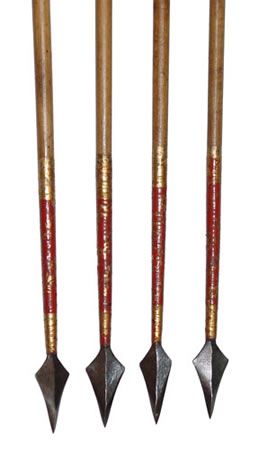


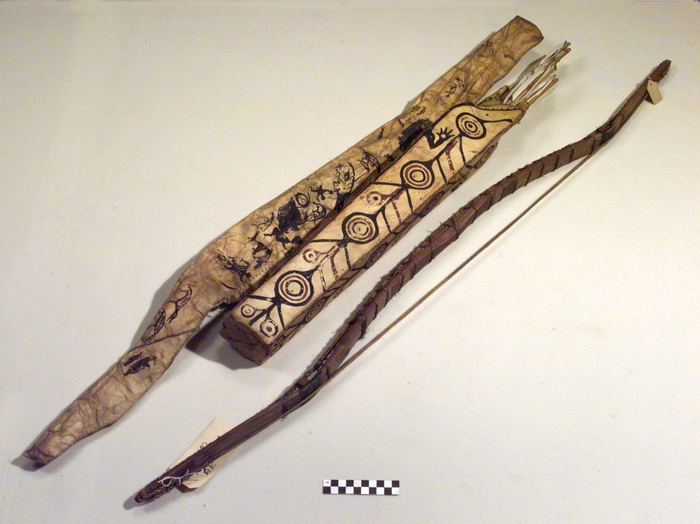


 Preindustrial Craftsmanship