
Surrey Caravans for Sale
Adventures of an Imperfect Man In Search of a Handmade Life


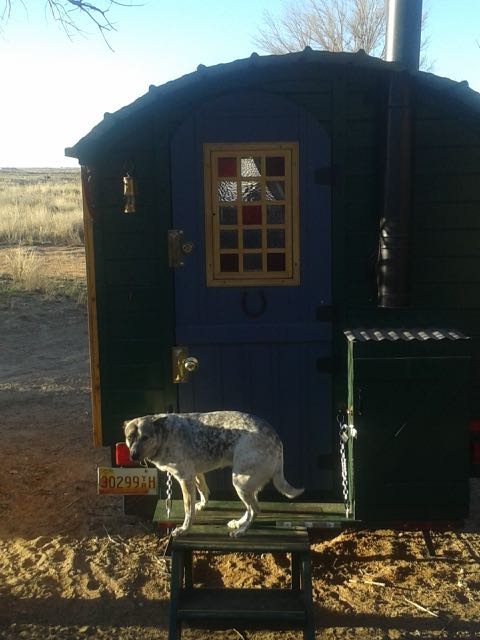
Some important facts about caravan living before the ultra-modern RVs came along that may help people understand some of the choices I have made about my own wagon:


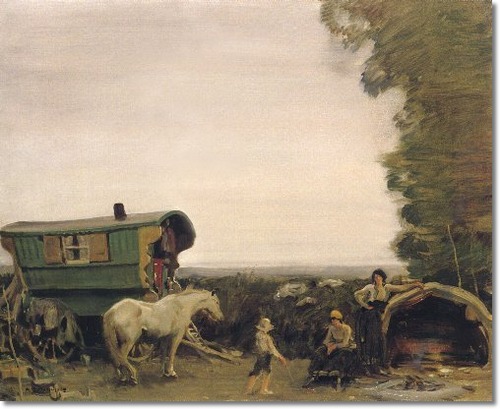


Then as today, a conscientious traveller uses a fire pan to prevent scorching the earth by the roadside. Mine is an old plow disk.


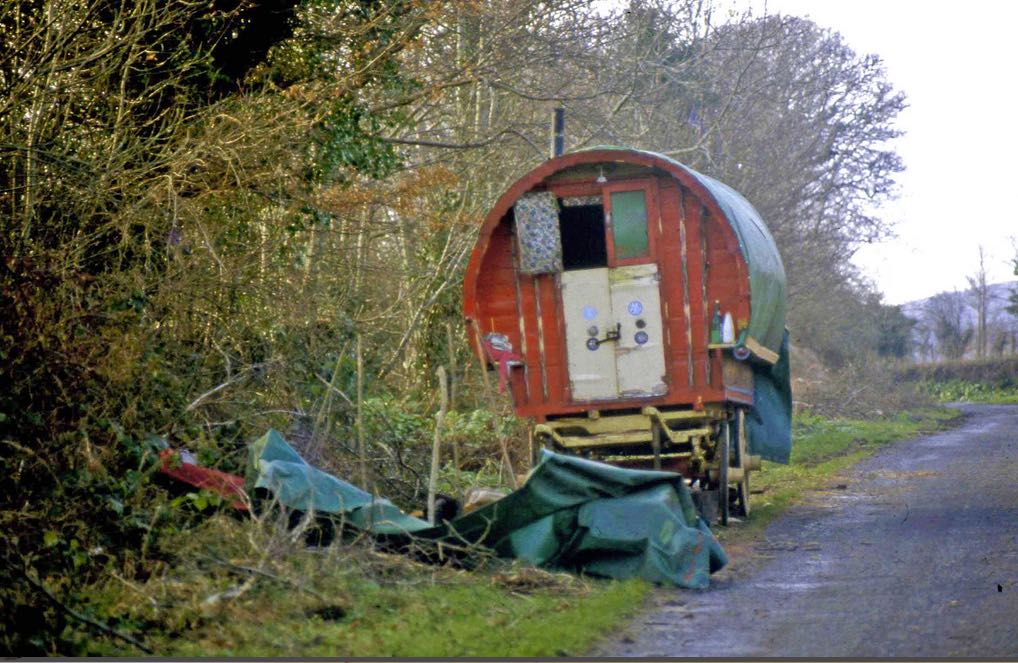
And finally, above are a few examples of outside extensions added to late 19th century caravans across Britain exhibiting the functionality of canvas to extend the living space in less-than-perfect weather.
A beautiful song to start the day. Released 45 years ago and now it has come full circle. Listen to this compilation from Playing for Change.
I’ve been remiss in posting much on the blog or finishing promised articles to certain parties but that’s not because I have been idle. On the contrary, I’ve been too busy to keep up. Piles of drafts are poised on the laptop while real work is getting done. For the moment, I should say that all my furniture, accoutrements, goo-gaws, and accessories are going mobile. We’re pot-latching much of our big stuff and making our lifestyle “campaign ready.” Presented here is s preview of a planned update about nomadic furniture.
After living with the prototypes for several years, I know what I like, what works, and what doesn’t.
I’ve been making folding camp furniture. The stools are sometime called “pea-pickers”. They were somewhat difficult to figure out without a plan but some photos of others and experience making other furniture helped.

They’re not as easy to make as I thought they would be. The holes must be very precise and dowels tight-fitting. If everything isn’t square and precisely cut, the stool just doesn’t work.

This is their beauty. They fold flat and have an integrated handle. They can be made just about any size and out of any straight lumber. My first one is made from scraps from around the workshop. These later ones are from premium pine.

Seventeen pieces, twelve holes. Stick ’em together. Sit. Mine are sturdy enough to use as a step stool, with some caution due to the narrow width.

A table of similar construction. The top is about 22 x 46″. I made…
View original post 27 more words
Simplicity in poverty.
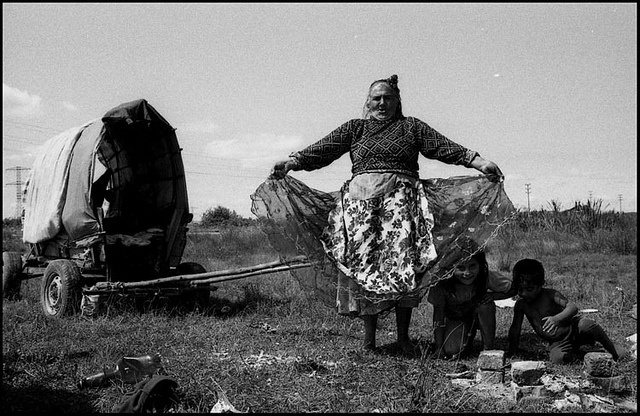
This wagon is about as simple as it gets yet is obviously relatively modern judging by the running gear and the electrical tower in the background. A classic three stone hearth lies is the focus of the children’s attention.
This is part of a series of images, mostly Romany, Irish and Scottish Travellers collected from around the internet. Many of these historic images found on the web are without citation. When a clear link to a source is found, I try to include it. If a source is known, please pass it on and I will gladly include it or remove it if necessary.A cute traveler kid and a hungry looking dog in Surrey.
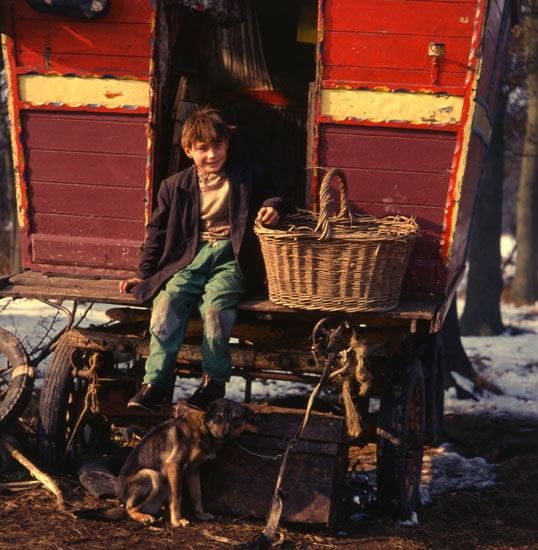 Surrey in the 1960s.
Here’s a beautiful trestle table coming together in Andy Rawls’ studio; spotted on his Tumblr this morning.
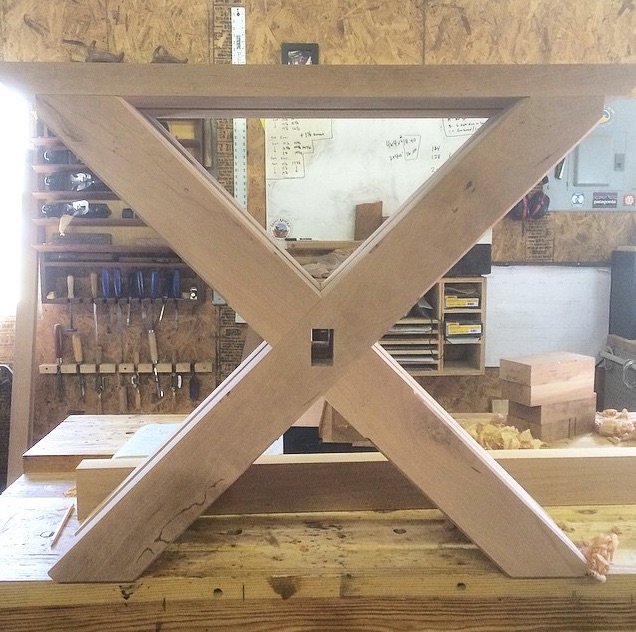 Seeing this makes me realize I can’t wait to get some projects done over the three day weekend. It makes me a little sad to say something like that. Choosing a job for pay instead of a love for what you do every day. Of course, the grass always looks greener…
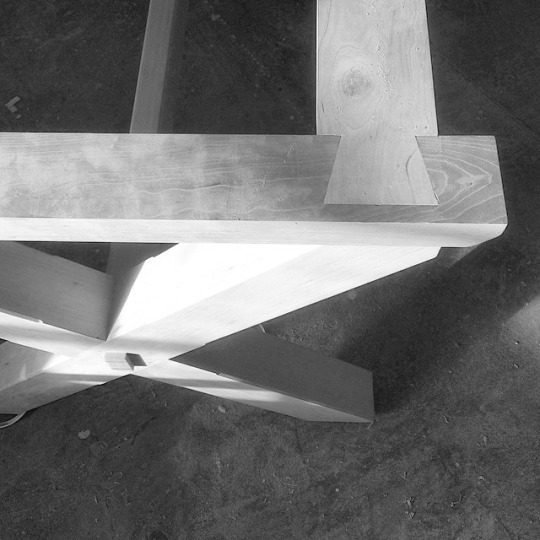 This will be one solid table and will last for ages if treated well. This kind of craftsmanship has slipped away from most of our daily lives. You won’t find this at a big chain furniture store. Have a look at more of his remarkable work by clicking the link below.

A simple, short tune that in the hands of master craftsmen becomes truly great. And it’s a real American Classic. I guess the South isn’t all bad.


 Preindustrial Craftsmanship