The Chart of Hand Tools

I rarely (I mean almost never) go out of my way to endorse a product of any kind but while considering the upcoming holidays I came across this link I saved a while back.  I think it would be perfect for the workshop and is a work of art in its own right.

I can imagine it over my new workspace or even hanging on the wall in the den to be pondered while dreaming of building something worthwhile.  It’s called the Chart of Hand Tools from the Pop Chart Lab, “printed using 100 lb archival recycled stock certified by The Forest Stewardship Council, this poster is pressed on an offset lithographic press in Flatlands, Brooklyn.”  Sounds good so far and I love how they are actually grouped in logical sets by basic function.  That satisfies the analyst in me.
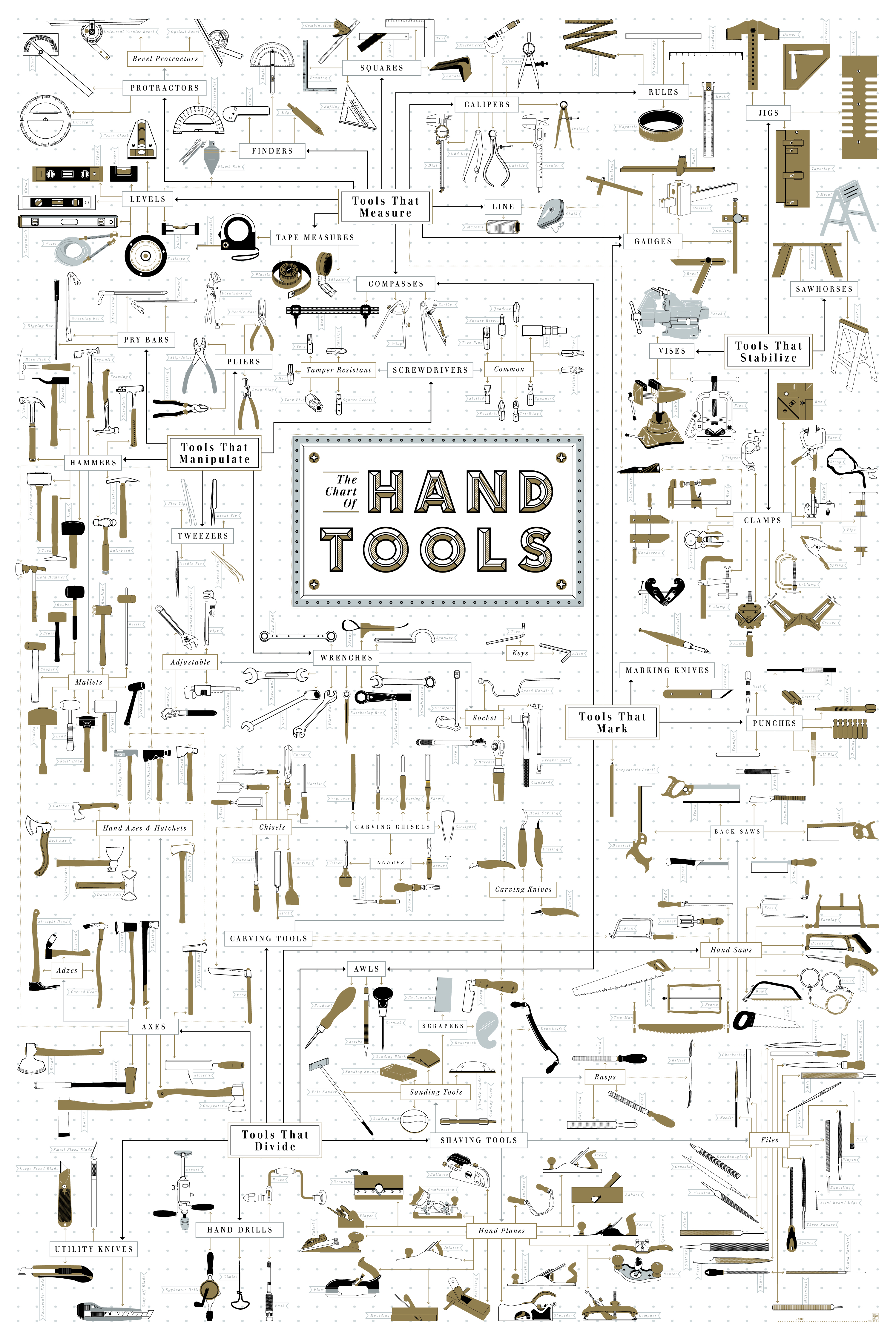
HandTools
Click the image for a larger version or the link to get yours today (or to send me one!).

Here’s some information from Pop Chart Lab’s website:

With over 300 meticulously illustrated tools this chart celebrates the tinkerers and the doers: those who build, repair, and create. Breaking down all manner of hand tools by their basic function, this sprawling print covers the most basic, such as the humble yet mighty hammer, to the most highly specialized, such as the 24 types of files depicted here. A hand-crafted compendium of ingenious and essential devices, this chart is a complete cut-list of the tools that empower makers and artisans. —And the chart is printed with brass and aluminum metallic inks to give it a shop-ready sheen.

Size 24″ x 36″

Each print is signed and numbered by the artists, and comes packaged in a Pop Chart Lab Test Tube. 

At $37 U.S. it seems like a great addition to any Maker’s house.  I hope my own Santa Claus or Krampus drops one off at the shop this winter.  I better start being good for the Yule-tide season.

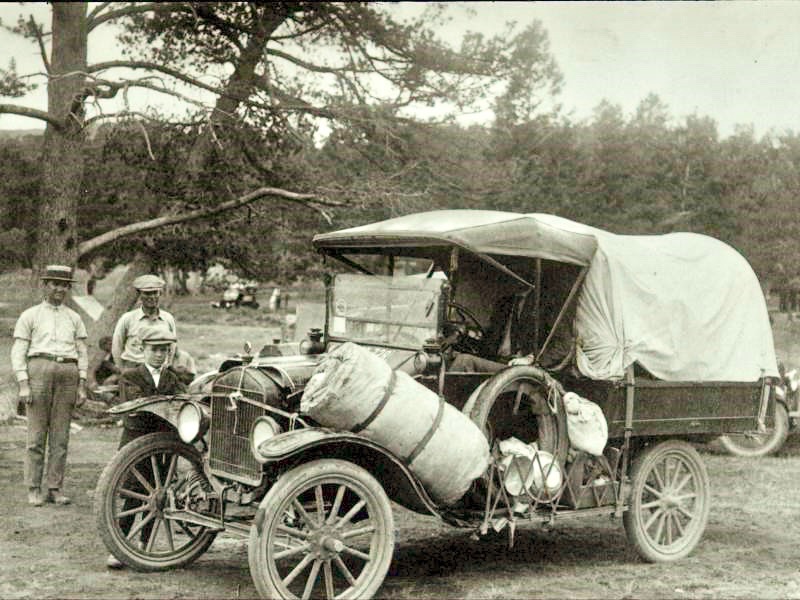
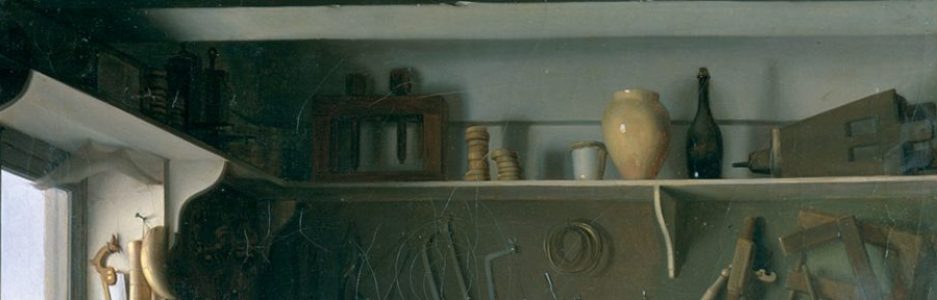
Motor Car Tool Kit ca. 1907

I keep a couple tool rolls for specialty fixes but I really like this setup from over a century ago.  I think I need to make and “essentials” kit like this for general travel to keep the tings I truly need in need place and handy.  It might be a little heavy for the rambler on foot but could be invaluable on the cycle or in the truck.

1907Tools-107
From The Army and Navy Co-operative Society Store, London 1907.

I think I would need to make an image of each tool in its place as I have found in my other bespoke tool kit that the loops and pockets all start to look alike when there are too many empty ones at once.  The only potential problem with tool rolls is that they can get thick and bulky in a hurry if you aren’t careful with what you put in them.

Fire Hose Tool Roll
Duluth Trading Company’s tool roll available for about $50 US.

I find that tool rolls aren’t that valuable when working from the home shop as they take up a lot of surface but are a very handy way to travel and stay organized on the road.  I use four tool rolls myself currently, one for holding large brace bits, one for wrenches (mainly for working on the scooter or truck), one for chisels, and one for carving tools.

With a little forethought, I think a traveler’s kit like this could be very useful.

A Perfect Vardo

Desert Dream

This is a beautiful photo of Travellers in Britain, 1950.  I came across it a while back while searching out vardo images for my own inspiration.  This one has some great details and has a distinctive Scottish feel.

There’s a flag of the Scottish Caravan Club flying on the roof and some great signage on the walls as well as the typical harness brass horse shoe on the door.  I would love to find out more about this one.  Comments?  Thoughts?

Dugald Semple and a Simple Life

I would like to re-share this older post I wrote about a caravaner, scholar, and philosopher I am quite intrigued by – Dugald Semple

Dugald Semple was a Scottish philosopher of the early 20th Century and an advocate for simple living.  After becoming and engineer he took to the woods and, for a period, a life on the road, living in a tent and in various caravans in order to write and travel and avoid the enslavement of increasingly urban society.

Semple on the beach.

His major question was always “How ought we to live?” an ancient subject for thinkers the world-over and a very important topic in Asian philosophy as well.  His teachings are interesting and he still has a serious following of vegans, fruitarians, and Christian Phlosophers around the world.  He apparently never ate meat, eggs, or cheese, and subsisted on a mostly fruit diet.  It clearly worked well-enough, as he died at the age of 79 in 1964.  Not bad, but think of all the bacon he missed!

DugaldSemple

Of course, my interest in Dugald lies primarily in his simple lifestyle and his fondness for caravans and living in the open.  He married well.  Cathie, his wife was a widow who was independently wealthy, owning a large house and grounds.  This certainly contributed to the success of the life-long experiment in simple living.  Even as he settled down, he still philosophized and associated with his old friends who roamed the countryside and set up guilds of craftsmen (Nerrissa Wilson, Gypsies and Gentlemen).  He envisioned a new generation of skilled travelers who could pack up their trades and families and move to where the work was, thus alleviating some of the new stress of urban life.

Semple
Semple in his summer camp.

I love this camp.  This wagon seems perfectly suited for summertime use with the fully opening sides.  Too bad his dream didn’t catch on, but he admitted that life on road could be stressful and difficult.  At least we can give it a try; even if in a limited capacity.

Joy-in-Living

As an end note, here’s a quote he is well known for on his philosophy of a vegan lifestyle:

Personally, I began rather drastically over 50 years ago by cutting out not only all meat or flesh foods, but milk, eggs, butter, tea and coffee. Cheese I have never eaten; indeed I hate the very smell of this decayed milk. Next, I adopted a diet of nuts, fruit, cereals and vegetables. On this Edenic fare I lived for some ten years, and found that my health and strength were greatly improved. Probably this was also because I lived more in the fresh air and closer to Nature. (Emphasis added by the ed.).

I just don’t know if I can fully trust a man who won’t eat cheese…

Tanning Leather: Not a Lost Art

Many years ago, in Morocco, I was able to tour an ancient tannery and see some of the process of creating beautiful leather.  I use leather for many projects and although I do some brain tanning myself, I purchase all of my truly “tanned” leathers from others.

Click the image to visit the Moroccan National Tourist Office on Facebook
Click the image to visit the Moroccan National Tourist Office
on Facebook. If you are interested in a description of the tannery at Fez, have a look at Becca’s post about it over on AlwaysCarryOn.

One very important lesson about tanning I learned in Africa was that I never want to work in a African tannery when it’s 100 degrees in the shade.  The smell makes a feed lot in Texas almost seem habitable and hits one in the face like a dense fog.

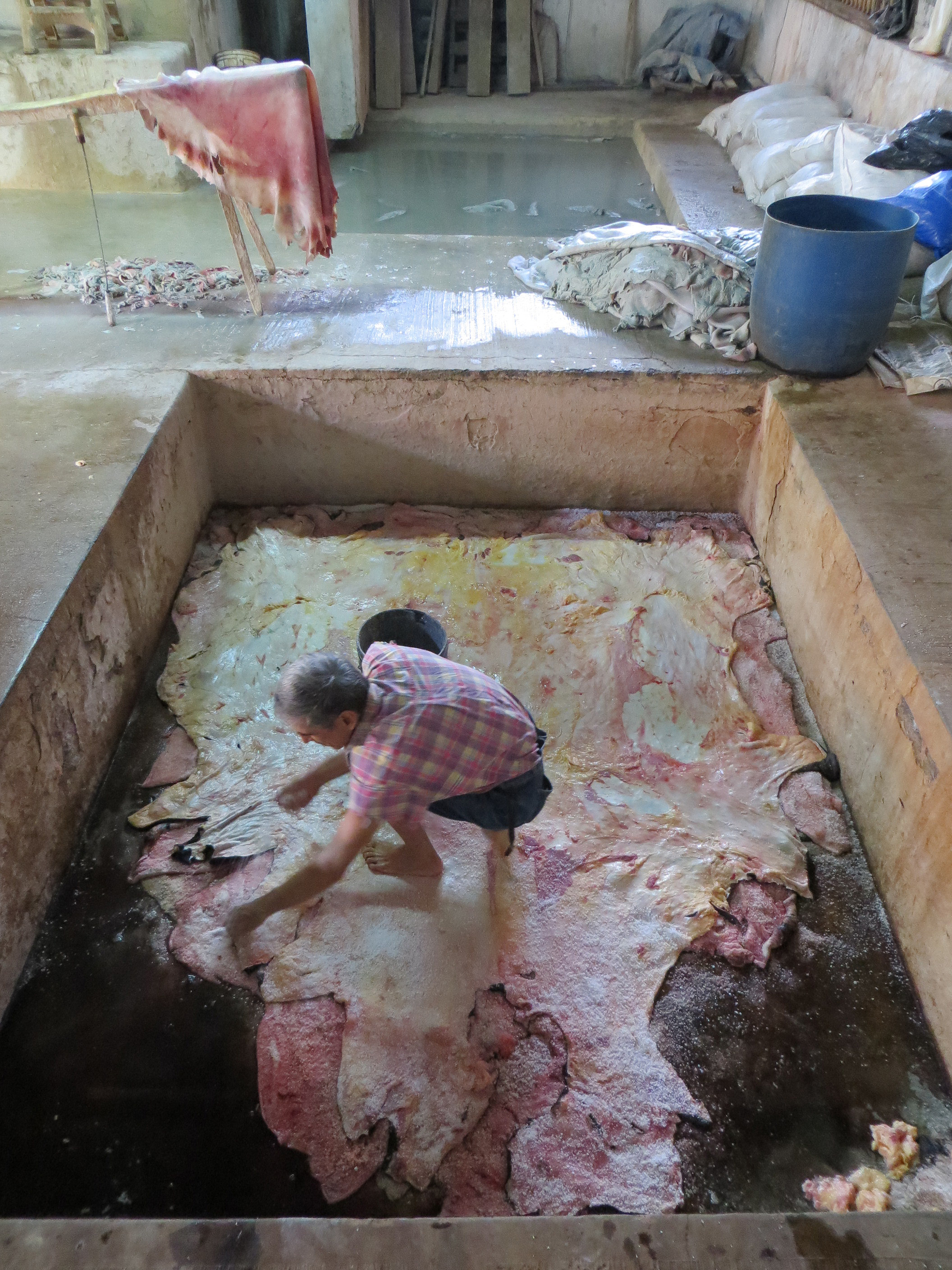
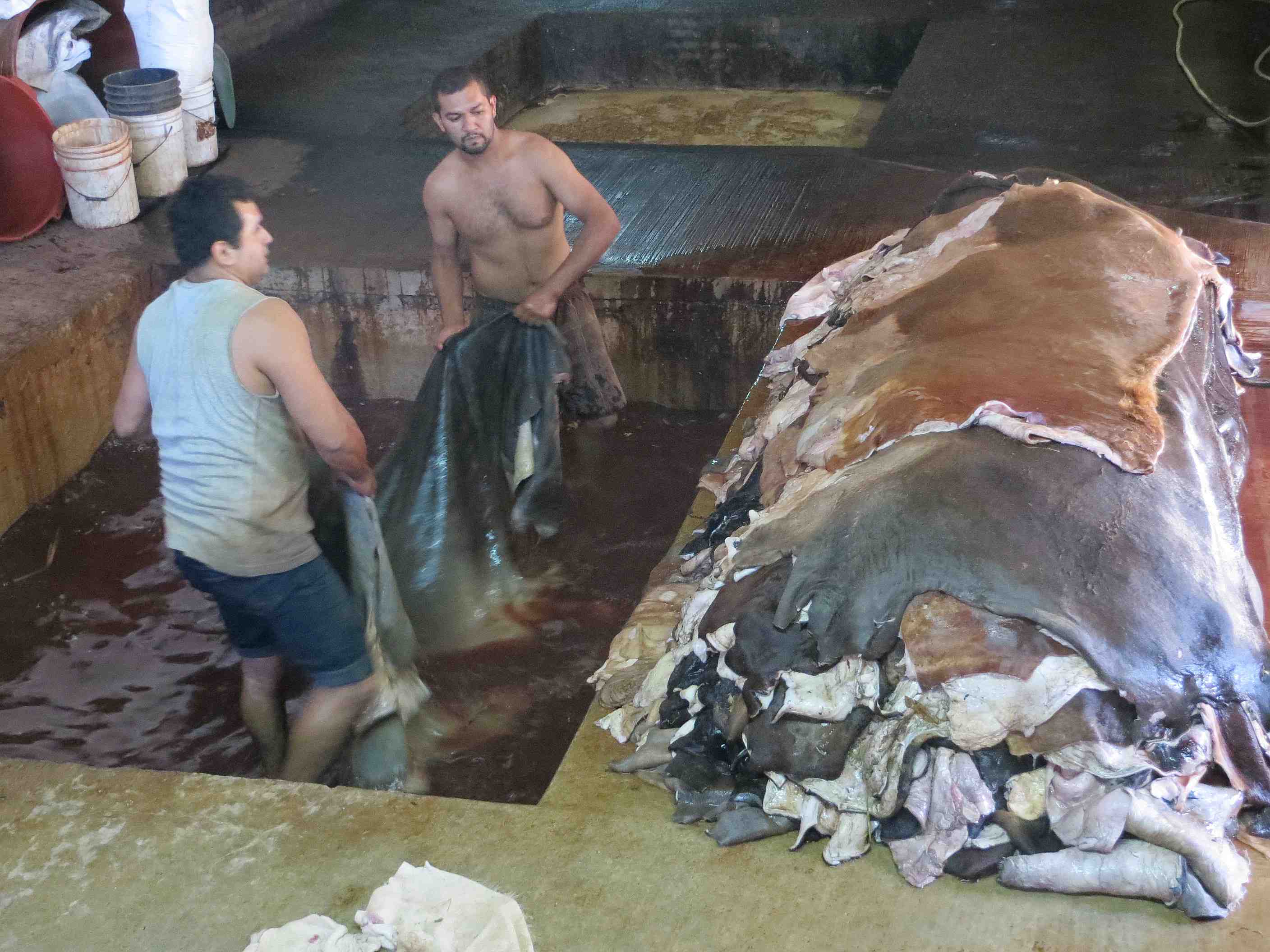
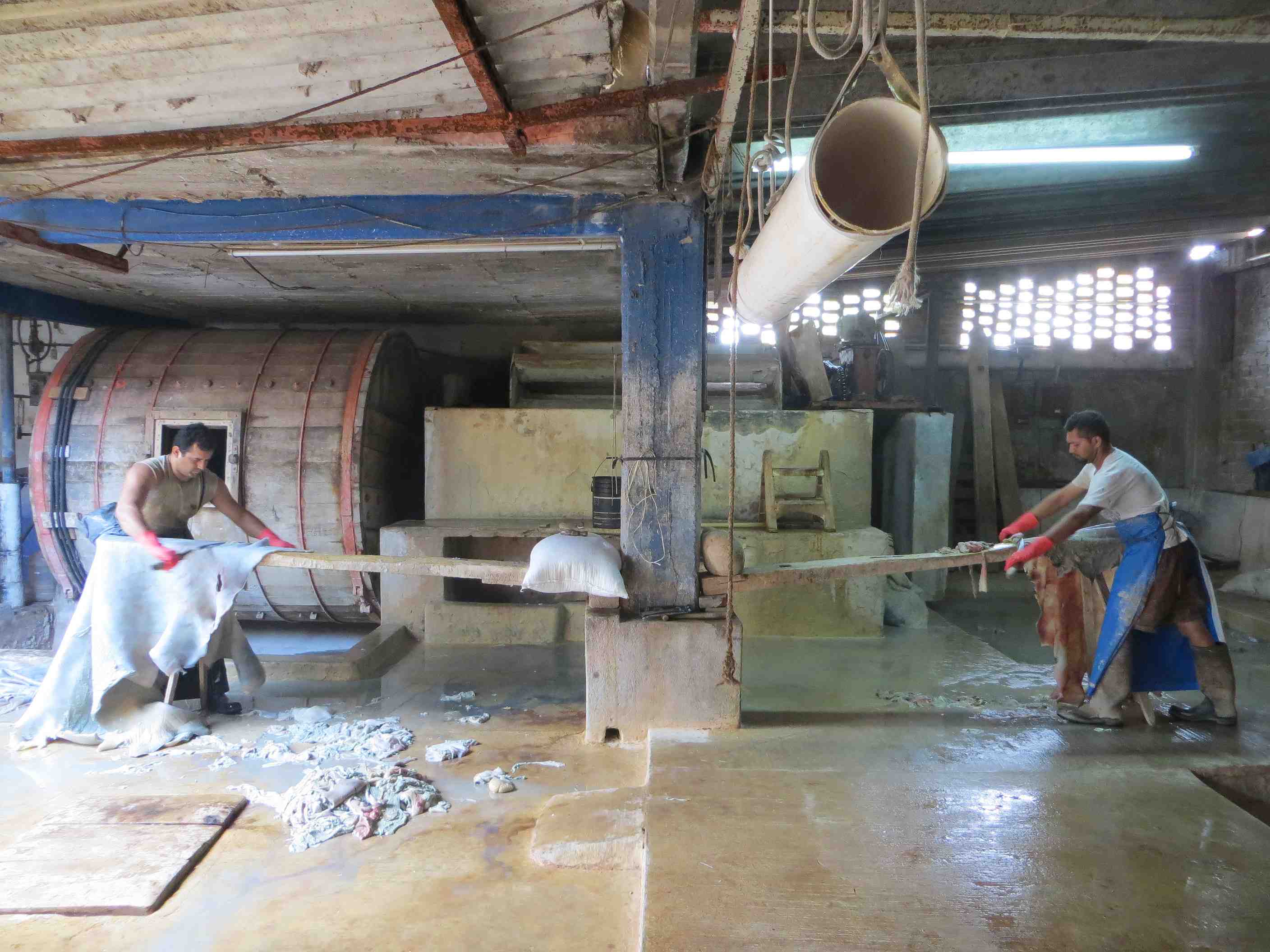
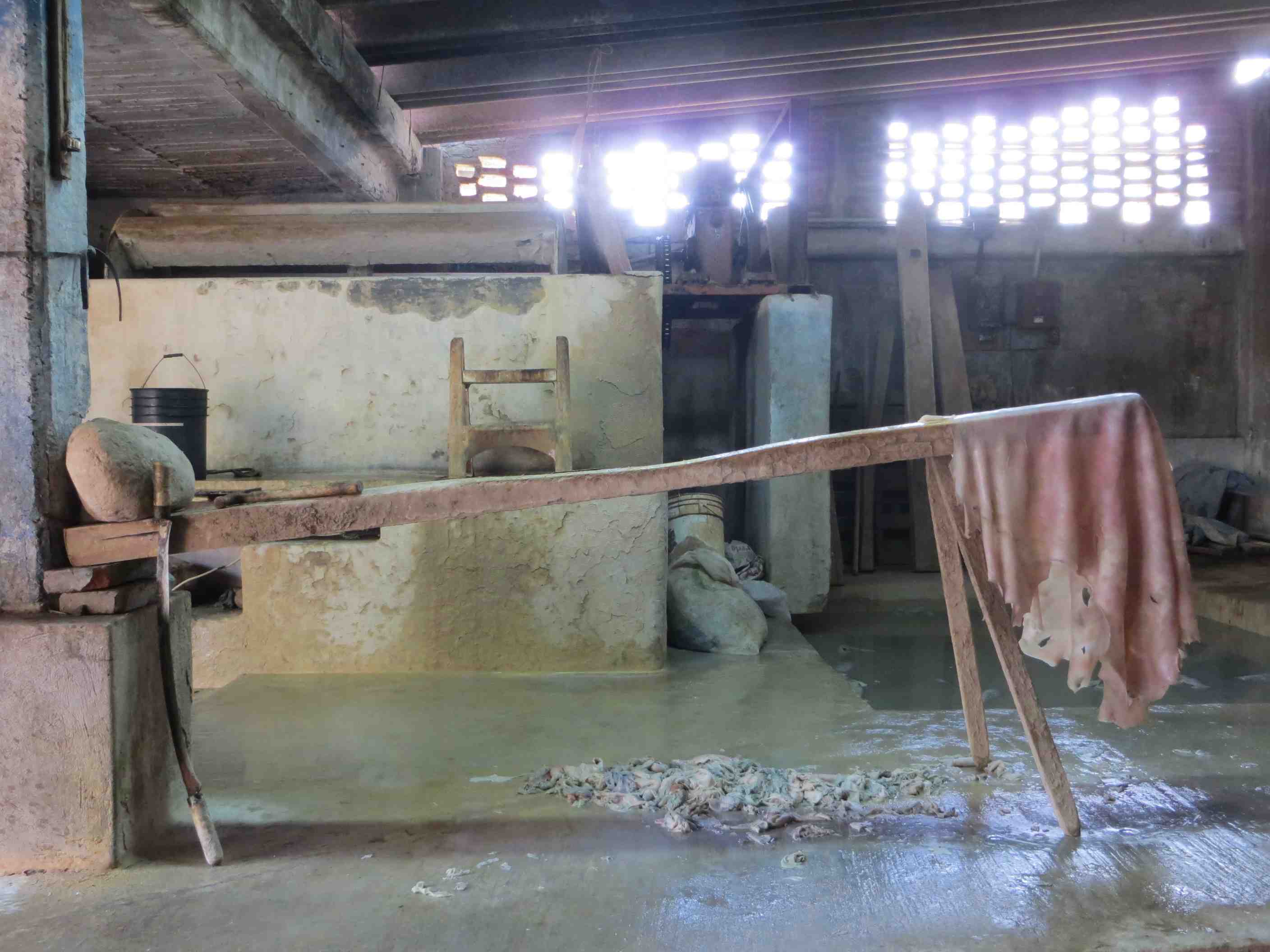
Well anyway, Markus at the huarache blog has done it again… forced me to steal his excellent article and link to his great research in Mexico.  The post gets a very close inside look into the tanning process; a somewhat secretive business in my experience.

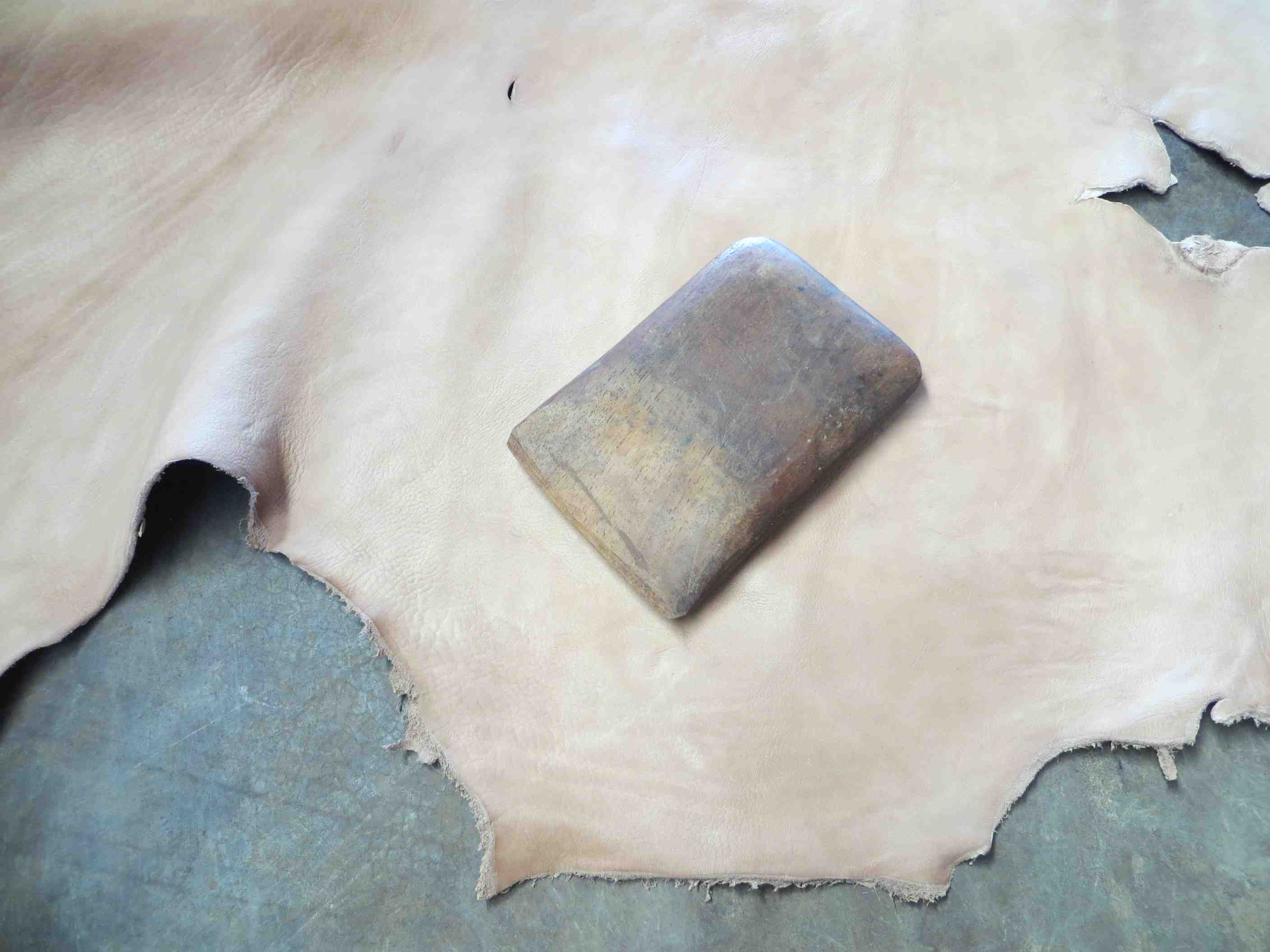
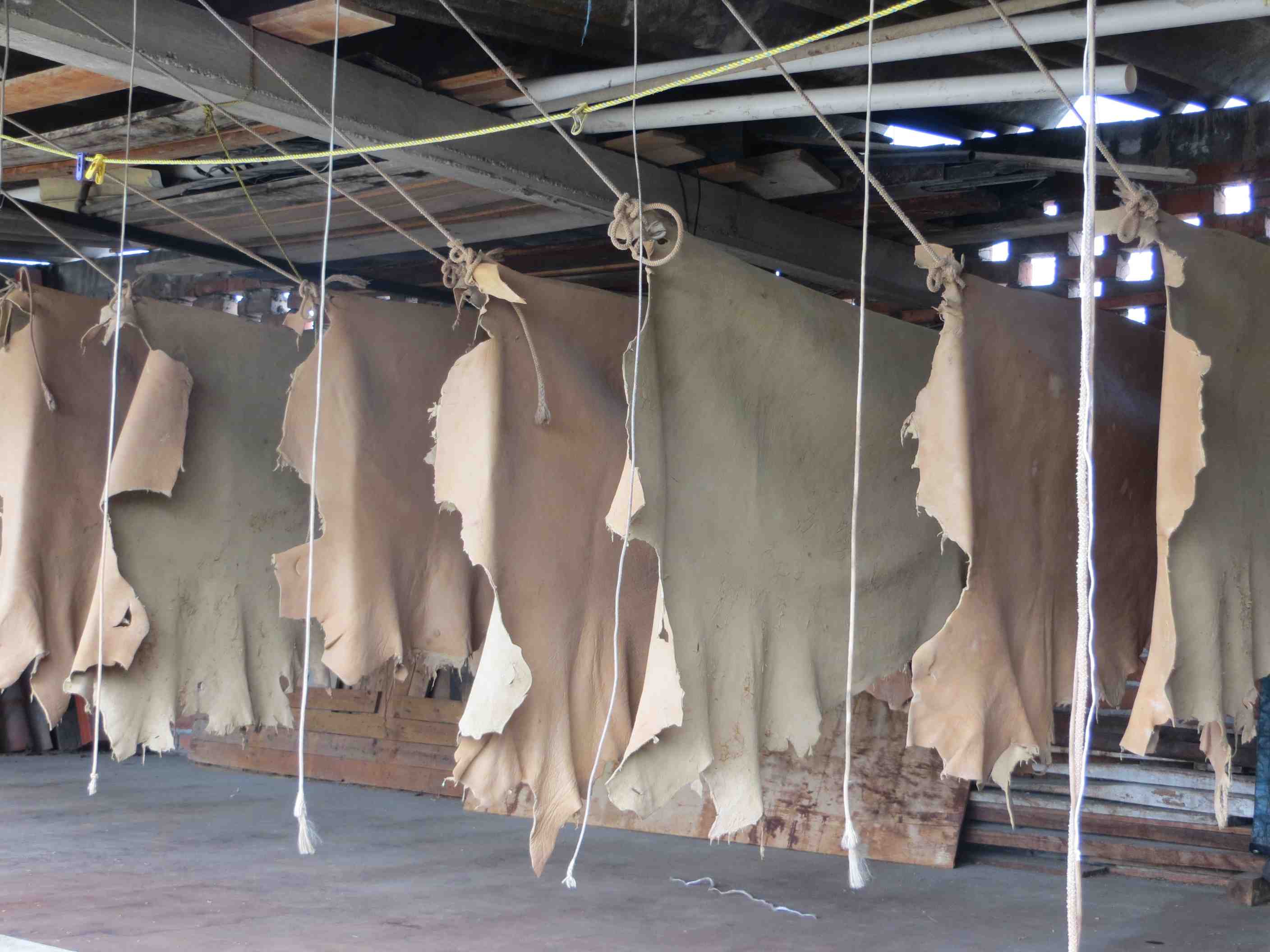
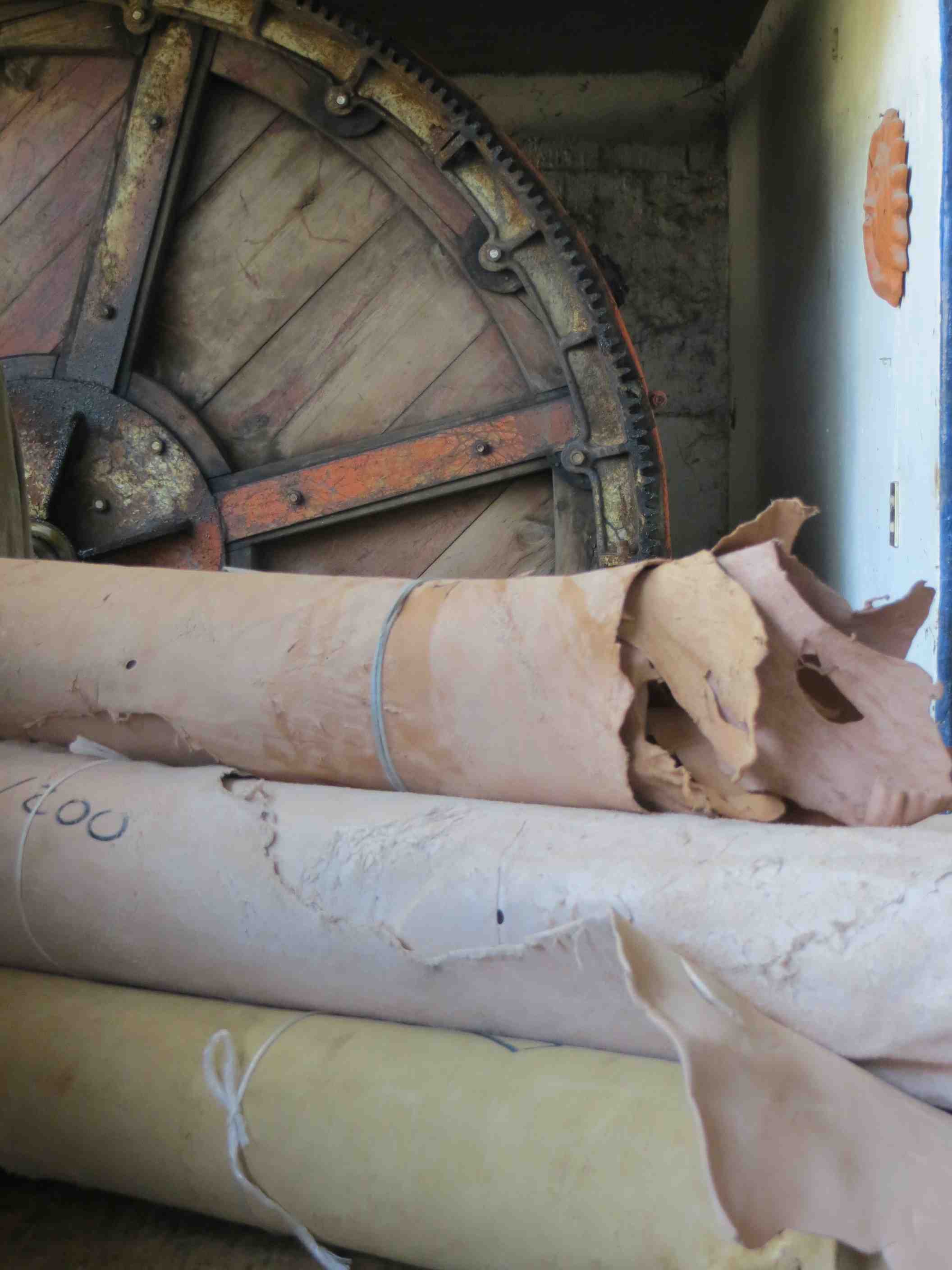
img_0237img_0646img_0160Great set-up for the beams.  Spacious, indoors with a cleanable floor.

img_0218I think anyone who has tanned hides will appreciate this solid set-up.

img_0265

img_0337

img_0782This is just a picture preview.  For much more in-depth information, have a look at the article on the Huarache Blog by clicking here.

I appreciate this work so much for having done some myself.  Tanning hides is tough, back-breaking labor that goes unappreciated.  It’s good to know that there are still folks out there keeping these important skills alive.  More importantly, to know that there are alternatives to corporate factories producing little more than garbage and waste.  It must be tough on these small family businesses but I hope, for all our sakes, that they find a way to survive.

http://huaracheblog.wordpress.com/2013/07/29/taller-de-curtiduria-gonzalez-making-the-best-vegetable-tanned-huarache-leather/

Ice Cream Cart

Looking for an attention-getting color scheme for your vardo or caravan?  Look no further than this fine little burro-powered wagon from Pakistan.

Ice Cream Cart
Kulfi Wala (Ice Cream Man) – Photo by Ane Malik.

A most cherished traditional dessert from Lahore, Pakistan, known as Kulfi, which is made with condensed milk, almonds, cardamom, and sugar is served from these little hand-built carts. The ice cream is then poured into the cone shaped moulds then and placed into traditional-styled ice containers.

The cart is decorated and painted in vibrant colors and with traditional motifs and with names of Allah and the Sufi Saints.  The emergency brake is engaged in this photo (see rock under left tire) while the motor idles.

If you would like to make this delicious treat for yourself, look for it here:

Click for a delicious Mulai Kulfi Recipe.

Creating Every Day

Make something with your hands every day, some wisdom from Mahatma Gandhi.  It has been my goal for a long time now to follow this creed and it makes me happy nearly every day; even if it is something small, it is a small victory.

Its a tragedy of the first magnitude that millions of people have ceased to use their hands as hands. Nature has bestowed upon us this great gift which is our hands. If the craze for machinery methods continues, it is highly likely that a time will come when we shall be so incapacitated and weak that we shall begin to curse ourselves for having forgotten the use of the living machines given to us by God.”  ~ Mahatma Gandhi

Lest we forget what makes us human.

A View from the Vardo

Working away on a weekend day a little while back.  Enjoying time on the prairie in my little rolling home; coffee, a banjo, and connection to a HotSpot so I can get some work done.  The best of all worlds.

A reminder to myself as to how the vardo is in constant change. Little updates happen all the time and I often forget them until looking back on a photo like this one.

I don’t remember for sure but I suspect there is a dog or two laying on the floor or, more likely, under the wagon keeping an eye out for wildlife.  I’m itching to get back out on the road.

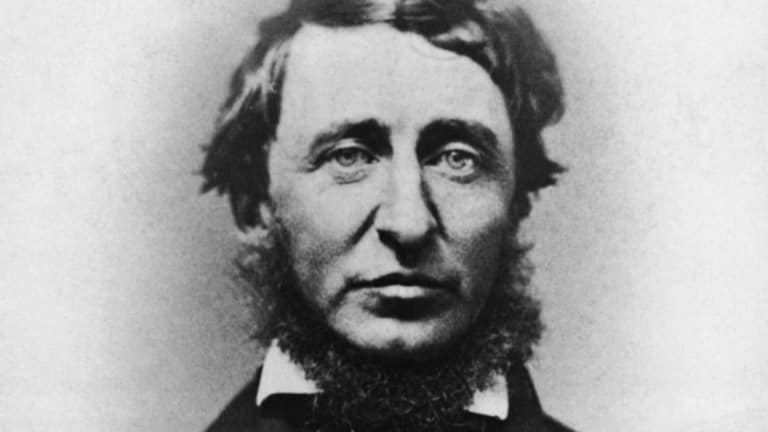
Henry David Thoreau, “Woods Burner”

Here’s an interesting article about Thoreau’s early career and the incident that may have been a catalyst for his move out of town into the woods nearby.  As it happened a year before the Walden experiment, it may have had some bearing on the idea.

From the Boston Globe:

On April 30, 1844, Thoreau started a blaze in the Concord Woods, scorching a 300-acre swath of earth between Fair Haven Bay and Concord. The fire was an accident, but the destruction of valuable woodland, the loss of firewood and lumber, and the narrowly avoided catastrophe that almost befell Concord itself angered the local residents and nearly ruined Thoreau’s reputation. For years afterward, Thoreau could hardly walk the streets of his hometown without hearing the epithet “woods burner.”

…at the end of April, Thoreau went boating with his friend, Edward Sherman Hoar. They caught a mess of fish and Thoreau built a fire in a tree stump near the water’s edge to cook a chowder. The winds were strong and the woods were exceptionally dry from near-drought conditions. The fire leapt from the stump, into the dry grass, and then rushed toward the trees.

Thoreau and Hoar tried to extinguish the flames on their own, stomping in the burning grass and beating the flames with a board from their boat. But once the fire reached the trees, they knew there was no stopping it without help. Hoar set out for Concord in the boat, and Henry ran through the woods ahead of the flames, seeking help nearby. He encountered one farmer who refused to help him, because he thought the fire was “none of his stuff.” Thoreau ran on, eventually encountering an owner of the woods then ablaze. The man ran to Concord to summon the town, and Thoreau, exhausted, climbed to the top of Fair Haven Hill to wait for help and watch the woods burn.

A few months after the fire, Emerson purchased a plot of land at Walden Pond in order to protect it from woodcutters. And in March of the following year, Channing wrote to Thoreau, urging him to go to Emerson’s plot at Walden and begin the “grand process of devouring yourself alive.” Thoreau moved to Walden four months later. Perhaps he sought refuge from the angry people of Concord, perhaps he felt compelled to atone, somehow, for his offence, or perhaps the fire awoke him to the fragility of life: nature’s, man’s, his own.

Years before the fire, Thoreau wrote in his journal, “To regret deeply is to live afresh.” And later in “Walden” he wrote that he came to the woods because he did not want to die having never lived. Perhaps this keen sense of urgency – the impulse to live the life he has imagined before it is too late – derives in part from Thoreau’s having witnessed how quickly an unthinking act can turn tragic.

https://i0.wp.com/historyofmassachusetts.org/wp-content/uploads/2012/08/Concord-Freeman-May-3-1844-Fire-in-Concord-Woods.jpg

There is some interesting history I was not familiar with until a few years ago.  Here’s the link to the full article at the Boston Globe.

A shiftless, bookish fellow, who worked well with his hands but without much career direction or ambition to take the easy path.  Sounds like a familiar story.

Early Car Camping

I love finding old images like this.  They show that we never really change yet are on a continuum of adaptation.  The bows that support the canvas top on this (I believe aftermarket) truck bed are reminiscent of much earlier wagons of the Old West.

Camping in Yellowstone 1924 – Mattress on the fender, pots, pans and a tool kit on the side board, these spiffy fellas were ready for an adventure. Image – https://www.nps.gov/parkhistory/

Space was extremely limited in the cab of these old vehicles so if there were three on-board, I suspect someone, probably the boy, rode in back with the luggage.