Backyard Chickens

I’ve been lucky as a chicken owner for quite a few years.  Very few have been stolen by predators, and we’ve had very little illness.  Right now, with a dozen chickens both old and young, I get between three and six eggs per day with the occasional bonanza of eight.  That is, if I can keep the Gopher Snakes out.  I catch the snakes when I can and take them a few hundred meters away and hope they find new homes to rob.  With limited free-ranging in a pretty poor environment they cost me no more than $10-$20 per month and a few minutes work every day.  In the winter, they need a bit more tending, especially to keep the water unfrozen.  I can’t see how suburban America has so lost it’s way that there is a fight to keep chickens in your own yard.  I recently heard a politician refer to them as “gateway livestock”.
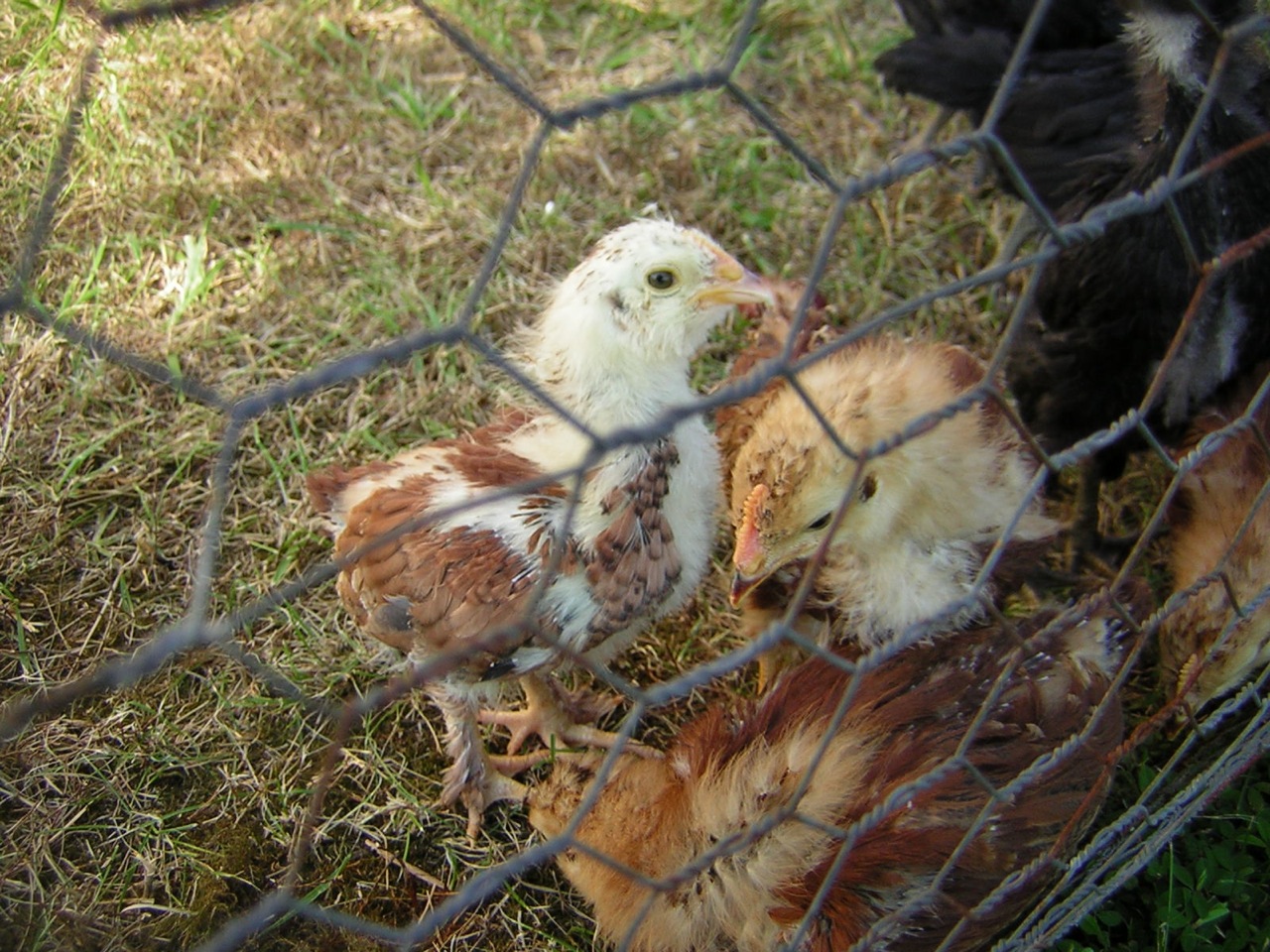
LuckyChickenI love my dogs, but to hear people speak of chickens as annoying, smelly, and dangerous is ridiculous.  Dogs bark, and often attack people (which are the jobs we bred them for) so the double standard is apparent.

DomPulletIf you have lived with chickens, you know how excellent they are at virtually eliminating small vermin; especially ticks, grasshoppers, crickets, and even the occasional mouse or snake.  They are wonderful pest control, especially around the perimeter of the garden and their manure is a potent garden additive.

BuffOrpMaybe not as cuddly as a dog or cat, they are certainly part of our history for thousands of years.  If you are considering chickens for eggs or meat, they are a simple, inexpensive investment that takes little time or money and are a great addition to the household food supply.  Mine survive well on kitchen scraps including almost daily doses of broccoli stems, carrot tops, fruit peels, and even chopped weeds from the garden.  They work better than composting for most waste.
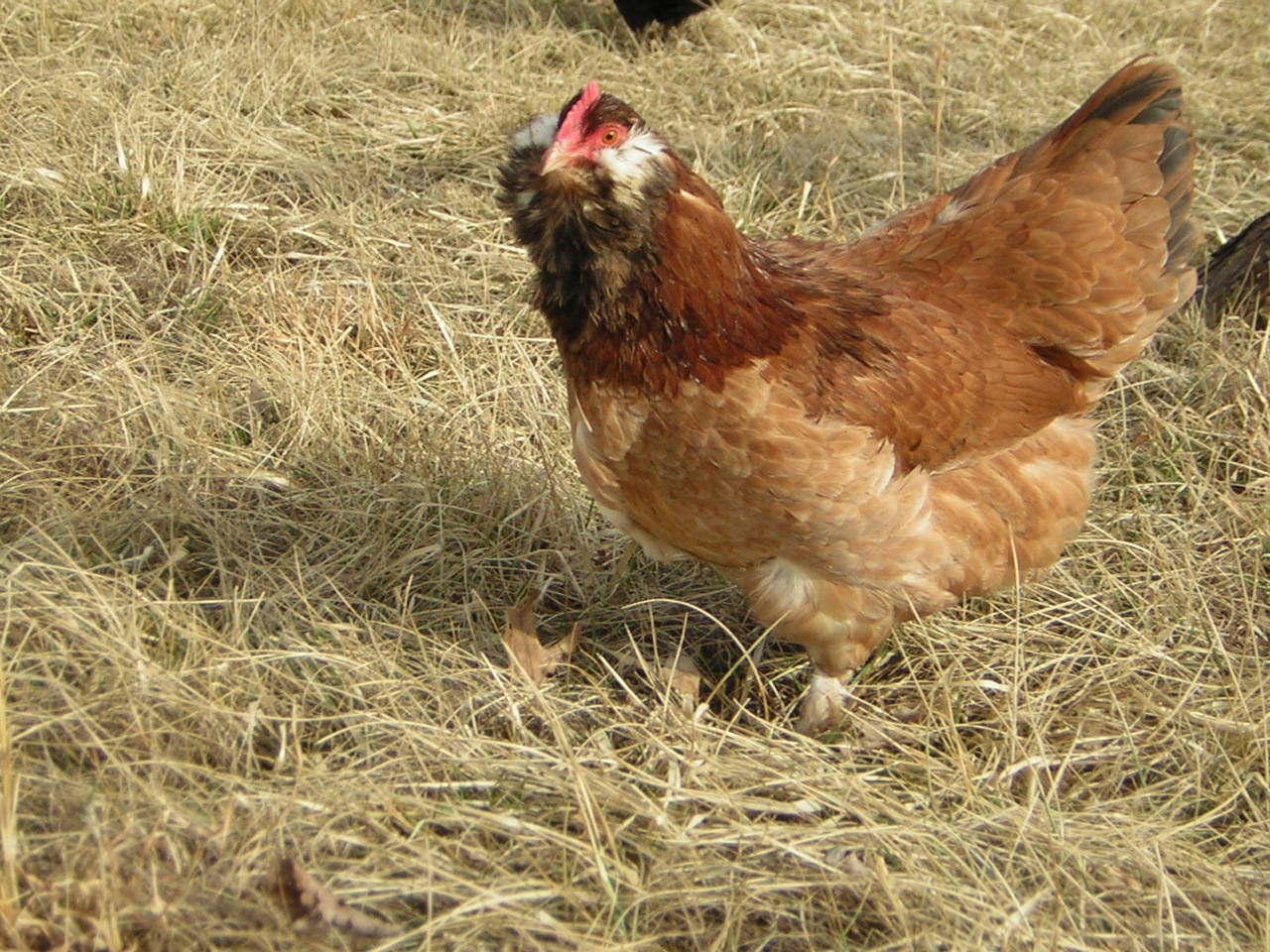
LuckyThey come in many varieties, builds, temperaments, and fortes, but nearly all will help out the small homesteader.

Does This Thingy Add Value…

A new post from the Minimalists.

“I don’t own many things. But everything I own adds value to my life.

Each of my belongings—my kitchenware, furniture, clothes, car—functions either as a tool or gives some sort of positive aesthetic value to my life. That is, as a minimalist, every possession serves a purpose and/or brings me joy.

Over time, though, situations’ll change. They always do. And so I’m forced to ask the same important question over and over and over again: Does this thing add value to my life?

And but it’s not just material possessions at which I posit this query. I ask it, too, in regard to relationships, social media, and any other potentially superfluous matters in lifeemphasis added.

Good things to ponder as we just absorb everything, new and old, around us.

Read the whole post here or, better yet, check out their other writings:

http://www.theminimalists.com/

Robin Wood, Traditional Craftsman

Here’s another excellent video of Robin Wood, wood turner and traditional craftsman.  Visit his website to learn more about this remarkable man and his admirable career choice.  As he explains, his job is easy to describe while so many careers are just about impossible to explain what one does and we create fancy titles to describe what we do all day.

His website is: http://greenwood-carving.blogspot.com/

Lightening my load

About an addiction I didn’t even realize I had.

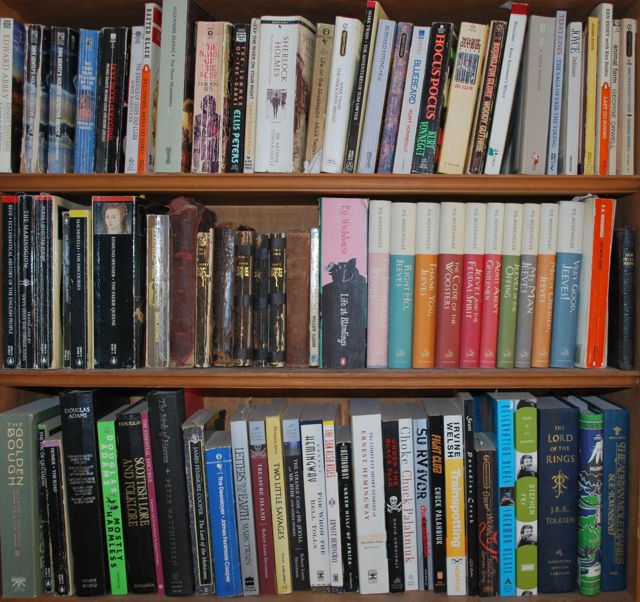
BOOKS. A hidden addiction.

It seems that minimalism is the word du jour around the internet these days.  Tiny houses, the 100 Thing Challenge, Non-Conformist work strategies, and urban homesteaders are filling blog-space with ideas and adventures outside the old consumerist norm.  Many people are looking for something more in their lives and realizing that Stuff is not the answer.  There is often an epiphany in someone’s life when they come to the realization that humans are not just professional consumers or targets for marketing strategies.  Shopping is not a valid pastime.  Hopefully there is more to our short existence than reality TV.  Having lived without regular television for quite a few years I feel very lucky to miss out on political soundbites, sit-coms, and mass marketing of sports-watching.  Unfortunately, even with my relative isolation, I know about these things from reading the news on the Internet almost daily.

Choosing to not buy into most popular-culture lightens my mental load a lot and (hopefully) allows time for deeper and more elevated thinking as well as crafting a better life.  Daily walks, exercise, building things, cooking good food, and reading make for a calmer mind and a lower stress level.  These are intentional activities not the imposed sedation of consumer culture.

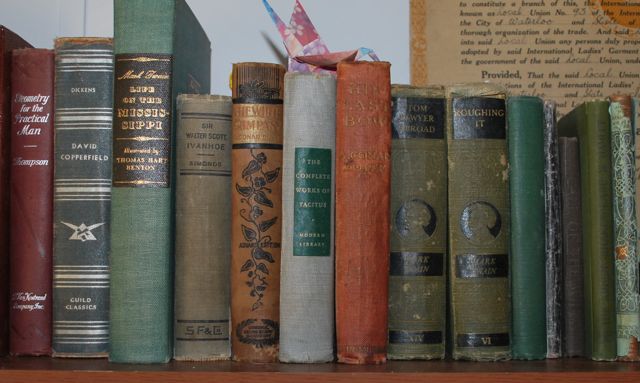
When I had to leave Flagstaff about eight years ago, I began uncluttering my belongings.  I don’t think of myself as a collector, but I had amassed an enormous library of books.  This is what people on an academic path do … right?  Who did I think I was?  Some nineteenth-century English aristocrat?  Why would I possibly need a personal library?  It hit me one day that this was crazy.  I have hauled books around since I was a teenager until it became truckloads to move while nearly always living within twenty minutes of a large, academic library.

Sure, as a person who researches writes for work there are certain references and sources I need to have on hand and could not adequately perform my job without, but I had fallen into the trap of keeping books around “just in case” I wanted them again.  That’s not to say that there aren’t recreational books I would never want to be without and I hope to read or reference many more times before I die.

I was able to sell a fair number of books and make a few dollars from them but, in the end, found that there isn’t a high monetary value on most books.  These I gave away.  I gave away even more to the local library and to the Goodwill store.  I still have far too many books, but now its really just the one’s I love or have a need for.  The ones I may not need but can’t quite part with are: a few rare antiques, first editions, special editions, and expensive academic tomes.

I’m still giving away books but I’m still buying them as well.  Being far from a real bookstore actually makes it easier, not harder, to shop, read reviews, preview and purchase books.  Without getting up I can order a book and expect it in my post office box in a week.  Such is the Amazon.com culture.

I still read voraciously, but now, when considering a book, I really try to consider how much I want to own it and do I want to lug it around? Another anchor holding me down.  Can my local library get it?  This has been a difficult addiction to overcome.  I’ve bought books since I was fourteen and, on some level, prided myself on having such an extensive collection at my fingertips.  It felt good to put another dozen or so hardbacks in my Goodwill box this morning.  Just a few hundred more to let go (but a few more are on their way to my post office).