
I like the closed, round toes on this one. From http://huaracheblog.wordpress.com/.
Adventures of an Imperfect Man In Search of a Handmade Life

I like the closed, round toes on this one. From http://huaracheblog.wordpress.com/.

18th century tools of the bootmaker’s trade. Click for the source.

A real treat from the Sifting the Past blog. It is worth checking out if you are interested in researching the past through images of the period just prior to mass industrialization. The Townsend’s have a couple excellent websites including an interesting 18th century cooking blog with videos. There is so much in this painting that describes the time and the craft of the cordwainer. There is a palm awl and lasting pinchers in the lower right, the ever critical strap for holding the shoe while sewing, the sewer’s palm for pulling tight the lock stitch, as well as the hammer, mallet, and knife of the trade. He is holding the sole awl in his left hand. The basket on the work bench contains a great bone tool made from a metapodial bone as so often found prior to the 20th century when craftsmen made their own tools. I want my shop to look this great sometime soon.
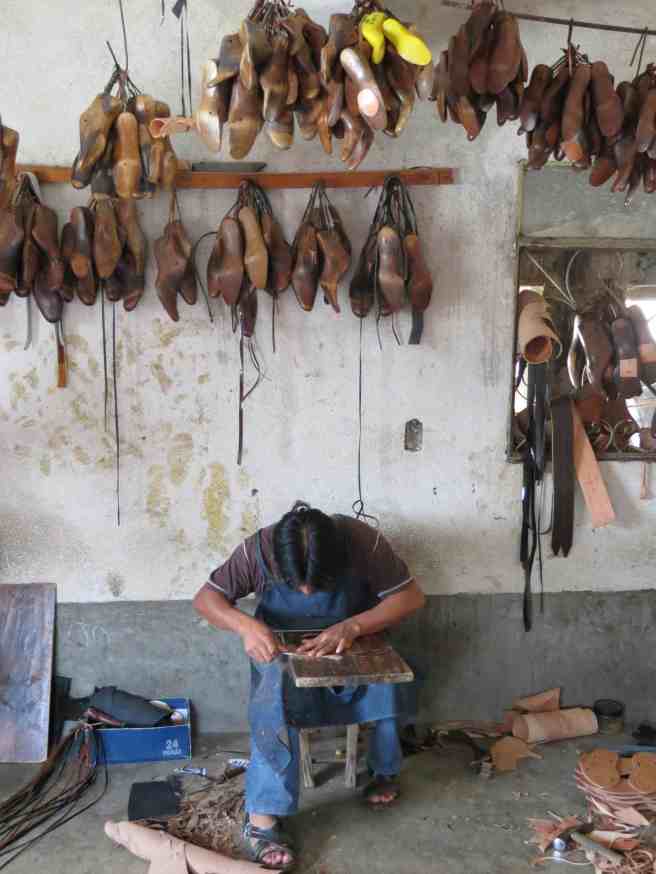
This is a great series of photos of a surviving craft still producing their own leather. This maintains an economy (for them) that could have very little cash outflow, replacing the cost of raw materials with labor. I hope these industries survive.
- A great photo of a huarachero from the series.
Nestled into the Sierra Norte mountains of Oaxaca is the small town of Yalalag.
Yalalag is very precious town, not only for it’s strong Pre-Hispanic traditions, but also because like only a handful of other small towns in Mexico, most of the Yalalag population is still dedicated to the traditional craft of Huarache making.


Huaracheria Aquino is the largest ‘Taller’ workshop in Yalalag and they are well known for their high quality Zapotec Huaraches.
What also sets this family run business apart from most other Huarache makers in Mexico is that their crafting process begins at their in-house tannery, where they vegetable tan all their leathers to their precise specifications.


Huaracheria Aquino is famous for their traditional women’s Zapotec Yalalag sandals (the only existing traditional women’s leather sandal/huarache style in Mexico).


Photo of young Zapotec Woman in Mitla, by Guy Stresser-Péan, 1957
Their ‘Tejido’ Huarache also stands out for the…
View original post 153 more words

As a craftsman of sorts, I understand that making a “one-off” of something does not imply expertise and replication builds a real understanding of the object being produced. However, this is certainly not my first leather working or shoemaking project but a major improvement on a theme. The lasts I purchased earlier in the year on Ebay have finally been used to actually make a shoe so I documented the process as it came along last week; mistakes and changes included in the process. While searching for huarache construction, I have only been able to find the simplest tire sandal designs and many links to “barefoot” running sandals. I recently found the Huarache Blog and scoured it for inspiration and design secrets from real huaracheros in old Mexico.
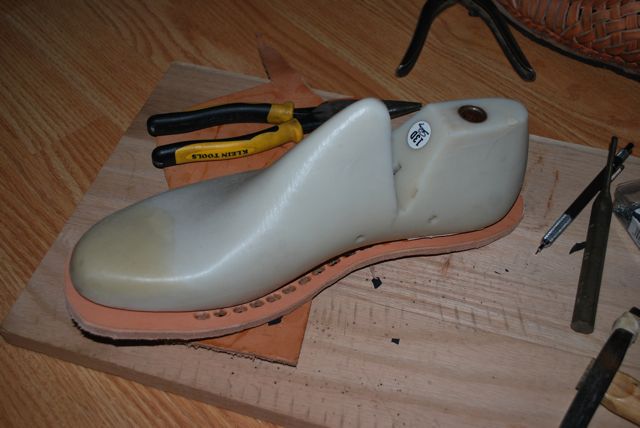
The lasts shown here seem to fit me well but are an Oxford dress shoe style, I think, meaning they run a little long in the toe. New lasts are pricey (ca. 50 euros/70 US), but I think it will pay in the long run to invest in a better design for myself and those people I might make shoes for.
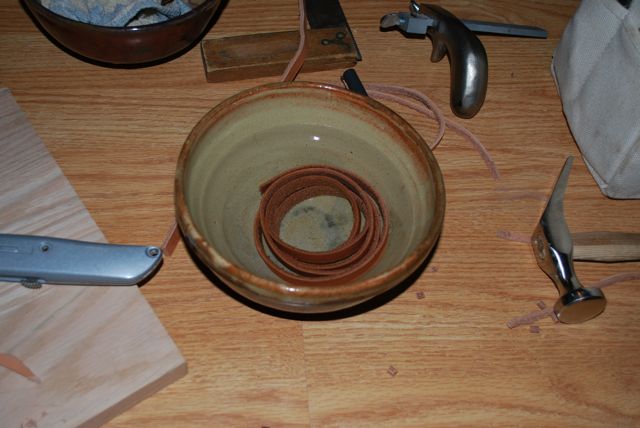
I didn’t show the strap cutting process as there is little to be learned about that. My fancy new Osbourne strap cutter can be seen in the upper right of this photo
Since this project was experimental, I used scrap leather, meaning I could only get about three foot (one meter) straps. In future, I’ll probably use 6 foot or longer pieces (2+ meters).
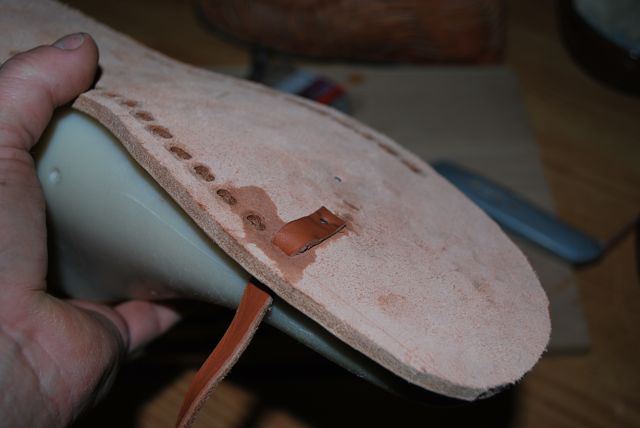
Pre-punched holes in the mid-sole and away we go. A little tallow on the straps helps cut the friction of the leather but ended up being not worth the trouble.
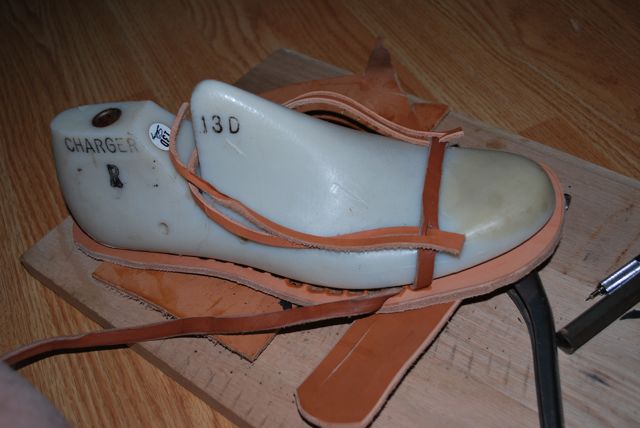
This is a signature of the style I chose. The vamp or tongue-like piece was later removed as I didn’t like the way it looked. I’ll experiment more with that later.
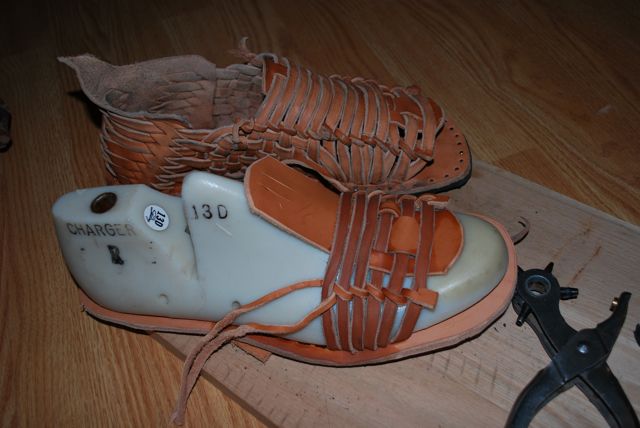
Unlike normal, I completely finished the first shoe and removed it from the last to check size and shape to determine any major changes that would need to be made.
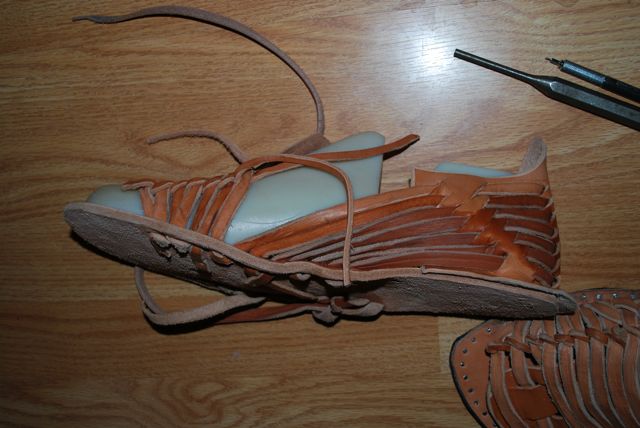
The straps running under the mid-sole look like a problem here but are ultimately skived down, wetted, and hammered flat.
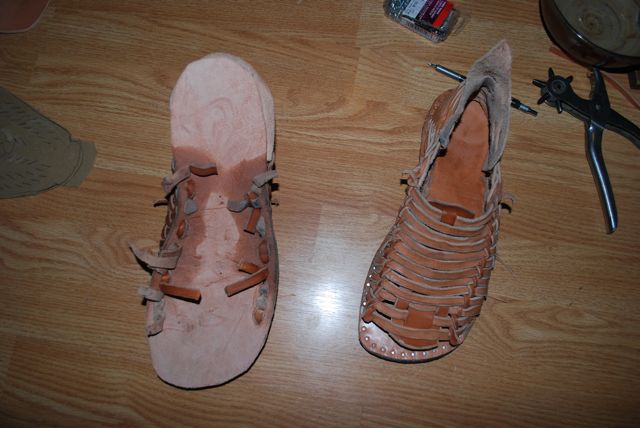
I used simple wire nails to attach the soles but sewing would work too.
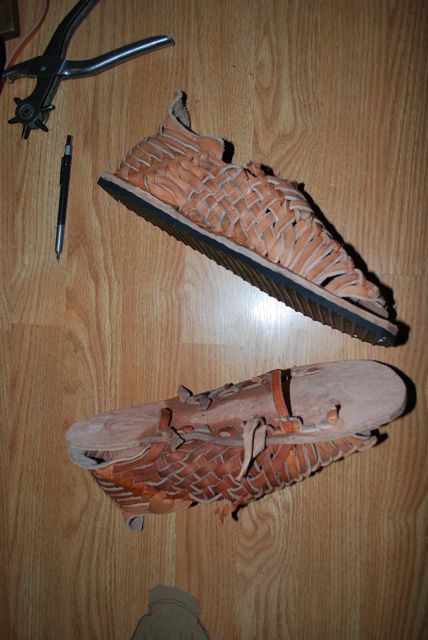
Pulled from the last, they actually matched. I don’t know why I was surprised but that made me happy.
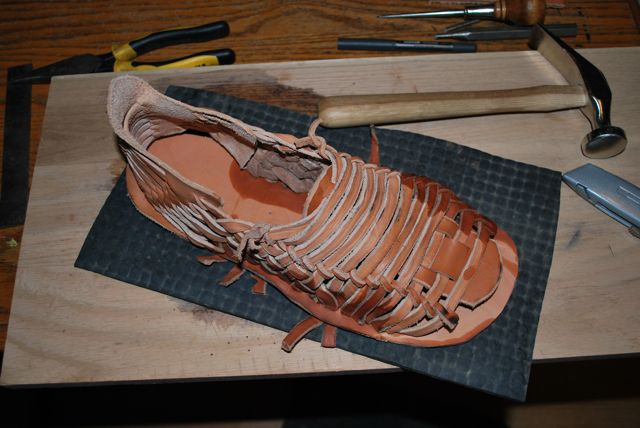
This method is fast and efficient, and I suspect rather tough. The nails are pressed through the leather and rubber into a thick leather scrap below. Otherwise, you would need to pry it up from the work board.
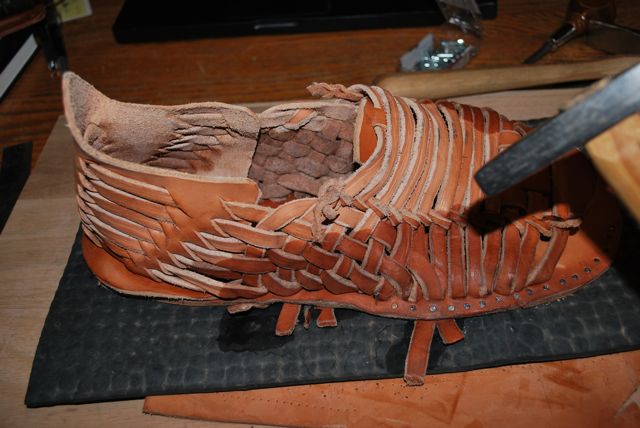
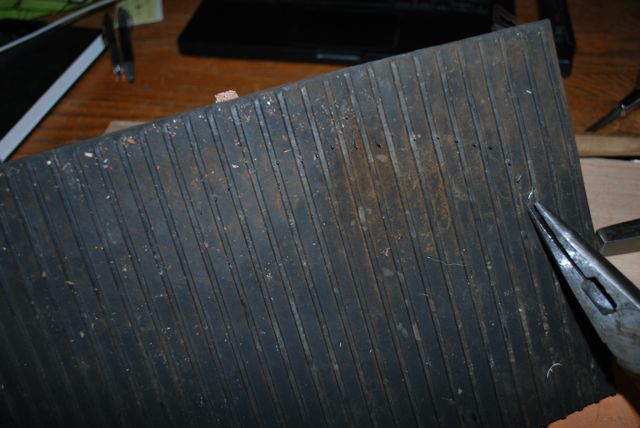
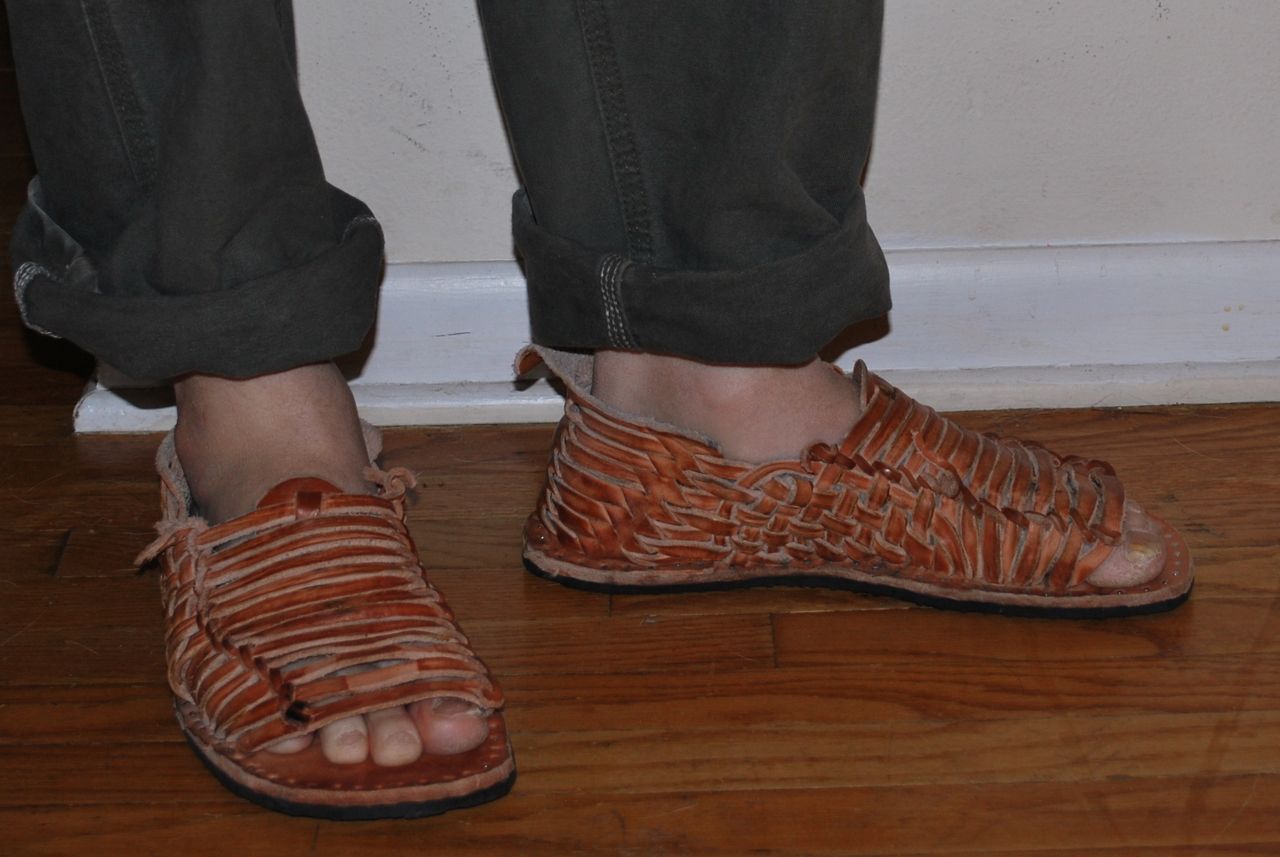
The nails are bent over (inward) to prepare to “clinch” them. There are no photos of this part of the process but this was done by setting the shoe back upright on a small anvil and hammering the nails down tight with a punch. The pre-bending causes the nail to curl inward and back up into the sole. Voila! The Huaraches below have about five miles of hiking on them now and they’re beginning to have some character.
Huaraches you say? Do tough guys wear such things? In an era of cheap, slave-made garments, its easy to forget how self-reliant our ancestors were for such things as raiment. I include this excellent photo of Capitan Alcantar I found on the Huarache Blog as a great historical image of a man of action wearing his huaraches and ready for war.



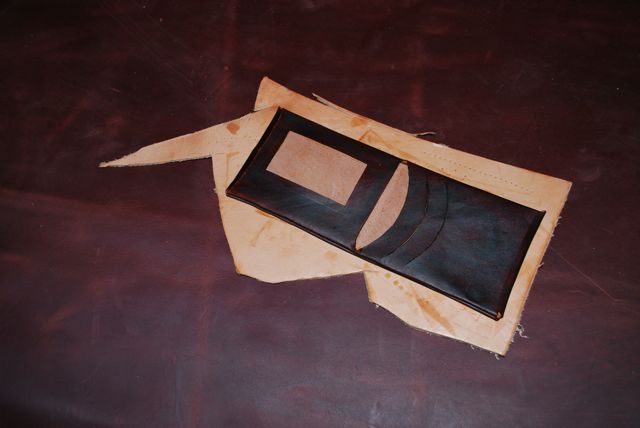
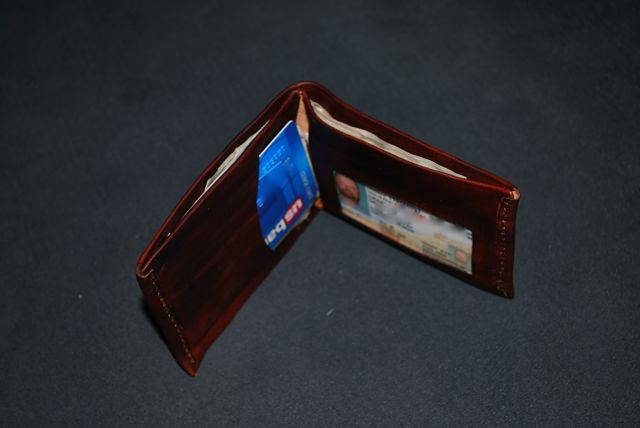
BC and I made a couple wallets for ourselves as hers looked like something from the Derelicte collection and mine was ridiculously worn out. Taking some very thin Hermann Oak vegetable tanned leather we created the following. We put up an Instructable HERE if you want to steal the design and have a tutorial on making the wallet.


My new walking shoes. Simple stitch-down design weighing in at about 14 oz (0.4 kg) each. The leather is Hermann Oak 2/3 oz for the uppers and 12 oz (I think) for the mid-sole and out-sole. There is also a double layer stacked heel that has a thin rubber layer on the bottom.
They have about 6 trail miles on them in this photo. They are dyed “light tan” and coated in home-made dubbin.*
The goal was to create an extremely lightweight shoe that will protect from the gawd-aweful sand burrs, cacti, and other sharpies that get into the sandals. They are loosely based on “desert boots” but provide a bit more protection. They are re-soleable, environmentally friendly, and made without sweatshop labor. Since I have little fashion sense, they can be worn with anything and in public. My only change in design will be to make the toe portion of the upper in slightly heavier leather as they will hold their shape better.
*A waterproofing concoction, in this case made from beeswax, olive oil, and walnut oil.A few more images:
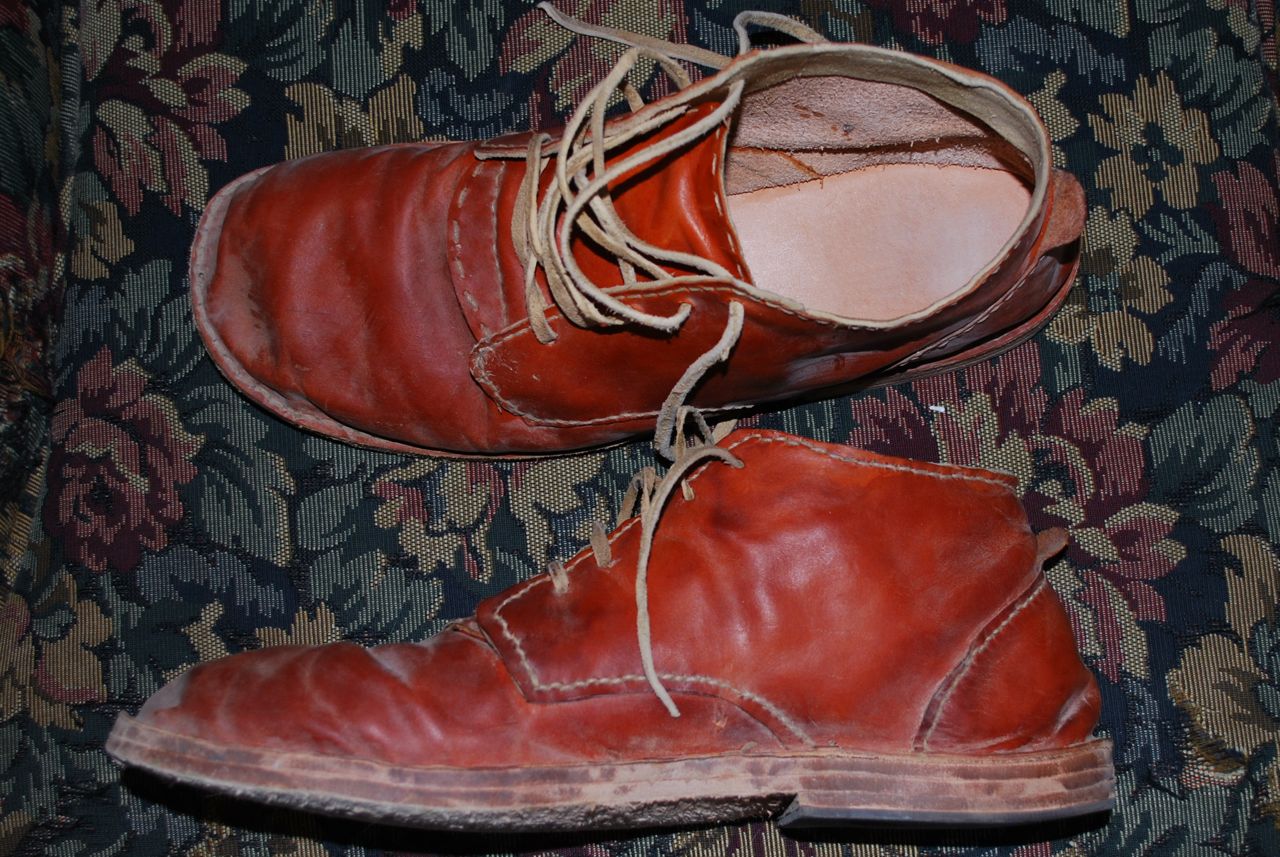 The shoes are unlined. Constructed with a double needle saddle-stitch. I wasn’t even concerned with stitching on this pair so they aren’t perfectly straight or small. The tongue is lined with brain-tanned deer hide and there is a band of brain-tan around the top edge for comfort. The laces are also brain-tan deer from a heavier hide.
 The out-sole stitch is trenched in about 1/8″ to protect the thread.
They may not be fashionable but I think they have style.
My new quiver. Re-worked from one I made earlier in the winter but was just not quite right. I like it a lot now. It’s a little smaller, hangs either vertically (Medieval style) or from a shoulder strap which is removable. Made from oak tanned leather and so far, just washed down with yellow saddle soap.

It’s a simple and not very interesting design really but suits me well.

Updated: Last weekend I finally finished the leatherworker’s tool tote. It took time to figure out what needed to be included and handy. Since the leather straps are fairly specific to the tool they hold, it pays to get it right. The original post is here: https://paleotool.wordpress.com/2011/10/26/tool-tote/

It may not look exciting but it is a great boon to have handy, easy to access tools.

A fun and useful project.

 Preindustrial Craftsmanship